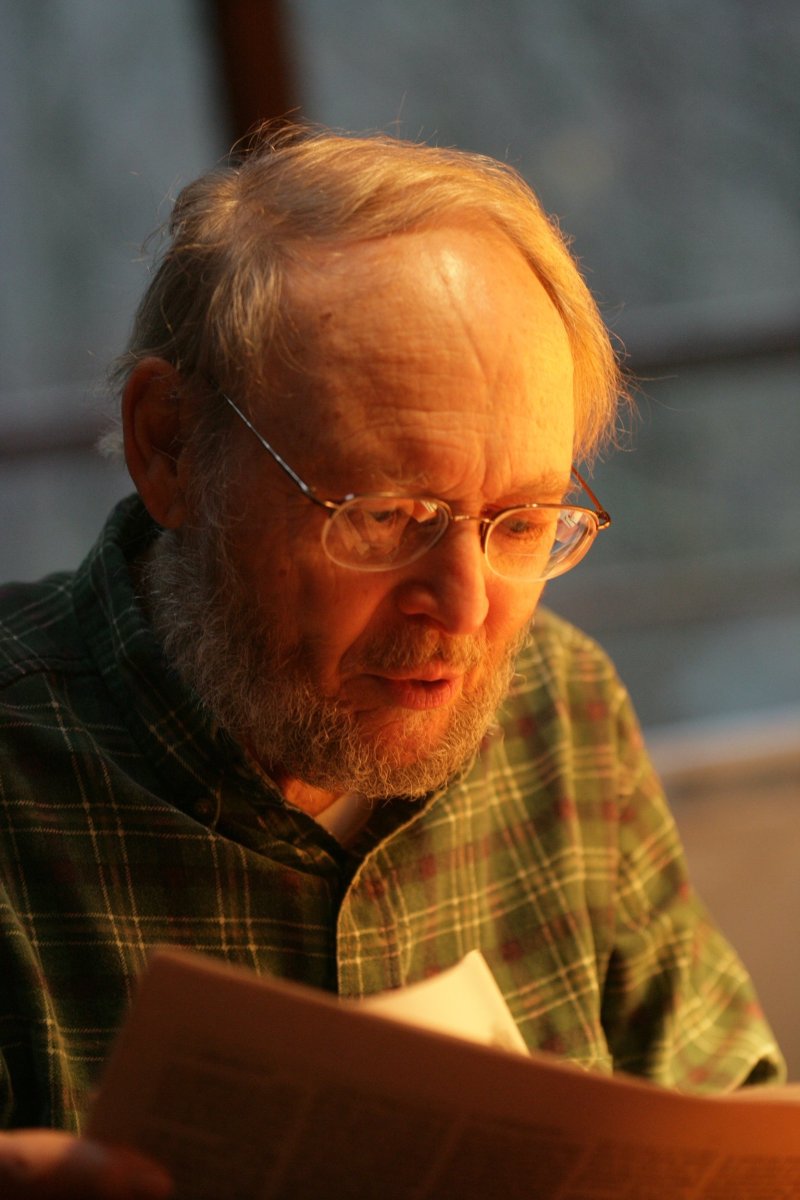
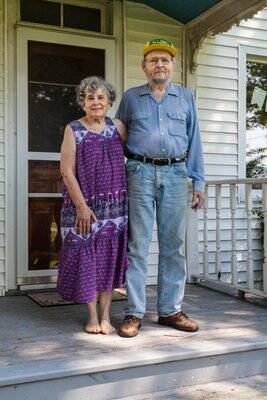
Herman Eldon Brockman, teacher, researcher, farmer, family man, and lover of trees, grammar, and Pogo, died peacefully at home on April 8, 2025.
We invite you to attend a Tree Walk in his honor on Saturday, August 30 at his family home, 1554 County Road 400 North, Congerville, IL 61729.
We also invite you to send memories to his wife Marlene at the above address, and to scroll down to post your memories and photos on the "Memory Wall." Thank you.
Obituary
Herman Eldon Brockman, a Distinguished Professor of Genetics, farmer, family man, and lover of trees, grammar, and Pogo, died at home on April 8, 2025 in the presence of 25 family members, ranging in age from 90 years (his wife Marlene) to 3 weeks (his second great-grand-daughter Hina Marlene).
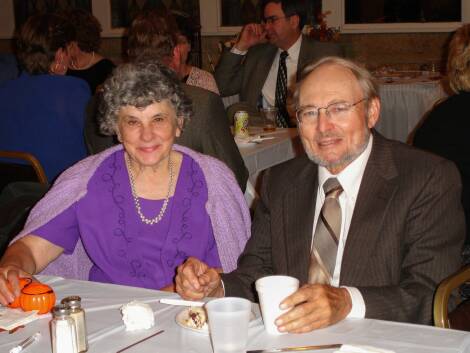
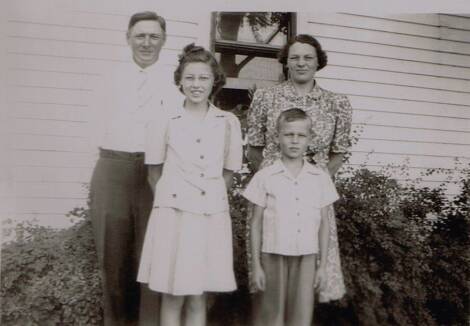
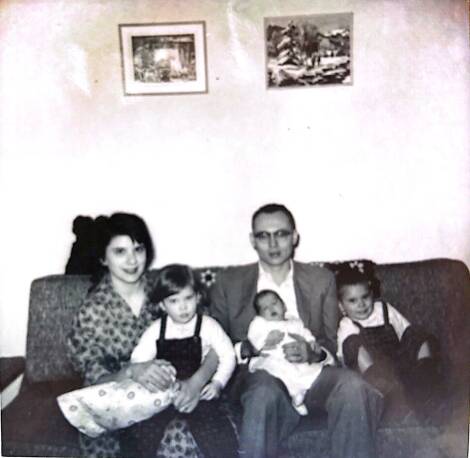
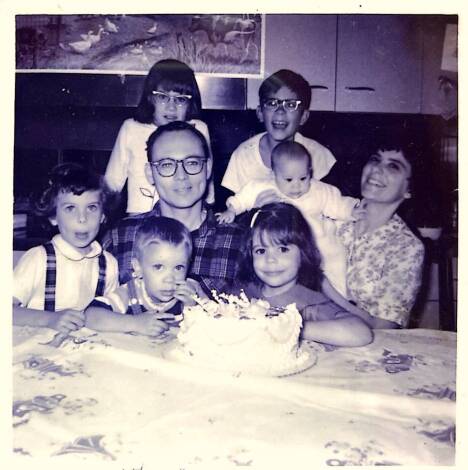
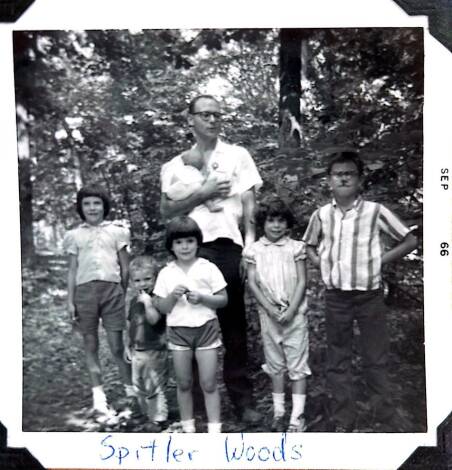
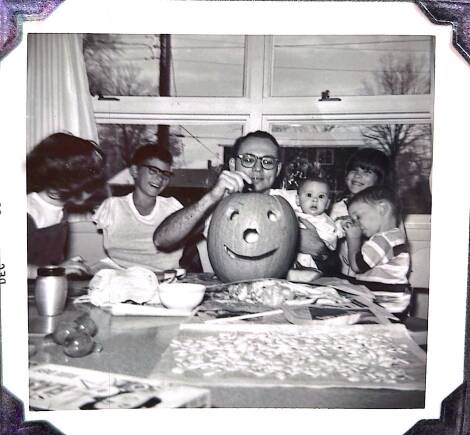
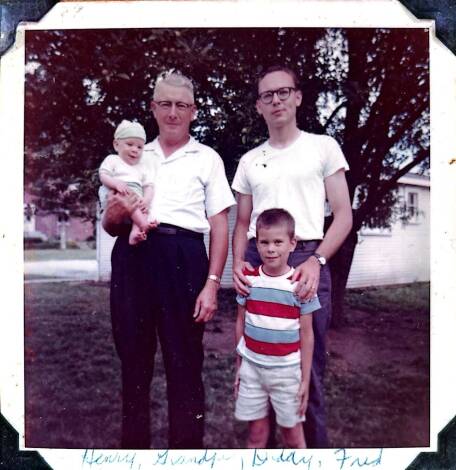
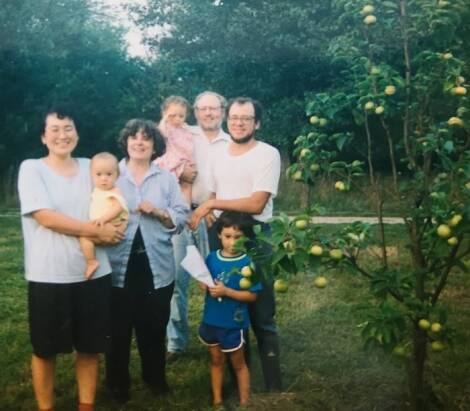
All of his 6 children were present: Fred (Odette) of Lostine, OR; Terra (Joel) of Congerville, IL, Beth (Otis) of Barstow, CA; Teresa (Michael) of Eureka, IL, Henry (Hiroko), of Congerville, IL; and Jill (Will) of Danforth, IL. In addition to the 6 children, Herman had 11 grandchildren, 2 great grandchildren, and 1 incredible wife, Marlene. Herman died just 5 months shy of their 69th wedding anniversary.

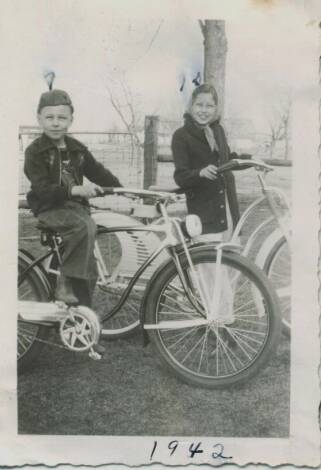
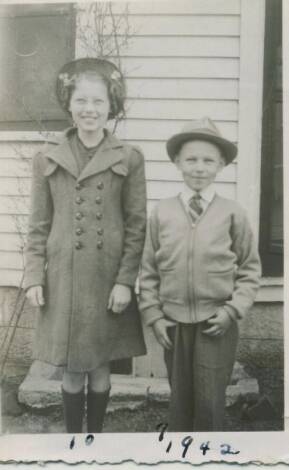
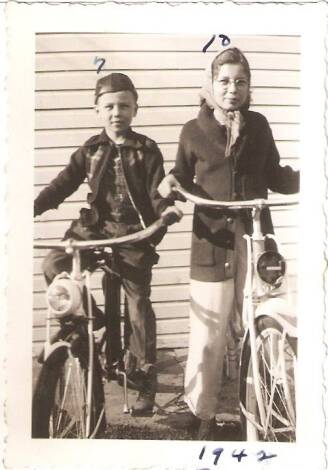
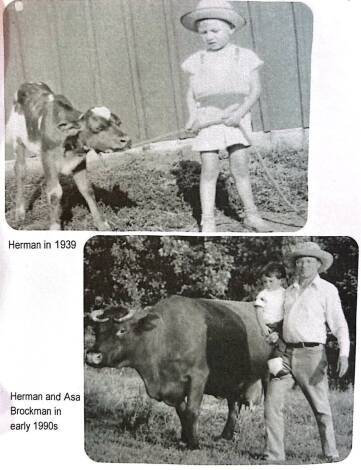
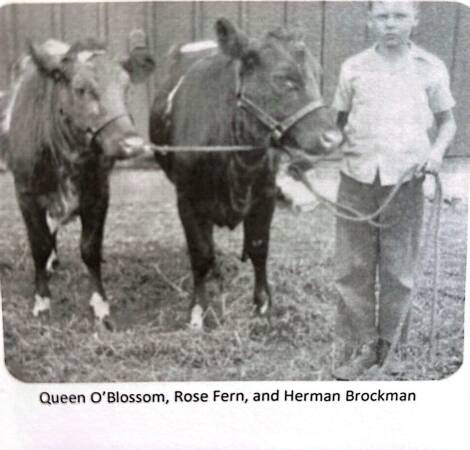
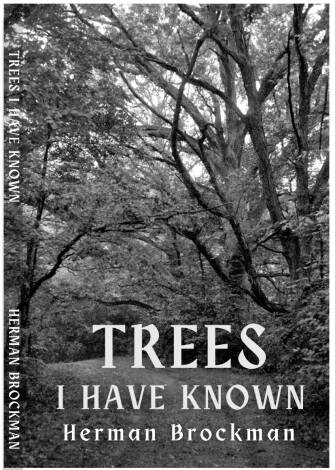
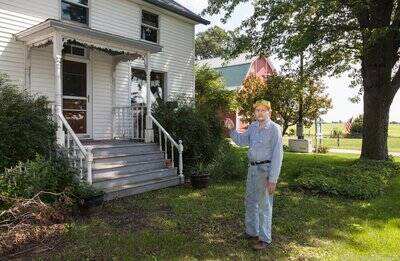
Herman was born to Fred and Henrietta (Zeedyk) Brockman on December 5, 1934 on the family farm in Danforth, IL, in the same room that his father Fred had been born. As he wrote in his preface to Trees I Have Known, “I loved being a farm boy and helping Dad in all the farm activities I could do at any given age. And I loved learning from Mother to notice and love the natural world." Herman helped his father with farm chores from an early age, including milking cows by hand. Later, as part of the local 4-H Club, and then in high school FFA (Future Farmers of America), he continued his love of animal husbandry and farming.
Herman was a lifelong lover of books and learning. His first 6 years of education were in a one-room school house with a single teacher for all 8 grades. That teacher, Florence Goldenstein, recognized Herman’s love of the natural world through the books he chose to read from the traveling book-mobile. At Gilman High School, Herman’s English teacher Miss Mary Cosner, an alumna of Blackburn College, encouraged him to attend that small liberal arts college in Carlinville, IL.
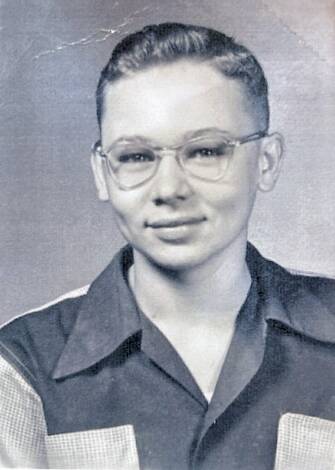
Soon after beginning classes at Blackburn in 1952, Herman’s life path detoured both professionally, from nature and the farm to academia, and personally, from bachelor to family man. It was at Blackburn that Herman met Marlene, thanks to the alphabetical seating arrangement dictated by their anatomy lab teacher. Herman Brockman sat next to Marlene Castiglia, and the rest, as they say, is history.
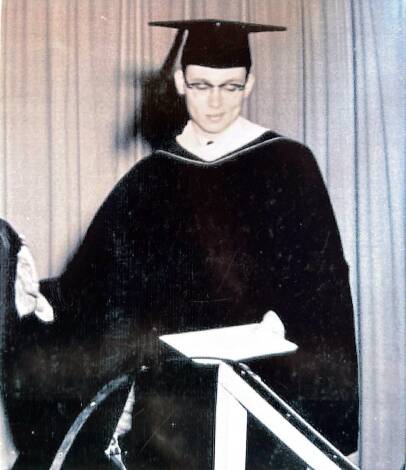
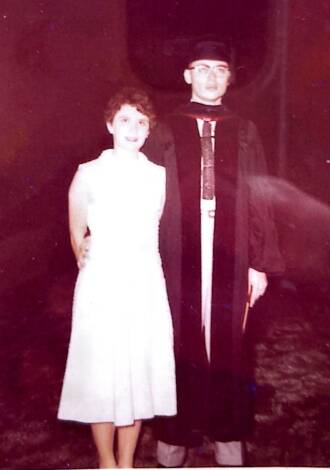
In 1956, Herman received his B.A. from Blackburn, and that same year he
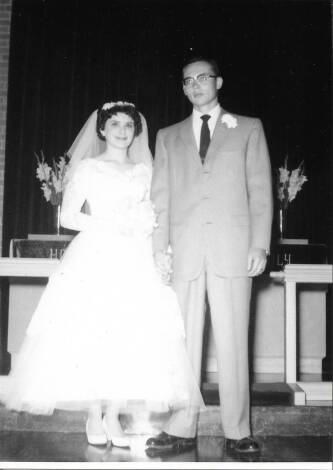
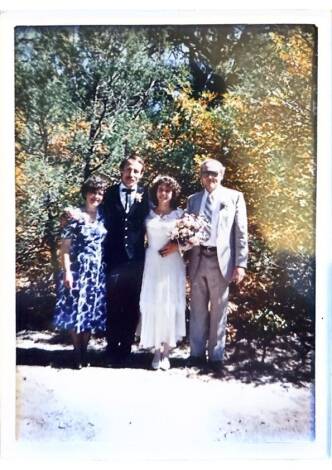
and Marlene were married on September 15, 1956. He earned his M.S. from Northwestern University in 1957, and his Ph.D. from Florida State University in 1960. He was then was awarded a 3-year post doctoral research fellowship in the Biology Division at Oak Ridge National Laboratory in Tennessee.
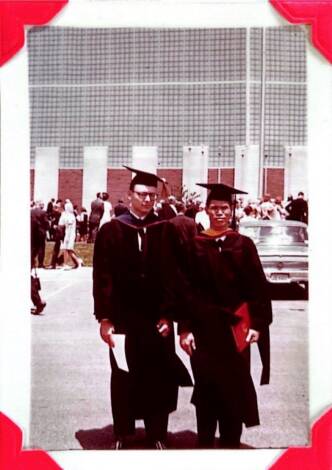
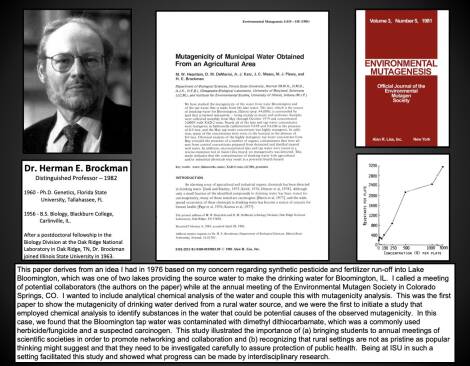
In 1963, Herman joined the faculty of the Department of Biological Sciences at Illinois State University. He taught courses mainly in General and Molecular Genetics, and directed research for 13 Ph.D., 22 Master’s, and numerous undergraduate students. His research emphasized mutagenesis and antimutagenesis, and was supported by many Federal Agencies. He retired in 1998 as Distinguished Professor and Professor of Genetics Emeritus. Major awards and honors Herman earned over his professional life include:
• Future Farmers of America Star State Farmer (Section 10), 1951
• Arts and Sciences Lecture Award at I.S.U., 1974
• Environmental Mutagenesis Recognition Award from the Environmental Mutagen Society, 1982
• Illinois State University Distinguished Professor, 1982
• Distinguished Alumni Award from Blackburn College, 1991
• Distinguished College Teacher Award - Sciences Division, at I.S.U., 1994
• College of Arts and Sciences College Research Award - Sciences, at I.S.U., 1996
• Outstanding University Teacher Award from I.S.U., 1998
• Illinois State University College of Arts and Sciences Hall of Fame, 2009
• Blackburn College Wall of Honor, 2016
After starting his career at Illinois State in 1963 and living close to the university for a few years, Herman and Marlene began thinking about moving to the countryside so their children could experience a rural life similar to what Herman had in his youth. They finally purchased a parcel in Woodford County with wooded hills and ravines, along with a rich bottomland along Walnut Creek.

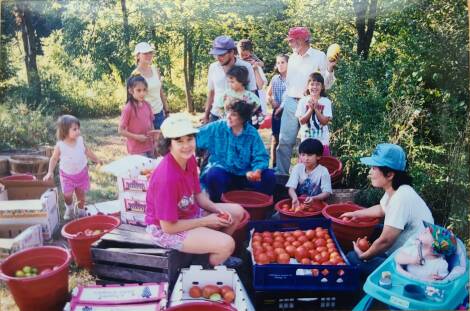
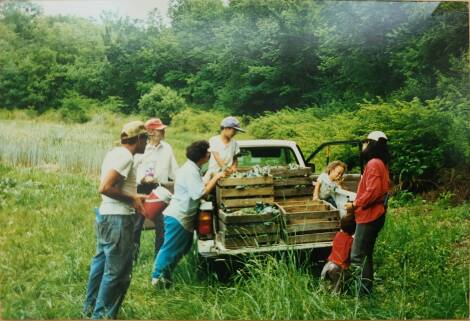
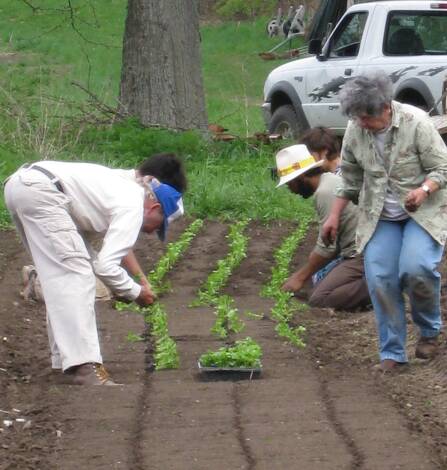
In the early 1970s the family moved to "The Land," and began building the house they had designed. It was based on traditional Midwestern chicken coops with clerestory windows to allow heat to rise and escape in the summer months. That house and the land it was built upon turned out to be the perfect place not only to plant fruit trees and a vegetable garden and to rear children and raise farm animals, but also for Herman to live out his nearly 30 years of retirement and rekindle his childhood love of nature and farming.
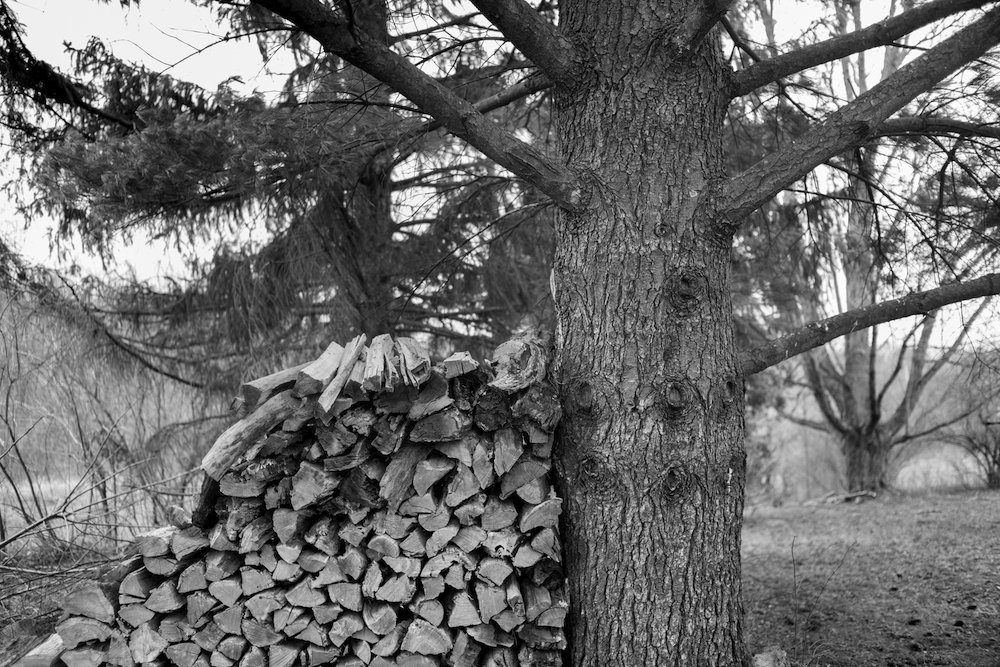
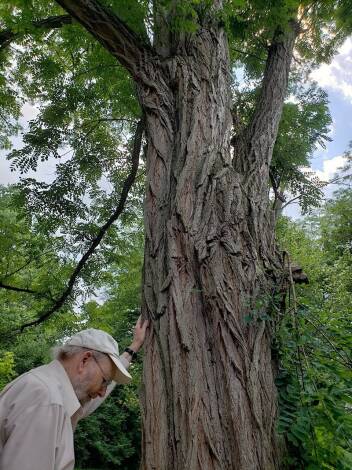
Over the first decades of his retirement, Herman wrote personal essays (along with many letters to the editor of The Pantagraph and Farm Week), and eventually collected his “tree essays” into Trees I Have Known. Herman wrote in his preface that “each essay was written because I had time, and because the spirit moved me. In fact, each essay came into being because a particular tree picked me to write about it. I hope the spirit of each tree comes through to you as you read these essays.”
This collection also serves as an informal autobiography, and we offer it here if you would like a copy.
After Herman was diagnosed with pancreatic cancer in 2007 and survived the Whipple surgical procedure, his wife Marlene nursed him back to health, and the fresh farm eggs and natural surroundings aided the process. After losing his sight in 2019, Herman became wholly dependent upon Marlene, and she cared for him each and every moment of every day throughout his physical decline. Even through his last days, she did not leave his side, moving the small couch alongside the large couch where he lay so she could continue to hold his hand night and day until his last breath.
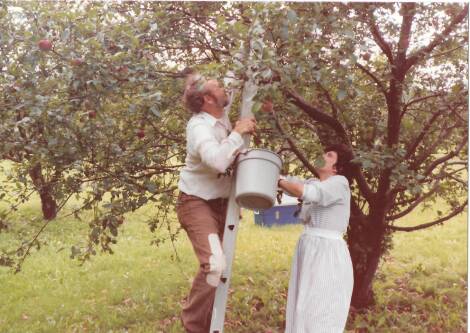
We invite you to mark your calendar for August 30, and join us for the Herman Brockman Memorial Tree Walk. After the walk, we will visit Herman’s grave in the old fruit orchard he planted near the house, and share food and stories. This will be a casual event, so feel free to come and go throughout the day as your schedule permits. Please RSVP below if you would like to receive updates and details about the event.
Because of Herman’s love of learning, and of the natural world, particularly trees, his family asks that memorial donations be made to the Herman E. Brockman Fund at Illinois State University (contact the ISU Foundation at 309-438-3135), or to the Aldo Leopold Foundation or the Arbor Day Foundation. You may also make a donation in Herman's name to an environmental or social justice organization of your choice.
A Tribute to Herman by David Demarini
Remembering the Magic . . .
Interviews with Herman
ISU Oral History
EIU Interview
Herman Brockman Memorial Tree Walk
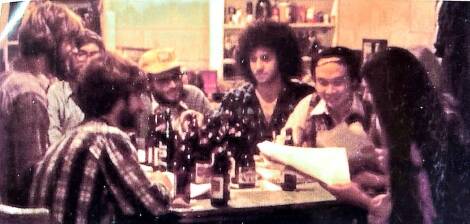
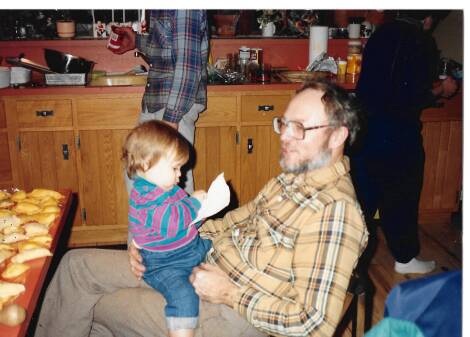
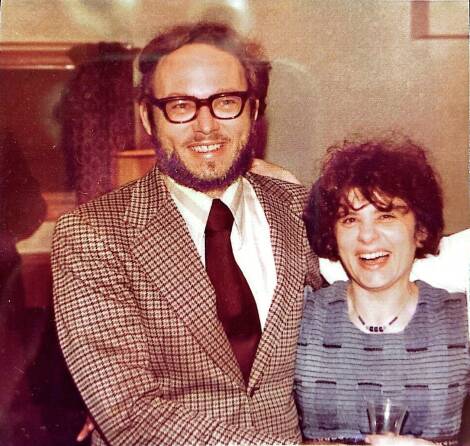
 In lieu of a visitation and funeral, we invite you to share your photos and memories in the Memory Wall section of this website.
We also invite you to mark your calendar for August 30, and join us for the Herman Brockman Memorial Tree Walk – see details in the "Gathering" section below. (Please note that clicking the RSVP button and adding your email allows us to send you updates about the Tree Walk, but does not obligate you to attend.)
In lieu of a visitation and funeral, we invite you to share your photos and memories in the Memory Wall section of this website.
We also invite you to mark your calendar for August 30, and join us for the Herman Brockman Memorial Tree Walk – see details in the "Gathering" section below. (Please note that clicking the RSVP button and adding your email allows us to send you updates about the Tree Walk, but does not obligate you to attend.)
Whether you are able to attend the gathering or not, Marlene would love to hear from you. She will see any Memory Wall posts on this site, or please send a card or letter to her at 1554 County Road 400 North, Congerville, IL 61729 if you are so moved. She can also access emails sent to herman.brockman@gmail.com. Thank you!
Gallery
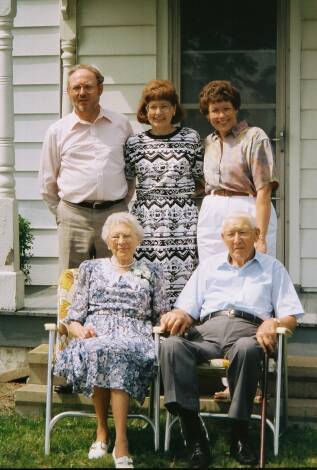
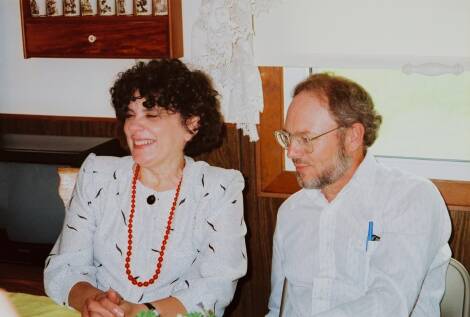
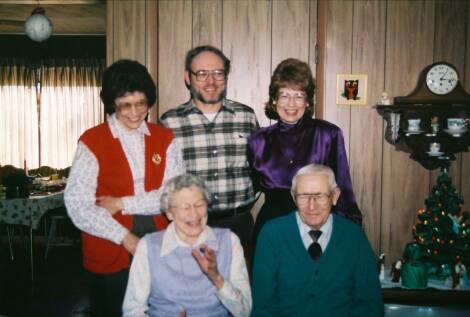
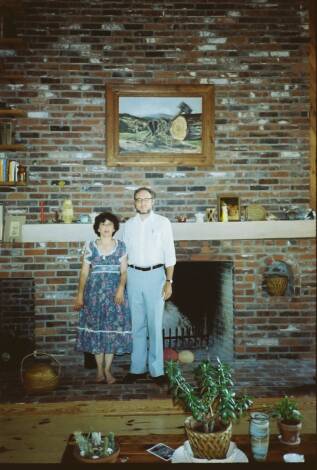
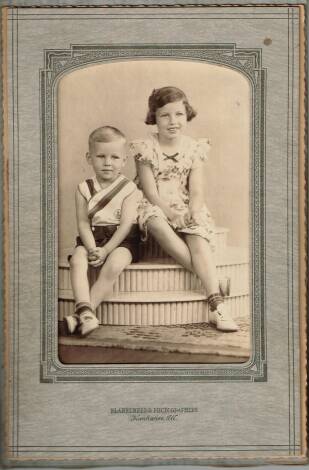
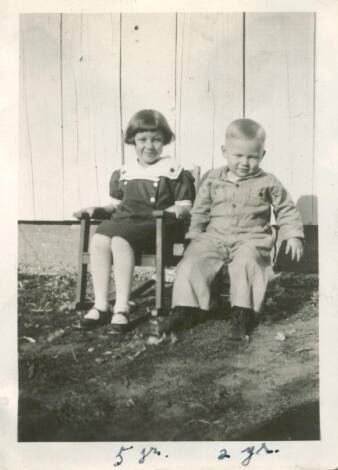
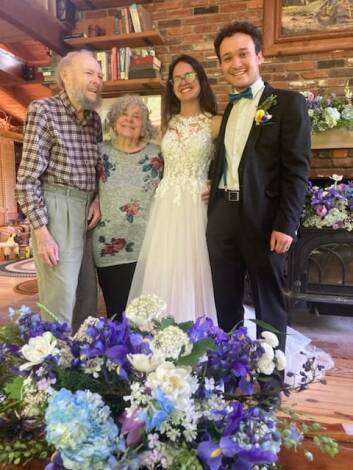
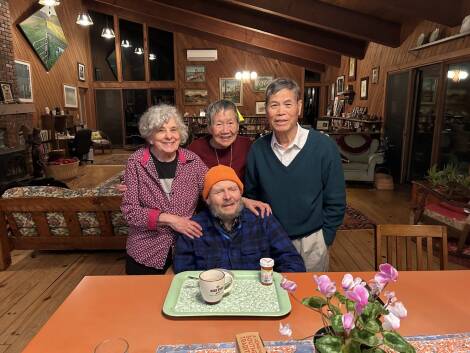
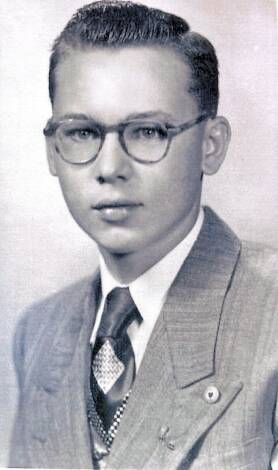
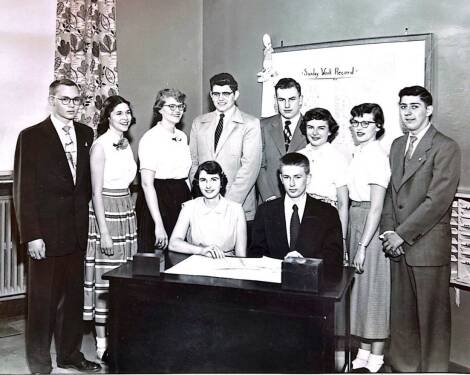
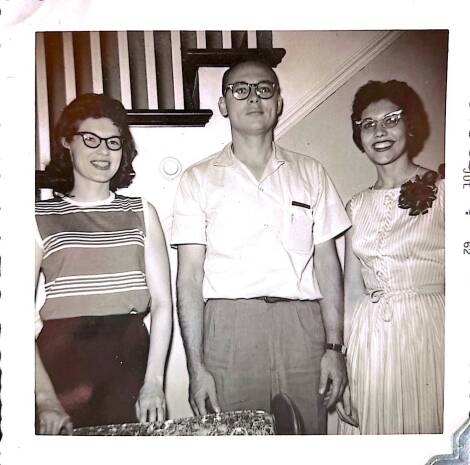
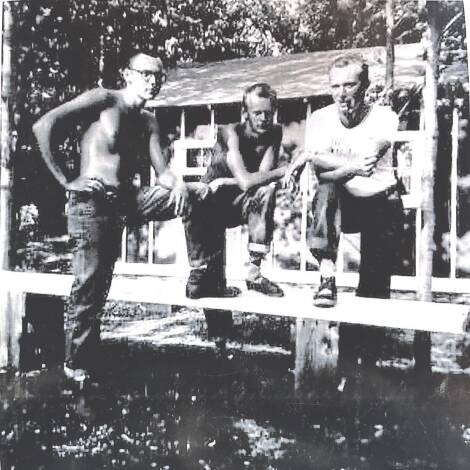
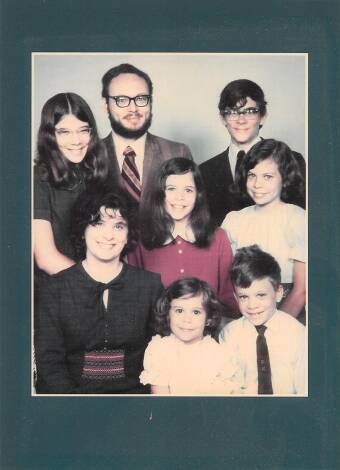
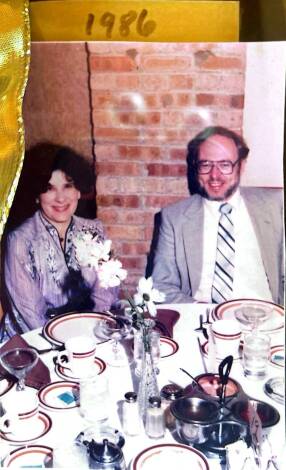
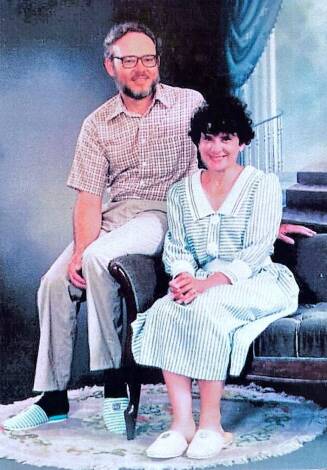
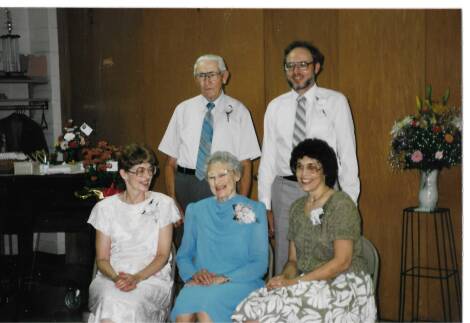
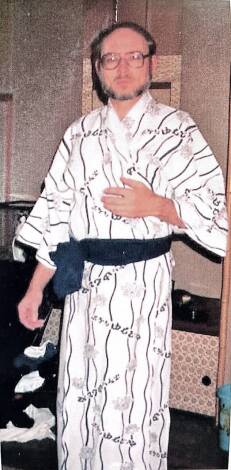
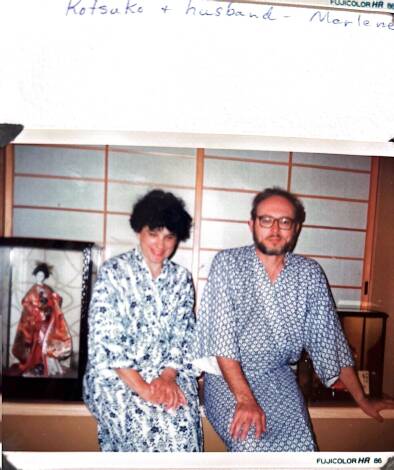
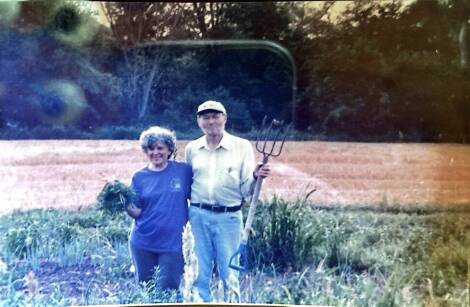
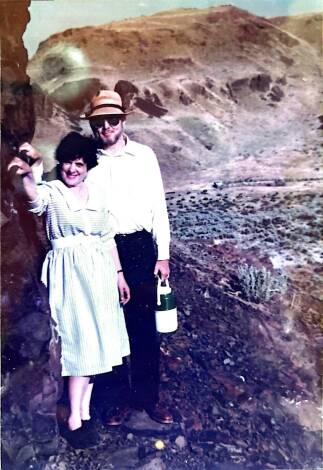
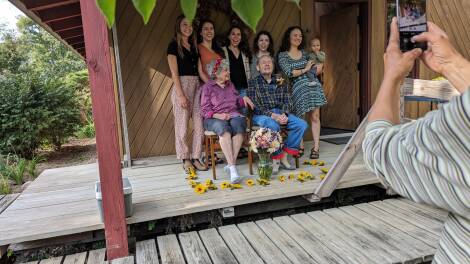
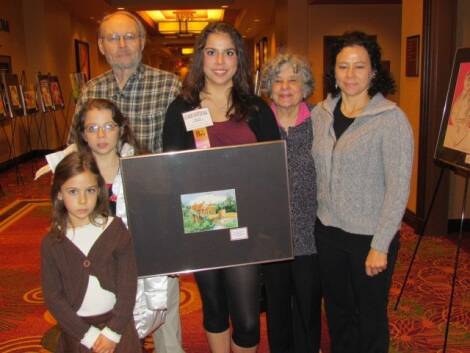
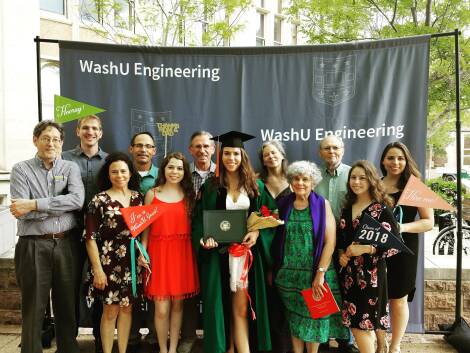
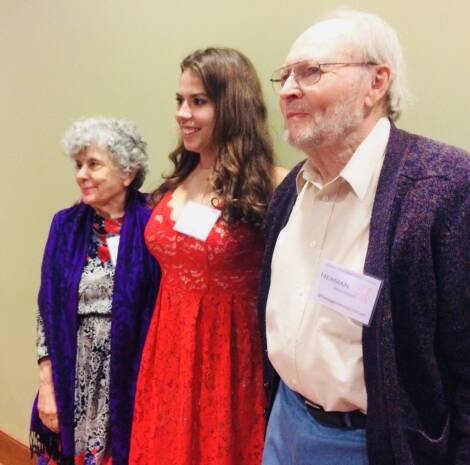
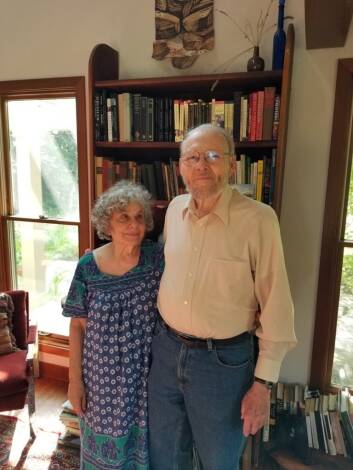
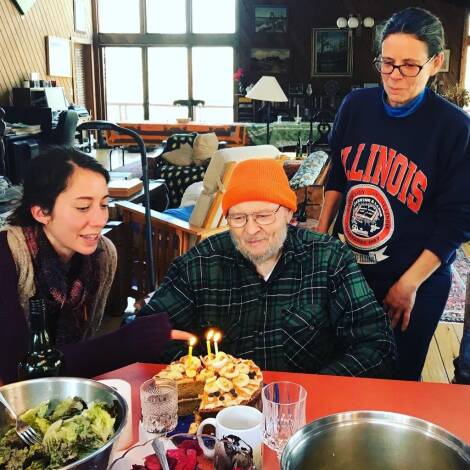
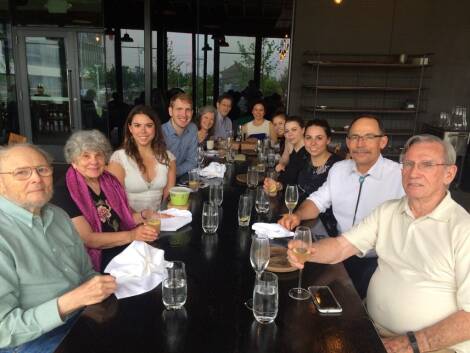
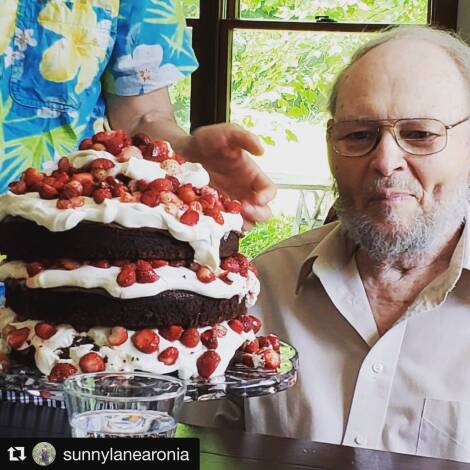
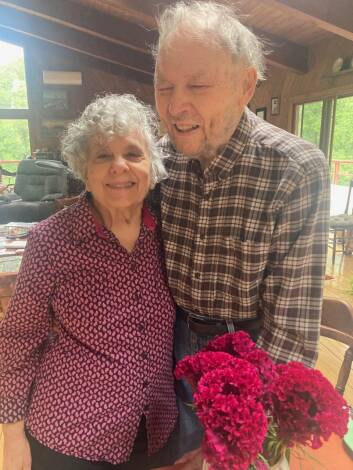
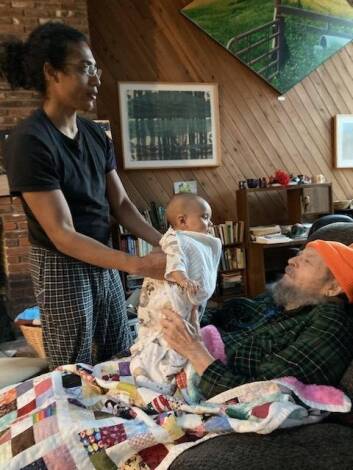
Memory wall
He was never too busy for a conversation and genuinely wanted to know about your life!
My deepest sympathies to Marlene and his family!
Mike and Liz
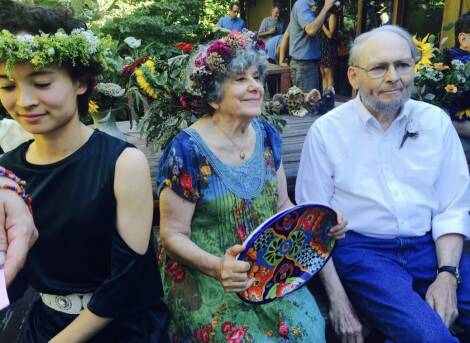
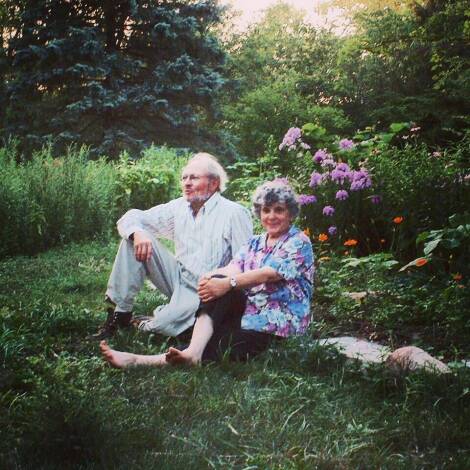
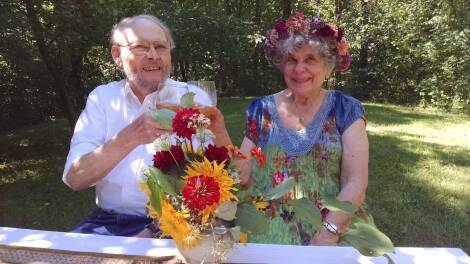
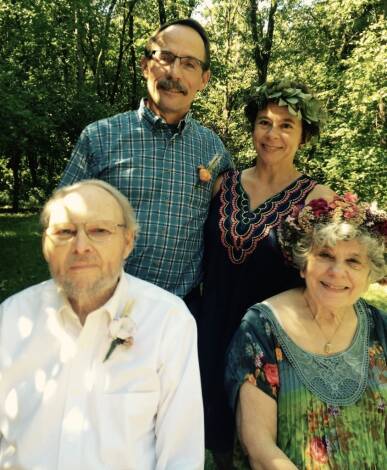
I recall so fondly a set of photos of Herman & Marlene's wedding anniversary when Kira designed beautiful floral crowns for the celebration. Terra shared those images at an exhibit at Peoria Public Library where the theme was "Seeking Light/ Shedding Light" and visitors were asked to post a quote or image that represented the theme. Herman did both: seek Light, and shed Light. And the fruit of seeking that radiance is evident in the extended Brockman family who've shared so many gifts with the larger community. Deepest Sympathies for your Loss. And Wishes for a Grand Celebration of a Life Well Lived.
When I returned to school in my late fifties to study environmental health, I took an entry-level course in biology. When the subject of the "Green Revolution" came up, and subsequently GMOs, the professor presented the topics as if it were a given that industrial ag is the answer to food production. I looked around at our class of a few hundred students, realizing that without any push-back of any kind, they would all simply agree. But I was at a loss for words, and decided to turn to Herman for help. I knew his credentials would carry weight. He agreed to spend time with me, and I visited him that weekend to conduct an interview. On the following Monday I was able to send a detailed write-up of the interview to the entire class.
"The Green Revolution was a technological fix that yes, saved a lot of people’s lives," he had told me, "but has not proven to be a sustainable solution to world malnutrition, hunger, and starvation. Unintended, but predictable consequences of the Green Revolution include depleted soils, declining surface and subsurface water, lost crop diversity, poisoned ecosystems, farmers indebted by the high costs of external inputs, increased rural-to-urban migration, deforestation, and increased CO2 production from the increased use of fossil fuels."
I was nervous about the response I would get from my professor, but to my surprise, he appreciated it and made the write-up required reading for everyone in the class (there was even a question about it on our next exam). He also carried it forward into the following semester, where he included the write-up as a required discussion topic for those students, as well. Importantly, he himself liked the points Herman had made, and I suspect he adapted future lectures to include those points in his presentation.
I was so grateful that Herman had been willing to drop what he was doing so that he could patiently provide his point of view for the benefit of hundreds of students, who otherwise would have only received one side of the story. Who knows how many minds were opened through that effort. The Brockman family sows not only seeds of the biological type, but also seeds of knowledge.
I remember Herman Brockman with respect, and awe. I am grateful that the Brockman family carries on his legacy, and what that has meant to my own life and health.
By Dr Brian J. Wilkinson, Emeritus, Research, and Former Distinguished Professor of Microbiology
Dr Herman E. Brockman, Distinguished Professor of Genetics and faculty member in the School of Biological Sciences from 1963 to 1998, passed away on April 8th, 2025, at the age of 90. Information on various aspects of his multifaceted life, professional recognitions, and extensive family can be found here and here.
The current School of Biological Sciences traces its origin to 1958 when Dr. R. Omar Rilett came to interview for the position of Head of the Department at Illinois State Normal University, a position that he assumed later that year. ISNU was established in 1857, and It was the only Normal School in the nation to be called a university. A Normal School trains teachers in the norms of pedagogy and curriculum. For a hundred years or so, ISNU operated as a Normal School and then a State Teachers College. However, by the conclusion of World War II, it became clear that the members of the Greatest Generation funded by the G.I. bill, and their Baby Boomer offspring, would need multi-purpose universities from which to obtain their education. The often-acrimonious transition in the mission of ISNU from a “single purpose university” (surely a blaringly obvious internal contradiction), i.e., the training of teachers, to a multi-purpose university occurred from 1946 to its symbolic conclusion in 1964 with the change of the name of the institution to Illinois State University.
When Rilett interviewed at ISNU in 1958, he found the Department of Biological Sciences to be in a parlous state. He was shocked to find a “Please do not erase” sign dated 1932 on an evolutionary tree of the plant kingdom on a blackboard in one of the classrooms. However, Rilett was clearly a man of great energy and vision, such that, staggeringly, by 1962, with the help of his faculty, new MS and PhD degree programs had been proposed and approved, although not without some misgivings.
Enter Dr. Herman E. Brockman. Herman graduated from Blackburn College in Carlinville, Illinois with a bachelor’s degree in biology, and one Marlene Castiglia who would become his wife of almost seventy years. Marlene “made it all work” according to Herman. Herman obtained his MS and PhD degrees with concentrations in genetics from Northwestern University and Florida State University respectively. After three years of postdoctoral training at Oak Ridge National Laboratory, in 1963, at the age of 28, he was appointed as an Associate Professor of Genetics at ISU. A 28-year-old Associate Professor is unheard of today as aspiring academicians labor through endless years of postdoctoral fellowships. Clearly, Rilett had great expectations of his new hire, and Herman did indeed train several of the early PhDs in the department’s history. Amazing to think of nowadays, but Watson and Crick had only described the structure of DNA in their landmark paper in 1953 in Nature, a mere 10 years before Herman's appointment at ISU. This initiated the heroic golden age of molecular biology for which Herman was a strong advocate and supporter, and soon extended to related disciplines, including cell biology, biochemistry, and, importantly for me, microbiology. Thanks for the career opportunity Herman! I like to think that HB thought I made good.
The responsibilities of a faculty member in the modern university are teaching, research, and service. Herman acted as a beacon and model for all these activities. Herman’s main classes were a course in general genetics, Genetics BSC 319 (later BSC 219), and a graduate course, BSC 419 Molecular Biology of the Gene. Whenever a student asked Dr. Brockman for a letter of recommendation, his inevitable touchstone was: “how did they do in 319?” And he had all his grade books from the beginning to refer to. On BSC 419, Dr. John E. Gustafson, Chair of Biochemistry and Molecular Biology at Oklahoma State University has the following to say: “Simply put, Dr Brockman was inspirational. His depth of knowledge, passion for the subject, and ability to connect past discoveries to present understanding made this the best class I took at ISU’’.
Herman's research was in the fields of mutagenesis and anti-mutagenesis. He published extensively, obtained multiple grants and contracts, and trained many doctoral, master's, and undergraduate students. He inspired a devoted cadre of acolytes in whom he generated great loyalty. Several of his students became leading lights in the Environmental Mutagenesis Society. A faculty member and one of Herman's chairs, Dr. H Tak Cheung, said this about him: “Over the many years I worked with him, I saw firsthand his dedication, his unwavering commitment, and his gift for inspiring everyone around him. “ To this I would add that he kept the parade of chairs post-Rilett on their toes, pointing out the i’s that needed dotting and t’s that needed crossing when conducting departmental business.
And what about Herman E. Brockman, the man? He had a legendary work ethic (facilitated by the cot he kept in his office for his noon farm-boy naps), which made a slacker such as myself want to sit down. This was just at ISU. After he left the university, he went home to his other jobs: the farm and raising six children. I always felt that Herman had something of the Church about him, although he was not a religious man. When he was dressed in his “Sunday Suit” for awards at some ISU ceremony, I thought that he had the look of a between-the-wars elder of a rural church. However, the blue jeans and checkered work shirt of the farm hand were his natural and comfortable skin. Despite his at times austere appearance and manner, he was possessed of a highly developed sense of humor. He would deliver piercingly insightful one-liners with a twinkle in his eyes.
When I interviewed for a job in the department in 1978 I, and many others before and since, found his presence to provide credibility and reassurance that we could pursue the kinds of careers in research, teaching, and service to which we aspired. There is a deep throughline from today’s iteration of the School of Biological Sciences at Illinois State University to Dr Herman E. Brockman, to whom we are forever indebted.
My sympathies to you on your loss.
I look forward to the tree walk at the end of August.
I received the saddest news of Dr.Herman E. Brockman passing from Ranjan while I was visiting my son and his family in Sydney, Australia. It was such shock news since we have not known he was sick. My family and I are deeply sorry on this great loss and would like to send our condolence to Marlene and the Brockman family. Our hearts are with you on this difficult time . May he rest in peace.
Dr.Brockman was a dedicated professor taking care tirelessly of his students. He was so kind and helpful. He would be there any time we need his help. At the very end of my Ph.d. Study under his supervision and working on writing my dissertation and we went trough my draft so many times. I might show him that I was tired. So he looked at me and kindly told me “ do not feel so bad on correcting your writing many times be cause I also corrected my own manuscript many times before sending it out too. This conversation really kept me going.
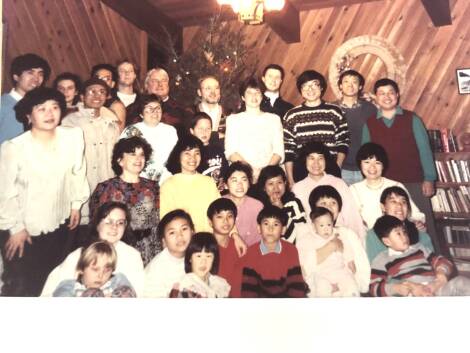
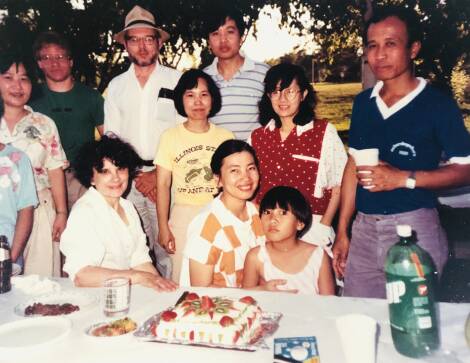
The fondest memories I have except the ones we had in the laboratories were the times my family and I were invited to his house during Christmas holidays. My two children , Nan and Nat, my husband Sawarng and I enjoyed the Christmas parties at his house very much with the sweet and warm welcome from Marlene and all Dr. Brockman’s children. We remember so well how good the food was especially the pizzas! We did not miss any Christmas party at his house every year if we were at Normal.
Another time that I would very appreciate the kindness of Marlene and Dr.Brockman was the time we had to move from our old apartment at Cardinal Court to the new one because it was under renovation. Dr.Brockman drove his truck with Marlene from his house to help us moving our stuff. I remembered so well that we also celebrated his birthday that day too. His kindness and care for me and my family will be remembered always.
I cannot remember the exact year that we went to his hose again for the Christmas party and he took us, my family and other students to see the animals at his barn, he said that he had two families, the biological family and the academic family. I feel so fortunate and proud to be part of his academic family. The love, the kindness , the care and dedication for his students of Dr. Herman E. Brockman will be in my heart forever. May his soul rest in peace.
KANUNGNIT PUPATWIBUL AND FAMILY
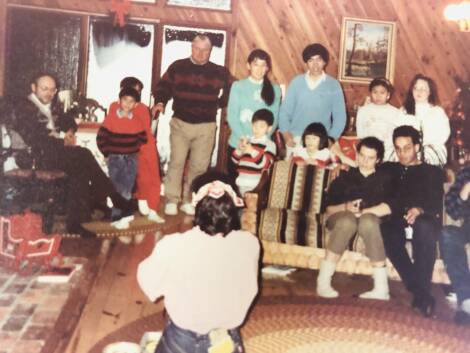
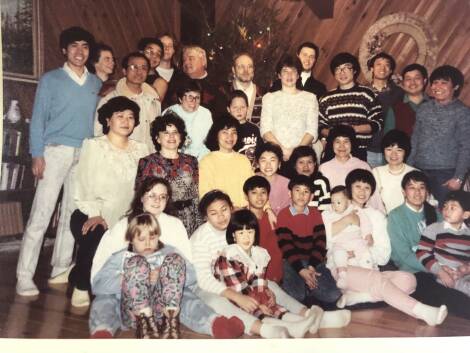
Dr. Brockman was a master of the science literature that he taught and he inspired every student in his classroom from his science pulpit. He was able to make anyone as thrilled as he was about the content he was covering and you could often see a tear of excitement in his eye as he bellowed his lectures into our heads. Never again would I see such delight and passion in the classroom, and I never even came close to mastering his teaching style, but how could I, there is only one Dr. Herman E. Brockman.
I was honored to be the 26th ISU biology alum to give an invited lecture in the, "Brockman Alumni Seminar Series in Genetics", and was overwhelmed to see that Dr. Brockman was in the audience to watch me speak and then ask me questions that cut to the foundation of my seminar material. The remembrance plaque of this event is proudly displayed on my office wall to this day for everyone to see.
I should mention that I have helped hire faculty that bring a "Brockman style" to their coursework and since I was taught by Dr. Brockman, I know to support and celebrate the teaching brilliance of these faculty.
Again, job well done my friend, your efforts remain within many of us who were moved by your unadulterated passion in your church of science - you made a positive difference in the lives of many and your legacy remains.
Hip hip hooray! and a hearty cheers! to Dr. Herman E. Brockman!!!!
There once was a tree planted on the prairie, It’s roots grew strong and deep.
As a sapling it was transplanted near another young tree and together, they grew and formed a great syncronicity of their roots. Over many years, seeds fell to the ground and a small forest had begun.
As the years past, many new seedlings were formed and as those seedings grew, they were transplanted and provided nourishment. Nourishment of spirit,of thought, of knowledge, of compassion, along with love for mankind and the land.
We celebrate the tree that started it’s life on the prairie so many years ago. While there will be no more foliage or fruit from that particular tree, the legacy of that tree will continue on for generations to come as those that it nurtured share its bounty.
Paradise Outcast
There once was a tree planted on the prairie, It’s roots grew strong and deep.
As a sapling it was transplanted near another young tree and together, they grew and formed a great syncronicity of their roots. Over many years, seeds fell to the ground and a small forest had begun.
As the years past, many new seedlings were formed and as those seedings grew, they were transplanted and provided nourishment. Nourishment of spirit,of thought, of knowledge, of compassion, along with love for mankind and the land.
We celebrate the tree that started it’s life on the prairie so many years ago. While there will be no more foliage or fruit from that particular tree, the legacy of that tree will continue on for generations to come as those that it nurtured share its bounty.
Paradise Outcast
These remarkable traits were on full display the first time I encountered him, which was in his undergraduate genetics course during my last semester of my senior year at ISU in the spring of 1972. After the first lecture, I was smitten with him as a teacher and scholar (he had provided a detailed outline of his lecture, something I had never experienced) and with genetics as a topic of great interest.
Countless students experienced the same thing, including two of my brothers, Tom and Doug, making the three of us the only siblings that Herman taught during his entire 35-year career at ISU. Doug even worked in Herman’s lab during his senior year, making us the only siblings to have done research with Herman. Doug went on to get a PhD in molecular biology from the U of Wisconsin, and Tom obtained an MD degree from Northwestern U. We were all influenced by Herman.
Herman was kind enough to accept me for a master’s project, but ISU did not permit students to obtain all three degrees from the university at that time. While working at the USDA lab in Peoria, I joined Herman and his students to attend the annual meeting of the Environmental Mutagen Society in Atlanta, GA in 1976. While there, I drunkenly fell off of a bar stool, and while looking down at me on the floor, Herman first expressed concern for my welfare but then quickly asked if I would return for the PhD, noting that he would ask permission from the department and university administration. He made that happen, enabling me to continue working with him and doing my passion, genetic toxicology, launching me into a professional life I couldn’t have imagined possible. I will always be grateful to Herman for making such an extraordinary effort to bring me back to his lab.
Over the ensuing 45 years, Herman remained a valued mentor and friend, and his wise and kind counsel over the decades helped me navigate the challenges of a career in federal research laboratories. I will miss friendship and almost magical presence in my life.
All of this reminds me of the famous line by Federico Fellini, the Italian movie director, who was from my grandparent’s hometown of Rimini. He noted that life consisted of two things: pasta and magic. My grandmother taught me how to make pasta, which I still do. But being welcomed into Herman’s orbit brought magic into my life. Thank you, Herman, for the magic.
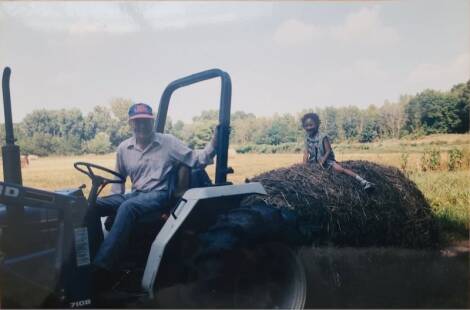
In what I believe was my 1st or 2nd week in the field Henry tells us we have to go unload a hey rack so we all jump in the truck & head to the barn. As we're there here comes Herman driving the tractor & pulls in. As i'm paying attention to Henry explaining how/what we're going to do I am also watching Herman get off the tractor & start climbing up on the very top of the hey rack & i'm thinking "Holy s--t, should he be doing that?". Then i instantly say to myself- you better step up to this because a guy probably twice your age is chucking hey bails like he's 30!
In the early years of working when people in town would ask me about the farm I would tell them several things including that Herman a Genetics scientist now digging potatoes was my favorite person to work with. We would go off to do something then I could just ask him a question & shut up, work, and Listen. It seems like he knew everything or was trying to figure it out.
The last 5 years of being a Farmhand I got to live in the basement of Herman & Marlene's home & compared to the trailer it was Glorious! Coming in to eat lunch or at the end of a 90 degree day & stepping into a cool basement felt like luxury. In grade school I wanted to be an architect & at 35 there I was living in a gorgeous, practical home designed by the owners, with cows, dogs, & an orchard surrounded by woods, incredible. My 'rent' was being able to help H & M with anything they needed as I always loved to do whether it was shoveling cow manure out the stall or shoveling one of Marlene's deserts in my mouth.. The big bonus was being allowed to checkout the 20+-30 magazines they subscribed to, even science ones that were way over my head, just don't get them out of order!
I was in my early teens when Nike's Just Do It campaign took over the culture. Jordan, Bo Jackson, elite athletes doing super human things & you should get out there & just do it to. When I think about what i've learned on/from the farm, from Herman & the entire farm family it's a giant list. What i always saw with Herman (& really everyone there) is- This is where we are, this is what needs done, this is how it needs done so, We just do it. It's simple, it's hard, it's easy, it's beautiful. It's not a campaign, it's a way of life.
When I think of Herman I think of so many wonderful things including just the simple example of living a good quality loving life. He was a pure joy to be around.
Dr. B was a unique individual with the down-to-earth perspective of an all-American farmer combined with the scholarship of a true academician. Above all, he was a wonderful human being. As his PhD student, I learned many things from him – the most important being to “read and read extensively.” He also taught me to write, particularly in an American way (while I was still shedding my old English style, coming from India). Both these skills paid off immensely, later in my career. I can still hear him talking about dangling infinitives and freight-train sentences. As I reminisce, the flood gates open but in this limited space, I will only be able to mention a few. One of my earliest recollections is when I first started working in his lab. I was sitting at one designated corner when he came up to me with a goose-neck lamp and plugged it in for me. He didn’t want me to be working in the dark. To me, this was a touching moment to think that a professor would care enough to look into such minute details for the wellbeing of each student. Another aspect of his character was that nothing seemed to surprise him (as he mentioned to me once). He accepted people as they were and while he could be critical of someone’s work, from a scientific point of view, he knew how to remain mostly non-judgmental about the person. I guess, this is what is meant by “hate the sin but not the sinner.” He taught me that every day was a new day and events from yesterday should not hold one back from renewing friendships the next day. As a PhD mentor, Dr. B gave me much freedom to explore new ideas, steer my research path and take challenges, even when they were not in his immediate field of expertise. This helped me collaborate with other faculty members in the Department and learn techniques that were not available in our lab. He was also most generous to insist that I publish my paper with solely my name on it, which is most unusual in scientific literature. His philosophy was that he was just there to guide me in research but that the credit for the work was mine and mine alone. Over the years, I saw so many students come to his office to seek advice. He appreciated all the foreign students in the Department, and they knew they could come to him when they needed his wisdom.
I can never forget the wonderful holiday gatherings at his house in Congerville, Il. Practically, every student I knew was there and we got to meet his family and Mrs. B,, who was the most gracious hostess with wonderful home cooking! Dr. B had a deep connection to his roots and an affection for “The Land.” Coming from a big city, it took me some time to understand his connection to the earth but today, after all these years, I have full appreciation for his love of nature, and I am a convert. I remember him telling us the story of how there was a time when a squirrel could travel for miles along the East Coast jumping from one white pine to another, until they were mostly cut down to build ship masts. Another fond memory was when Dr. B brought his goose and hen eggs each summer to incubate in the lab. We (students) saw them hatch and the birds grow in the lab from fuzzy little fledglings with down feathers to a stage when they were about to hop out of the cardboard boxes that served as their nursery. The goslings always seemed to grow faster than the chickens and we were always sad to see them go to the farm.
While he was not wedded to religion, he had a respect for tradition and a spiritual man in a humanist kind of way. His spirituality was intertwined with his love of nature and his compassion for fellow human beings.
He will be dearly missed but this is a time when I wish to celebrate his life, and what a well-lived life it was!
Herman,
As mentioned in one of the other postings you loved grammar so I’ll try not to mangle my thoughts here.
Though I did not come from a science background, I never felt like an outsider around Herman. Even though I was a city kid, even though I was picking carrots because I thought they were the weeds, I was never admonished. You welcomed me to your table, introducing me to the concept of fresh asparagus (among many other seasonal delights Marlene might be preparing that day).
Memories…..
Stoking the wood stove in the middle of freezing winter nights, gingerly stepping around us, sleeping bags huddled, careful not to disturb us.
Then, for Crissake!.. you’d step out to the barn, upper pasture, making rounds….BEFORE!……..you went to the University to teach.
I remember one night, a lightening strike, and a huge “crack!” and Herman stepping out at an ungodly hour to check on one of those trees he knew so well,…….and I’m sure that tree knew him too. Had to say goodbye.
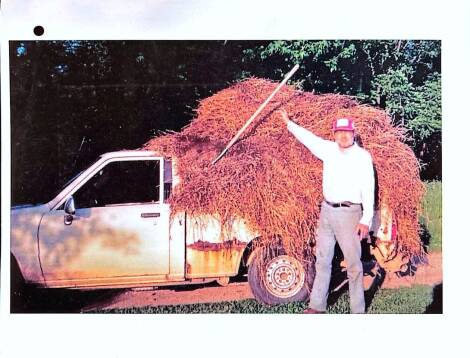
Herman, I never knew anyone who got that kind of mileage out of a Datsun pickup, you should been in commercials!
Thank you Herman for introducing me to Gould, Crick, Watson, Eiseley, Carson, Morris, Dawkins…and more I can’t possibly recount.
Thank you for awareness so our relationship to the planet and all of it!
Thanks you Herman for being around when I was around.
Kevin Walsh
Dr. Brockman knew the ways to make his students attentive which made us all focus and interested in the class discussions. In addition to being an impressive teacher he was an exceedingly kind human being that everyone loved.
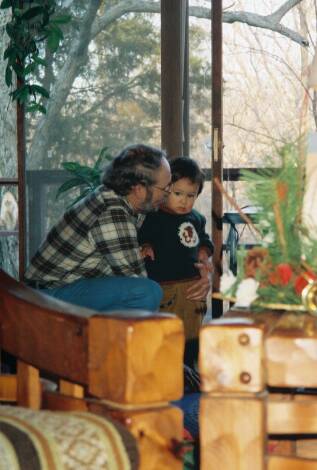
I remember stopping by his office to ask him questions on many occasions. He was always excited to have a discussion with a student or colleague. I also remember a pile of yogurt cups in the back of his office that he collected to recycle since he had a yogurt for dessert every day. He also took a short nap every day after lunch, so we all knew his schedule and not to disturb him during his nap time. End of the semester, he invited students from our class for an end of the semester gathering at his beautiful Log Cabin house. There was a large swing on the first floor, and we would just sit and talk and enjoy the company of all. He and Marlene showed us around the farm, and I know Dr. Brockman worked on the farm daily from 4 am until he came to ISU for work.
After I graduated and started working in the Chemistry department, I would see Dr. Brockman in the hallway occasionally. Since he was retired by then, he would come for the seminars in the biology department. We discussed topics including science, health, kids/grandkids, and organic farming. It was never boring to have a conversation with Dr. Brockman since he was so knowledgeable on anything and everything.
I am so grateful that Dr. Brockman and Marlene accepted my invitation and came to our house for lunch along with other retired faculty members few years ago. Their daughter Teresa drove them to our house. That was the last time I saw Dr. Brockman and I have great memories of that day, and I will cherish my great teacher for the rest of my life. He will be missed by all that crossed their paths with his. May his soul rest in peace!
With all our affection,
Valérie, Guillaume, Gabrielle, Loïc and Morgan.
More recently, Randy and I will forever cherish our New Year’s Eve celebrations with the Brockman’s. Herman kept the fire stoked to ensure we were all warm. He always seemed to have a book in hand or within reach. Randy especially has fond memories of the many discussions that he and Herman had about Aldo Leopold, Darwin, and Wendell Berry. Then to, we certainly would be remiss not to reflect on the joy and adventure of Wassailing the fruit trees in the dead of winter.
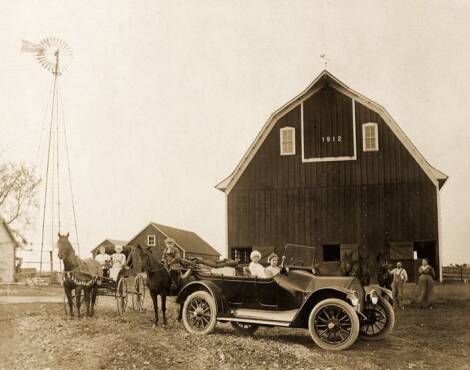
Another special time that we shared with the Brockman family was attending the centennial celebration at the Brockman farm. Herman was certainly in his glory. Although we have not been with Herman for some time now, we always took comfort that he and Marlene were close by as the crow flies. We have recently been rereading Herman’s writings, “Trees I Have Known”. Reading his eloquent prose is a reminder that Herman is still near by…and shall always be.
Family tree


Favorites
Animals (in particular, Milking Shorthorn cows)
Historical Figures: Charles Darwin, Gregor Mendel
Writers: Wendell Berry, Walt Kelly, Aldo Leopold, Robert Frost
Treats: chocolate ice cream, black cows (aka rootbeer floats), beer nuts, beer
Sand County Almanac, by Aldo Leopold.
Reading magazines and books of all sorts
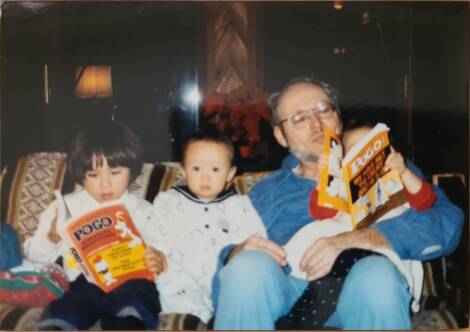
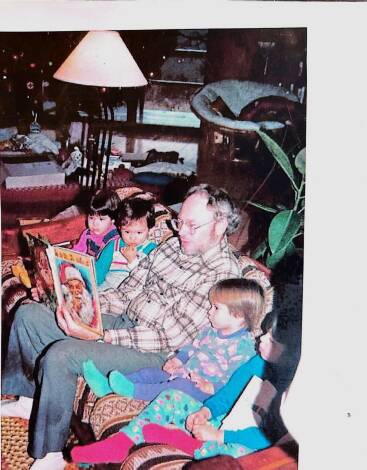
Reading books to children, particularly Pogo comics
Diagramming sentences and proper usage and grammar
Cutting firewood for the wood stove
Teaching and doing research at ISU
Organic Farming
Philanthropy
We have met the enemy and he is us.
You buy 'em books, and you buy 'em books.
The preponderance of the evidence is the best explanation for the phenomena you are observing.
Gathering
NOTE: Please do not pull into the lane at 1554 County Road 400N, but continue east and follow the signs to the parking area.
After the walk, we will visit Herman’s grave in the old fruit orchard he planted near the house, and share food and stories.
Here is an email we sent with details about the event: https://conta.cc/47LyboA


 Français
 Deutsch
 Nederlands
 Español
 Português
 Magyar
 Русский
 繁體中文
繁體中文