
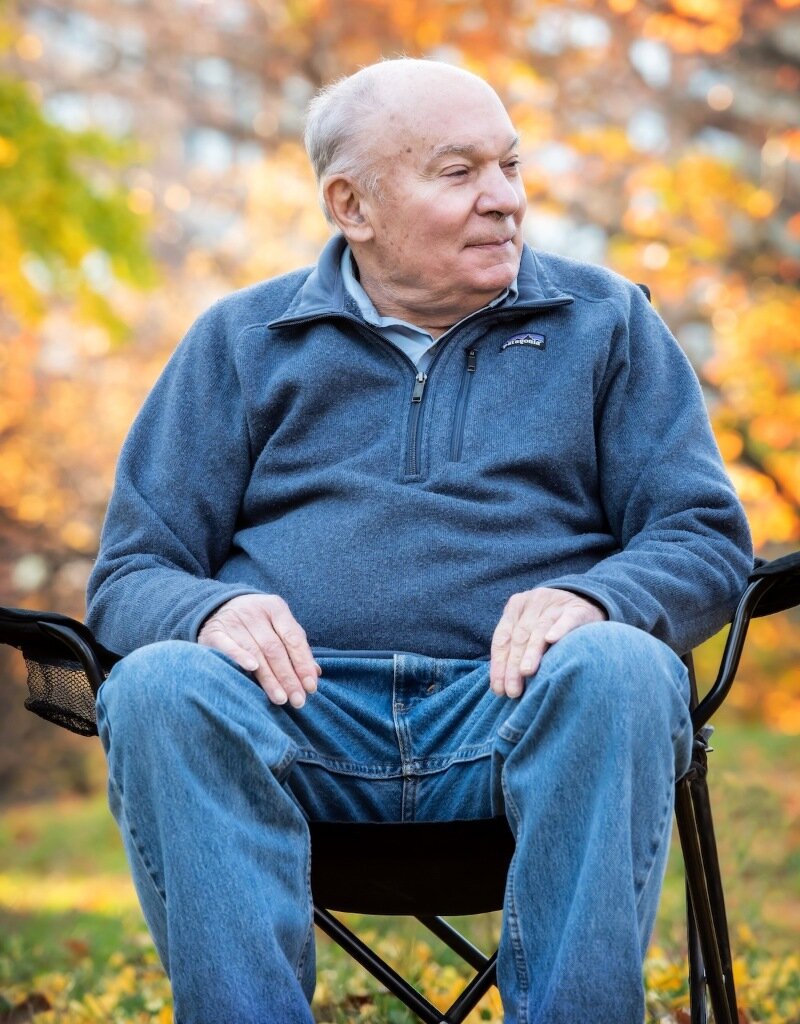
Renato Rosaldo
To live in hearts we leave behind is not to die.
Obituary
With deep sadness, we announce the passing of Renato, who was born on April 15th, 1941 and passed away on May 26th, 2026 in {location}.
Renato will be remembered for kindness, generosity, and the quiet ability to bring people together. Family, friends, neighbors, and colleagues all experienced the warmth and sincerity that made time spent with Renato meaningful.
Throughout life, Renato built lasting connections and touched many lives through simple acts of care, encouragement, and friendship. Conversations, shared moments, and everyday gestures created memories that will remain with those who had the privilege of knowing Renato.
Family meant a great deal to Renato, and relationships were always nurtured with patience and devotion. Friends valued loyalty and sincerity, while colleagues appreciated dedication and a thoughtful approach to work and collaboration.
The passing of Renato leaves a space that cannot be filled. Yet the memories, lessons, and moments shared will continue to live on in the hearts of those who were fortunate to know Renato.
Renato will be deeply missed and lovingly remembered.
Gallery
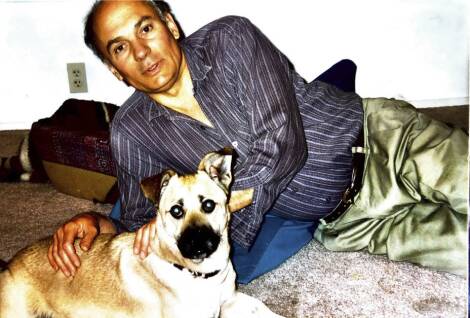
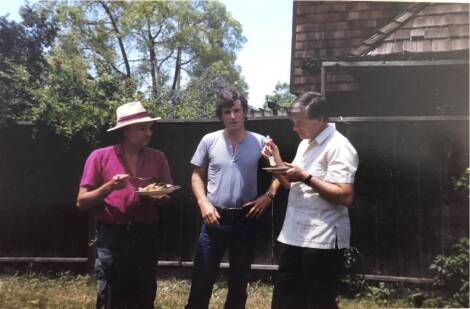
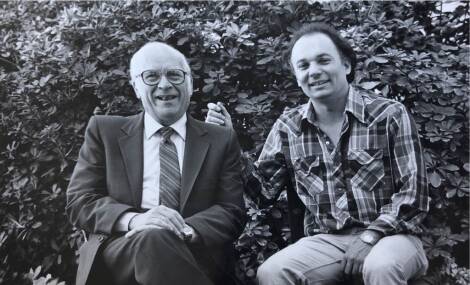
Memory wall
A memorial website can serve many purposes, but one important function is giving people a place to share stories. A short message can be meaningful, but sometimes a person may want to write several paragraphs about an experience they remember clearly. Someone might describe how they first met the person being remembered, something they learned from them, a funny moment they shared, or a small interaction that stayed with them many years later. This sample is deliberately longer so that the layout can be evaluated under those circumstances.
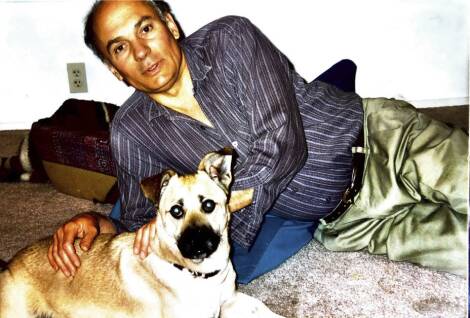
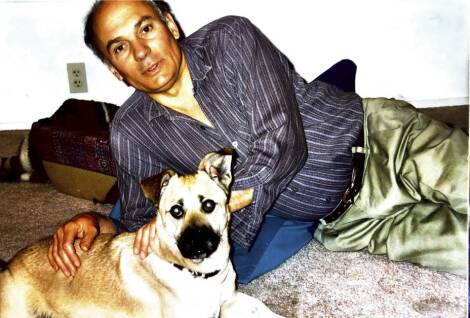
A memorial website can serve many purposes, but one important function is giving people a place to share stories. A short message can be meaningful, but sometimes a person may want to write several paragraphs about an experience they remember clearly. Someone might describe how they first met the person being remembered, something they learned from them, a funny moment they shared, or a small interaction that stayed with them many years later. This sample is deliberately longer so that the layout can be evaluated under those circumstances.
For this test, imagine that a visitor has decided to share a substantial memory. Perhaps they knew the person many years ago and want to provide enough context for readers who were not there. They might begin by explaining when and where they met, what was happening in their own life at the time, and what brought the two of them together. After establishing that background, they could tell the story itself. A good memorial platform should make this kind of contribution pleasant both to write and to read.
The reading experience is particularly important. If a page contains dozens or even hundreds of contributions, visitors should be able to move among them without becoming overwhelmed. Paragraph breaks should be clear, text should be large enough to read comfortably, and longer stories should not turn the page into an endless wall of words. At the same time, a site should not hide so much of each contribution that browsing becomes frustrating. Ideally, someone can quickly scan the page, notice a story that interests them, read it, and then easily continue to another.
Photographs can add another dimension to these memories. A contributor might have an old photograph from a classroom, conference, family gathering, trip, workplace, or ordinary afternoon. Seeing that image alongside the person’s written recollection could make the story much more vivid. A useful website would allow someone to add such an image without requiring technical expertise, while still presenting the photograph in a way that does not overwhelm the written memory.
The process of contributing should also feel welcoming. Some visitors may be very comfortable using websites, while others may rarely post anything online. A person who receives a memorial link by email should ideally understand almost immediately where to click and what to do. They should not have to navigate through many menus or create a complicated account before they can begin writing. Clear instructions and a simple contribution box can make a significant difference, particularly when the community being invited to participate includes people of many ages and levels of technological comfort.
Prompts can sometimes help as well. A blank box asking someone to share a memory may be enough for a person who already knows exactly what they want to say. Someone else might appreciate a gentle question that helps bring a story to mind. Questions about a first meeting, an important lesson, a funny moment, or an act of kindness can provide inspiration. Ideally, though, prompts remain optional so that contributors do not feel that their memories need to fit into predefined categories.
Another consideration is what happens after someone contributes. A visitor may want to read what other people have written, especially memories from periods of the person’s life they did not know themselves. One colleague might discover a family story; a relative might learn about an interaction with a student; an old friend might encounter a photograph they have never seen before. In this way, the collection can become more than a series of individual condolences. It can gradually create a richer picture assembled from many different perspectives.
This is also why longer contributions matter for this particular test. Many memorial websites look attractive when their sample pages contain only a handful of brief messages. The experience can be quite different when numerous people write several hundred words each. A useful test is therefore to imagine a page containing fifty or one hundred contributions approximately this length. Would readers still want to browse them? Can they distinguish one person’s story from another? Is the contributor’s name easy to see? Are photographs clearly associated with the appropriate story? Can readers return later and find something they remember seeing before?
Preservation is another useful issue to consider. Over time, a collection of personal memories may become valuable to family members, friends, researchers, or future generations. The individual contributions might contain stories that were never written down anywhere else. Being able to save, print, download, or otherwise preserve those contributions could therefore become important. Even if the website remains available for many years, having an independent copy of the material can provide reassurance.
Finally, the overall tone of the site matters. Memorial websites can feel solemn, warm, celebratory, commercial, intimate, archival, or highly polished. None of these approaches is inherently right or wrong. The question is whether the design encourages the kind of participation the family hopes to create. Ideally, the technology recedes into the background and the memories themselves become the focus.
This concludes the placeholder contribution. Its only purpose is to test how a memorial website handles a substantial piece of writing: how it looks initially, whether any portion is collapsed, how paragraphs appear, how easy it is to expand and read, and how straightforward it is to move afterward to other contributions. The content is intentionally generic and fictional so that it can safely be deleted once the website test is complete.


 Français
 Deutsch
 Nederlands
 Español
 Português
 Magyar
 Русский
 繁體中文
繁體中文