
Obituary
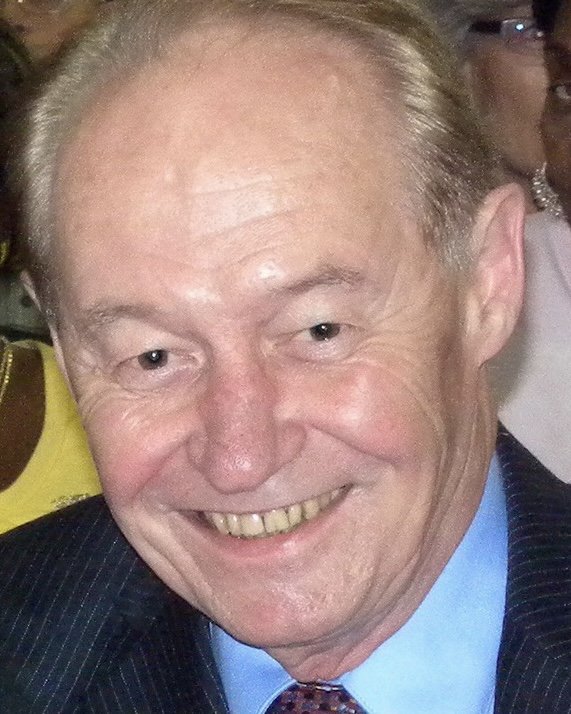
Peter G. Wilhelm passed away peacefully on October 26th, his final days marked by visits from several friends and family.
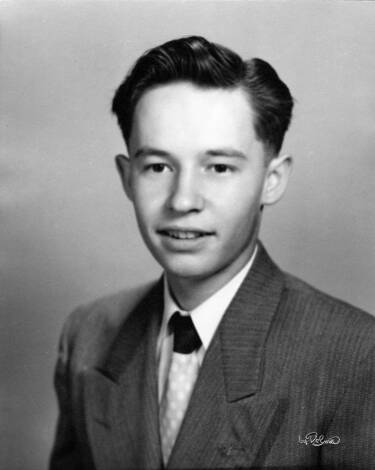
Mr. Wilhelm was born to Gerard and Helen Wilhelm (formerly Ms. Helen Broger), on July 26, 1935. Raised in Yonkers, New York, Pete’s father was a manager in a baking company, working 60 hours a week as of the 1940 census. Mr. Wilhelm’s parents served among the leadership at St. Mark’s Evangelical Lutheran Church, his father chairing the building committee and mother superintendent of cradle roll. When Mr. Wilhelm was still attending Roosevelt High School, his father was quoted in the local paper, asserting that “All school subjects are valuable, because they teach us to think, and the more difficult, the more valuable if you can master them.” Those who knew and respected Pete can see how such a philosophy helped kindle a young man’s lively appetite for (and engagement with!) assorted scientific and engineering disciplines over the years.
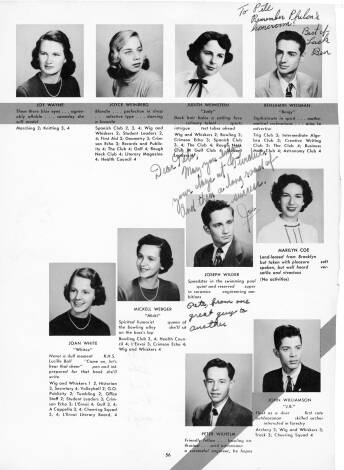
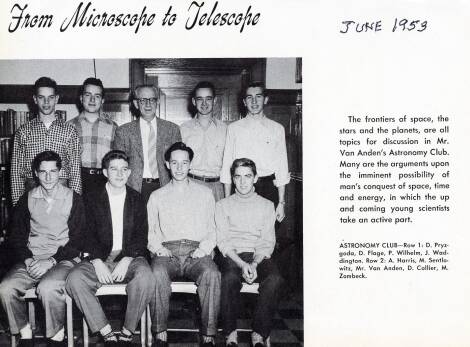
Pete’s senior yearbook describes him as a friendly fellow, a bowling enthusiast, and an avid astronomer, with aspirations to be “a successful engineer, he hopes.” It also includes photos of a young Pete Wilhelm participating in Mr. Van Anden’s Astronomy Club. Those who knew Pete can also see how he might have excelled in a number of career paths. In his youth he hoped to become an automotive mechanic. Later, color- blindness would prevent him from taking advantage of a Naval ROTC scholarship.
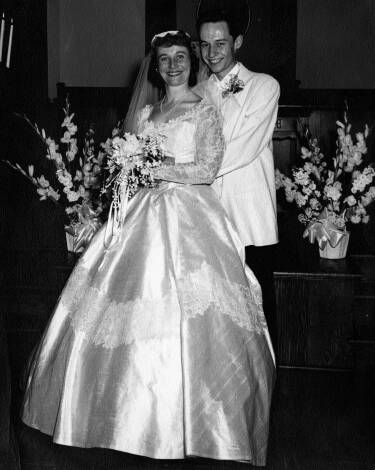
Ultimately, the young New Yorker set his sights on Purdue University where he earned a degree in electrical engineering. While studying in West Lafayette, Indiana, he also met a Ms. Lois Bryant. The head of the Bellwood public school system’s speech therapy department (also a Purdue alum) married Mr. Wilhelm the day before he graduated with his bachelor’s degree in electrical engineering, in June of 1957.
Bride and groom honeymooned in Florida. Through that summer and fall, U.S. newspapers and newsreels tracked NRL’s Vanguard satellite team as they labored (with Army, Air Force, and industry partners) to adapt the Atlantic Missile Range into the US’s first satellite launch facility. Even before the launch of Sputnik, the International Geophysical Year brought unprecedented public attention to the sciences.
In July of 1957, an Army recruiter wrote Mr. Wilhelm congratulating him on a perfect score on his pre-induction tests. Noting that this “exceptionally high score” opened opportunities “not available to most persons” his letter beckoned, offering exciting and meaningful occupations in the Army’s more highly technical fields including counterintelligence, signals intelligence, and communications. Upon returning from honeymooning, Mr. Wilhelm did indeed embark on a lifetime of service to national security, choosing to work for Stewart-Warner Electronics of Chicago.
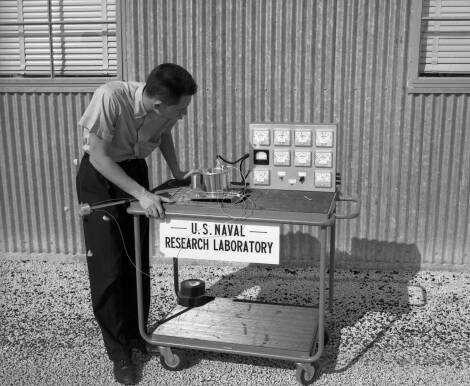
As a newly minted electrical engineer, Mr. Wilhelm began making his first connections at the Naval Research Laboratory, supporting vital research and development for a radar test set.
By 1959, the young engineer was drawn from Chicago to work at NRL. He asserted for many years that the primary drivers behind this decision were the beauty of the D.C. cherry blossom season and the exhilarating challenges of spacecraft engineering. More than once, he mentioned his infant son’s diapers darkening with soot while hanging outside on the line in Chicago.
Mr. Wilhelm was mentored by and quickly began shaping a vibrant and collaborative lab culture at NRL. A lab culture we have all struggled to explain, for many decades. In one of his last oral history interviews, talking to Quest spaceflight magazine, Pete recalled that before NRL, he had never even seen a transistor. His supervisor in the Radio Division’s Satellite Techniques branch paired him with “technical guru and great teacher,” Ed Dix, to learn. Only a couple months later, that same supervisor, Marty Votaw, stuck his head in Pete’s lab and said, “Come on, I need to introduce you to some people.”
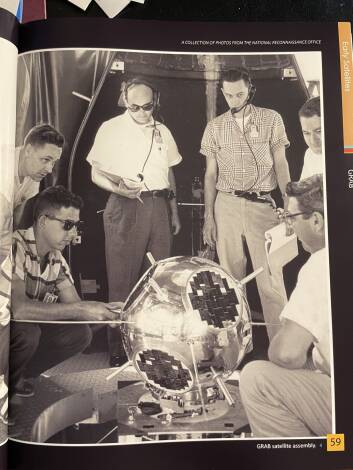
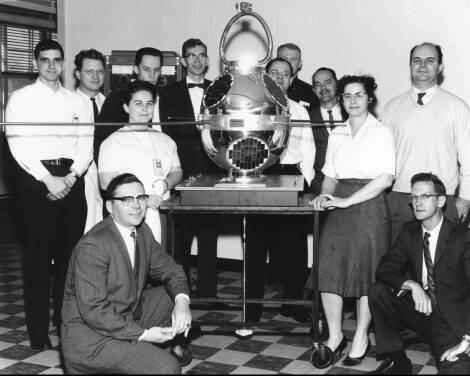
Pete continued, “We walked down the hall and there’s a little scree, like booth, a screen room. A couple other people are already jammed in this booth, and they closed the door. There were a couple guys I had never seen before and they said, ‘This is a formal introduction.’ And then they tell me about the second purpose of the solar radiation satellite that I was working on. That there is another payload in this satellite and we call it GRAB.”
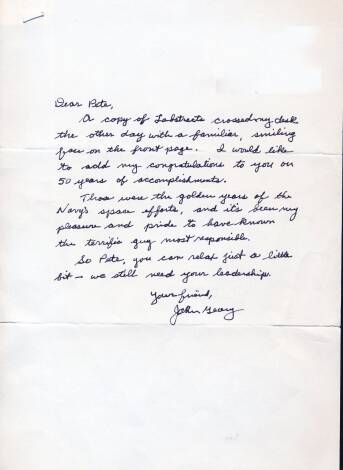
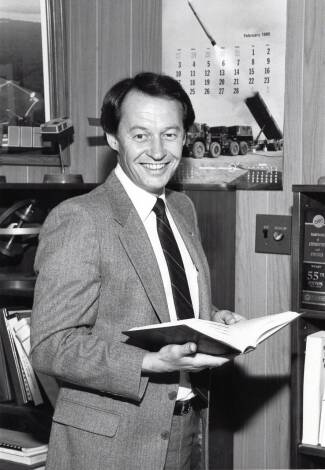
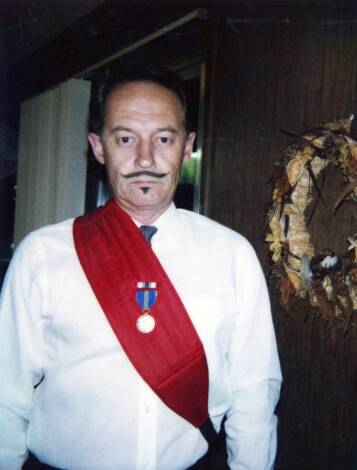
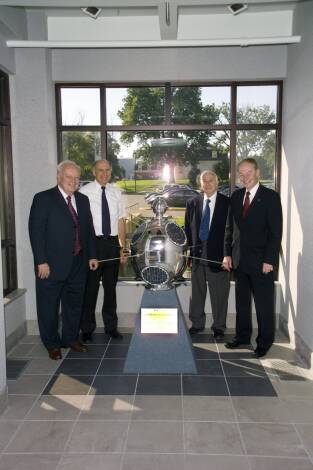
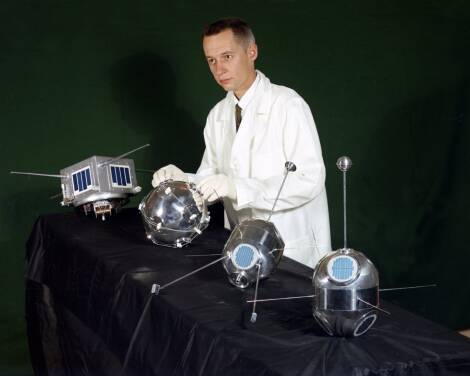
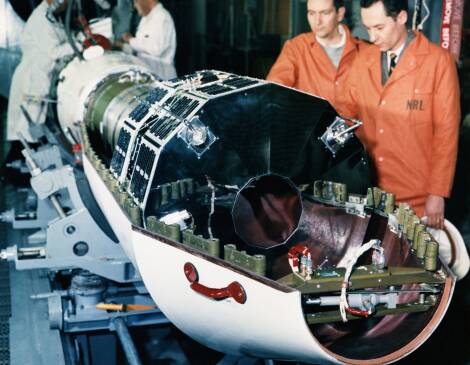
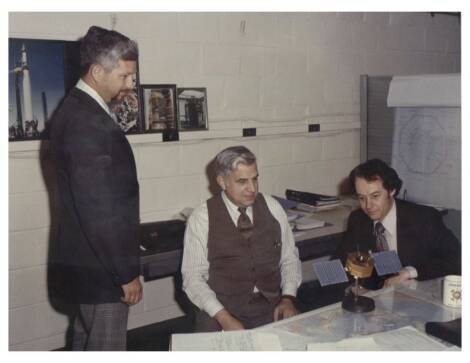
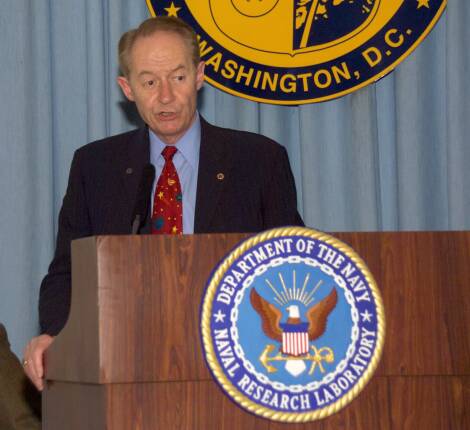
Mr. Wilhelm helped launch GRAB, the world’s first reconnaissance satellite. As chief engineer, he also played vital roles in design, launch, and successful operation of the world’s first GPS satellite (NTS-2) and the Navy’s first-generation of communications satellites. Over 57.5 years (he insisted on accuracy), he participated in the deployment of more than 103 scientific, communications, reconnaissance, and R&D satellites, taking primary responsibility for 77. He served as Director of the Naval Center for Space Technology (NCST) from 1986 until 2014, launching dozens of prototype projects, perhaps most famously, Clementine, WINDSAT, and the recently declassified PARCAE satellite system.
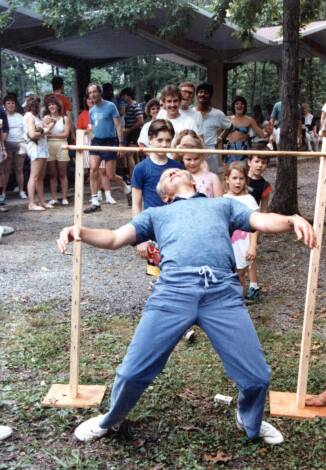
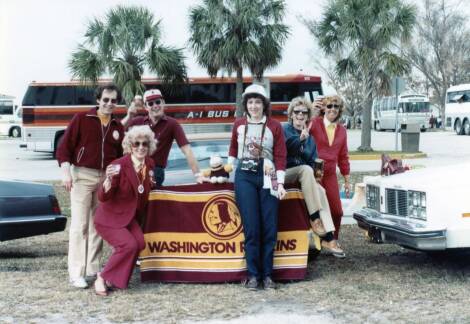
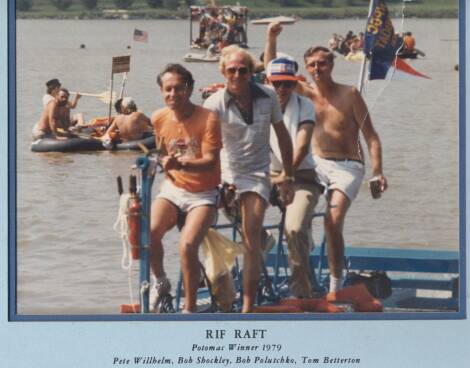
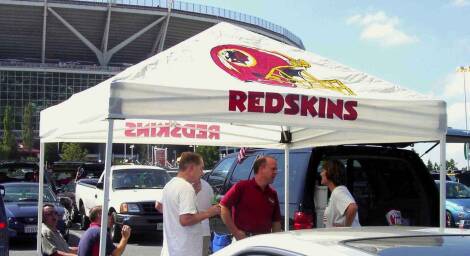
During these heady and demanding years, Pete and his two sons enjoyed Washington Senators and Redskins games. Some of the boys’ happiest memories were of hauling a car battery and small black and white TV set to games so Pete and surrounding friends could watch replays on TV—while sitting in the stadium. During this time, Mr. Wilhelm enjoyed beach trips and sailing excursions with his wife, later in life, Linda Greenway. (He also found time to complete all the coursework necessary for an M.S.E at George Washington University.)
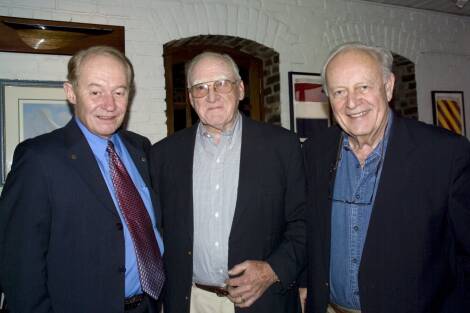
At the first ROMEO’s (Retired Old Men Eating Out) lunch following his passing, Mr. Wilhelm was remembered for his gift, for striking balances between many different engineers’ values and a research community’s collective mission. Across the table, reflecting on many decades of work, they expressed how persons on his many teams treasured their intellectual latitude. They also treasured defining and tackling world-first challenges in space.
For more than six decades Pete helped forge collegial programs among military and civilian personnel as well as government and industry partners. In announcing his passing, today’s NCST leadership reflected:
His legacy is not just etched in the hardware orbiting our planet, but in the culture of excellence and relentless curiosity he fostered... He challenged his teams to think beyond the horizon, to solve the unsolvable, and to never accept that a problem was too complex. Many of us were mentored by him, inspired by his technical breadth, and motivated by his deep-seated belief in our mission. He built a center of trailblazers.
Retiring in 2014, Mr. Wilhelm continued to take keen interest in the achievements of NCST, mentoring new generations of thinkers and attacking engineering snarls with old friends. One of his most treasured retirement projects was tackling the growing problem of orbital debris and cleanup. His son remembers, laughing, that he named the project after Willie Mays, his favorite baseball player, “catching the scrap.”
Pete Wilhelm is survived by two sons, Peter and David Wilhelm, who since childhood took great pride in their father’s lifetime of service. When asked his favorite memories of his father, David recalled turning to his dad during high school graduation. David asked what had been on Pete Wilhelm’s mind when he graduated in the summer of 1953. “All I knew was that I wanted to make a difference in the world,” he replied.
-Written by friends and family of Pete Wilhelm, for friends and family of Pete Wilhelm
Gallery
Videos
Memory wall
I attended an NRL family day event shortly before he passed away. I was able to catch up with him for a short time. He still had that spark and enthusiasm I experienced 14 years ago.
Not only was he a technical force to be reckoned with, but he was also a truly great person.
Here was a man, and family, that knew what public service was supposed to be. He valued it, we benefitted.
Jess


 Français
 Deutsch
 Nederlands
 Español
 Português
 Magyar
 Русский
 繁體中文
繁體中文