Always in our hearts.
Obituary
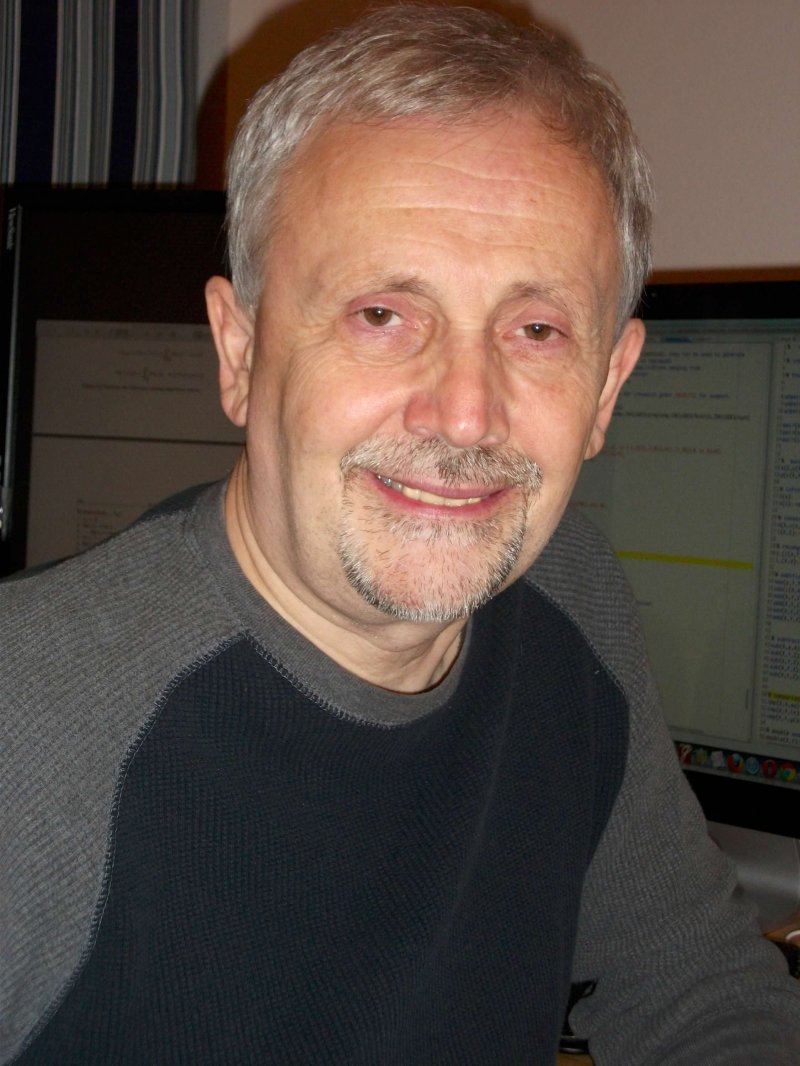
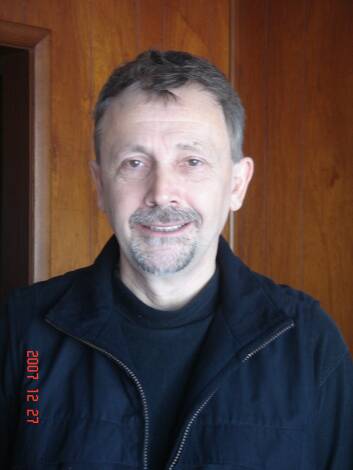
Tribute to Dr. Paul Tarau
Professor of Computer Science, University of North Texas, 1998 - 2026
Early Life and Childhood
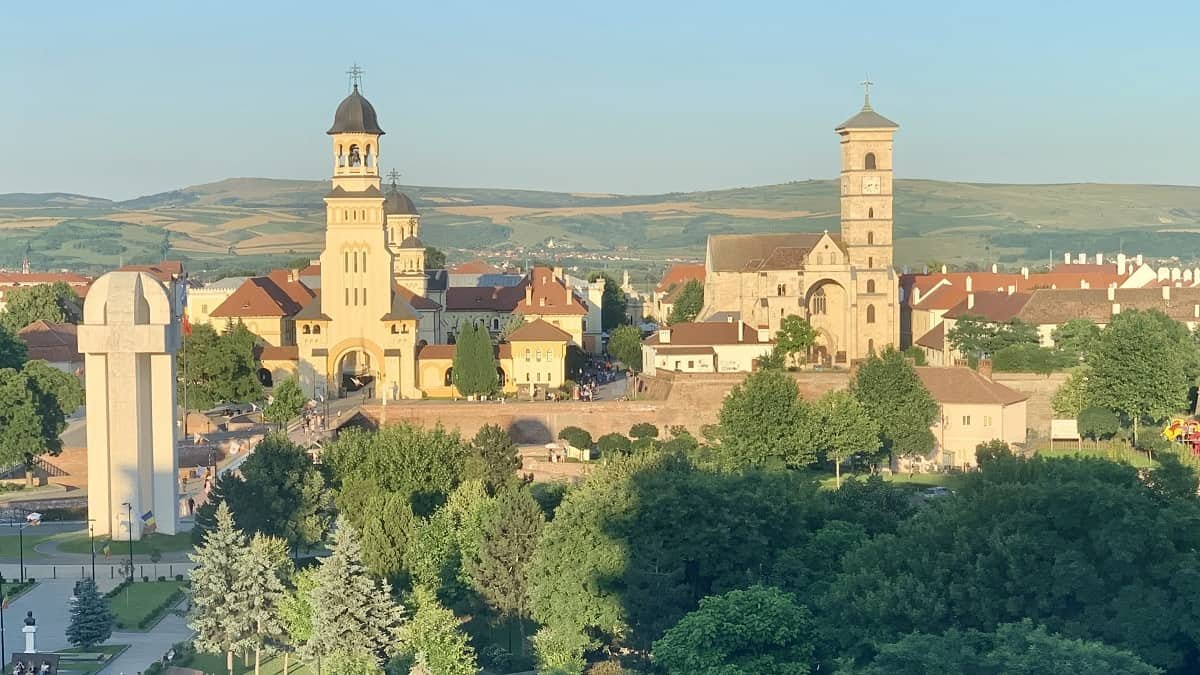
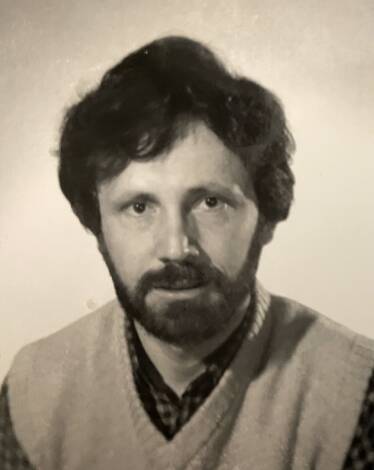
Paul was born in Alba Iulia, Transylvania, Romania on June 24th, 1952, to parents Anna Istvánffy and Petru Țărau. His mother Anna and grandmother Maria Istvánffy were his primary adult-figures in childhood. Paul’s father was a member of the Communist Party and divorced his mother when Paul was very young.
In the fall of 1956, Paul went with his family to visit his mother’s uncle in Budapest. Shortly after arriving in Budapest, the Hungarian Revolution broke out. Paul recalls seeing children and teenagers throwing Molotov cocktails at Soviet tanks as well as Soviet soldiers hanging from streetlamps. Already knowing how to write, he chose to write one of his first political statements in the snow: “halál az oroszokra,” translating to: “death to the soviets.” During this Soviet invasion, the border around Austria had opened, yet his family did not take the opportunity to flee, as his grandmother did not want to leave her familiar environment in Romania. The following winter after returning to Romania, his grandmother would pass away in an accident involving a woodcutter.
Paul notoriously hated queues and would’ve rather had someone else stand in line for him. He would tell stories about the queues he waited in to bring his mother their daily ration of bread and how his mother abstained from eating meat so that Paul had adequate food. During his childhood, he attended Hungarian elementary and middle school. Later, Paul moved to a Romanian high school called Horea, Closca si Crisan. Paul once told a story of how he had to bribe “gypsies” to let him cross a bridge so that he could get to school. He said that he would rather pay them instead of taking a 2 mile detour. Paul recalls being teased for his Hungarian accent by his Romanian classmates, but that eventually stopped when he started scoring better than them in their classes. Despite the language adjustment while attending a Romanian high school, Paul made it to national levels in Romanian Literature and Math Olympiads. He also made pocket money by publishing his poetry in a local newspaper.
Mathematics, Computer Science, and Early Career
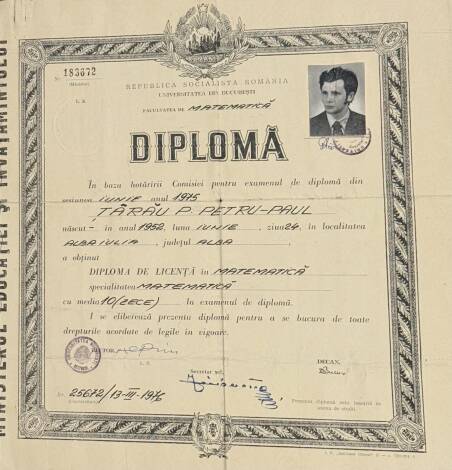
While still in Romania, Paul was admitted to Universitatea Din Bucuresti (University of Bucharest) in 1971 and would graduate in 1975 with his Bachelors in Mathematics. Because Paul declined to join the Communist Party in Romania, he was not eligible to enroll in graduate school to pursue a Ph.D. He eventually began teaching math at a high school in the city of Sinaia, located roughly 100 miles northwest of Bucharest. On the weekends, Paul would commute back to Bucharest to visit family. In addition to teaching, Paul started tutoring math because his job as a teacher did not pay enough. Unbeknownst to him, this decision allowed him to obtain the necessary resources to secede Romania. In 1980, he had a student who was the daughter of a Communist General. Because of his tutoring, she was admitted to her desired university. As a result, the general asked what favors he could do for Paul. In response, Paul asked for two “luxuries:” a phone line to demonstrate interest in remaining in Romania; and a passport to visit friends of his mother Anna in Vienna, Austria. When the passport arrived several months later in 1981, he took a train the very next day carrying only two items: a book on Category Theory and a pack of American Cigarettes to bribe the inquisitive Romanian border guard, who was confused by his Category Theory book and the reason for having it.
Upon arrival in Vienna, Paul desperately searched for employment. He failed to find employment at a funeral home where he would be tasked with washing the dead. He was rejected because he “could not speak German well enough.” Puzzled by this, he replied with: “the dead don’t speak German either.” Eventually, he would find employment selling a minor punk newspaper on the stairs of the University of Vienna. About 10 years later when Paul was invited to speak at the University of Vienna about his new generation Prolog compiler, he saw someone else selling the same newspaper on the stairs of the University. He proceeded to approach the guy, buy a newspaper, and then give him a generous tip.
Immigrating to Canada in January 1982, Paul attended Universite Laval and consolidated fluency in French. After taking the AI course in the fall, the department asked him to teach it the following semester. Paul obtained his Masters’ degree in Computer Science and taught full-time at the University of Moncton in New Brunswick from 1986 to 1998. In 1987, he started his Ph.D. thesis studies at the University of Montreal. Paul finished his Ph.D. thesis on Transformations of Logic Programs and obtained his Doctorate Diploma in December of 1990. He began publishing in the Field of Logic Programming with numerous publications at ICLP, PPDP and LOPSTR. Additionally, Paul wrote an innovative Prolog Compiler called BinProlog. Over time he also learned English, his fifth and final natural language.
University of North Texas and Later Career
In 1998, Paul joined the faculty of Computer Science at the University of North Texas. While there, he taught courses on Programming Languages, Natural Language Processing, Artificial Intelligence, Graph Theory, Parallel Programming, Logic and Knowledge Processing, Algorithms, and several other courses. Paul’s research interests spanned multiple computer science fields including Natural Language Processing, Artificial Intelligence, Logic Programming, Computational Mathematics, Agent Infrastructures, Compilers, and Run Time Systems. Paul had 20 referred Journal publications and over 160 refereed International Conference and Workshop publications listed on his home page ptarau.github.io. Google scholar reports 10,000+ citations referencing Paul’s publications. Paul co-invented with Rada Mihalcea the 2005 US Patent Graph-based Ranking Algorithm for Text Processing which has been cited 157 times in industry by Google, Microsoft, IBM, HP, LinkedIn, Oracle, Adobe, Dell, Docusign, Xerox, Yahoo, and Raytheon.
Paul was an avid developer of open source software on github.com/ptarau. Recent github contributions include DeepLLM, a full automation of goal-driven LLM dialog threads with AND-OR recursors and refined oracles, Natlog, Iprolog, Stanza Graph, Types and Proofs, DeepRank, Python Provers, Styla, Jinni Prolog, Arithmetic operations with tree-based natural and rational numbers, Bijective Godel Numbersings, Kernel Prolog, and Logic Transformers. Paul coded in Prolog, C, Python, Java, Haskell, Lisp, Scheme, and Scala.
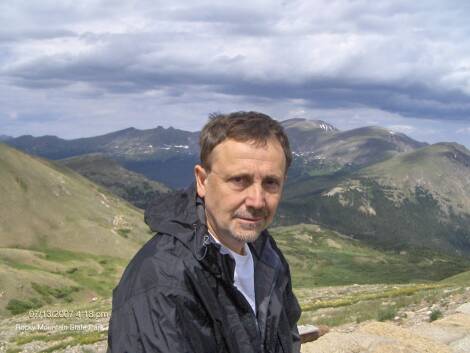
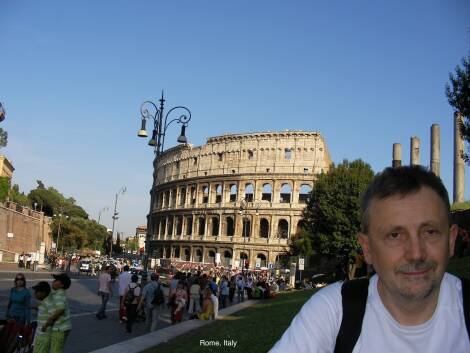
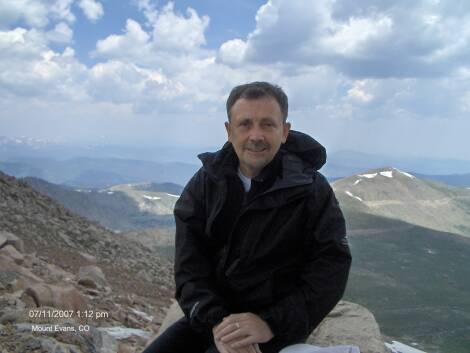
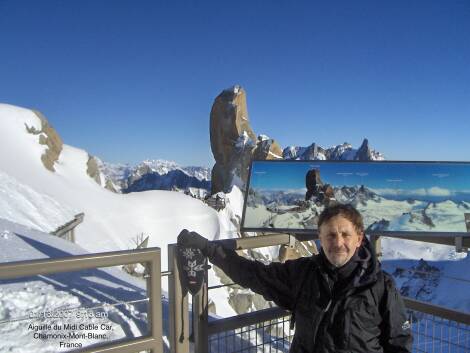
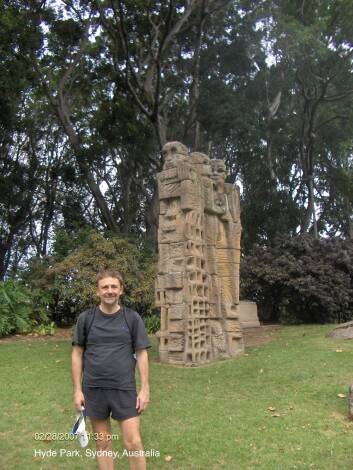
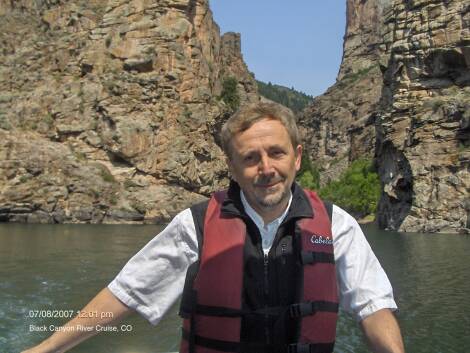
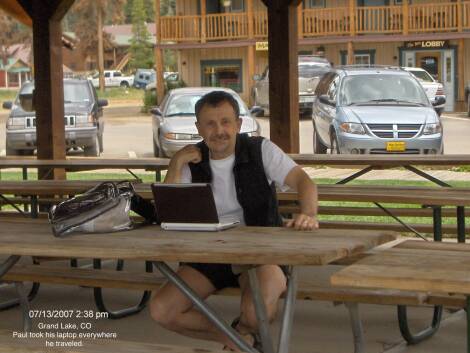
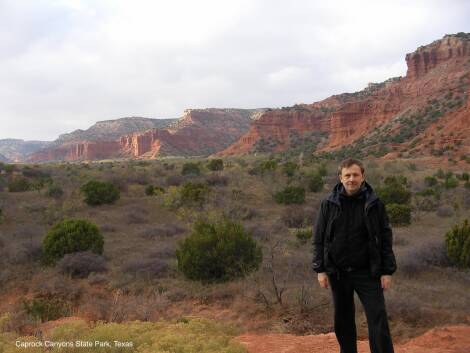
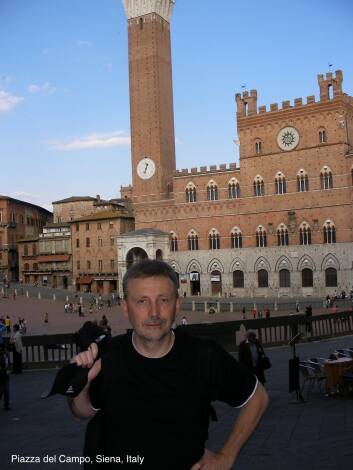
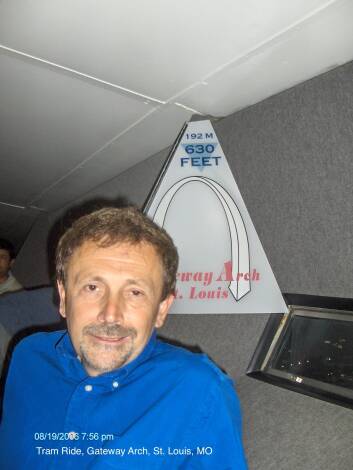
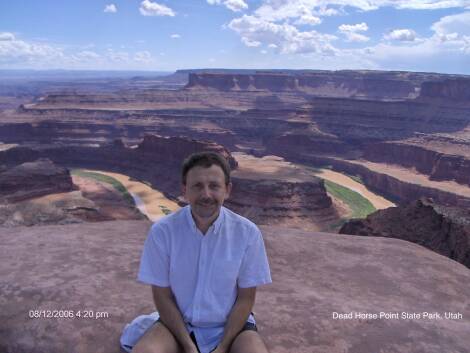
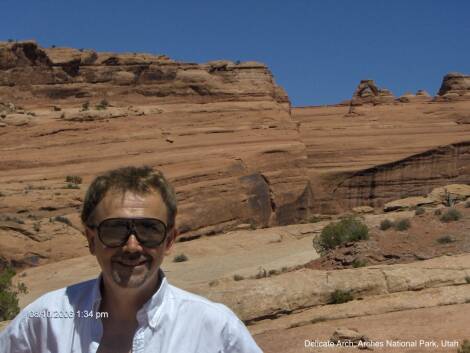
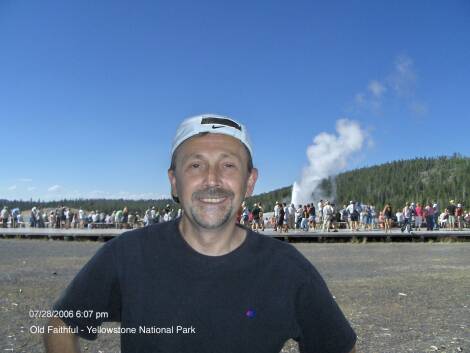
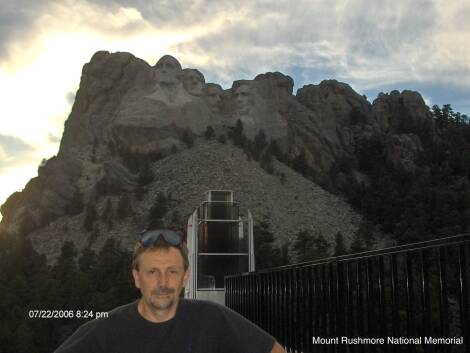
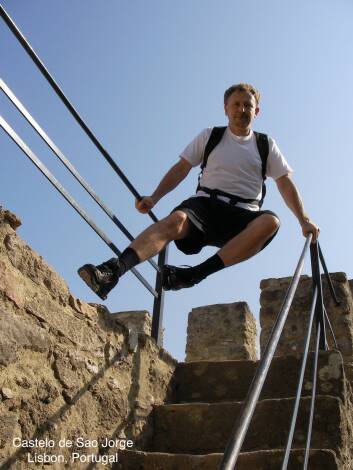
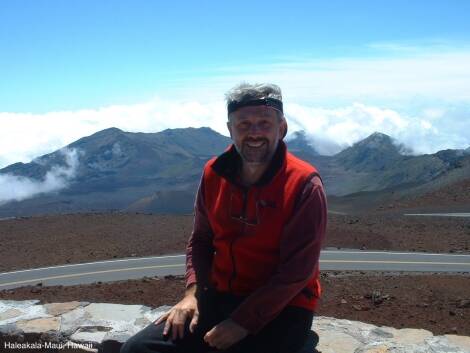
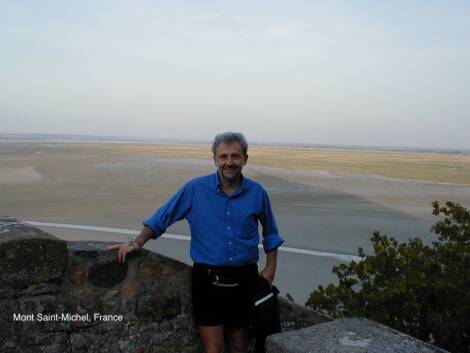
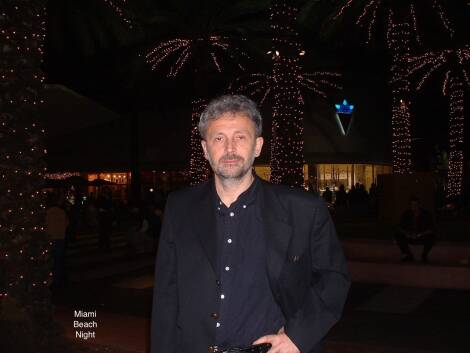
Paul was a dual citizen of the United States and Canada. He enjoyed travelling and visited over 20 countries in six continents during his conference presentations. Some of these presentations are available on YouTube.
Paul Tarau belongs to the Stanford University/Elsevier list of the World's Top 2% Scientists. As of the 2024–2025 rankings, he is recognized as a researcher who is among the top 2% globally for citation impact over their entire career.
During Paul’s 28 year service to the University of North Texas, he mentored junior faculty, was a thesis advisor to graduate students, and supervised several TAMS student’s research topics in computer science.
Family
While living in Romania, Paul welcomed a son in 1975, Paul Tarau Jr. Although Paul’s first wife separated from him early in their marriage, he kept his promise and sponsored his Romanian family after he immigrated to Canada in 1982. Paul and his first wife divorced a short time later.
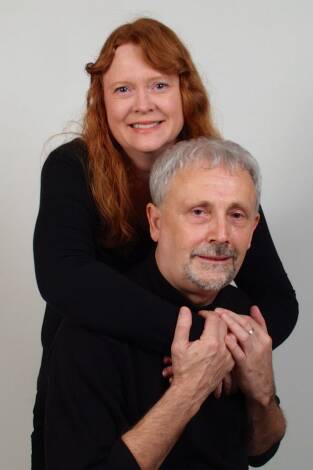
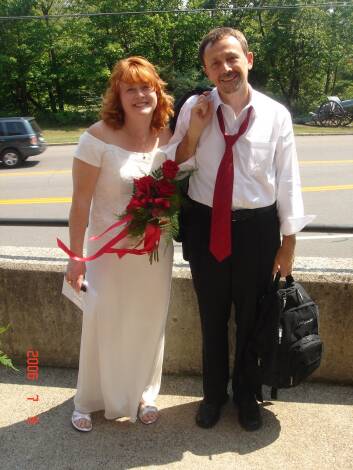
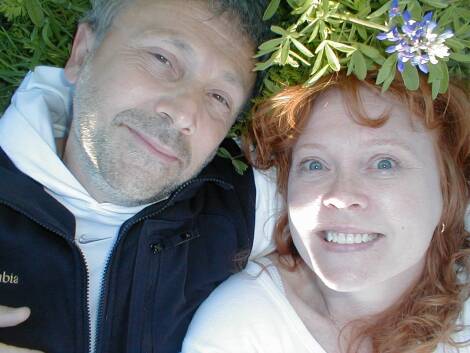
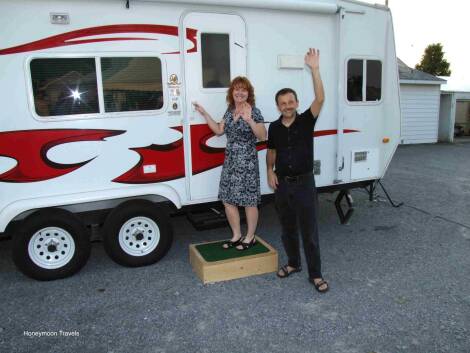
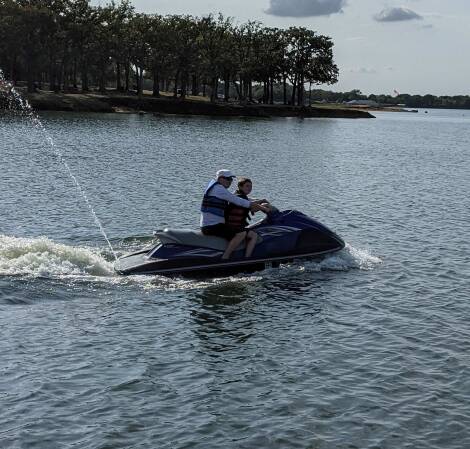
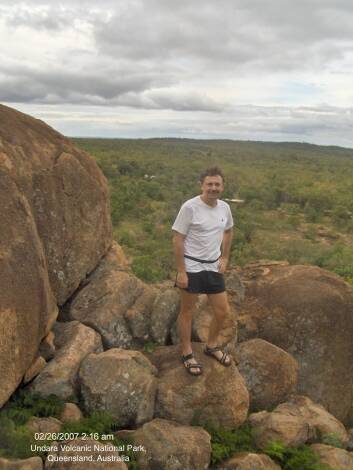
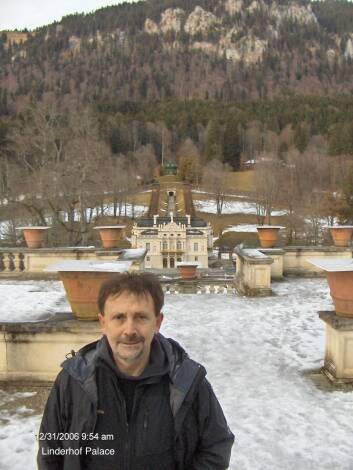
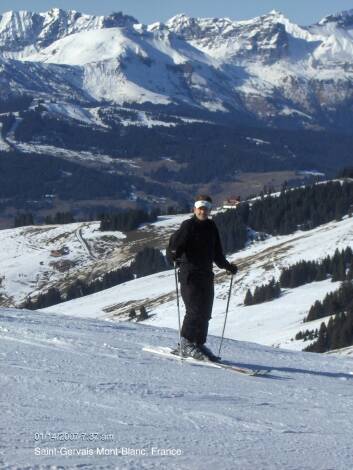
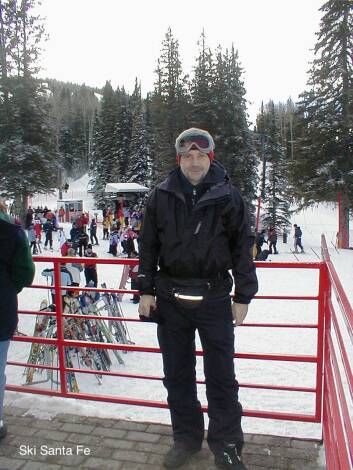
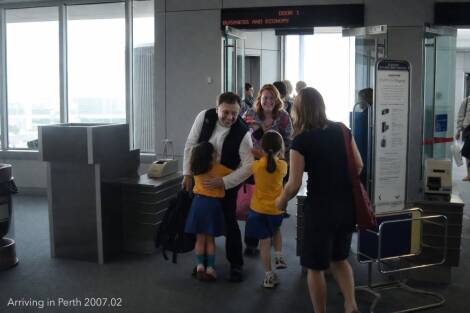
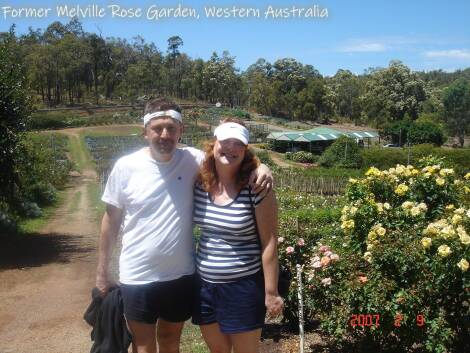
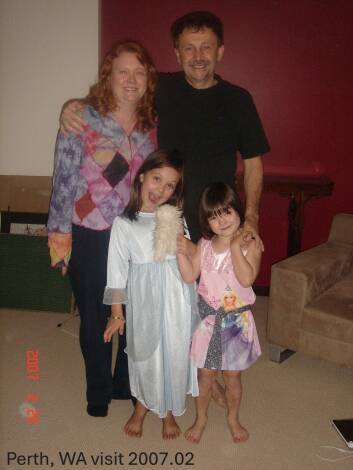
In 2004, while living in Lewisville, TX, Paul met Brenda Luderman in Austin, TX, on match.com by accident. He inadvertently entered a 200 mile radius instead of a 20 mile radius for location matching. They spent 18 months dating. Their favorite activities included ski trips to Santa Fe, Taos, and jet skiing Lewisville Lake, Grapevine Lake, the Colorado River, Lake Austin, Lake Tavis, Lake Buchanan, Inks Lake, and Lake Mead. Paul and Brenda had a non-traditional marriage, spending the first year of their marriage globe trekking. Their honeymoon included a nomadic life traveling the United States in a 19ft Toy Hauler camper. They flew to Europe during the winter of 2007 to explore the Alps, Germany, Austria, Italy, France, and Switzerland. They often lost their GPS signal and had to ask villagers for directions. For four weeks, they visited popular sites in Perth, Sydney, and Cairns while visiting family in Australia. Their honeymoon travels extended with Paul’s conference trips to Portugal in 2007 and Italy in 2008.
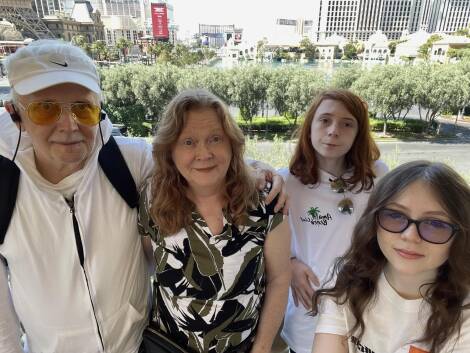
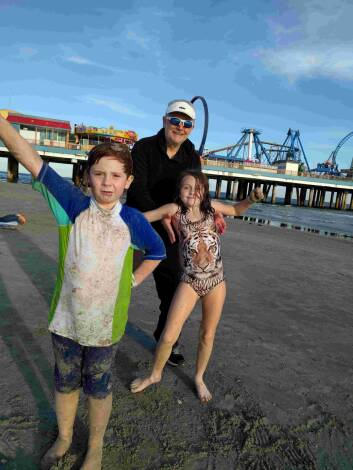
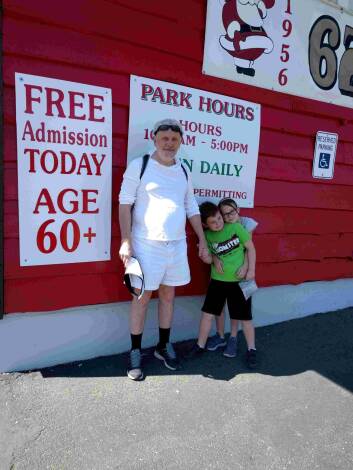
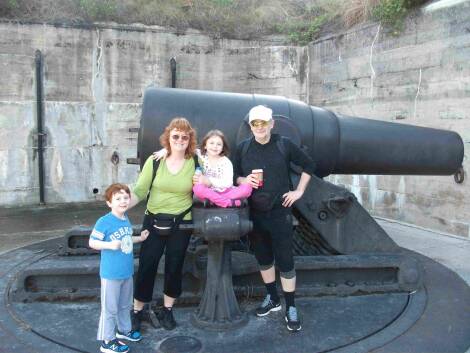
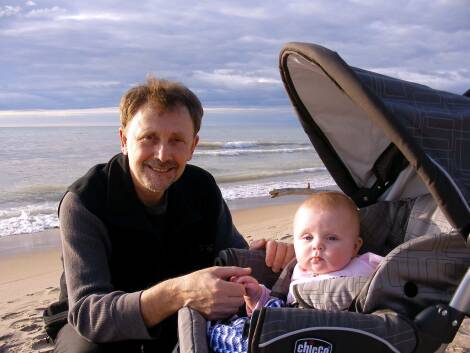
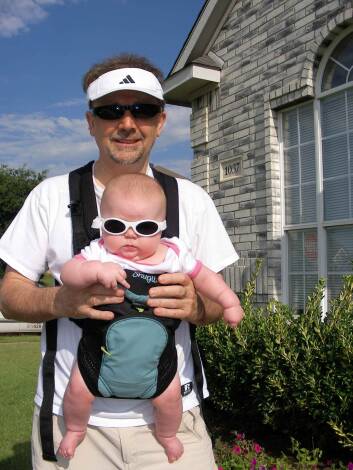
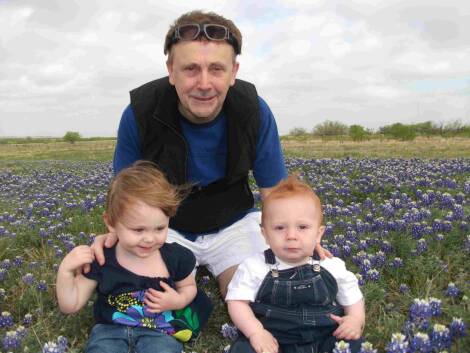
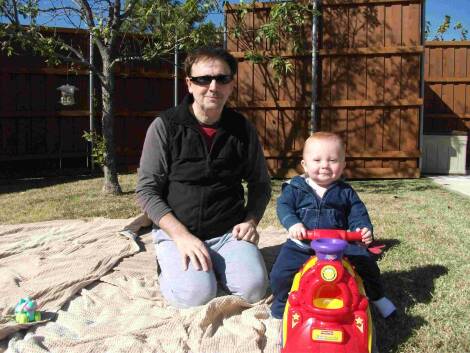
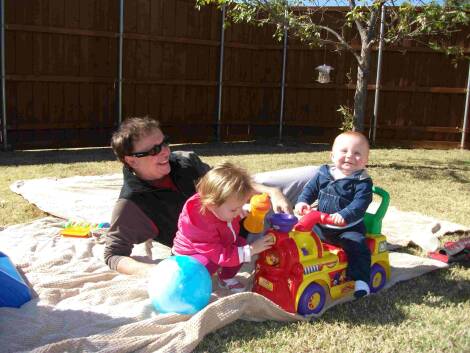
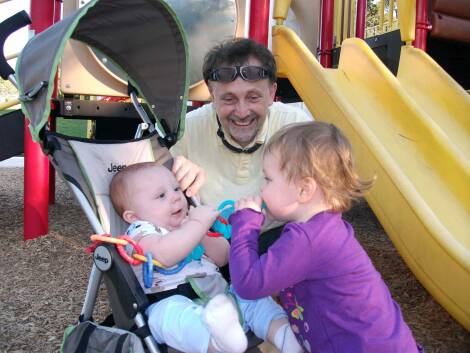
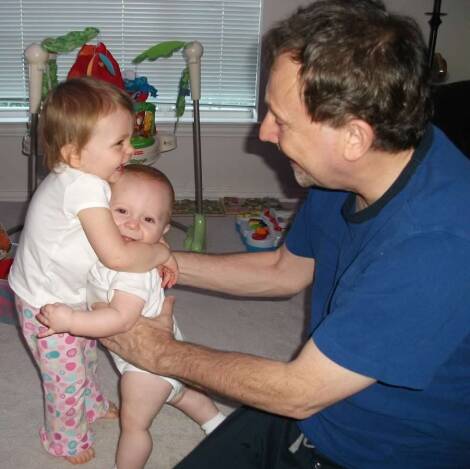
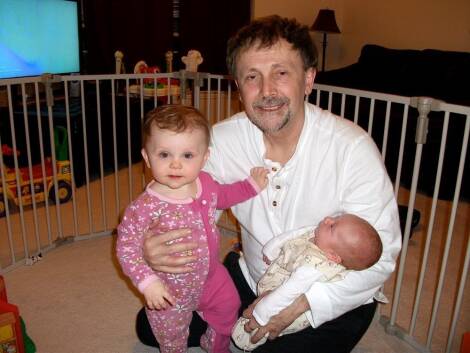
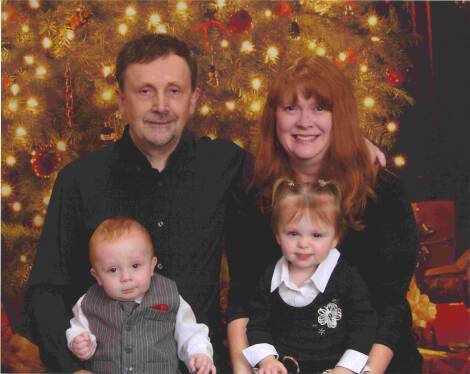
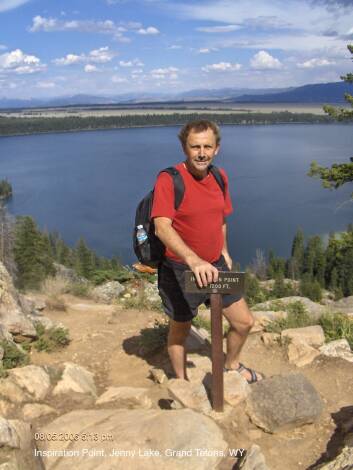
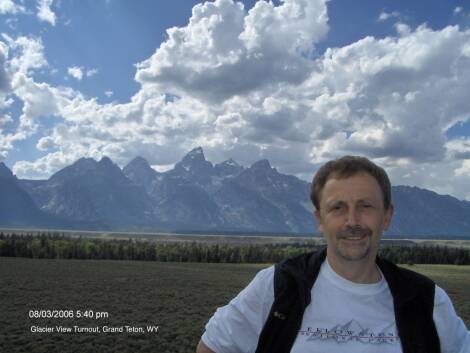
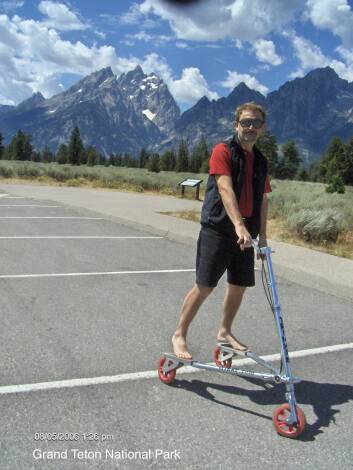
After settling in North Texas, Paul became a father again, welcoming a daughter Siena in January 2009, and a son, Dylan in February 2010. Their favorite family vacations included: Santa’s workshop in North Pole, Colorado; Yellowstone and Grand Teton National Park; Long Boat Key, FL; and Galveston Island, TX.
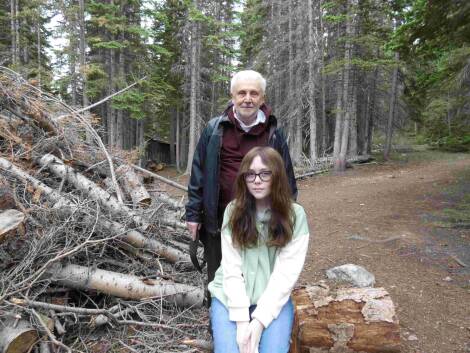
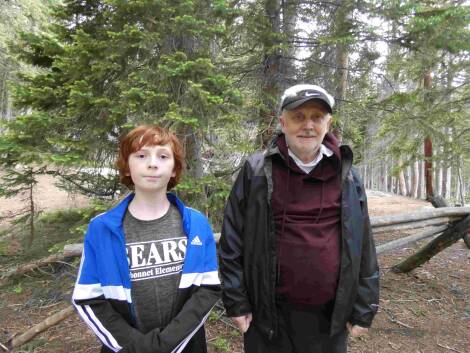
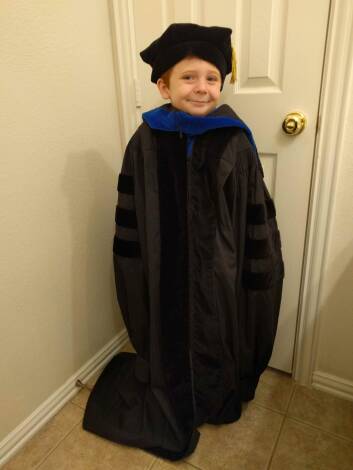
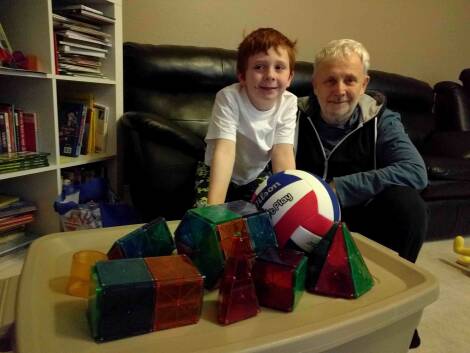
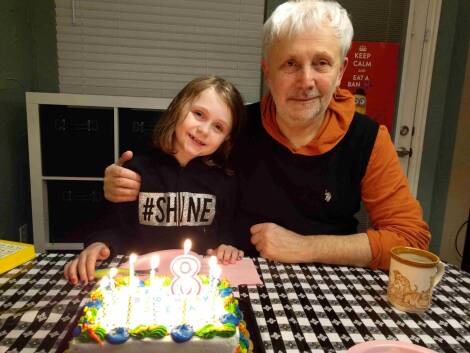
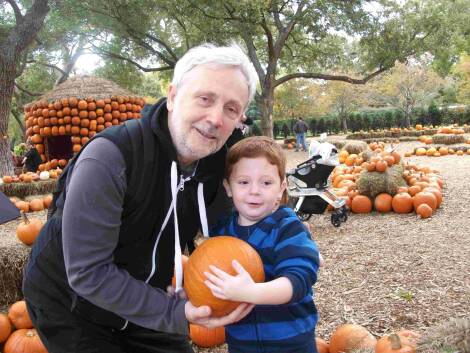
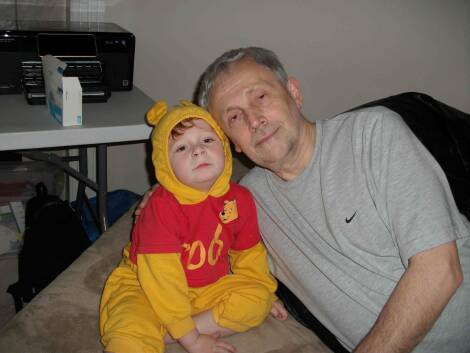
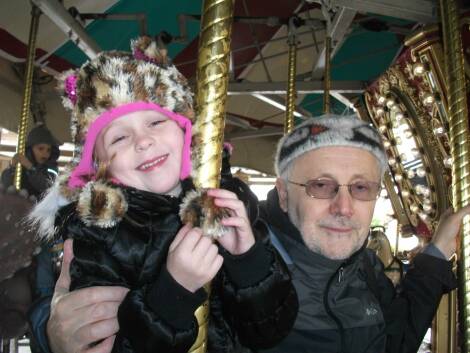
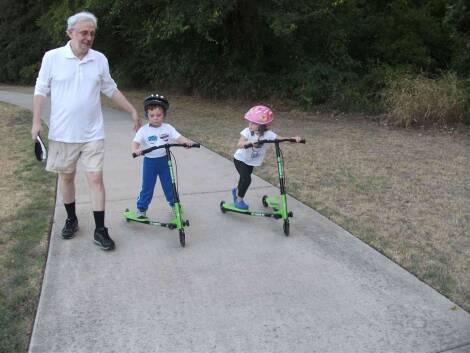
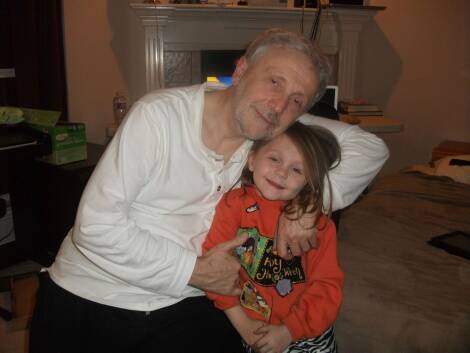
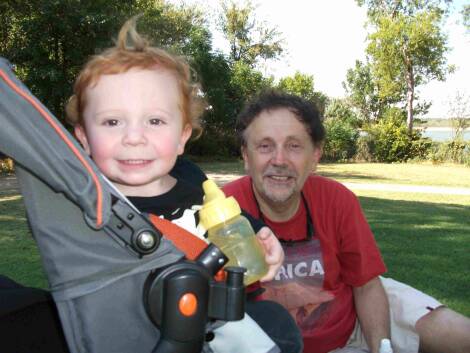
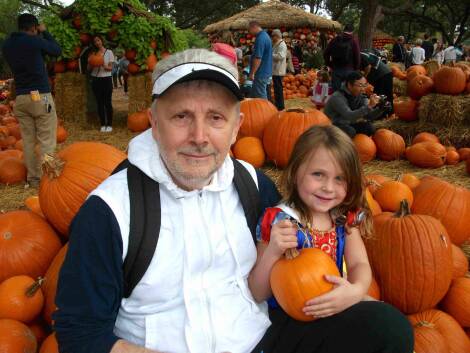
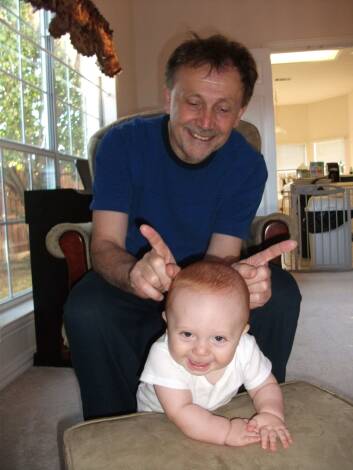
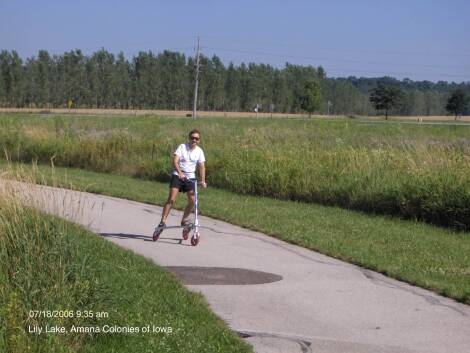
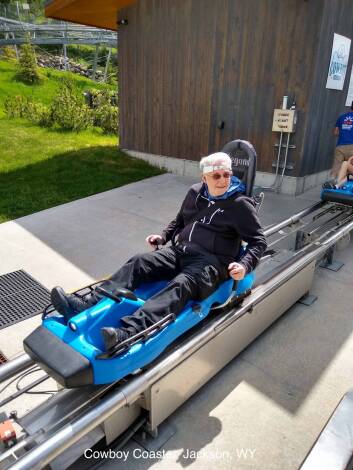
Paul taught Siena and Dylan his favorite hobbies: roller blading, chess, coding, riding an electric scooter, and trikke. Paul encouraged both kids to adopt technology and introduced them to Minecraft and other games at an early age. When Siena was about five years old, she remembers playing Minecraft with Paul, racing horses around a desert village. Paul’s encouragement made it to his children; with Siena adopting her love of video games, math, computer science, roller-blading, travelling, and music, while Dylan adopted his love of video games, being outside, and music from his influence. Siena was very close with Paul, frequently having conversations and occasional silly arguments over various topics like math, science, video games, music, school, history, and the future.
Interests
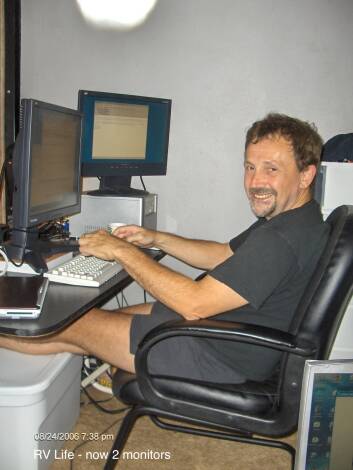
Instead of collecting power tools like some men, Paul collected tablets, desktops, and computers. He always found an excuse each Christmas to get a new monitor. Despite his geekiness, Paul’s interests were not only limited to technology and computers. He was also a master chess player and enjoyed the game GO. Additionally, he had an appreciation for art, literature, and music. Paul’s favorite pastimes involved listening to counterfactual audibles and musical artists. His two favorite painters were Pieter Bruegel and René Magritte. His top three writers were Franz Kafka, Thomas Mann, and Saul Billow. Paul had a lot of music that he listened to, but some of his most favorite performers included Larry David, Leonard Cohen, The Beatles, and Mel Brooks. Paul also enjoyed listening to classical music; his favorite composers were Eric Satie and Antonio Vivaldi. He used to annoy Siena by playing loud classical music in her room to wake her up in the mornings. Surprisingly, Paul never went to concerts, except for one occasion. By accident, he once stumbled across Leonard Cohen performing live in a bar somewhere in Montréal.
CLL Journey
Paul was diagnosed with high risk CLL in 2012. The doctors at MD Anderson estimated his survival would last five to six years after a six-month FCR treatment. Fortunately, the approval of targeted therapies such as Ibrutinib and Venetoclax allowed him to receive further treatment. In June 2024, Paul had an emergency T1-T5 laminectomy for a lesion that destroyed 75% of his T3 vertebrae. The biopsy revealed Paul’s CLL evolved into Richter’s syndrome, an aggressive lymphoma with an average survival of one year. Paul tried several cycles of RCHOP, a CAR-T cell transplant, targeted radiation for pain relief, several Gemox-Glofitamab cycles, and a cycle of R-ESHAP. Unfortunately, Paul’s cancer ended up advancing beyond treatment and he entered hospice care. Despite being heavily pre-treated in the past 12 months, Paul survived for over 5 days due to his strong heart and effective pain management. He peacefully lost his battle surrounded by his loving family on March 10, 2026.
Paul was very thankful to the medical staff at Texas Oncology, Texas Back Institute and MD Anderson for their care during the past 14 years.
He greatly appreciated the support from his colleagues at the University of North Texas, peers in Computer Science, Logic Programming committees and friendships with Permion and Agemia AI.
Paul is survived by his loving wife, Brenda, and three children: Siena and Dylan, of TX, and Paul Jr, of Canada.
Honoring Paul
If you wish to contribute, please consider being a blood donor or encourage those who can, to become a blood donor. The transfusions that kept Paul alive would not have been possible if it weren’t for the selfless donations given by blood donors.
Paul will always be in our hearts.
Tribute written by wife, Brenda Luderman, and daughter, Siena Tarau
Gallery
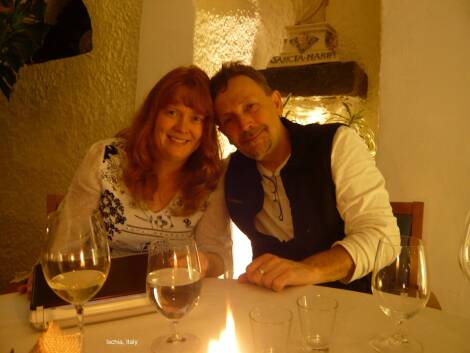
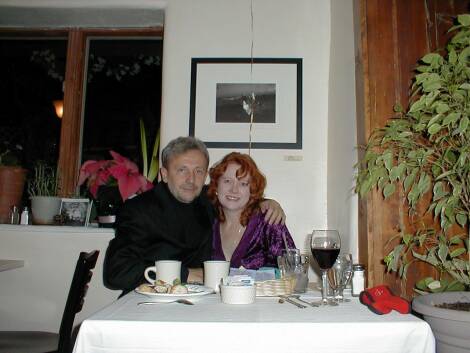
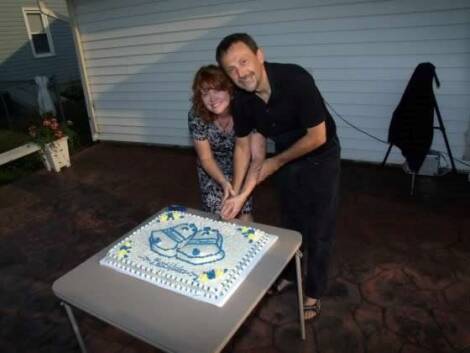
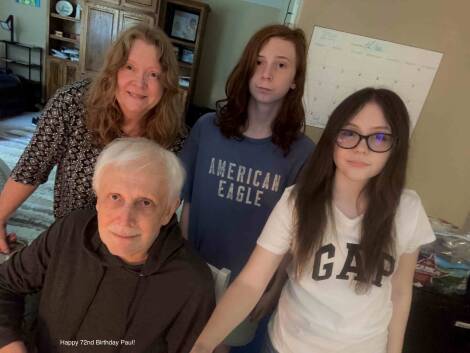

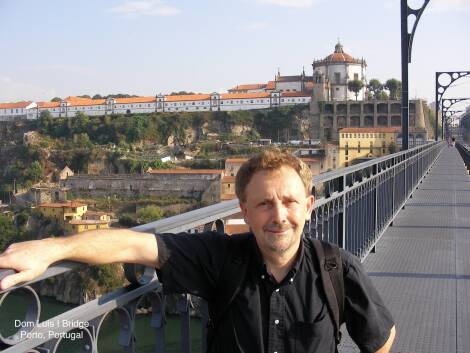
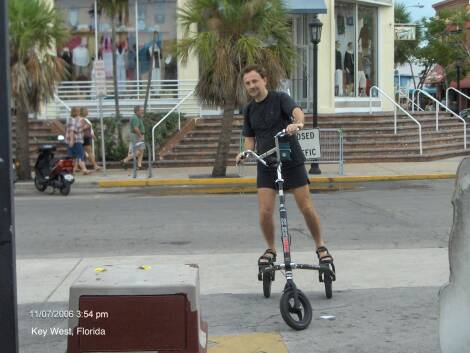
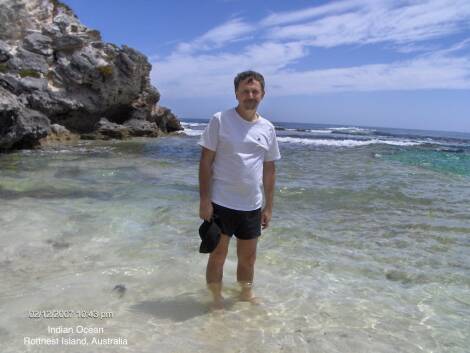
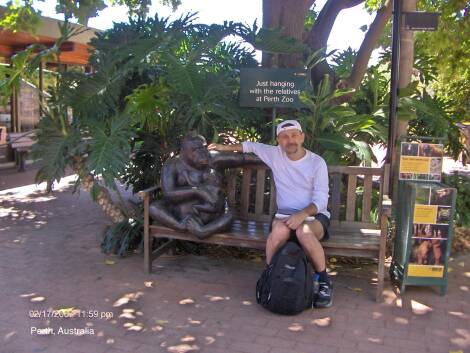
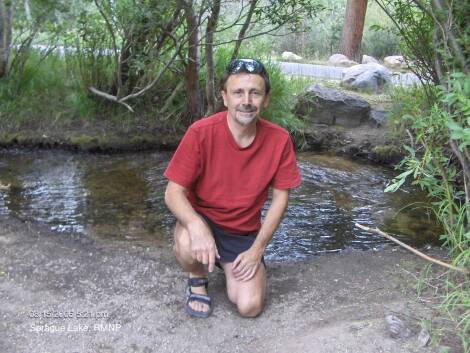
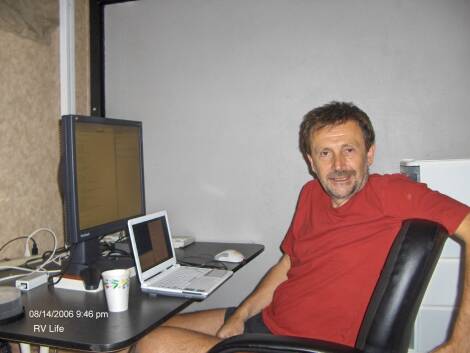
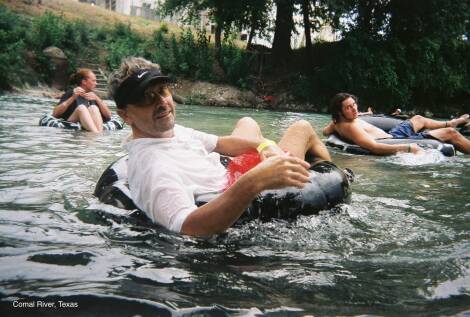
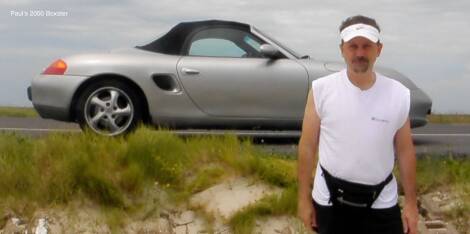
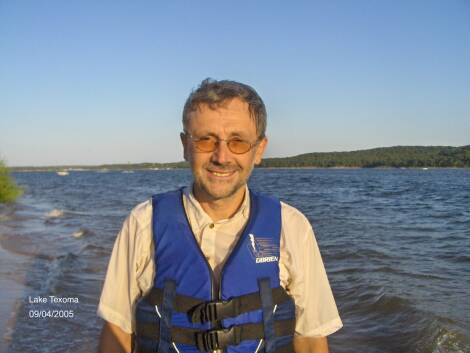
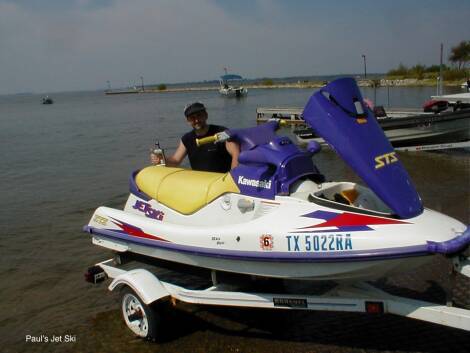
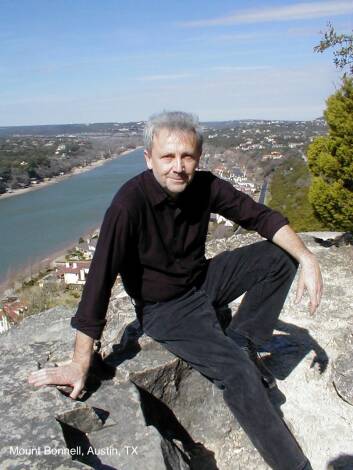
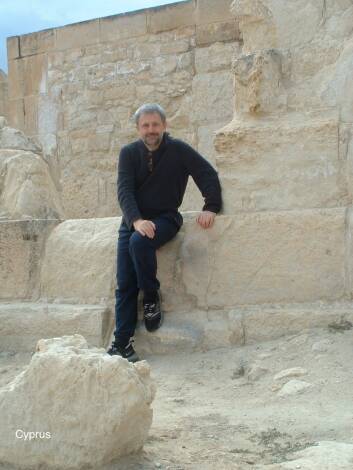
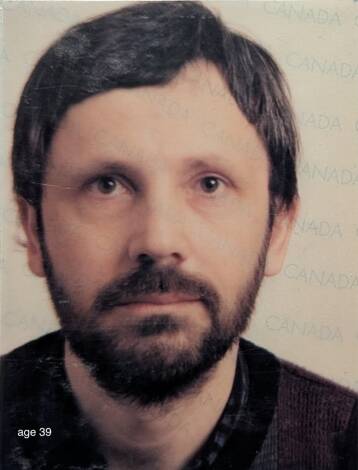
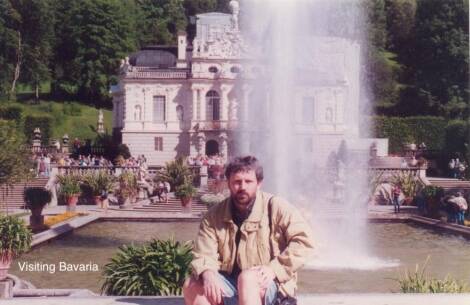
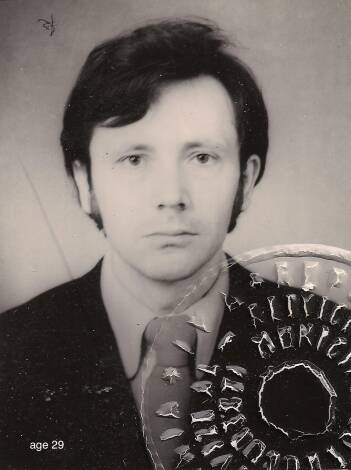
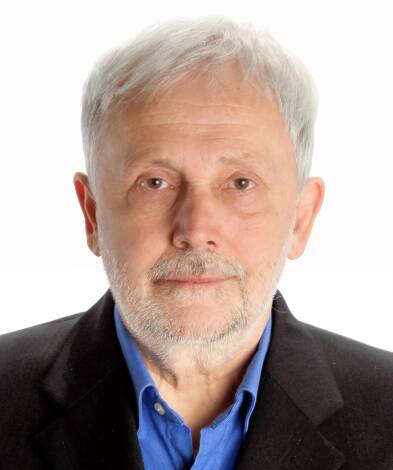
Videos
Memory wall
Jalal
Tam
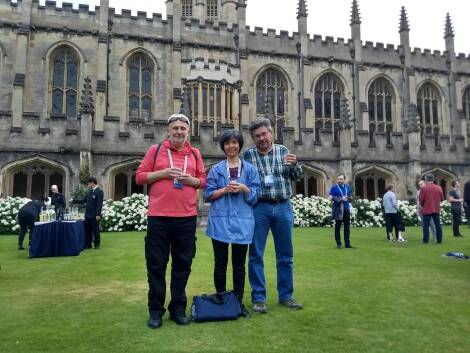
Sincere condolences to Brenda, Siena and Dylan and all his family.
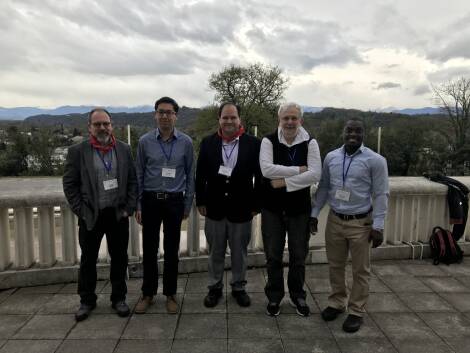
I will always remember Paul, not only for his intellectual achievements, but also for his kindness, his courage and his modesty.
It is with heavy hearts that we offer our deepest condolences to Paul's family and friends. I speak both personally and on behalf of the Prolog Education Group 2.0, an initiative Paul joined at its inception four years ago, and to which he remained an assiduous, enthusiastic, and prolific contributor.
I have had the great privilege of counting Paul among my collaborators since the 1990s, when he joined my Logic Programming Lab at SFU during his sabbatical. Our work began with Datalog grammars and eventually branched into many other subjects, such as virtual worlds—driven in no small part by Paul’s restless, interdisciplinary mind and his knack for turning high-level ideas into efficient implementations, often hard-coded into BinProlog, his impressive and inspiring solo achievement.
Paul’s sustained friendship and dedication to the scientific community remained exemplary until the very end. In a final, deeply moving gesture of commitment and belonging, he chose to share one last talk with us recently, delivered from his hospital bed—an eloquent testimony to his enduring passion for our field.
We are deeply grateful for Paul’s generous participation in our community’s scientific journey, for his unwavering friendship and support, and for his many, multi-faceted contributions to our field.
To our dear friend and co-creator of Timeless Assumptions: may well-deserved, Timeless Bliss—in whatever form you now take—be yours.
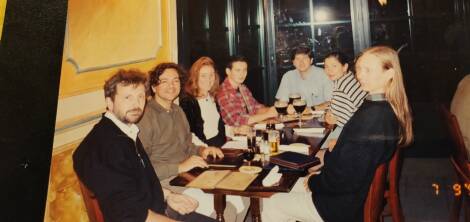
My wife and I were always happy to see him at ICLP and we will remember him fondly for a lifetime well lived.
Rest in peace, Paul.
I am sure that Paul is now busy teaching Prolog and logic programming to the angels, but here on earth, Paul will be greatly missed.
We love you and will forever. What a life, Paul! 🌸 All through these years....the girls growing up together...♥️
Sending you my prayers and so much love and peace dearest Brenda, Sienna and Dylan. Hugging all of you. Always.
He was comfortable simply sitting back, observing, and enjoying the world around him. Yet, Paul was always willing to gently engage in the conversations and topics of the day, sharing his thoughts and insights without ever imposing.
Thank you, Paul, for your presence in the world, the kindness you brought, and the knowledge you shared with others. Your contribution has left a lasting impact on those fortunate enough to know you.
Your love for your family was apparent in every family video call we shared. The warmth and affection you expressed were always evident, and you will be deeply missed.
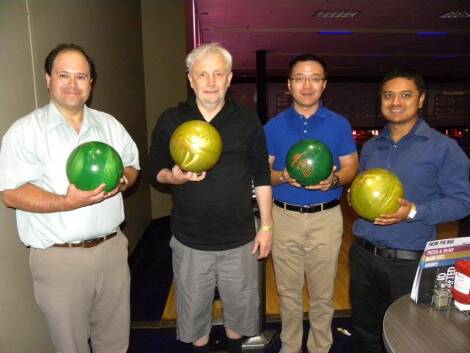
My sincere condolences to the whole family. We have lost a very intelligent scientist and colleague, but even more so a very good person.
I think it's important to look at his passing as a draw rather than a battle lost to cancer. Yes, it killed him, but his cancer died alongside him too.
Kudos to my mom for all the effort she put in to take care of him and stay by his side in his final months. That is no easy feat at all.
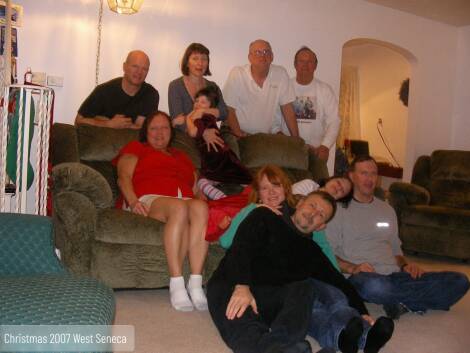
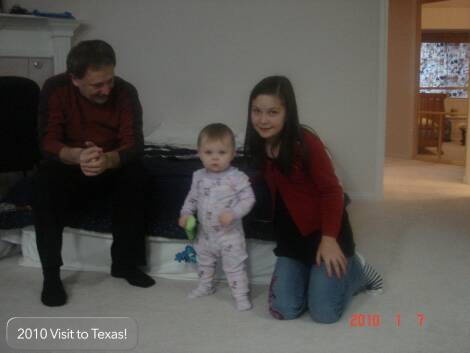
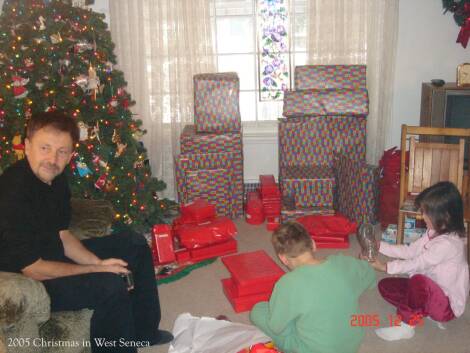
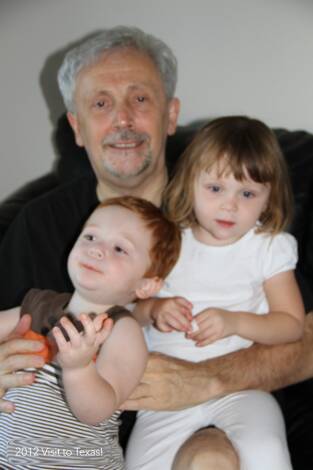
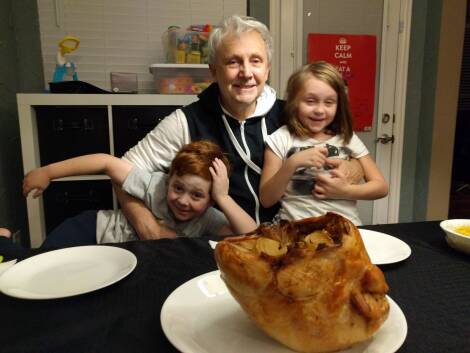
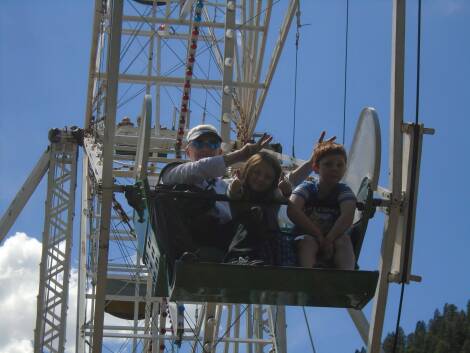
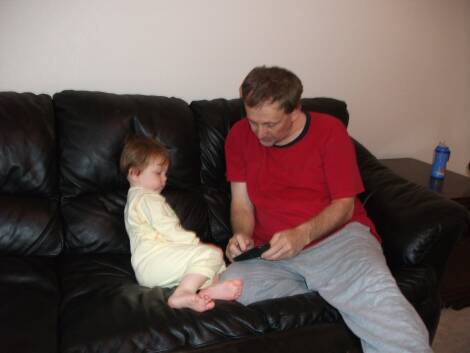
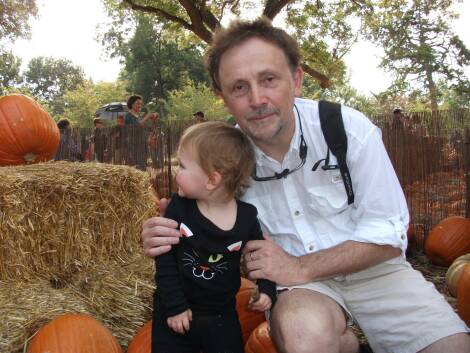
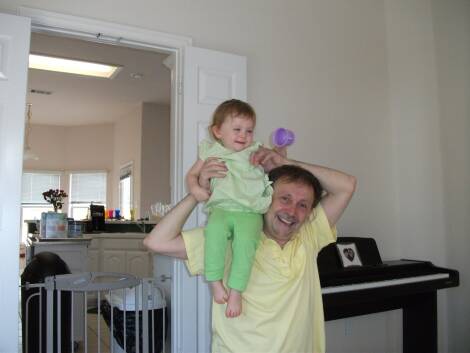
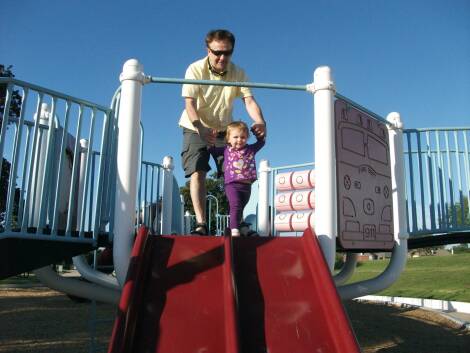
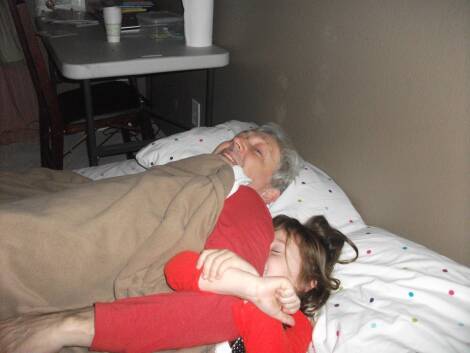
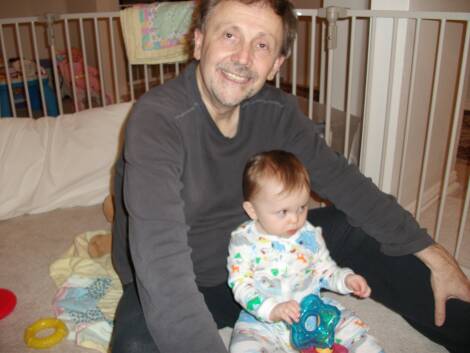
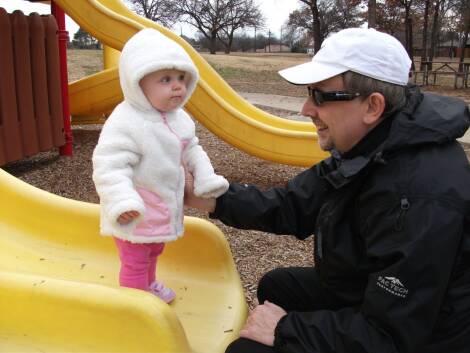
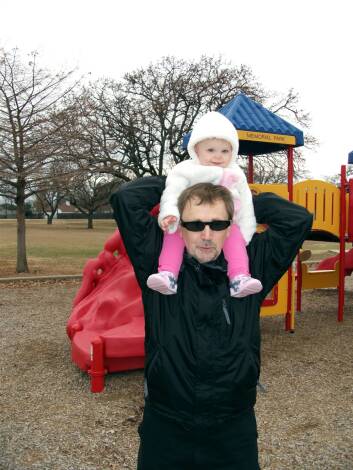
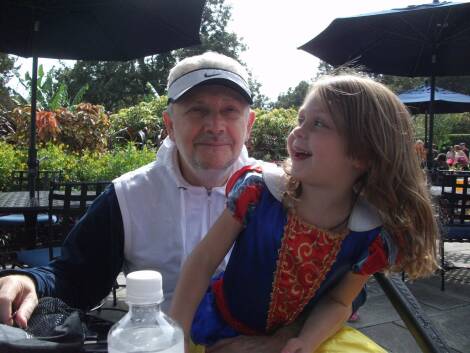
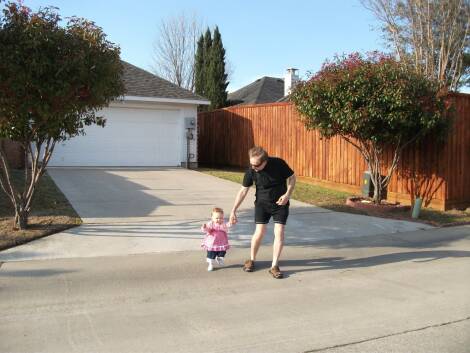
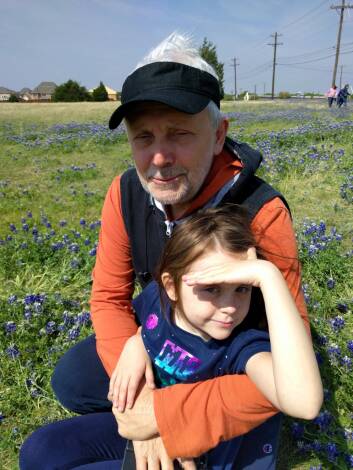
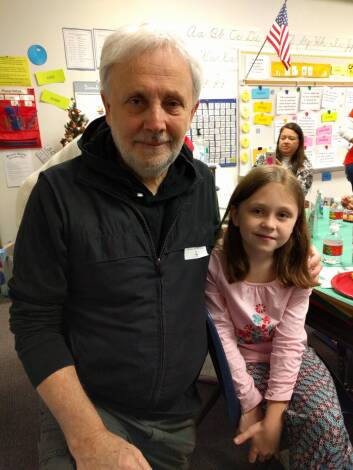
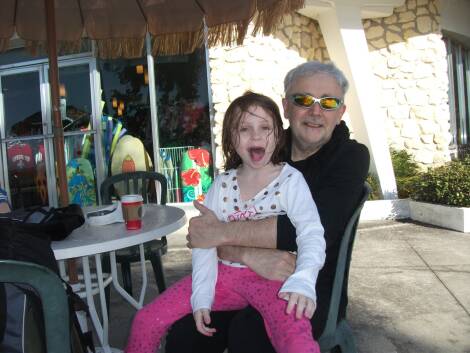
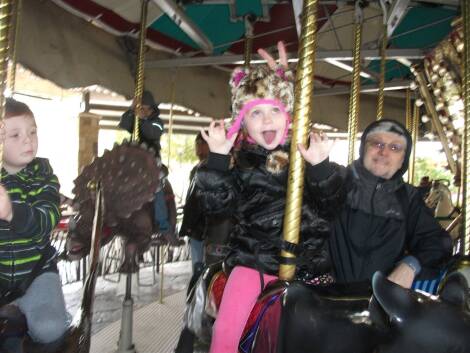
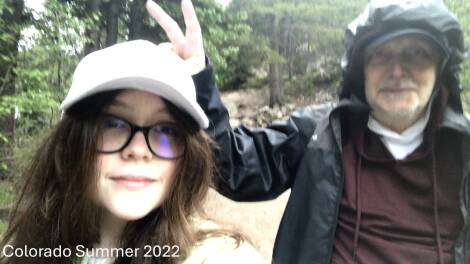
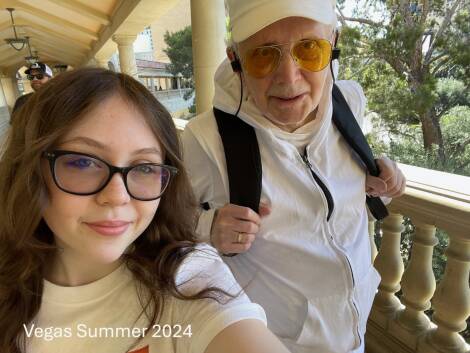
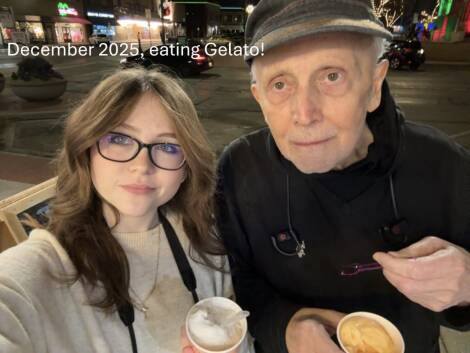
I've added additional photos from my childhood and more recent years with him below.


 Français
 Deutsch
 Nederlands
 Español
 Português
 Magyar
 Русский
 繁體中文
繁體中文