
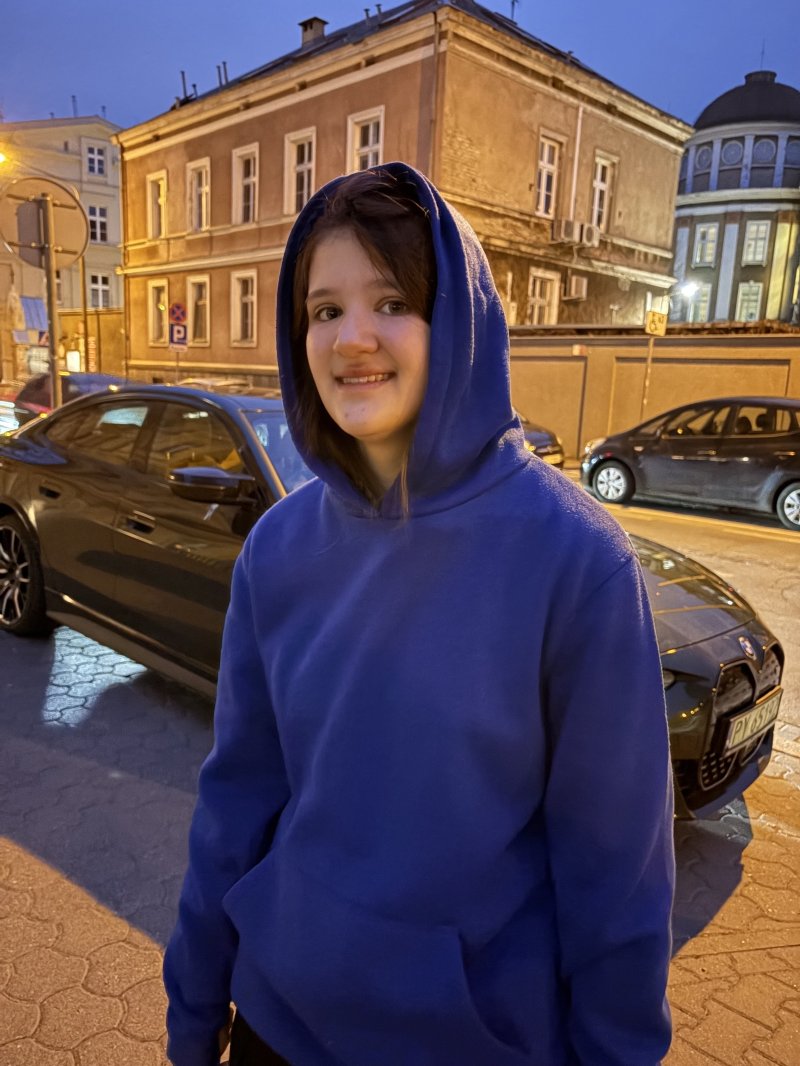
The greatest tribute to the dead is not grief but gratitude.
- Thornton Wilder
A Father's Personal Memories of Meggie
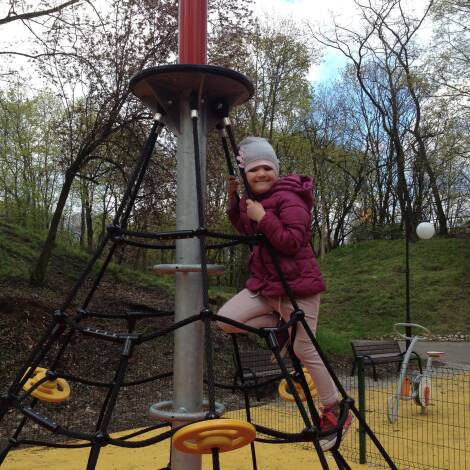
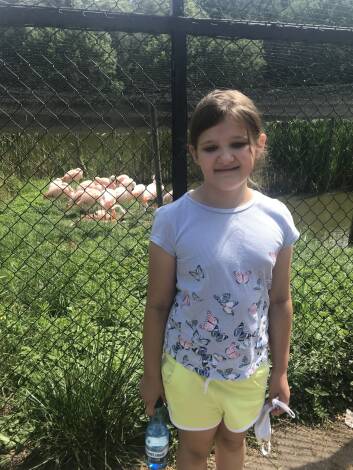
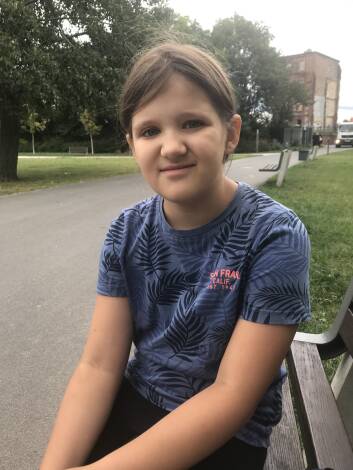
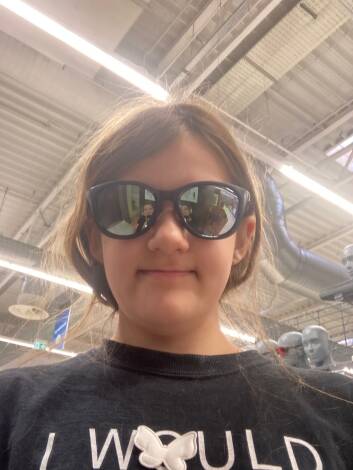
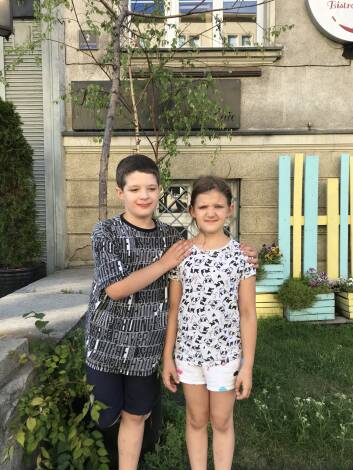
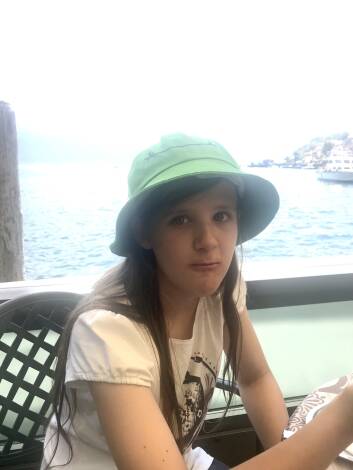
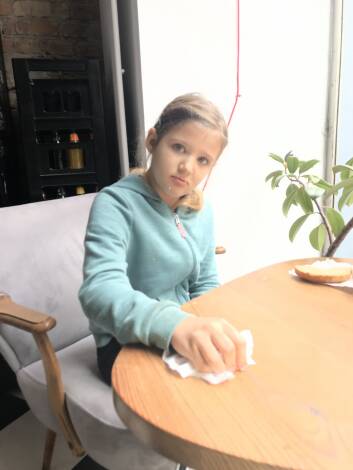
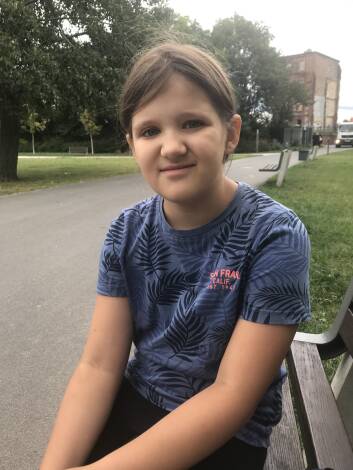
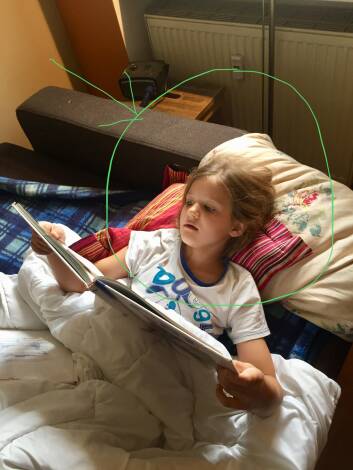
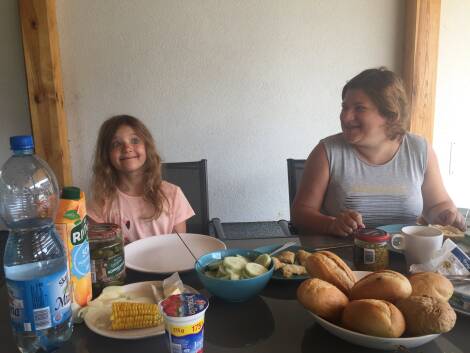
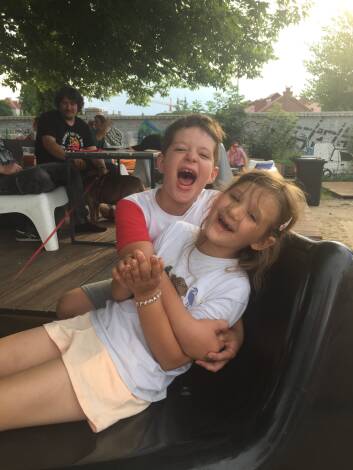
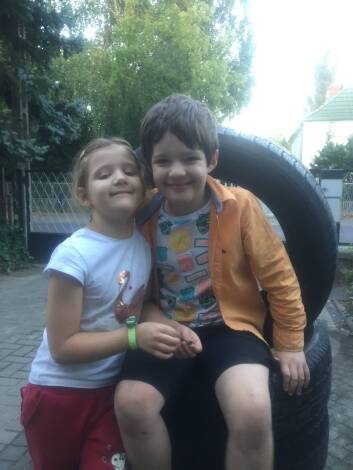
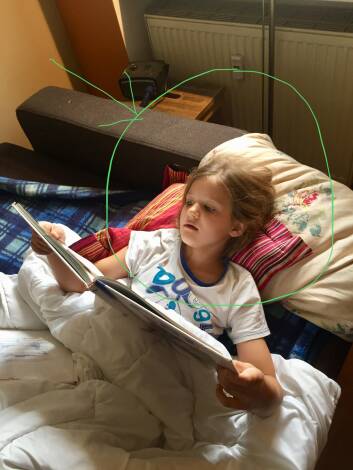
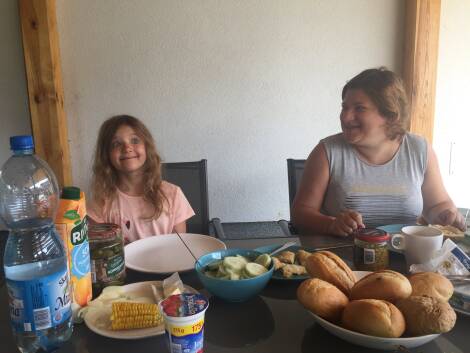
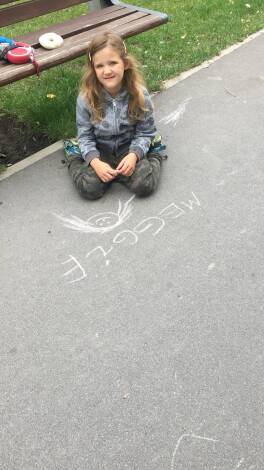
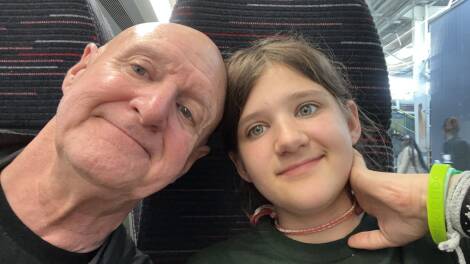
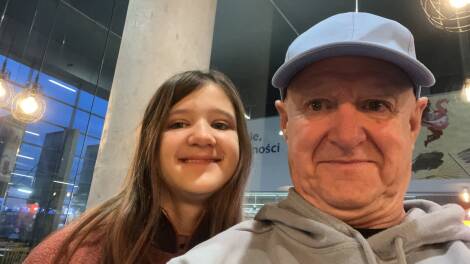
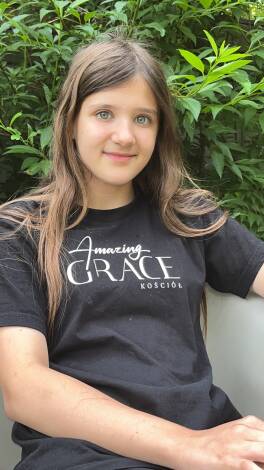
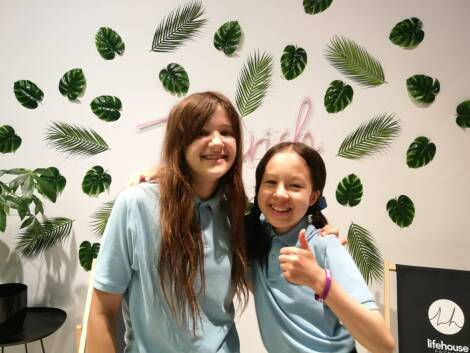
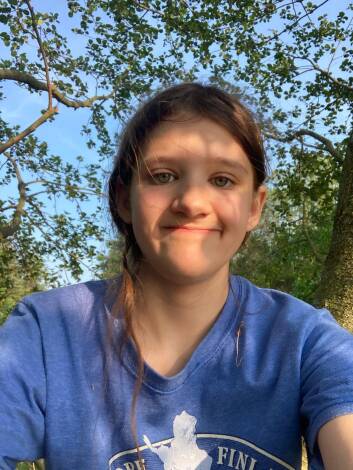
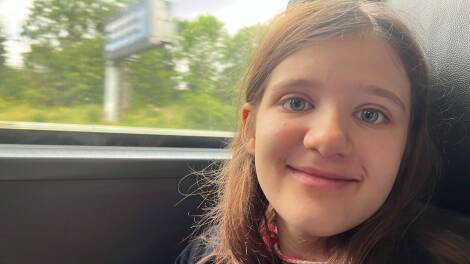
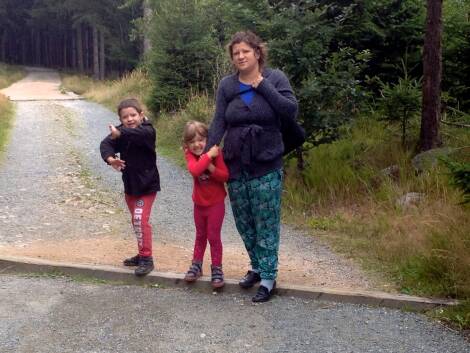
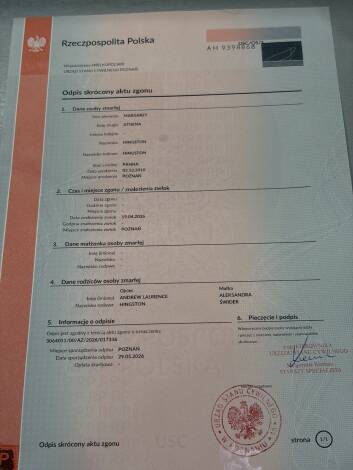
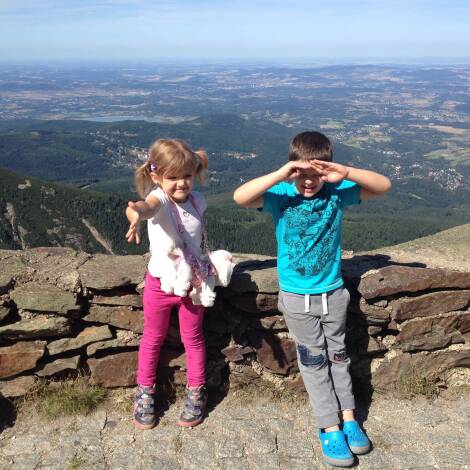
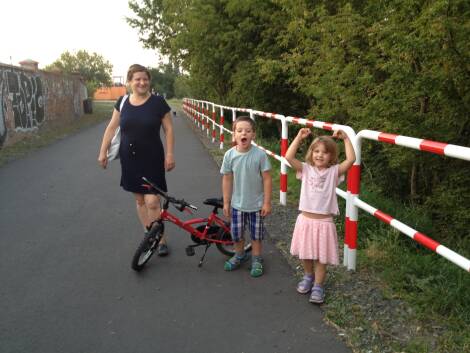
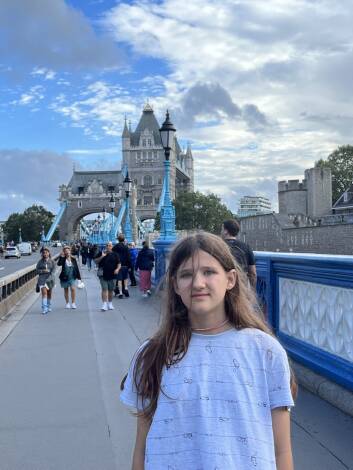
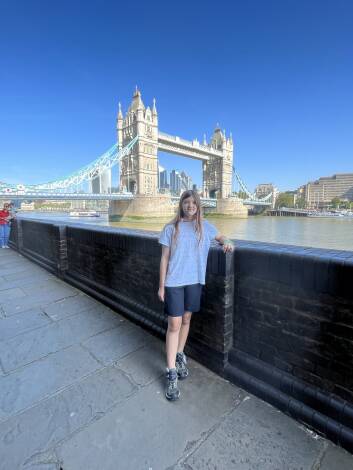
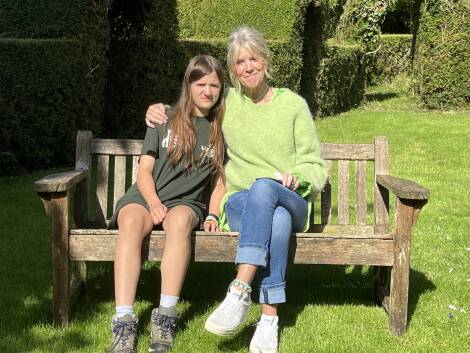
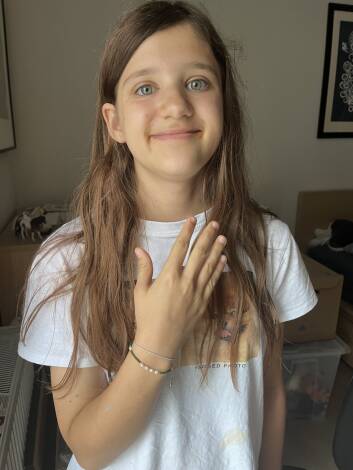
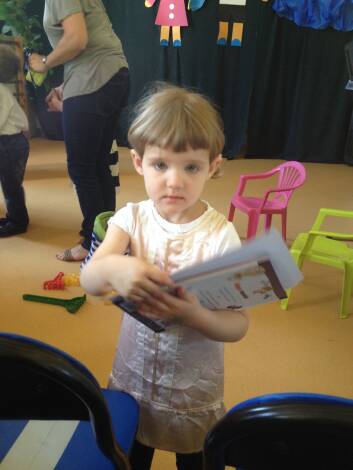
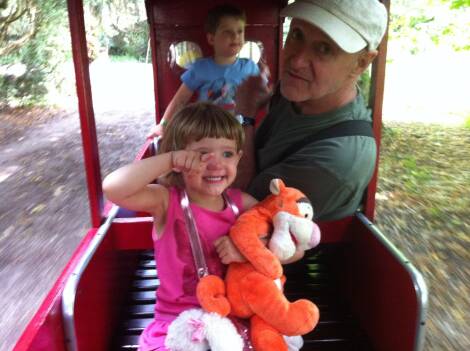
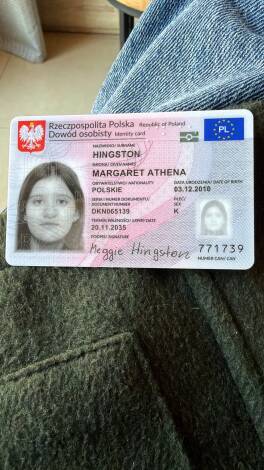
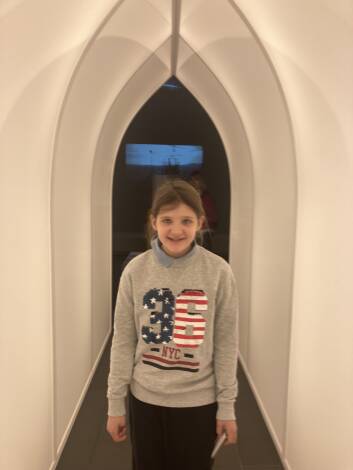
With deep sadness (often tipping into paralytic devastation), Meggie's mother and I acknowledge the unimaginable: the death of our beloved Meggie (Margaret Athena Hingston), who was born in Poznań, Poland, on 3 December 2010 and died by suicide in Poznań on 4 April 2026. Some things should never happen.
Meggie was the name she chose for herself. She didn't like Margaret or its Polish equivalent, Małgorzata. She would become angry if someone mistakenly called her Maggie. She was Meggie. That was all.
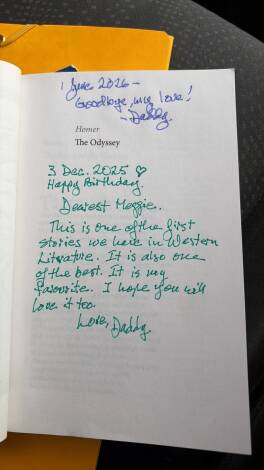
But to me, her father, she was often Athena (her middle name), "the goddess of everything important," and sometimes Nausicaa, the brave, wise, and self-assured young princess -- both important figures in Homer's Odyssey -- protectors of Odysseus on his long journey home from the Trojan Wars. To her mother, Meggie was almost always "Meglet," little Meggie, where little actually means its opposite: as big and important as the whole world. For her parents, she was as precious, as brilliant, and as hard as any diamond.
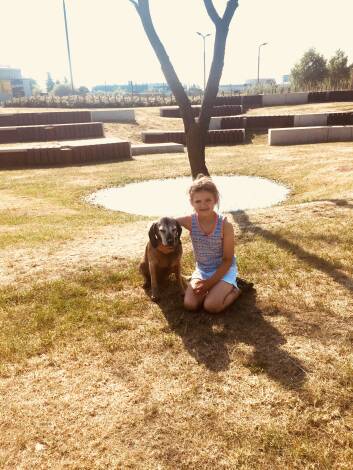
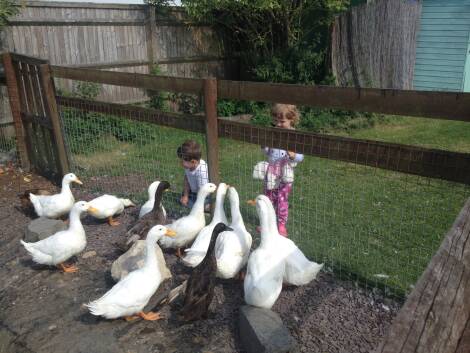
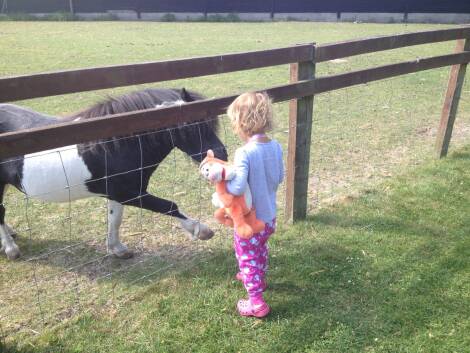
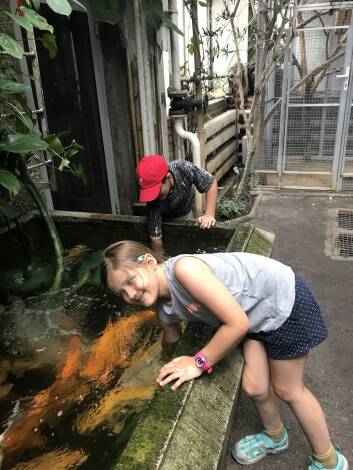
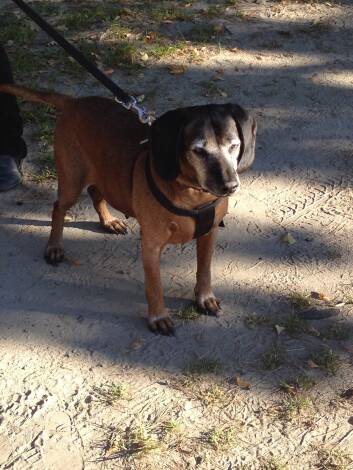
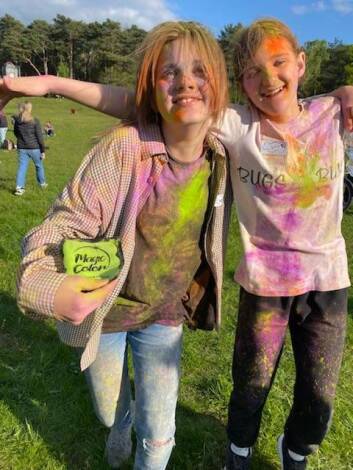
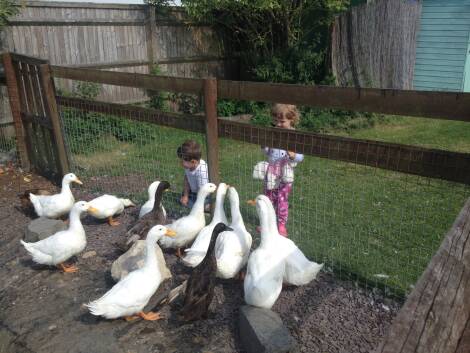
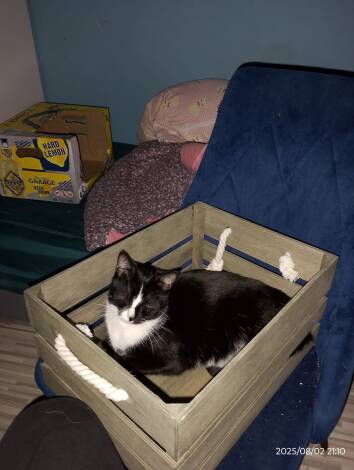
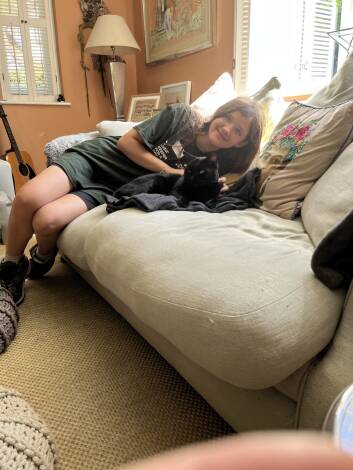
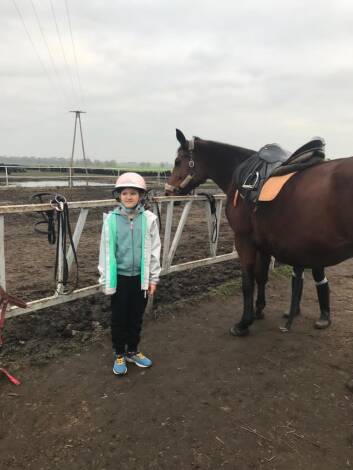
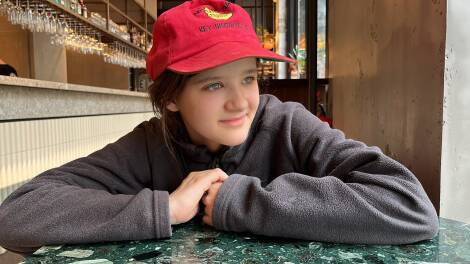
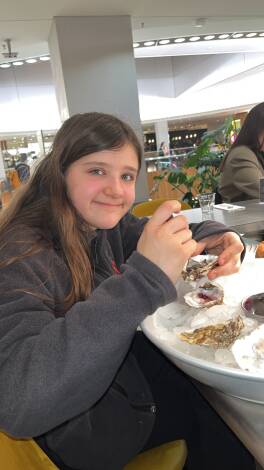
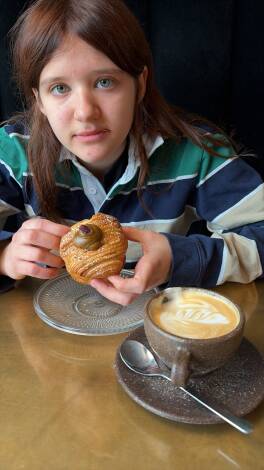
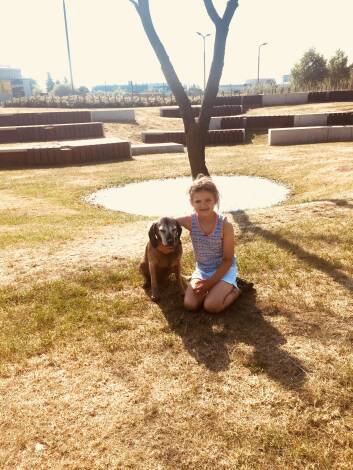
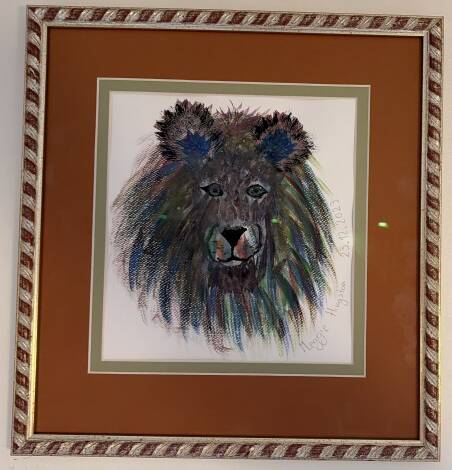
We remember Meggie for her energy, intelligence, loyalty, kindness (not always the same thing as gentleness), tenacity, her quirky sense of humour, generosity, strength, curiosity, stubbornness, maturity, remarkable gifts for logical thinking and reasoned argument, and, perhaps most telling of all, for her consistent and profound love of animals, both wild and domestic. She had ups and downs, ins and outs, swings and roundabouts, moments of silliness, and moments of grumpiness. She was tough as old boots, as her English cousins say.
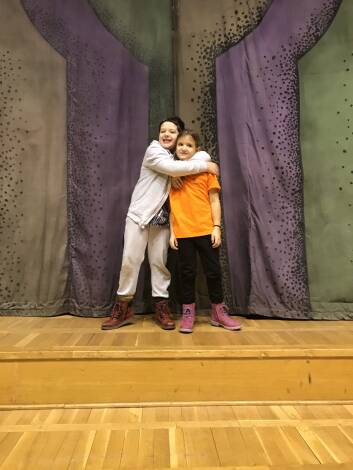
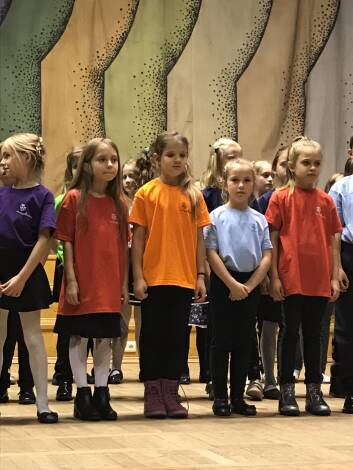
She was not a simple soul, not transparent; she had depth and nuance and a gift for mischief. She could be very funny. She was not always easy; she was often challenging; she was always wonderful. We sometimes called her "the President of Everything." Had she lived longer, we know she would have become the president of something, probably something important, perhaps of many things. Her potential was boundless, though she often had far less confidence in herself than she deserved to have. For many years, she tried not to stand out, a trait that was particularly evident at school, where she could have been at or near the top of her class in several subjects, but chose instead to ride along in the middle. One subject where she stood out and did not mind standing out: Drama, for which I credit her teacher, Alina Korycka, who recognised her gifts and nurtured them.
Meggie could be shockingly lazy if something didn't interest her, but intensely focused if it did. Like many children of the Smartphone generation, she didn't read much...except she read everything she could about animals. She retained what she learned; about animals, she was encyclopedic. Family, friends, neighbours, schoolmates, fellow scouts, colleagues, and acquaintances of all sorts experienced both her sweetness and her sharpness; she could be as calm and placid as a summer sunset or as intense and buffeting as a late winter thunderstorm. She had it all. And she gave it all she had. Until she had no more to give.
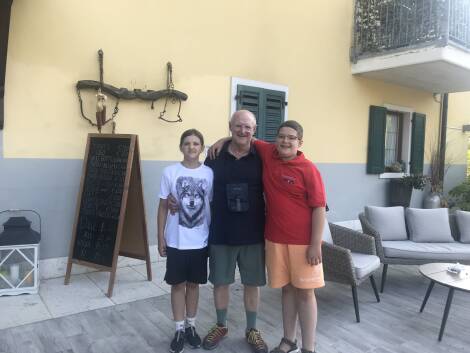
Throughout her fifteen years, Meggie built lasting connections and touched many lives through quiet acts of care, encouragement, and friendship. But she could break as well as build; she had ex-friends as well as forever-friends. Among her endearing traits was a wry sense of humour. She could seem almost English in that regard -- perhaps it was in her genes, for my family are English, though some of them (I and my brother, Meggie's uncle David) are also American. (It can be an odd cultural cocktail -- adding Polish vodka to the cocktail does not soften its effects.) In numerous ways, Meggie had a talent for creating indelible memories from seemingly simple events and contexts, memories that will remain forever vivid for those who had the privilege of knowing our complex and beautiful daughter. She was passionate, though she sometimes hid it. She was creative, though she often denied it. She lived by her own rules. If she thought something was right, it was right. If she thought something was wrong, it was wrong. Compromise was not part of her character. She was no politician. As has sometimes been said of other Hingstons, she did not suffer fools gladly.
She certainly could surprise and took great delight in doing so. One day, she came to me, her father, with her neck covered in what in America are called hickies or "monkey bites" (malinki in Polish). She was fourteen or fifteen and discovering herself and her own desires, needs, attachments, pleasures, and attractions. I smiled and asked, "Meggie, do you have a boyfriend?" NO, came the firm reply. "A girlfriend?" YES, spoken with a smirky smile on her face and a glint in her eye, as if daring me to be shocked. Was she gay or experimenting or exploring or rebelling or just loving ... We will never know. What we do know is that her first love was very real, very intense, and very important. Like us, the girl whom Meggie loved has been shattered by Meggie's suicide. Our hearts go out to her. She might someday move on from Meggie; she can never fully move on from this tragedy. She will be scarred forever. This is not something anyone should have to go through -- certainly not someone just starting on the journey of life.
Meggie's untimely and unexpected death leaves a hollow space that will disturb and haunt her mother and me for the rest of our lives -- like a phantom limb, an empty chair at the table, an unresolved chord. Yet the memories, lessons, and moments of energetic excitement that Meggie shared with us will continue to live in our hearts and the hearts of those who were fortunate to know her. Gratitude is exactly the right feeling, even though at times we are overwhelmed with sadness and longing.
Sometime between 22:00 and 23:00 on the night of Easter Saturday, 4 April 2026, under a waning gibbous moon that had been full only two days before, Meggie left her phone and her headset on a bench on the Berdychowski pedestrian bridge in central Poznań and jumped into the Warta River. The fall was not great; it did not kill her. But the water was cold, and the spring current was swift. She drowned. Her lifeless body lodged amongst the reeds by the river. Though they looked very intensely and diligently, it took the police and emergency services nearly two weeks to find her. By that time, she could only be identified by DNA. Her remains were cremated in Poznań on 1 June. Ironically, Poland celebrates "Childrens' Day" on 1 June.
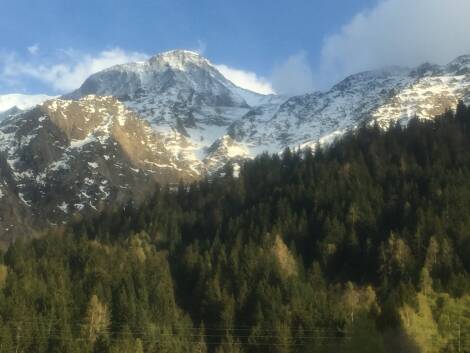
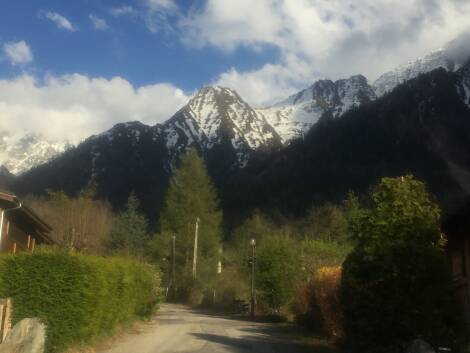
The usual practice in Poland is for the ashes to be buried in a sanctified cemetery or placed in a columbarium. Meggie's mother and I know she would never have wanted that. She rebelled against confinement and constraint in any form. And so we plan to take her ashes to someplace wild and unspoilt, where there are wild animals, wild birds, and wild weather; and there we will set her spirit free. It will be our last gift to her.
We have only just begun to plan for a funeral. I am not religious (though I am a lackadaisical -- I call myself "aspiring" -- Buddhist). Ola, my wife, was raised a Catholic, like almost all Polish people, but nearly a decade ago she left Catholicism and joined a group of Evangelical (ie fundamentalist, Biblical-absolutist) Christians. Recently, that has not gone well. The Evangelicals refused to give Meggie a funeral. Their reasons were flimsy and smelt strongly of hypocrisy; Ola and I suspect the real reason was because Meggie's sexuality was emerging as gay. Fed up with and disgusted by the duplicitous Evangelicals, I approached my baptismal church, the Anglicans (Episcopalians), who immediately and unhesitatingly said, "Of course, we will give Meggie a funeral." So that is now the direction we're headed. Meggie will receive a funeral service offered by the Anglican Church of Warsaw, where my dear late friend, Robert Gamble, was once vicar. The Anglican service is very similar to the Catholic service, so Ola's family, if they come, will not feel as uncomfortable and alienated as they would have felt amongst Evangelicals, who do a lot of claps and exclaiming. The funeral is likely to be in July. Ola lost her daughter, her community, and, to a large extent, her faith, all at the same time and for the same reasons. Life is just one goddamned thing after another.
For now, instead of a funeral service, there has just been what in America is called a Celebration of Life. It was held on Saturday, 20 June 2026, from 11:00 - 13:00, at Taras Słoneczny (cafe on the hill near the old amphitheatre) in Park Cytadela in Poznań. It went as well as such things can -- there were laughter, camaraderie, and a lot of tears. It's a relief to know one has done one's best.
Prayers for Meggie (and for us all):
There is a prayer known as the Brahmavihara (The Four Immeasurables) that is common to several Indian religious practices, including Hinduism and Buddhism. I taught this prayer to Meggie. It is a universal prayer for the benefit of all beings without regard to their religion (or absence of religion). Here it is translated into contemporary English:
"May all beings be happy. May all beings be safe. May all beings be healthy. May all beings live with ease.
May all beings be free from suffering. May all beings be free from pain. May all beings be free from sorrow. May all beings be free from affliction.
May all beings never be deprived of their happiness. May all beings rejoice in the good fortune of others.
May all beings live in equanimity, free from attachment and aversion. May all beings be at peace, undisturbed by the ups and downs of life."
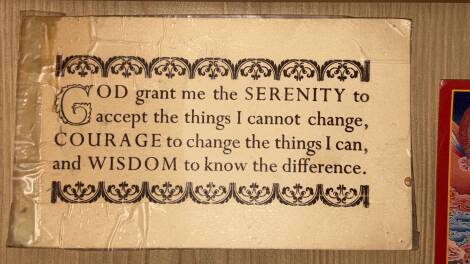
Reflecting a similar wisdom, there is also the well-known Serenity Prayer, first composed shortly before the Second World War by the American Protestant theologian, Reinhold Niebuhr:
"God, grant me the serenity to accept the things I cannot change, the courage to change the things I can, and the wisdom to know the difference."
Here is more Buddhist wisdom, a contemporary English translation of a verse from The Bodhisattva's Way by the Eighth Century Indian Mahayana Buddhist monk and scholar, Shantideva:
"If you have a problem and you can solve it, then solve it. But don't worry.
If you have a problem and you cannot solve it, then don't solve it. But don't worry."
Meggie learned all these things from me. She liked them all, especially the Shantideva.
However, Meggie was a practicing (if sometimes sceptical) Christian. Here is the most famous of Christian prayers:
From Matthew 6:9–13 (KJV):
"Our Father which art in heaven, Hallowed be thy name. Thy kingdom come, Thy will be done in earth, as it is in heaven. Give us this day our daily bread. And forgive us our debts, as we forgive our debtors. And lead us not into temptation, but deliver us from evil: For thine is the kingdom, and the power, and the glory, for ever. Amen."
The "Mourner's Kaddish" is the principal Jewish prayer of bereavement. It is normally recited in Aramaic rather than Biblical Hebrew. Notice that it does not mention death. It is an exhaltation of the greatness of God and a wish for peace. The version printed here is as recited in synagogue, but it can also be recited (or offered silently) by an individual.
Exalted and hallowed be His great Name. (Congregation responds: "Amen.")
Throughout the world which He has created according to His Will. May He establish His kingship, bring forth His redemption and hasten the coming of His Moshiach. (Cong: "Amen.")
In your lifetime and in your days and in the lifetime of the entire House of Israel, speedily and soon, and say, Amen.
(Cong: "Amen. May His great Name be blessed forever and to all eternity, blessed.")
May His great Name be blessed forever and to all eternity. Blessed and praised, glorified, exalted and extolled, honored, adored and lauded be the Name of the Holy One, blessed be He. (Cong: "Amen.")
Beyond all the blessings, hymns, praises and consolations that are uttered in the world; and say, Amen. (Cong: "Amen.")
May there be abundant peace from heaven, and a good life for us and for all Israel; and say, Amen. (Cong: "Amen.")
He Who makes peace (Between Rosh Hashana and Yom Kippur substitute: "the peace") in His heavens, may He make peace for us and for all Israel; and say, Amen. (Cong: "Amen.")
Poems
Ulysses
By Alfred, Lord Tennyson
It little profits that an idle king,
By this still hearth, among these barren crags,
Match'd with an aged wife, I mete and dole
Unequal laws unto a savage race,
That hoard, and sleep, and feed, and know not me.
I cannot rest from travel: I will drink
Life to the lees: All times I have enjoy'd
Greatly, have suffer'd greatly, both with those
That loved me, and alone, on shore, and when
Thro' scudding drifts the rainy Hyades
Vext the dim sea: I am become a name;
For always roaming with a hungry heart
Much have I seen and known; cities of men
And manners, climates, councils, governments,
Myself not least, but honour'd of them all;
And drunk delight of battle with my peers,
Far on the ringing plains of windy Troy.
I am a part of all that I have met;
Yet all experience is an arch wherethro'
Gleams that untravell'd world whose margin fades
For ever and forever when I move.
How dull it is to pause, to make an end,
To rust unburnish'd, not to shine in use!
As tho' to breathe were life! Life piled on life
Were all too little, and of one to me
Little remains: but every hour is saved
From that eternal silence, something more,
A bringer of new things; and vile it were
For some three suns to store and hoard myself,
And this gray spirit yearning in desire
To follow knowledge like a sinking star,
Beyond the utmost bound of human thought.
This is my son, mine own Telemachus,
To whom I leave the sceptre and the isle,—
Well-loved of me, discerning to fulfil
This labour, by slow prudence to make mild
A rugged people, and thro' soft degrees
Subdue them to the useful and the good.
Most blameless is he, centred in the sphere
Of common duties, decent not to fail
In offices of tenderness, and pay
Meet adoration to my household gods,
When I am gone. He works his work, I mine.
There lies the port; the vessel puffs her sail:
There gloom the dark, broad seas. My mariners,
Souls that have toil'd, and wrought, and thought with me—
That ever with a frolic welcome took
The thunder and the sunshine, and opposed
Free hearts, free foreheads—you and I are old;
Old age hath yet his honour and his toil;
Death closes all: but something ere the end,
Some work of noble note, may yet be done,
Not unbecoming men that strove with Gods.
The lights begin to twinkle from the rocks:
The long day wanes: the slow moon climbs: the deep
Moans round with many voices. Come, my friends,
'T is not too late to seek a newer world.
Push off, and sitting well in order smite
The sounding furrows; for my purpose holds
To sail beyond the sunset, and the baths
Of all the western stars, until I die.
It may be that the gulfs will wash us down:
It may be we shall touch the Happy Isles,
And see the great Achilles, whom we knew.
Tho' much is taken, much abides; and tho'
We are not now that strength which in old days
Moved earth and heaven, that which we are, we are;
One equal temper of heroic hearts,
Made weak by time and fate, but strong in will
To strive, to seek, to find, and not to yield.
*. *. *
Love The Wild Swan
By Robinson Jeffers
"I hate my verses, every line, every word.
Oh pale and brittle pencils ever to try
One grass-blade's curve, or the throat of one bird
That clings to twig, ruffled against white sky.
Oh cracked and twilight mirrors ever to catch
One color, one glinting
Hash, of the splendor of things.
Unlucky hunter, Oh bullets of wax,
The lion beauty, the wild-swan wings, the storm of the wings."
—This wild swan of a world is no hunter's game.
Better bullets than yours would miss the white breast
Better mirrors than yours would crack in the flame.
Does it matter whether you hate your . . . self?
At least Love your eyes that can see, your mind that can
Hear the music, the thunder of the wings. Love the wild swan.
*. *. *
In a Dark Time
By Theodore Roethke
In a dark time, the eye begins to see,
I meet my shadow in the deepening shade;
I hear my echo in the echoing wood—
A lord of nature weeping to a tree.
I live between the heron and the wren,
Beasts of the hill and serpents of the den.
What’s madness but nobility of soul
At odds with circumstance? The day’s on fire!
I know the purity of pure despair,
My shadow pinned against a sweating wall.
That place among the rocks—is it a cave,
Or winding path? The edge is what I have.
A steady storm of correspondences!
A night flowing with birds, a ragged moon,
And in broad day the midnight come again!
A man goes far to find out what he is—
Death of the self in a long, tearless night,
All natural shapes blazing unnatural light.
Dark, dark my light, and darker my desire.
My soul, like some heat-maddened summer fly,
Keeps buzzing at the sill. Which I is I?
A fallen man, I climb out of my fear.
The mind enters itself, and God the mind,
And one is One, free in the tearing wind.
Gallery
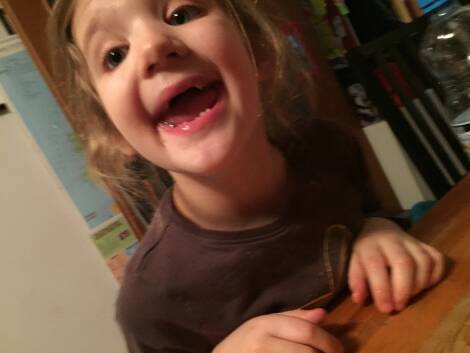
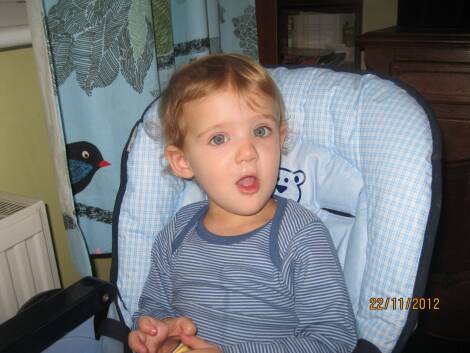
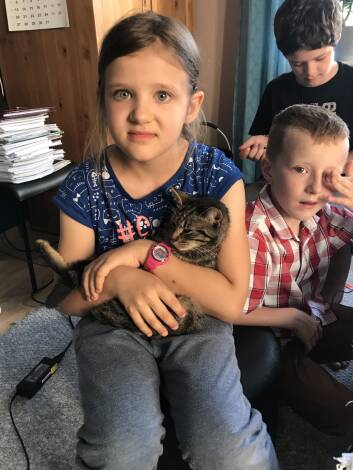

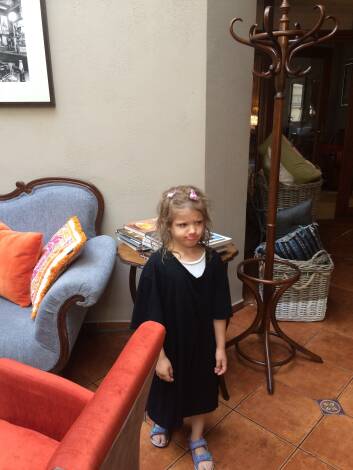
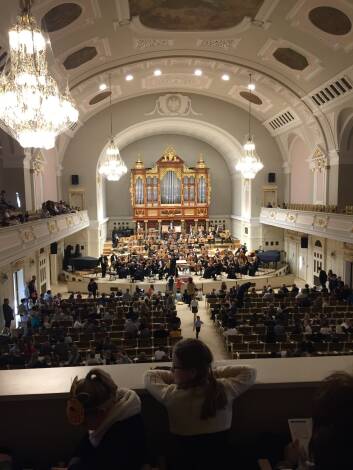
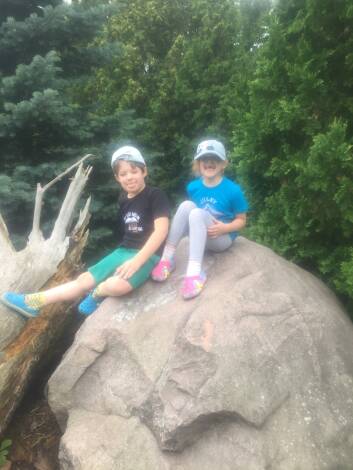
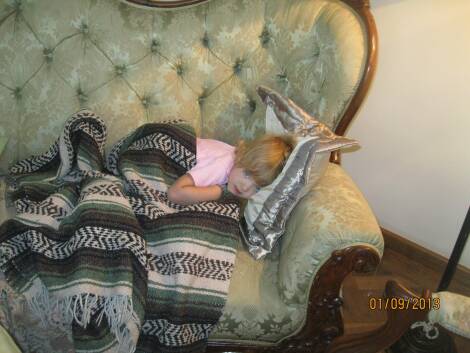
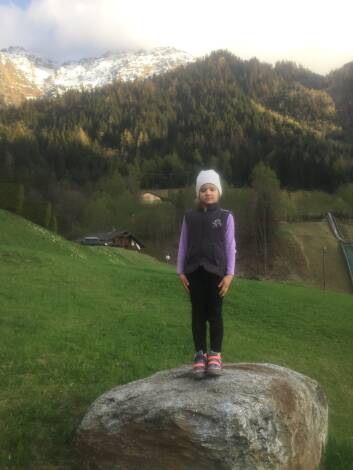
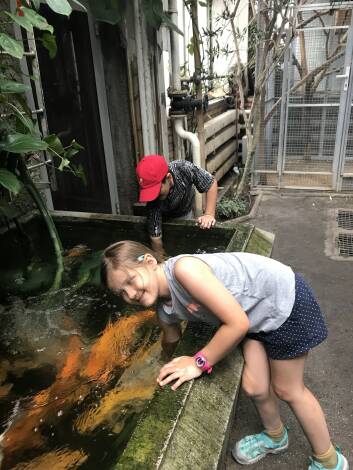
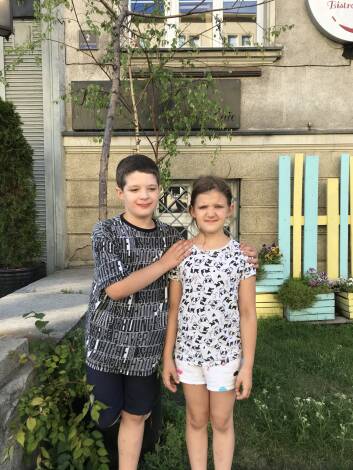
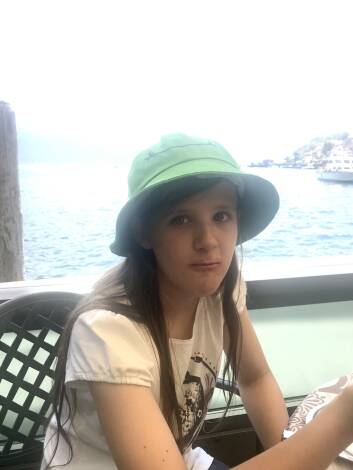
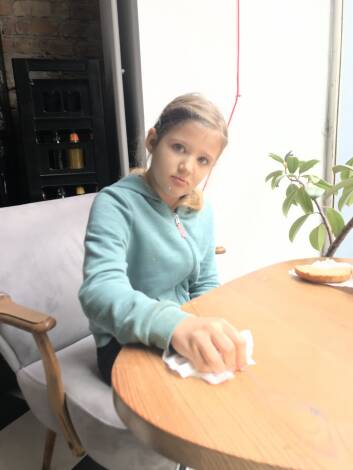
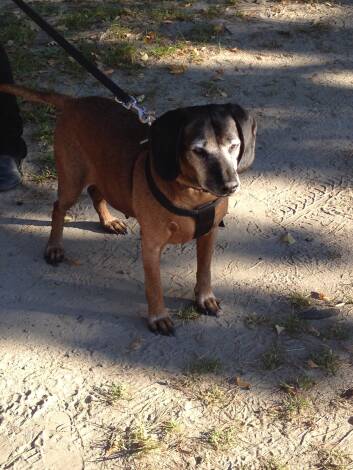
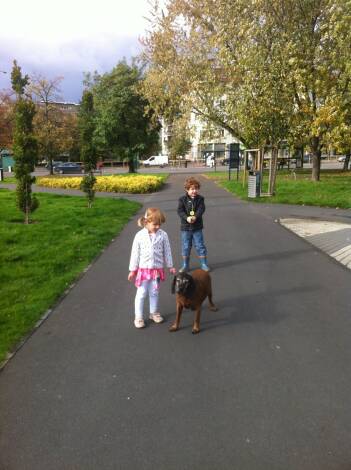
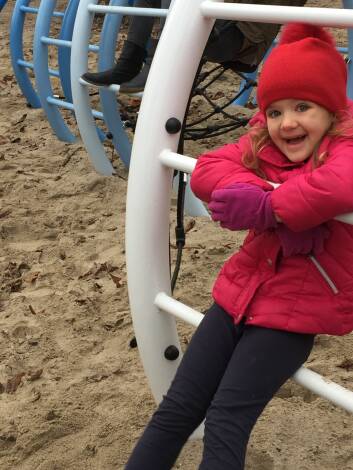

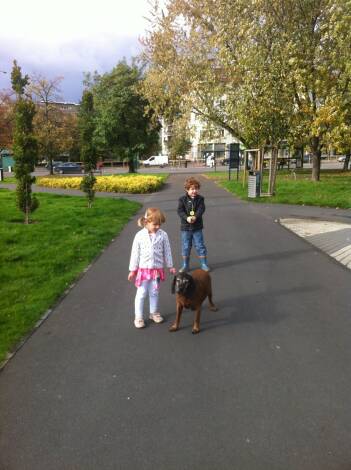
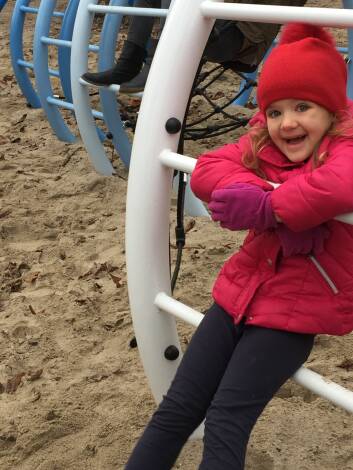
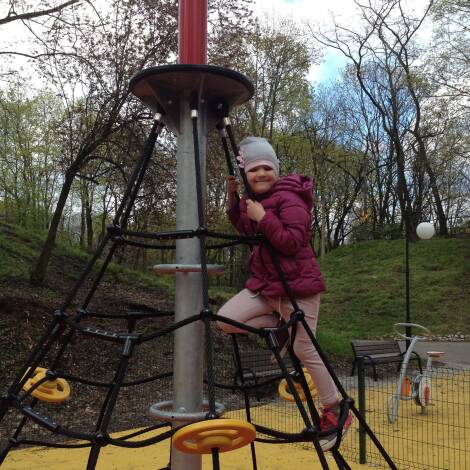


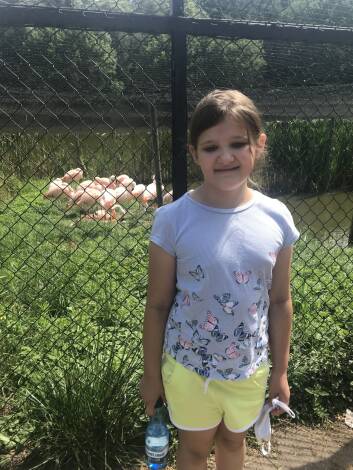
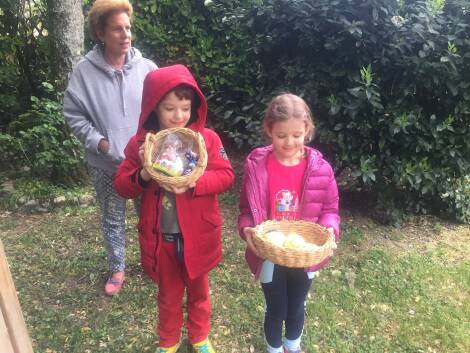
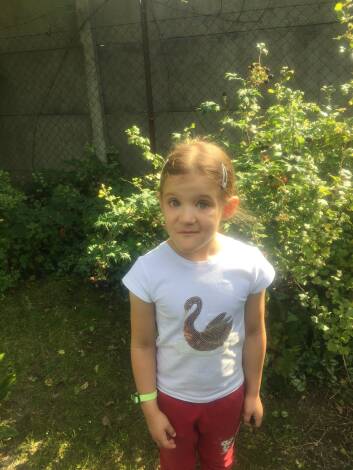
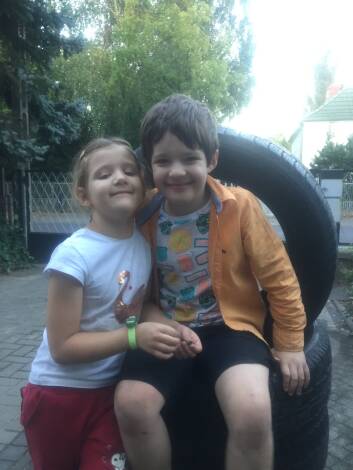

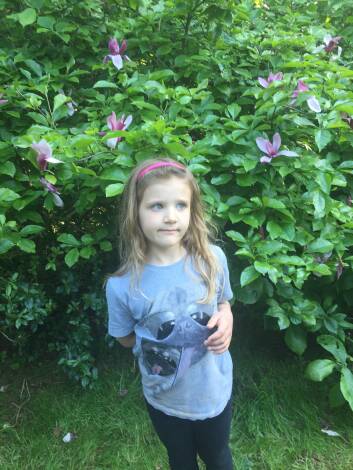


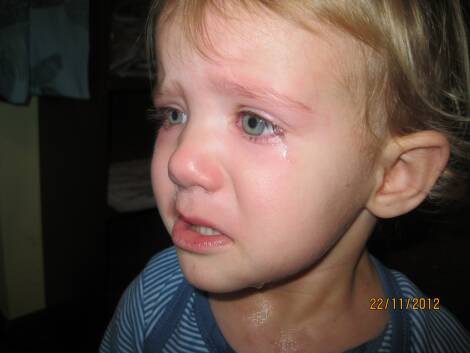

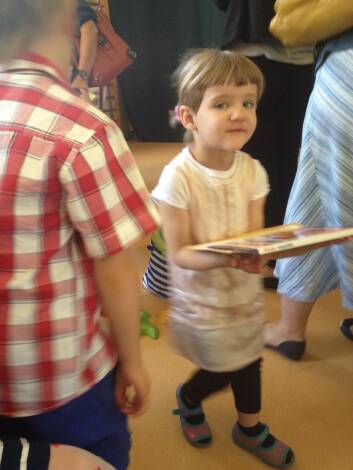

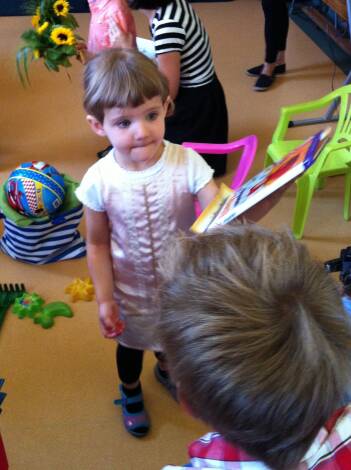
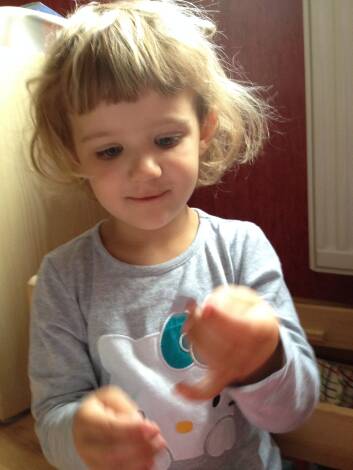
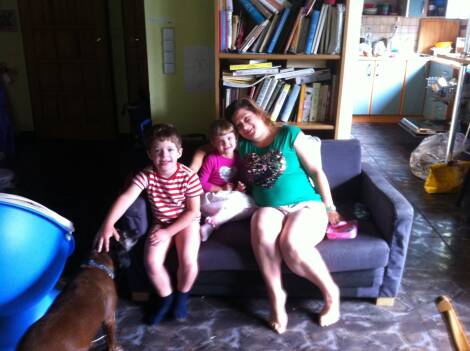

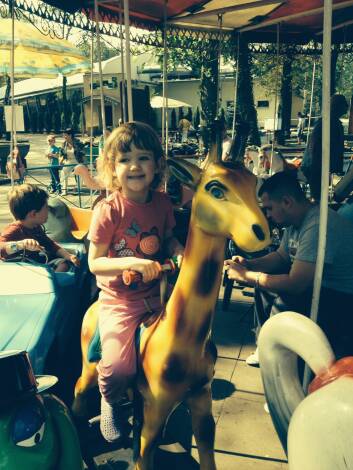
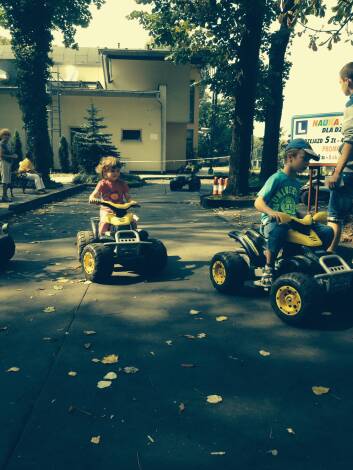

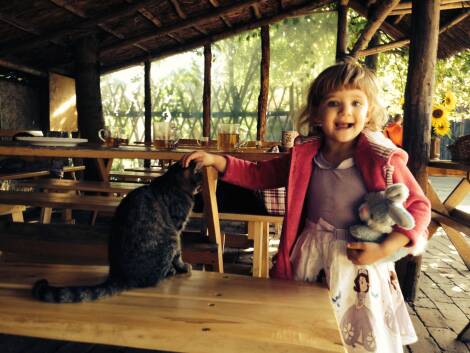
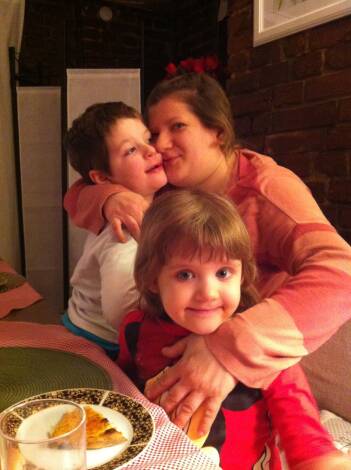
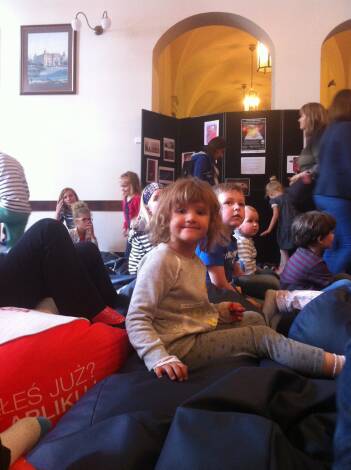

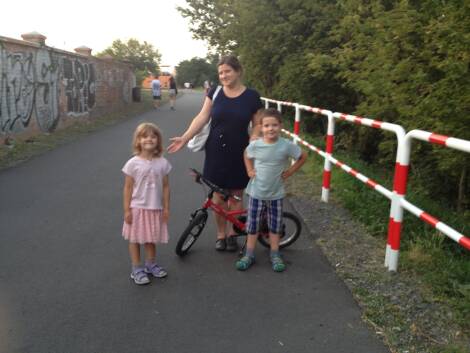

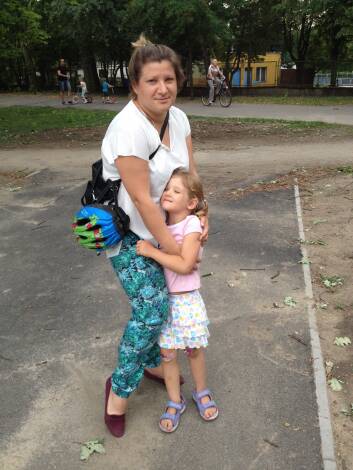
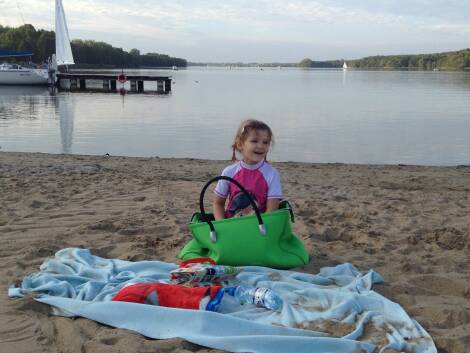
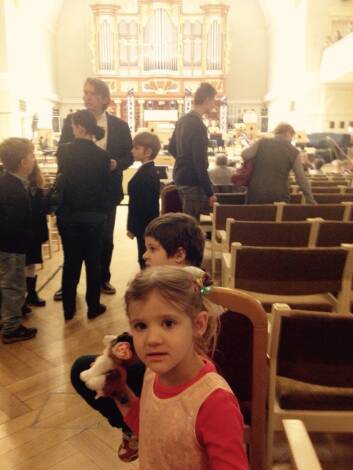
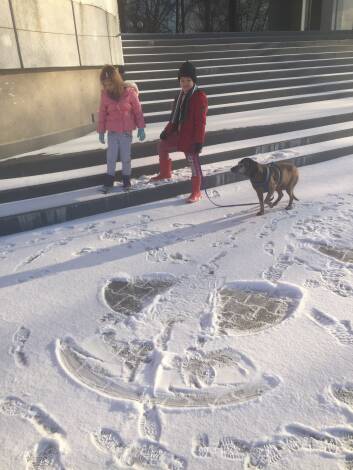
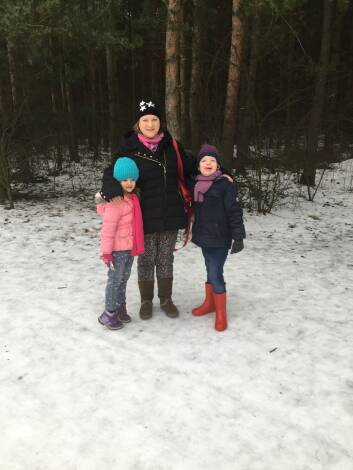
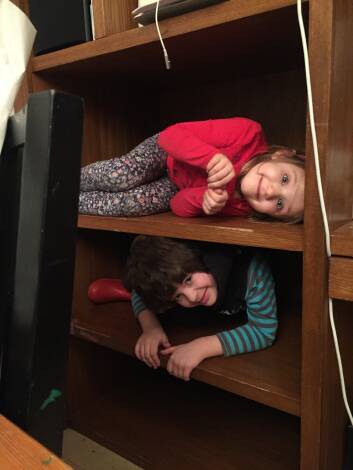

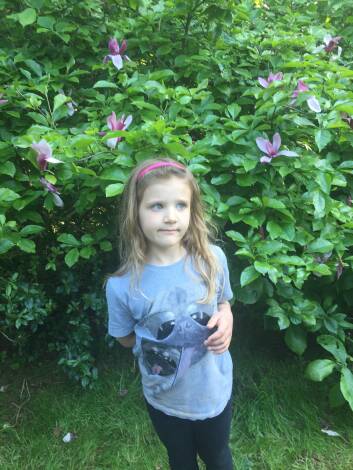
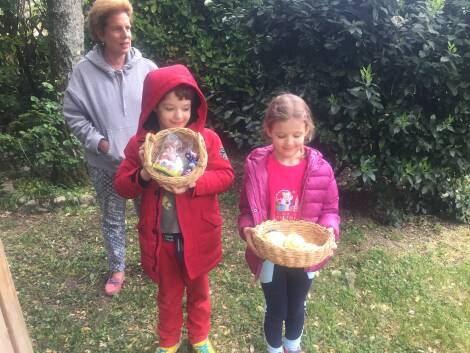
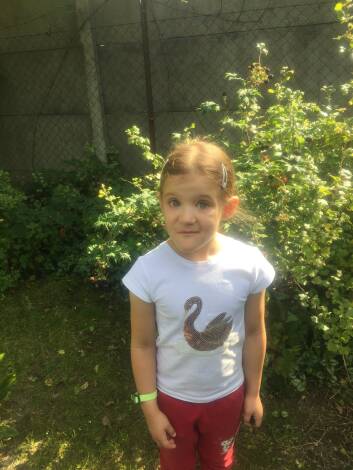


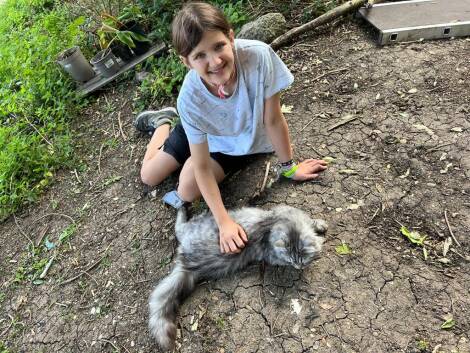
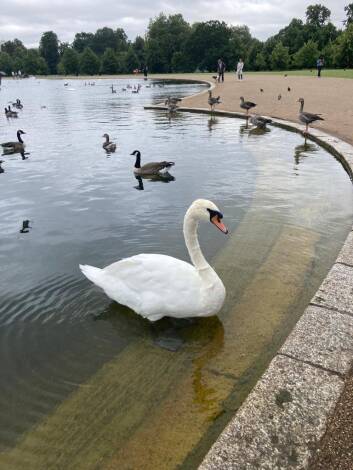

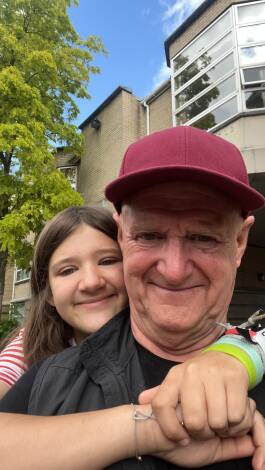
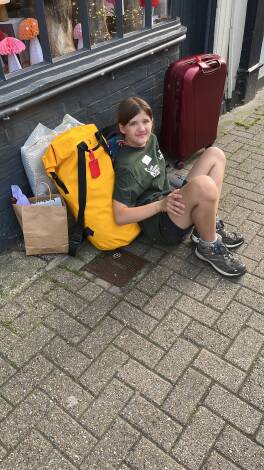


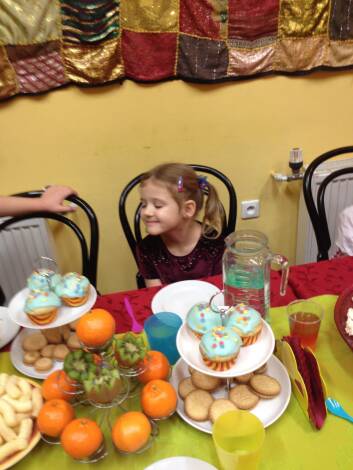

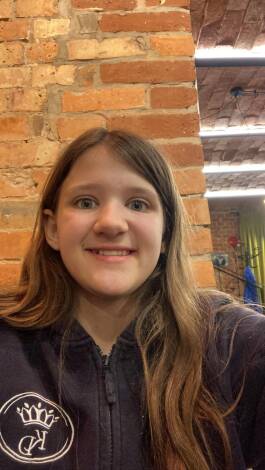
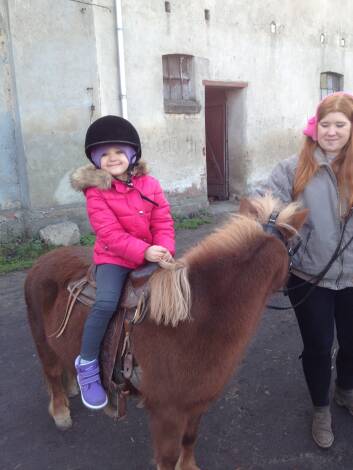
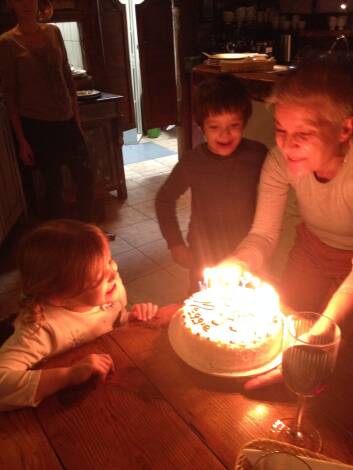
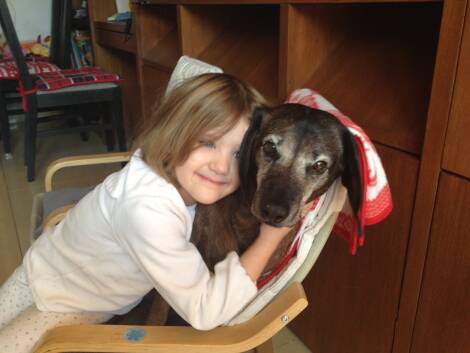
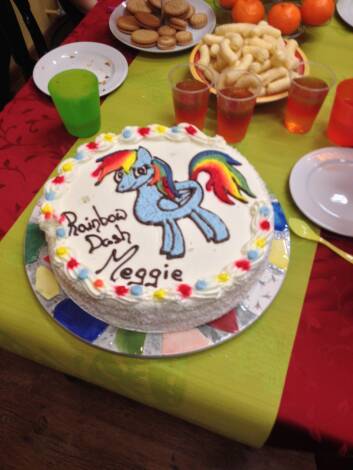
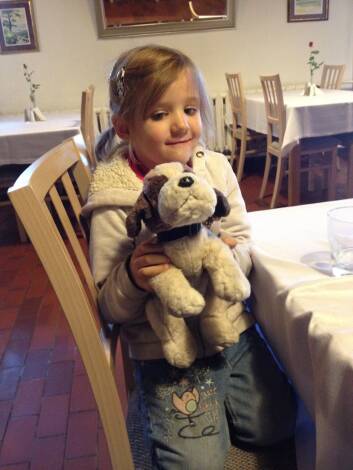
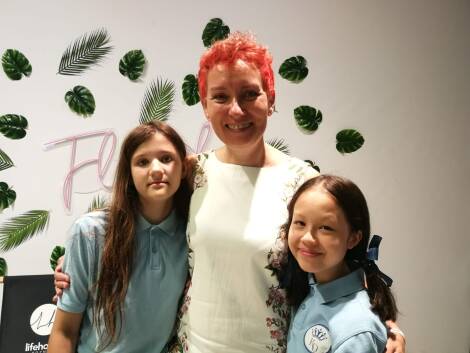
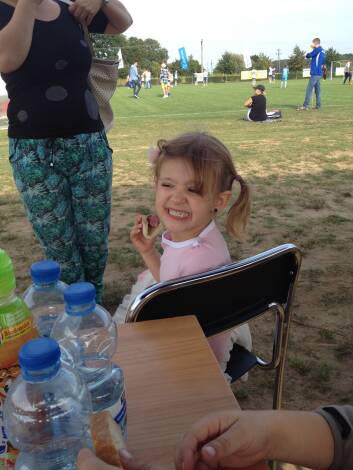

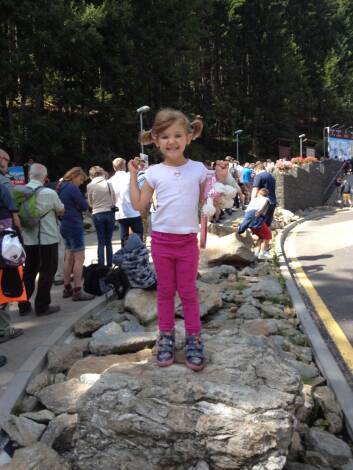
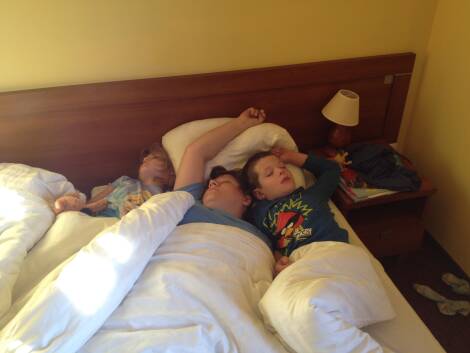



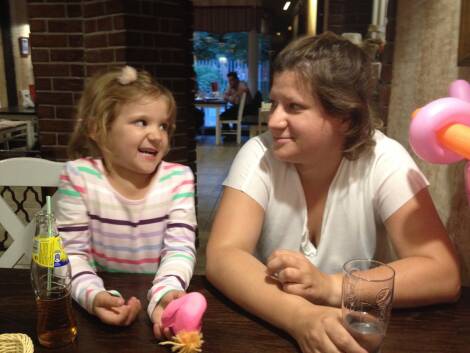

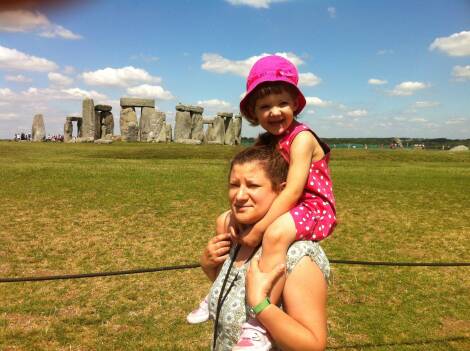
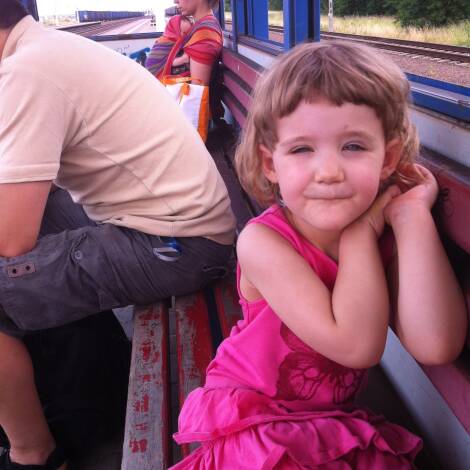
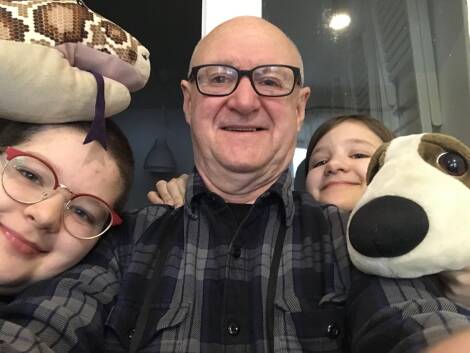
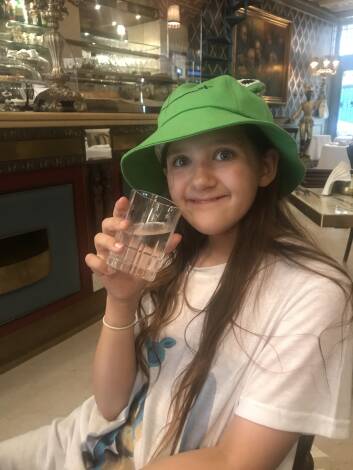

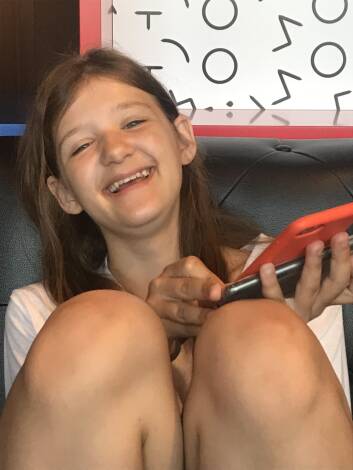
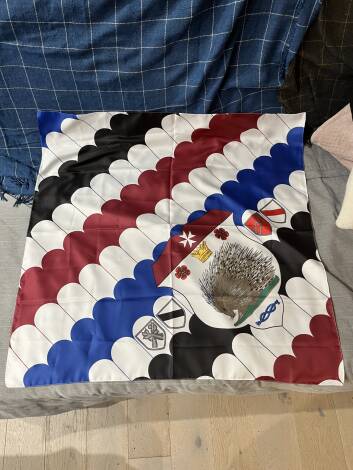
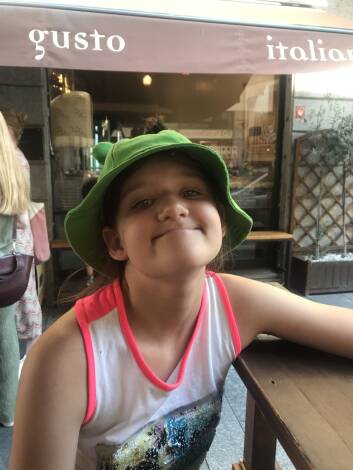
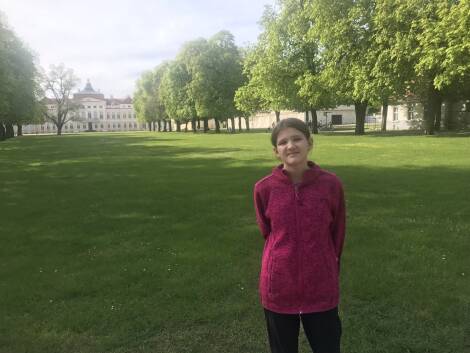
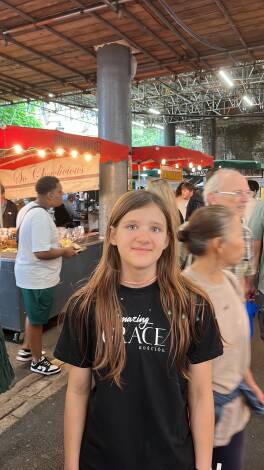

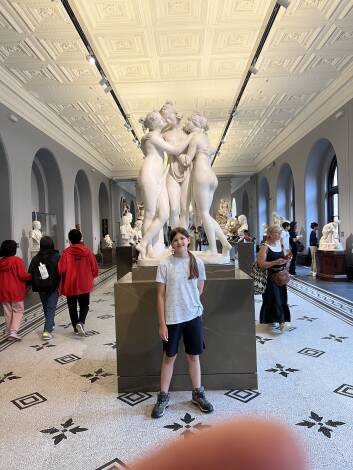
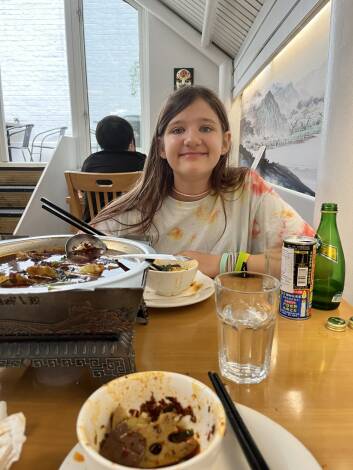








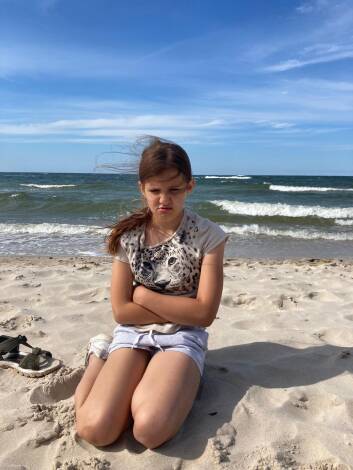

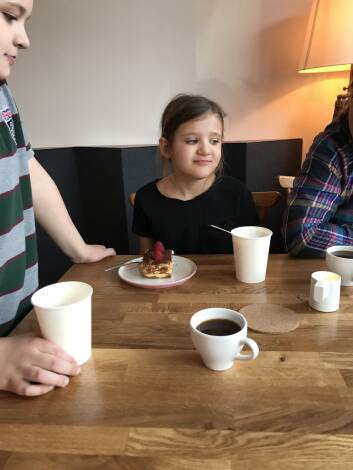
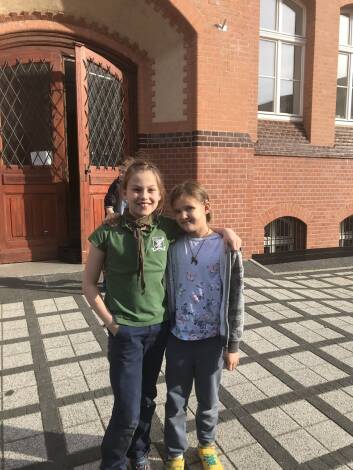
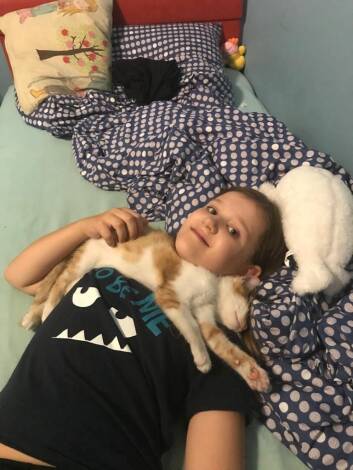



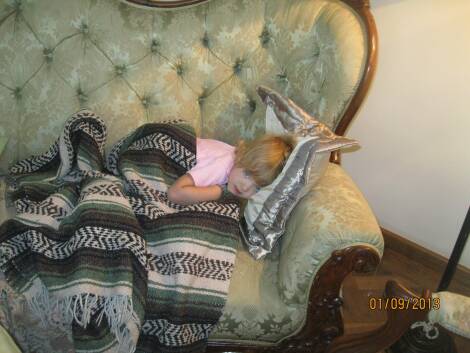
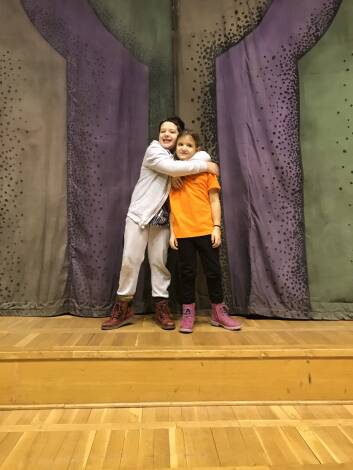
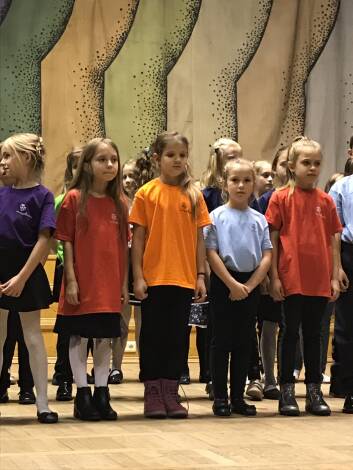
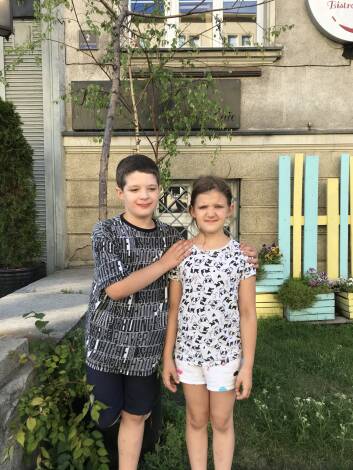

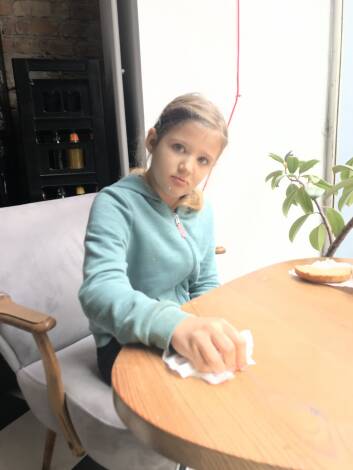
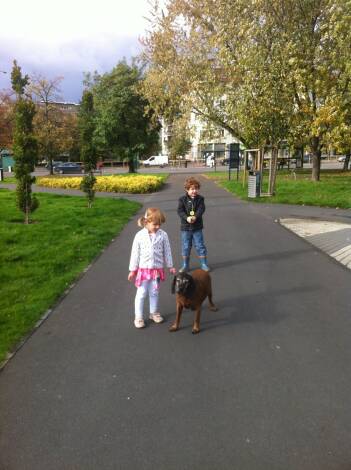
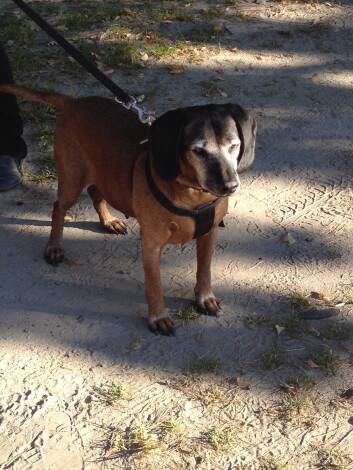
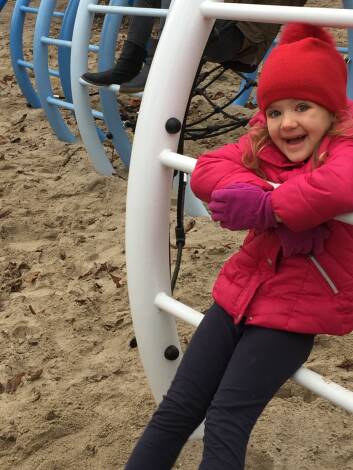
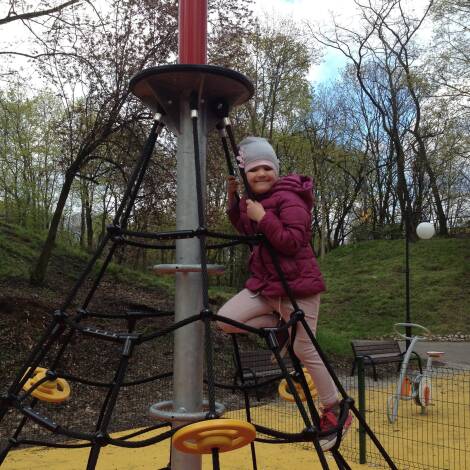
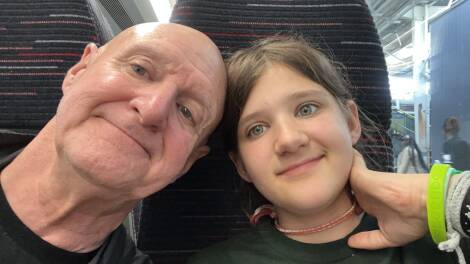

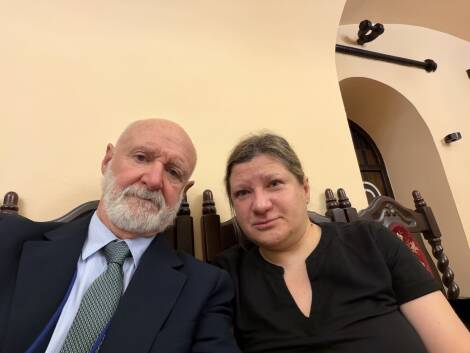
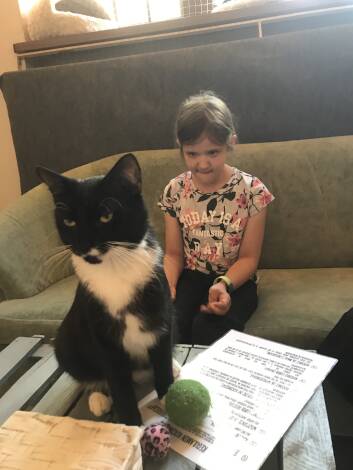


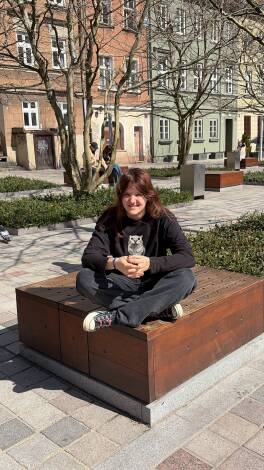
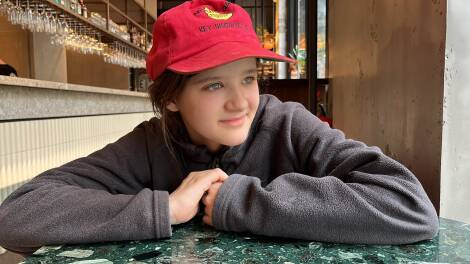
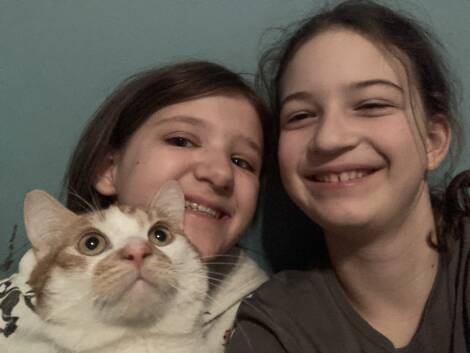
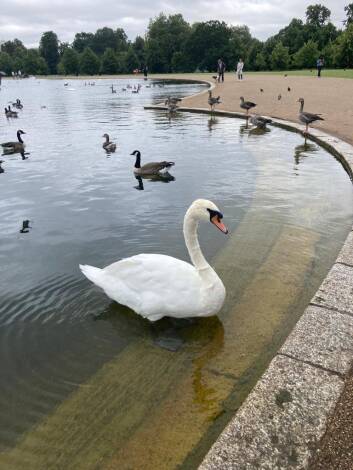


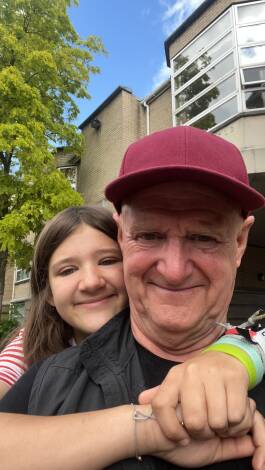
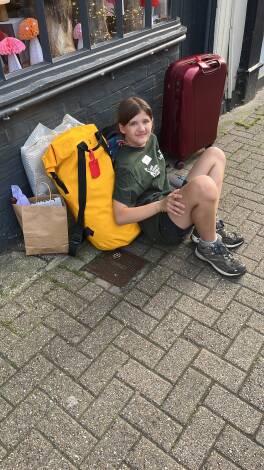
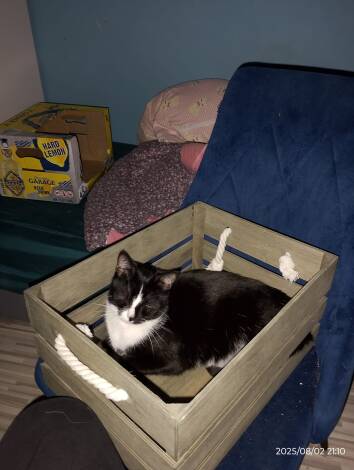

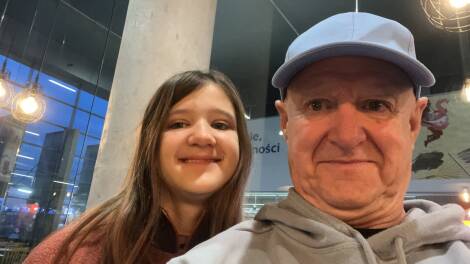
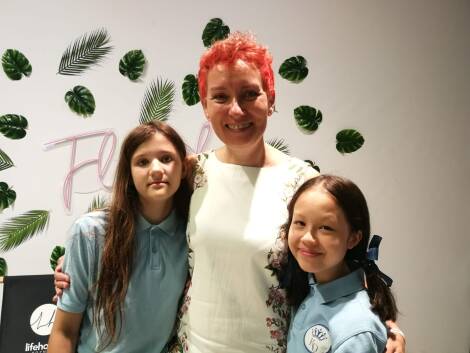
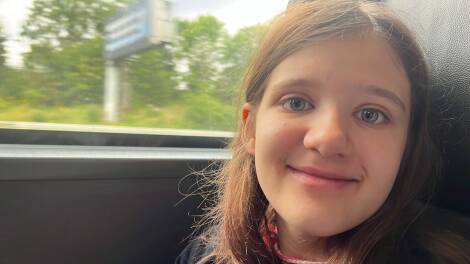

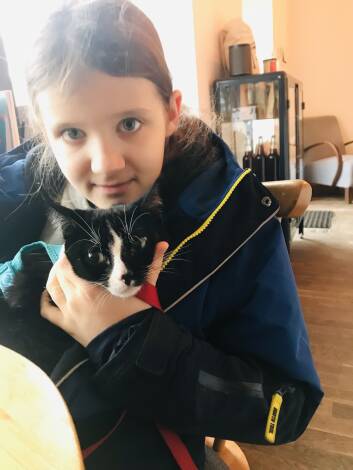
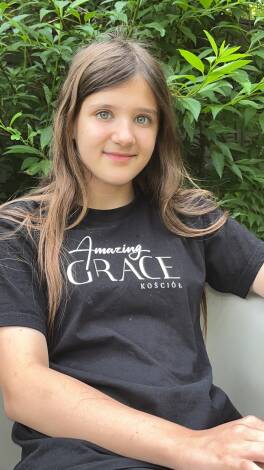
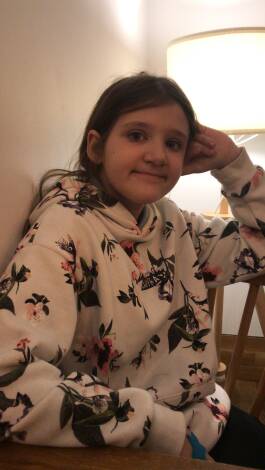
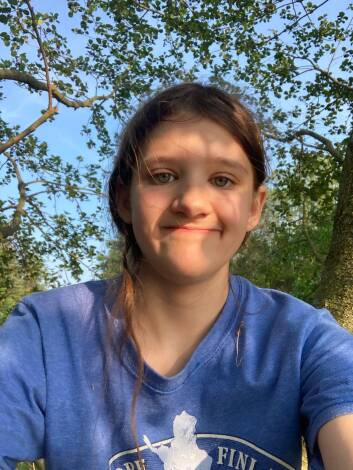
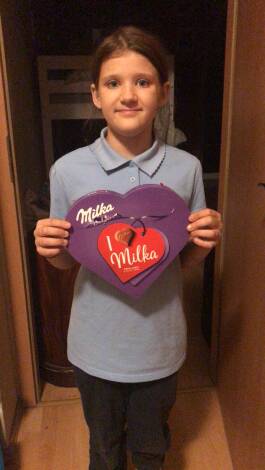
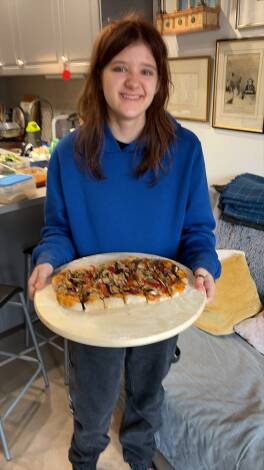
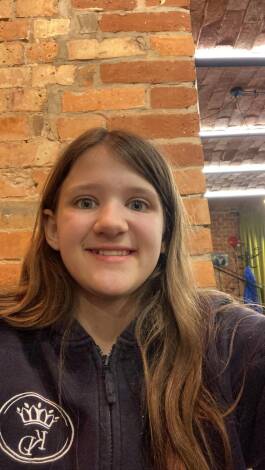
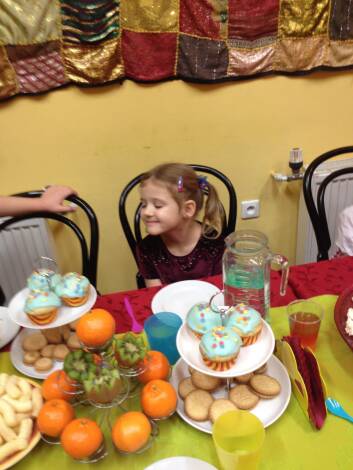


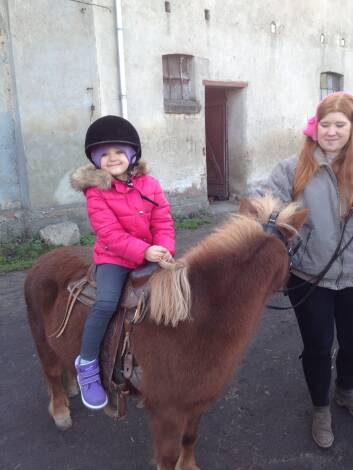
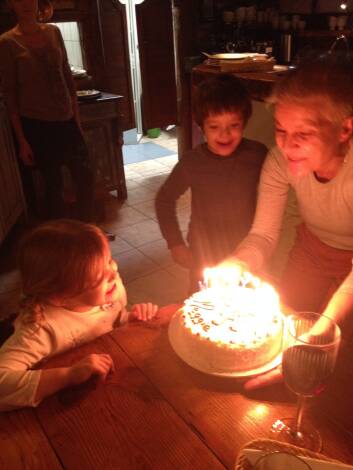
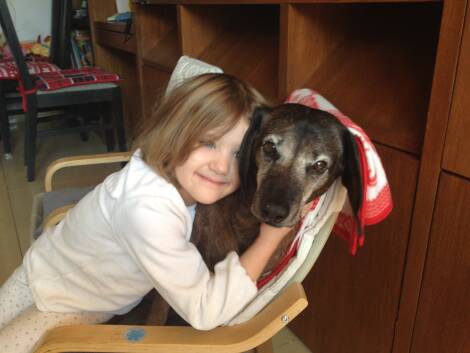
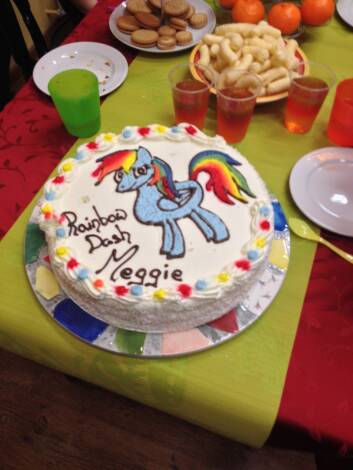
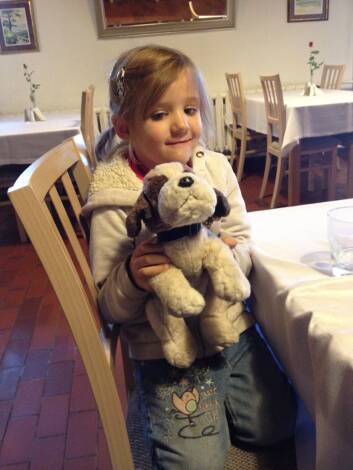
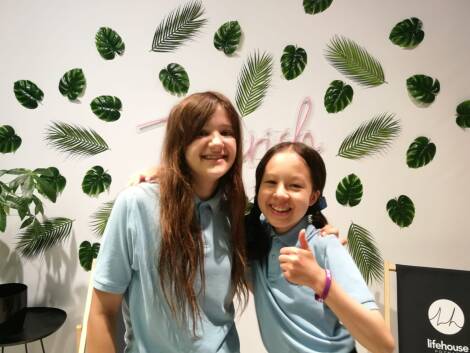
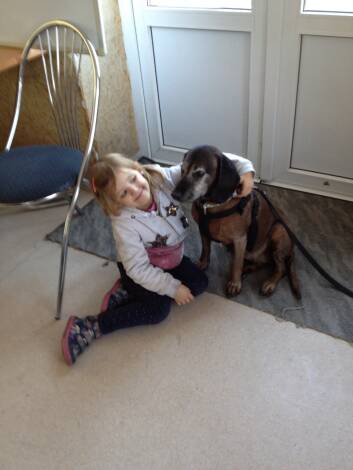
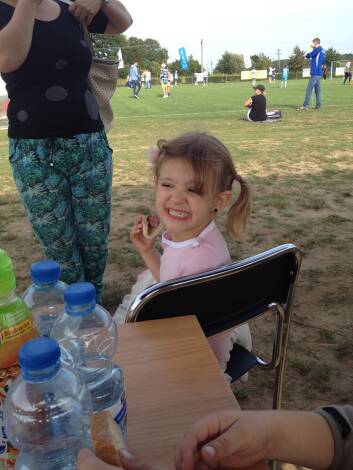

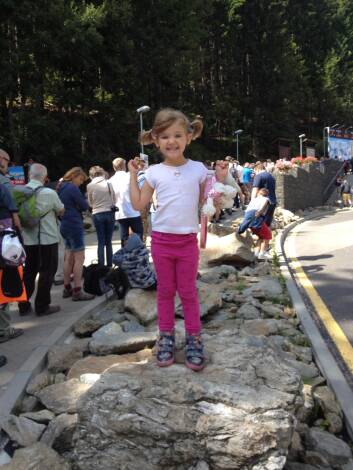
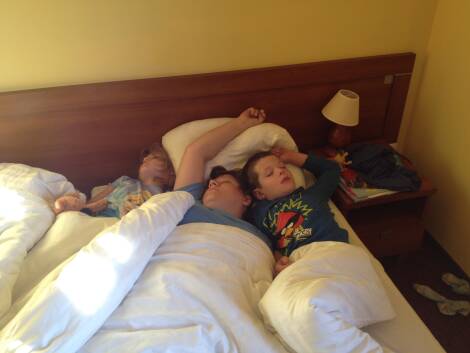
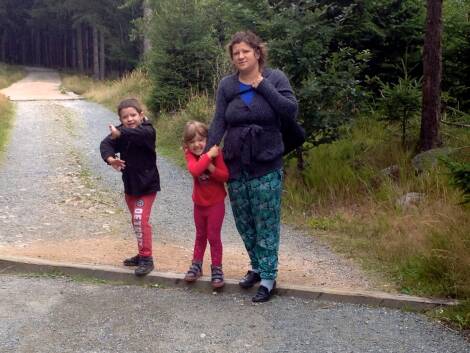

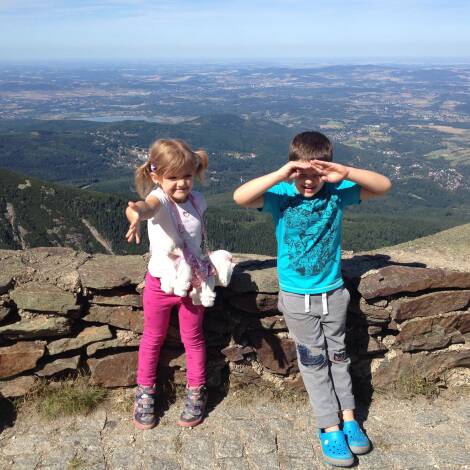

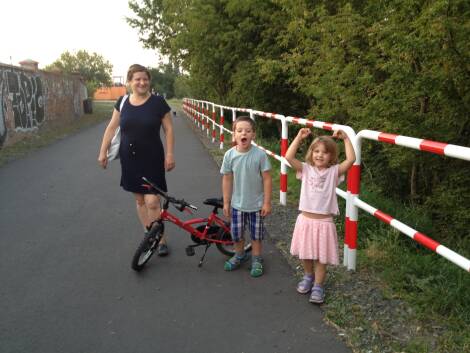
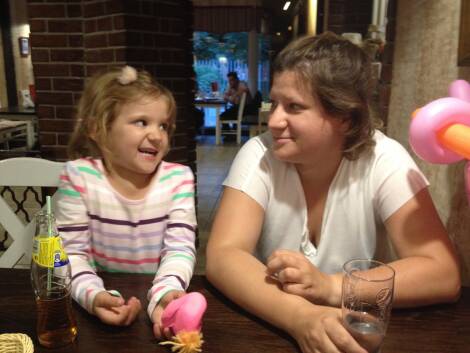

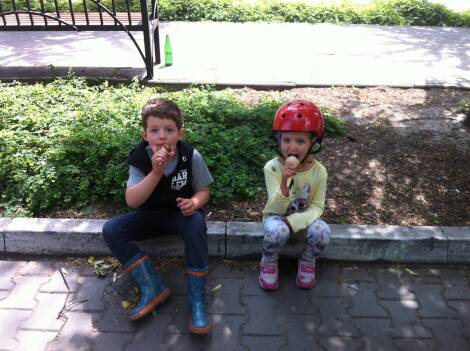
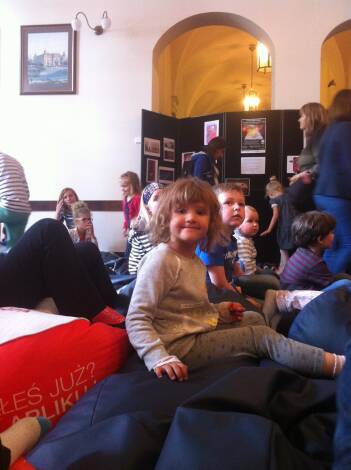
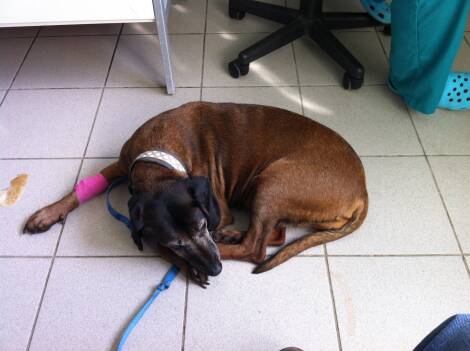
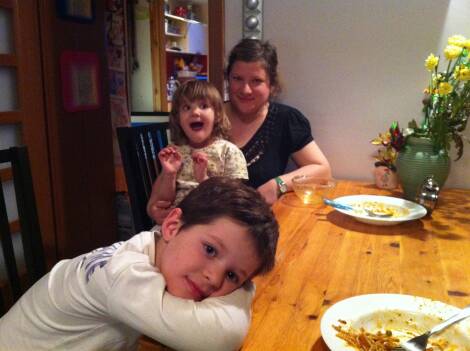
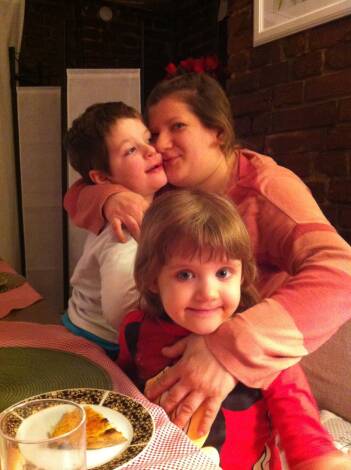
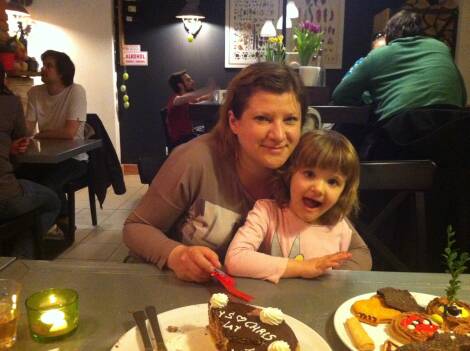

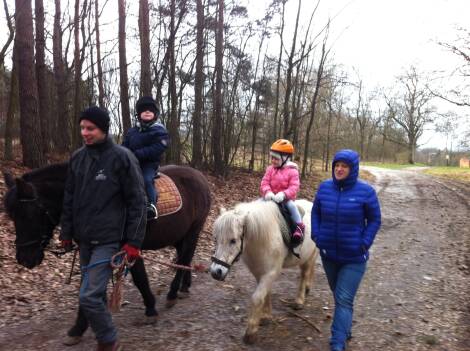
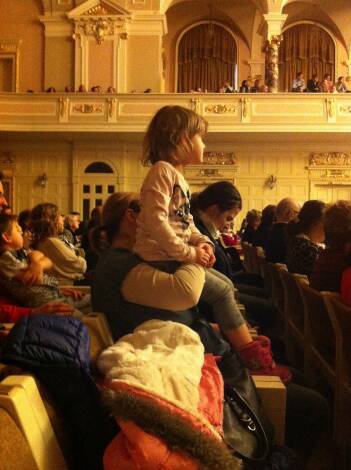
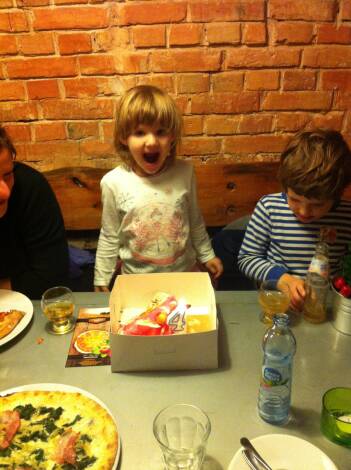
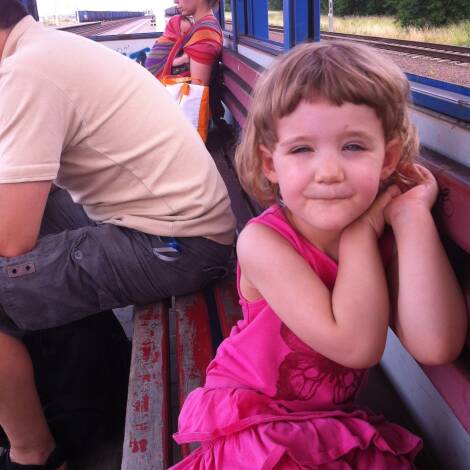
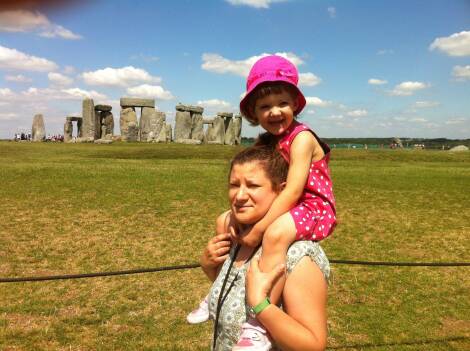

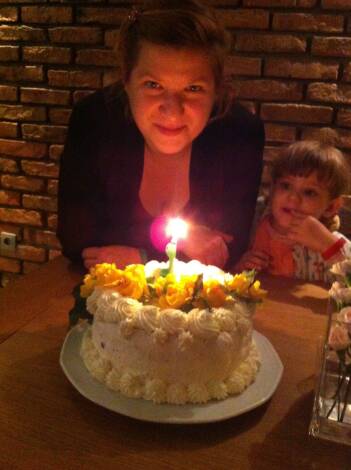

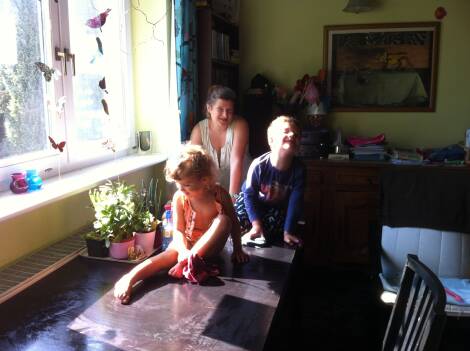
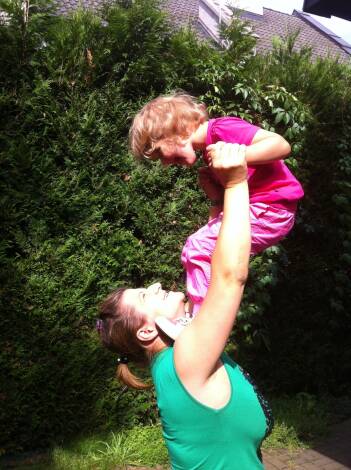

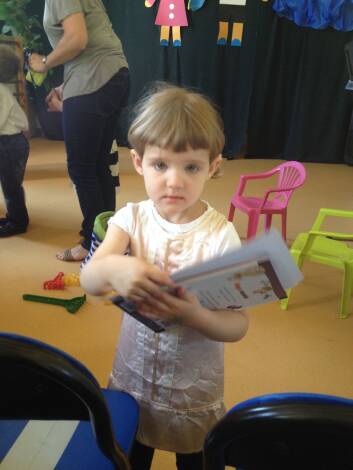


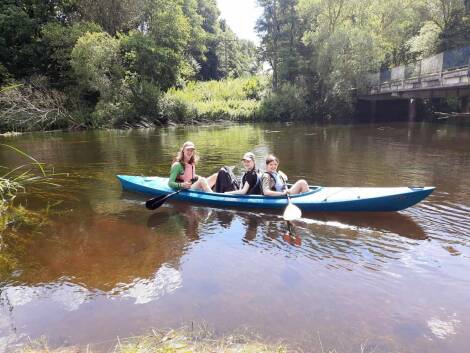
Please Share Your Memories of Meggie
Reading about her now, and about the kind of person she was, is heartbreaking. I can relate, at least in some small way, to the pain you are going through, because I lost a sibling to suicide. I know that no two losses are the same, but I do know how devastating and difficult this kind of grief can be.
I just wanted to send you my sympathy and let you know that, even though I never knew Meggie, her story touched me. I’m very sorry for your loss.
What I really want to do is to thank many of the people who, directly or indirectly, made the Celebration successful. I know it was successful because of things that were said to me afterward. The translator told me: "That was the most difficult and the most rewarding assignment I have ever had," One young man whom I know, but who knew Meggie only through me, wrote to me: "...from this day I will remember [Meggie's] celebration my whole life. The speeches were heartwarming, even the simple ones. I never cried so much in my life. Thank you for the opportunity and the invite. I never got to know Meggie, but from some stories today I feel like I know only a small part of her, which I admire. She is a big loss for this world."
I would also like to thank: first, ,my wife, Ola Świder-Hingston, for being Meggie's mother. No mother, no Meggie. Christopher Hingston, her brother, who contributed immensely to who she was. After my immediate famiy I would like to thank three adjunct family members who have been through much with the Hingston family over many years, and without whose care, generosity, steadfastness, faith and good humour, none of this would have been possible: Karolina Wang and her daughter Noemi, who consistently walk the walk as well as talk the talk. And the indefatigable lovebirds, Justyna Chęsy and Mirko Vacarri, who constantly make difficult things look easy, and always have time for the people who matter to them. In their Italian restaurant in Poznań, Meggie always ordered the same thing. Though it had long ago disappeared from the menu, they happily made it for her every time. Gnocchi alla Sorrentina.
For the success of today's Celebration in particular, I want to thank, above all, Michał Oziewicz, who is without doubt the best project manager I have ever had the privilege of working alongside. No detail was too small, no theme was too big. Nothing escaped the gimlet eye of Oziewicz. It has been a privilege to watch a master at work. (And he isn't even a project manager by profession, though as a film producer, he is not far off.). I would like to thank the owners and staff of Taras Słoneczney Cafe, where we had the Celebration, for making everything pleasant, easy, pretty, and comfortable. Five Stars. I would like to thank the technical crew whom Michał hired. There were glitches; there are always glitches; but in the end everything worked. I would like to thank Ms Alina Korycka, Meggie's former Drama teacher, who did so much to encourage Meggie, and who let her become a "vegetarian wolf" in a very special version of Little Red Riding Hood. I would also like to thank Mrs Krystyna Świder, Meggie's grandmother, who tried her best (as well as she knew how), to protect Meggie from the demons and monsters that were pulling her down. I would also like to thank my lawyer, Agnieszka Dzińkowska, who tried very hard to make good things happen; my psychotherapist, Wiktoria Jaciubek, who has done and continues to do so much to prevent me from becoming either another suicide statistic or someone accused of a heinous crime, or both. I would like to thank the Poznań police force, acting under the command of Mr Michał Wożniak, and the Poznań Emergency Services, who diligently and doggedly searched for Meggie until they found her. I would like to thank Dr Szymon Rzepczyk of the Medical Examiners' Office of Poznań for identifying Meggie and treating her remains, and my enquiries with dignity, compassion, and a very firm handshake, the sort of handshake that tells you instantly that you've found a man you can trust. Lastly for now (though I am sure there will be more at a later date), I would like to thank Ms Malgorzata Hampel, the young Prokurator in the Regional Prokurators' Office in Poznan, who has consistently behaved in a professional and compassionate manner in difficult and painful circumstances. There are many, many more people who should be thanked. One day I hope to thank them all, but for now, I have written enough. May Meggie abide in peace. May all of us find peace. I am not at all sure I believe in God, but I do believe in his blessings. They are all around.
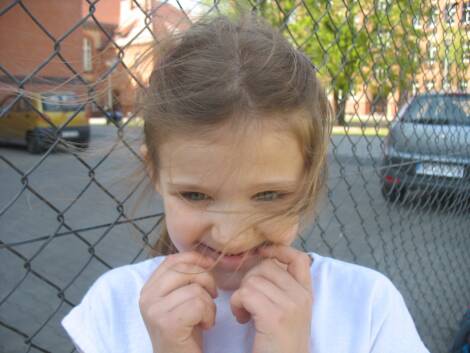

Family tree

Celebration of Life - 20 June 2026
"Life is Worth Talking About" Foundation
The organisation is: ŻYCIE WARTE JEST ROZMOWY (The "Life is Worth Talking About" Foundation.)
Its website is: https://zwjr.pl
Please visit the website and, if you are able, donate directly through their website, so that another family may be able to avoid this pain.
(If you visit the website using Google Chrome, I believe it will be automatically translated into English.)
Together, let us continue the legacy of compassion and kindness that Meggie embodied throughout their life.
Subscription


 Français
 Deutsch
 Nederlands
 Español
 Português
 Magyar
 Русский
 繁體中文
繁體中文