
I laughed out loud reading the tribute to John. He accomplished so much in his life and yet seems to have been a very modest person."
Obituary
On 2 December 2025 sepsis brought a sudden end to the life of John Knight - a truly amazing person.
Born severely disabled, John had an extraordinary life in public service. A huge part of that was 16 years as head of policy and campaigns at Leonard Cheshire Disability, where he led an enthusiastic team, and succeeded in getting wheelchair spaces in railway rolling stock. But his other appointments span regulatory bodies (the Commission for Social Care Inspection, General Social Care Council and Charity Commission), governorships of UCLH and Guys & St Thomas's Hospitals, of schools, and in the housing sector, and work in the civil service, in local government, as Public Appointments Assessor for the Commissioner for Public Appointments, and in the Cabinet Office Honours Committee. He served 28 years as a magistrate.
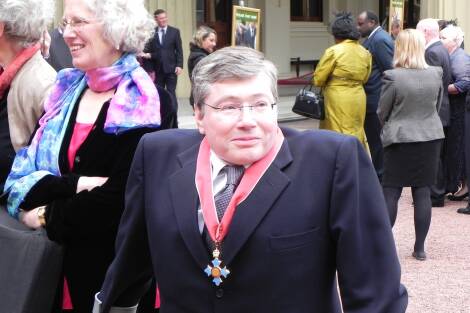
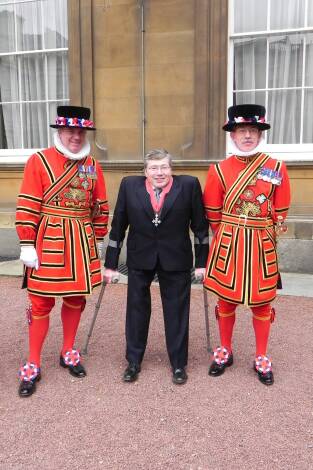
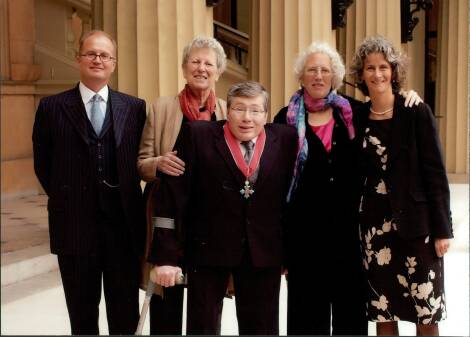
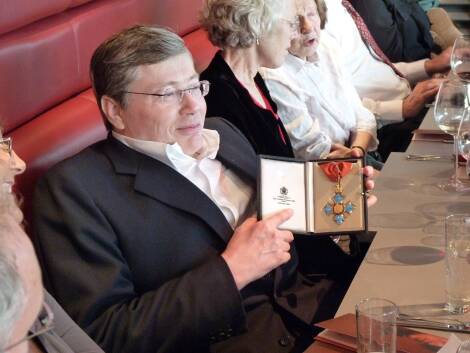
John's efforts - and successes - on behalf of disabled people were recognised by a CBE in 2011.
While ensconced in the establishment, John had a deep respect for people far outside it, and was always ready to pause and chat. He is mourned by shop keepers, his doctors, his computer repair man. Far beyond his many close friends, all who knew him loved him. In his professional life he always managed to speak for the people in his own world - people without wealth or advantages and very often struggling with the constant obstacles that dog the lives of disabled people. And he made ways for many to speak for themselves, giving people confidence they never knew they had.
Defying all expectations, and the huge daily labour of keeping his body alive, John set out to enjoy life. He travelled widely. At home he nurtured his garden, and his beloved cat. He loved music and was a regular at concert halls and all the main opera venues in or within reach of London; he sponsored many efforts to help spread the love of music to people who might not otherwise have had a chance to enjoy it, something he had benefited from himself. He collected 20th century British art, went to cricket at Lords, and perhaps above all loved good food, wine, japes and scurrilous stories with his many long term friends.
John spent his childhood in the care of Barnardos, and especially of Judith Hocking, who became a loving mother to him all her life. But for the last 29 years he had his own family. He had a deep bond of understanding and mutual support with his wife Ruth, herself a campaigner for social justice and against climate change. He was devoted to his grandson Jonny, with whom he shared a wicked sense of humour and mischief. Ruth, Jonny, Sara, Alex, Shuxin, and the rest of his beloved family and friends will keep him close forever.
His death was unexpected, but actually anticipated since the day he was born. His life was phenomenal. And no one was more aware of the world around him. Every day he would look at the garden and comment, “Aren’t we lucky!”
John & Ruth, in their own words
SPEAKING PERSONALLY - John's wife Ruth prepared this for John's memorial
www.facebook.com/stephen.prior.353/posts/pfbid0B74acmCRmrdSx78mkdwQCbHoBuQyXnhMTWhb6kak7o68UZRt9RXD8SixGvjUXStnl?rdid=GbYwjc7u6tchf0ar
THIRD SECTOR
70 opinion pieces and 34 news pieces written by John.
www.thirdsector.co.uk/search/articles?keywords=%22John%20Knight%22&headlinesOnly=False
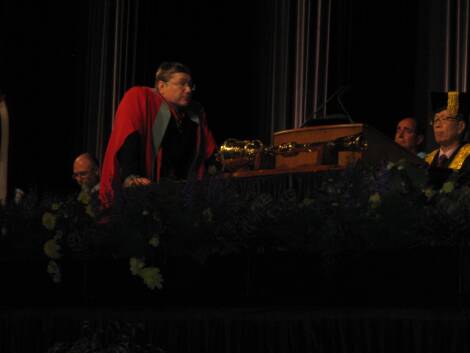
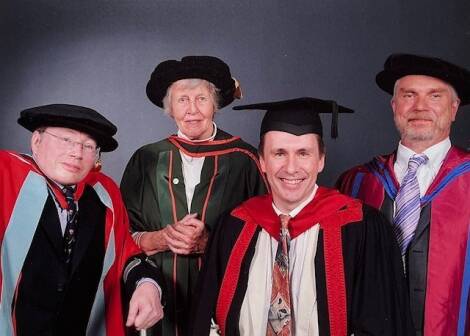
JOHN KNIGHT – HONORARY DOCTORATE ACCEPTANCE SPEECH
NOTTINGHAM UNIVERSITY 18 JULY 2012
Good afternoon.
I offer my heartfelt thanks to you Chancellor and to the Senate and Council of this great University for the honour you have conferred upon me. I also thank Professor John Armour for his thoughtful oration.
It was 30 years ago almost to the week that I stood on this platform to receive my Bachelor of Science Degree in Zoology.
I could never have remotely imagined that three decades later I would be standing here again to receive such recognition from an institution that played a major part in shaping my life.
I want to share this recognition publicly with my partner of very many years, Ruth Hall. What I have achieved is in no small part due to her intellectual nourishment, benevolent criticism and perpetual forgiveness.
In 1979 Nottingham University was at the vanguard of truly welcoming and supporting disabled students as equals. Nottingham immersed students with disabilities fully into the mainstream of university life, accommodating us in Halls of Residence unlike many other British universities who often provided separate facilities.
The offer from society then to many disabled people in my situation was one shaped by passive dependence – based on at best benevolence and at worst, pity. There was widespread negativity about severely disabled people’s abilities which often quashed aspiration and lowered expectations.
I refused to accept this offer, either for myself or for the wider community of disabled people. It was this resolve that kept me focused and ultimately pointed me towards a career which would provide opportunities to shape policy for disabled people.
Nottingham University’s pioneering spirit was embodied in the personal commitment and example of individuals such as Mary Foley, the then Disabilities Officer at the University and Dr Virginia van der Lande who as the founder Warden of Ancaster Hall welcomed disabled undergraduates in 1975. Virginia was also my personal tutor in the Zoology Department.
Today 8% of Nottingham University undergraduate students have a declared disability, Both Mary and Virginia, who are here today, have left a powerful legacy of change.
Gaining a degree was for me a central part of my plan to break the shackles of nearly two decades of institutional, segregated living. I saw it as giving me a passport which would enable me to challenge deeply ingrained misconceptions about disability. Let me try and explain this by telling you of my own experience.
Having been born with a complex disability, my parents placed me into the care of a Barnardo’s children’s home at 18 months old. Unlike many children’s experience of residential care, mine was transformational - something that shamefully cannot be said for many care leavers today.
My first encounter with the University was memorable. On my first day I arrived on my own at Rutland Hall. I felt acutely alone. My feelings were exacerbated by other new undergraduates arriving with proud parents clutching material possessions to make rooms in Hall more home like.
I felt that I had made a huge mistake – that finally I had over reached myself. It was the first time I would have had significant contact with a community of people who did not have a disability – a new and daunting experience for me. That dark cloud of low expectation settled on me. I drove away and pulled up in a lay by on the A52.
But I decided to return - I had nowhere else to go. It was the first time I had really confronted my disability – and it was painful but ultimately liberating. I often wonder how many other people have had such a damascene moment on the A52?
I was gradually immersed in a world of optimism and exuberance – characterised by the tolerance and inclusivity so often shown by young people. My disability appeared to be only a problem for me – if I let it be.
I made many friends, including my good friend David Atter who sits beside me today, and enjoyed university life – to the extent of being rebuked by my Professor for not having “got the balance between study and extracurricular activities quite right”. I am sure that this imbalance will be familiar to many of you here.
I have enjoyed a wonderfully satisfyingly career in politics, the voluntary sector and public life and the development and influencing of social care and disability policy.
I worked closely, sometimes too closely on reflection, with the Blair and Brown governments. It was a heady time with great progress for disabled people but also of outrages, the consequences of which we still live with both domestically and internationally.
My work covered confronting disabled peoples social exclusion; addressing the scandalous levels of disability poverty; improving accessibility to buildings and rail transport and ensuring that users of social care services were enfranchised and given choices in how those services were delivered.
And now my attentions turn to you – those who have graduated today. Your graduation marks a significant personal achievement and milestone in your life. I offer you my congratulations.
You will rightfully be bursting with pride as I was 30 years ago and as your families here today are. However, I recognise that some of you here today will not have families present for a variety of reasons but your pride today is truly shared by everybody in this congregation – as mine was - and the family that we will always belong to, Nottingham University.
You have studied hard and learnt well but with learning comes responsibilities – the responsibility to continue learning throughout the rest of your life, always asking questions and challenging proffered truths. The responsibility to use your learning wisely and constructively for the common good and the responsibility to share the relative power your learning bestows on you with others. I know you will do these things.
I wish each and every one of you good health, much luck and god speed.
Thank you.
News Articles
GUARDIAN OBITUARY January 2026
Disability campaigner at Leonard Cheshire whose mischievous personality brought a fresh perspective to the charity
www.theguardian.com/society/2026/jan/22/john-knight-obituary
________________________________________________________________________
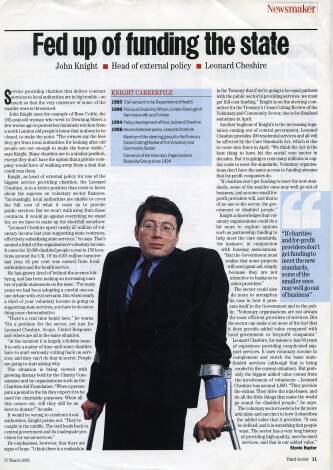
THIRD SECTOR 27 March 2002
NEWSMAKER: Fed up of funding the state - John Knight, Head of external policy, Leonard Cheshire
www.thirdsector.co.uk/newsmaker-fed-funding-state-john-knight-head-external-policy-leonard-cheshire/article/618150
_________________________________________________________________________
THE TIMES 8th February 2005
The disability standard bearer
John Knight’s life experiences provide an almost tailor-made qualification to champion the rights of disabled people. He outlines his hopes and fears to Alexandra Frean
www.thetimes.com/travel/destinations/uk-travel/the-disability-standard-bearer-fhvd6sns2qw?gaa_at=eafs&gaa_n=AWEtsqdB_MgMLT0Ly2WoV16c3SFMWOEhOlh_c48osIasl_NVoPGz2SXYOFbs5YeCI_8%3D&gaa_ts=6942c063&gaa_sig=y-nMgNgt_n1pjwYt1kDq5R6gNGA0rQbqA3O7xRbs6knLANI27vnn5WGirLypJrDUSB9QpQDf981ZlW0EmMTC4Q%3D%3D
_________________________________________________________________________
THE HEREFORD TIMES 9th December 2025
Tribute to disability campaigner John Knight after death
By Charlotte Moreau
Audience and content editor
www.herefordtimes.com/news/25674636.tribute-disability-campaigner-john-knight-death
_________________________________________________________________________
THIRD SECTOR
70 opinion pieces and 34 news pieces written by John.
www.thirdsector.co.uk/search/articles?keywords=%22John%20Knight%22&headlinesOnly=False
_________________________________________________________________________
NEWS ARTICLE, My Death, My Decision website December 2025
Remembering John Knight CBE
www.mydeath-mydecision.org.uk/2025/12/10/remembering-john-knight-cbe
_________________________________________________________________________
HABINTEG HOUSING ASSOCIATION website December 2025
Remembering John Knight CBE, Habinteg board member and tenant champion
www.habinteg.org.uk/latest-news/remembering-john-knight-cbe-habinteg-board-member-and-tenant-champion-2872
Gallery
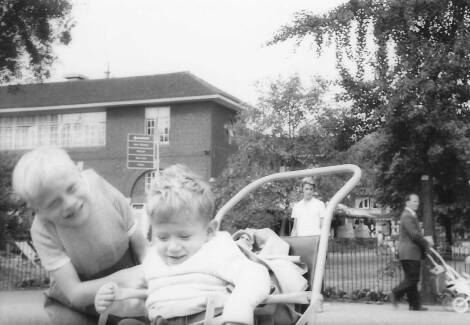
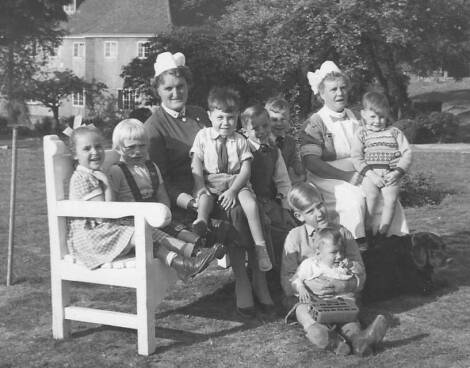
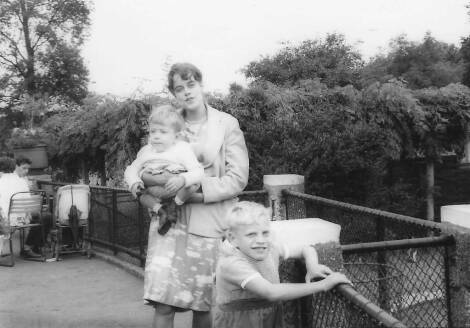
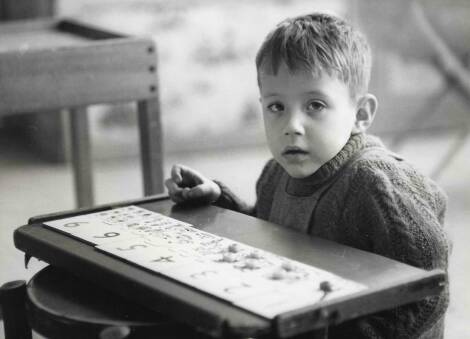
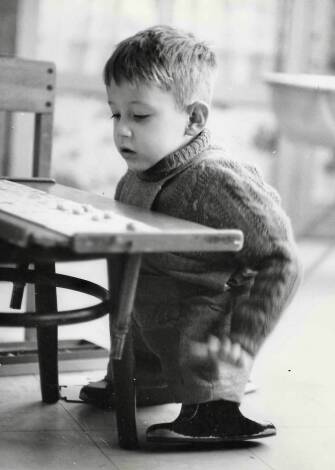
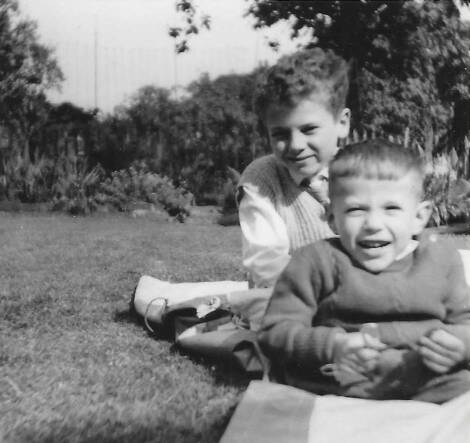
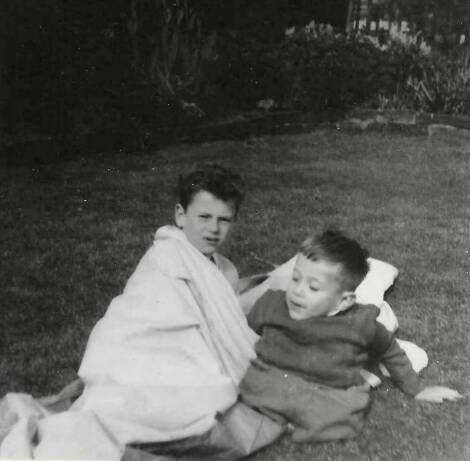
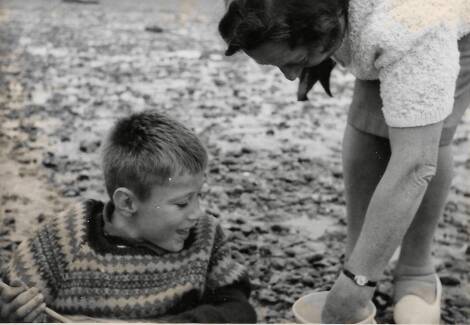
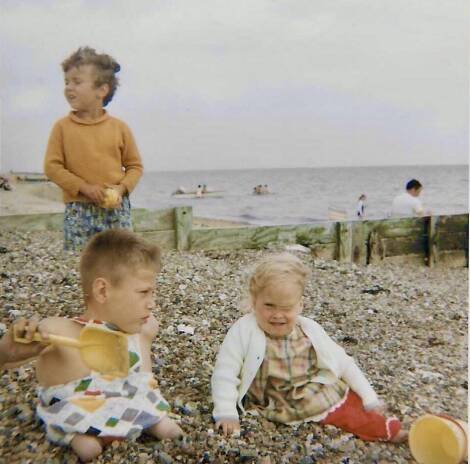
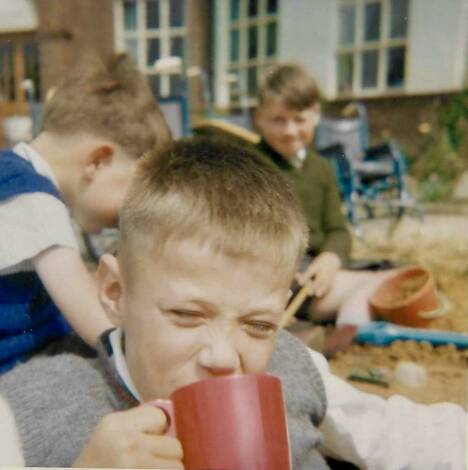
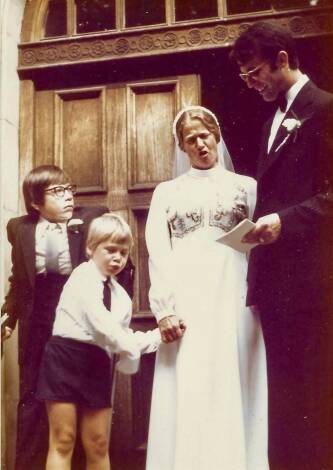
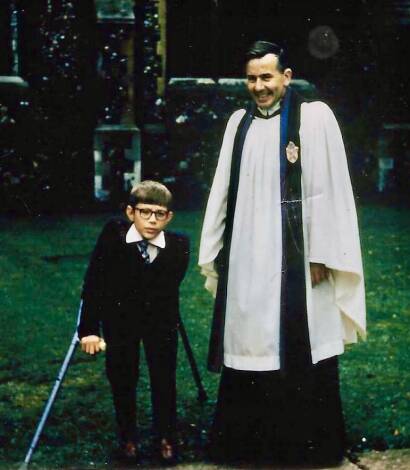
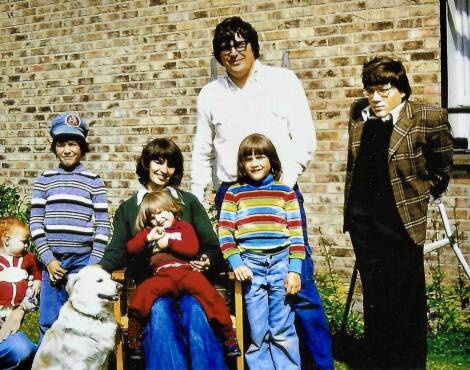
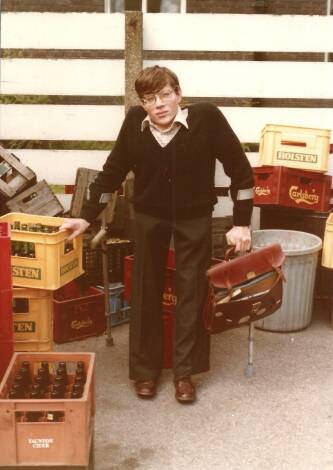
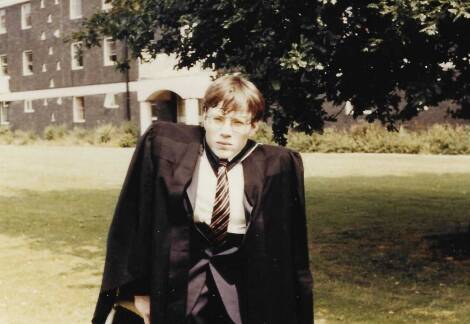
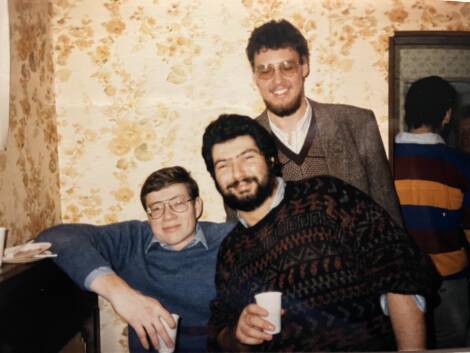
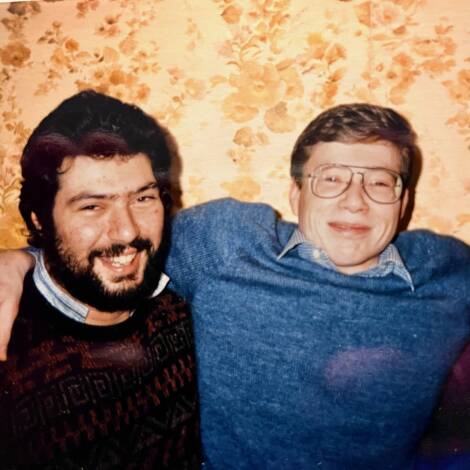
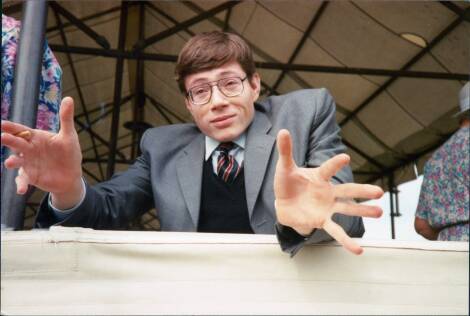
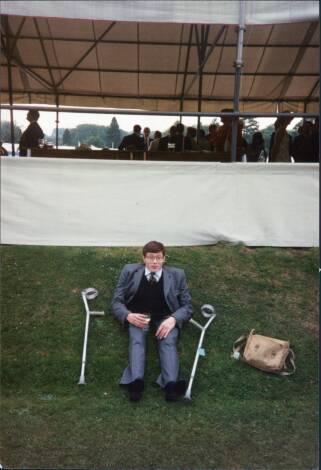
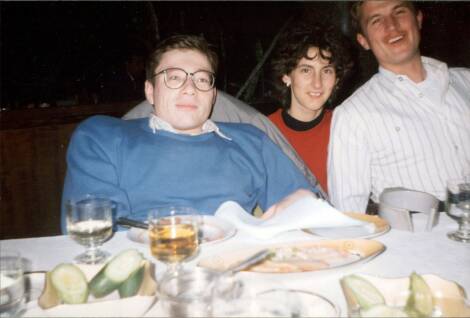
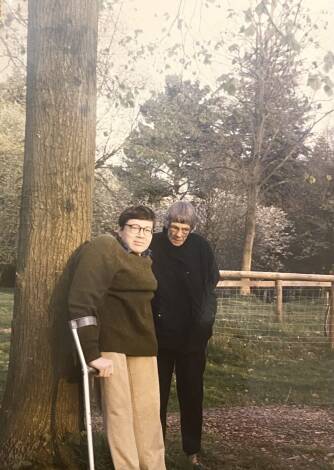
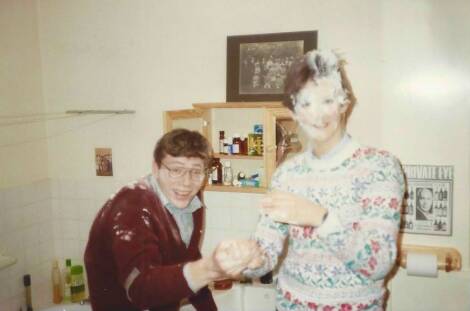
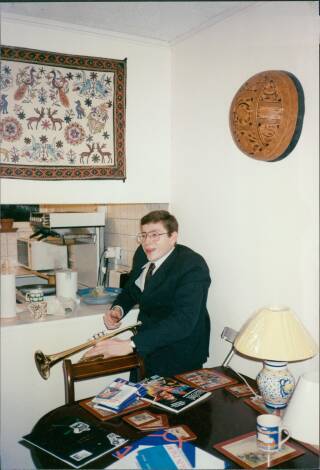
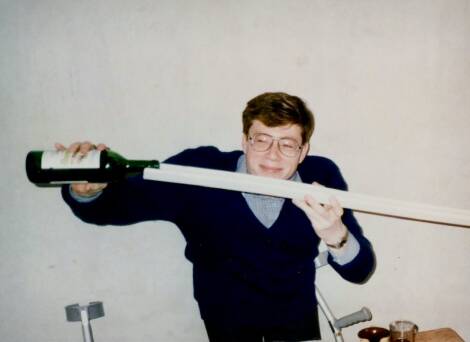
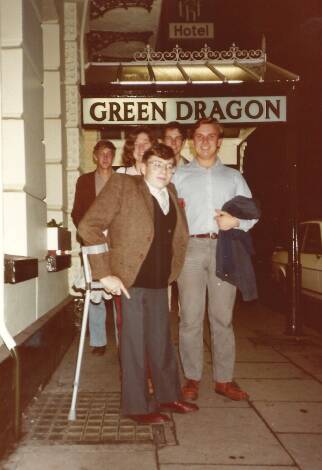
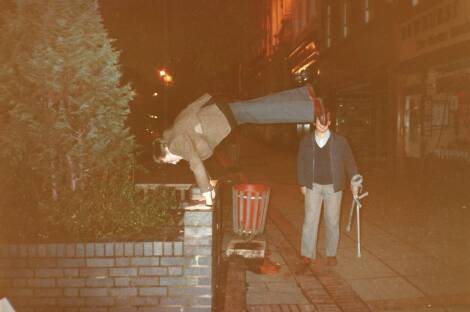
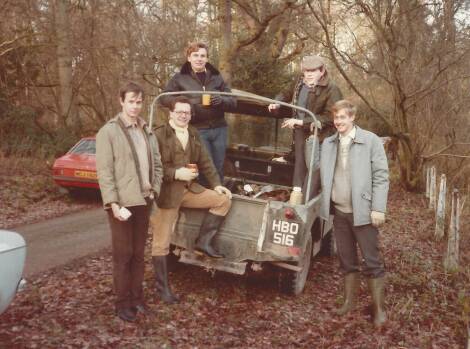
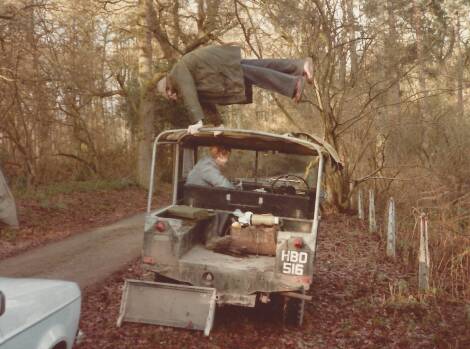
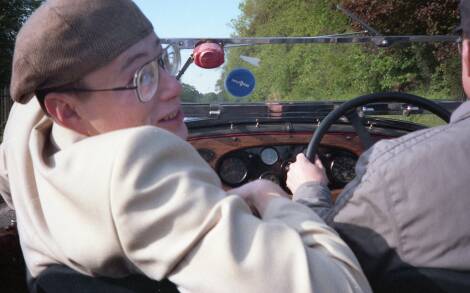
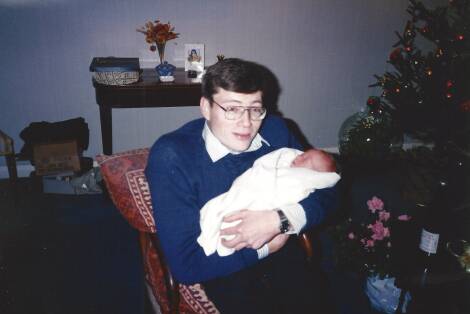
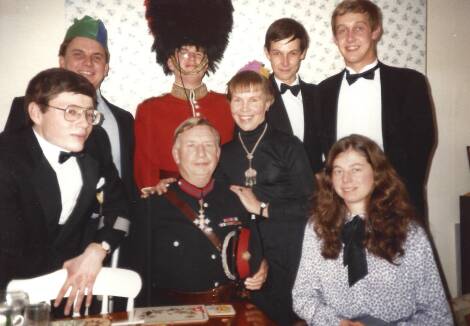
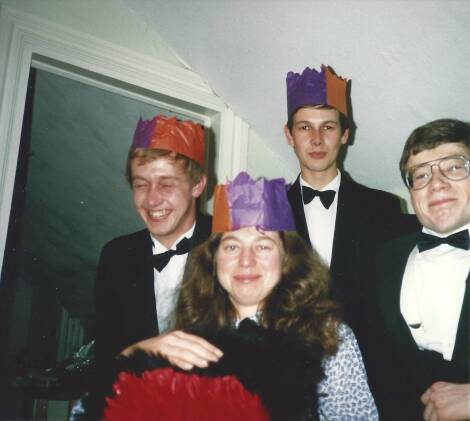
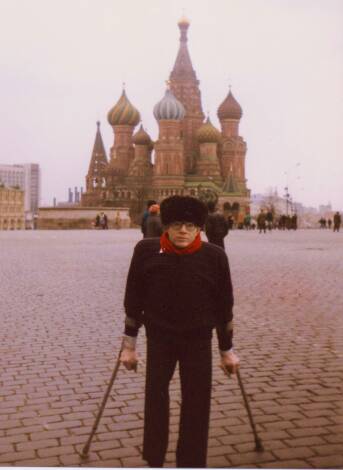
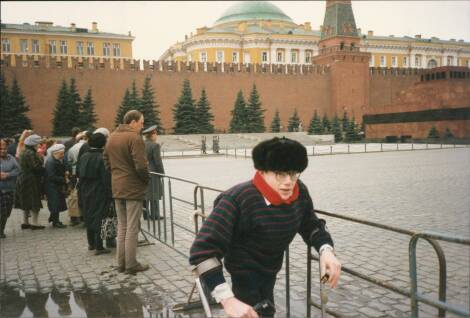
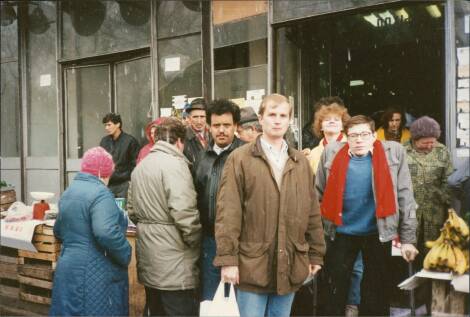
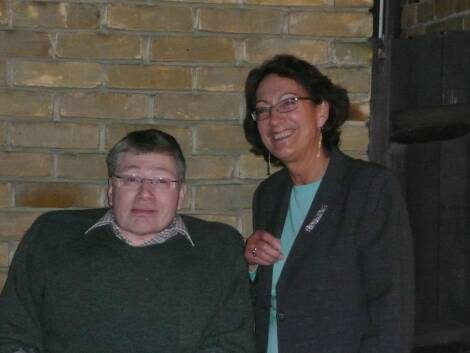
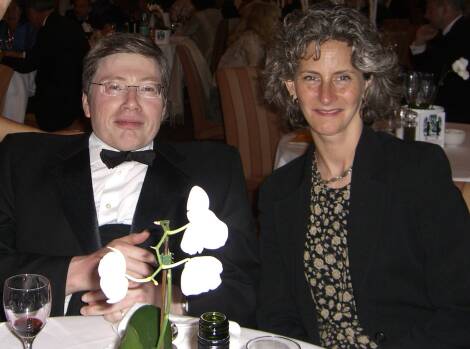
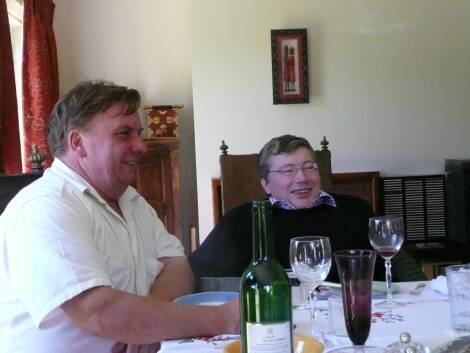
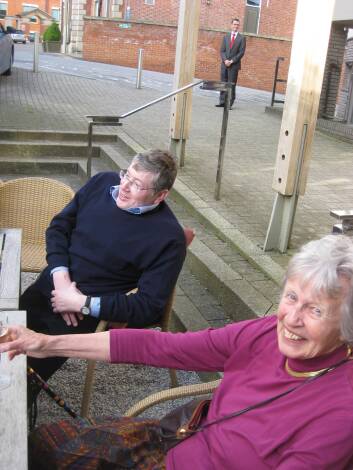
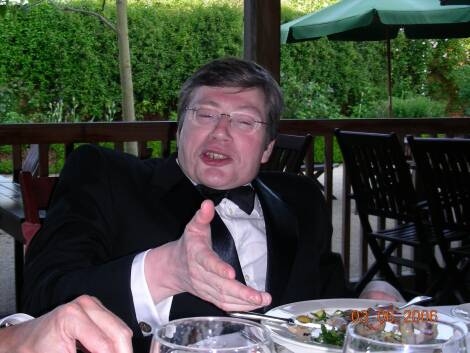
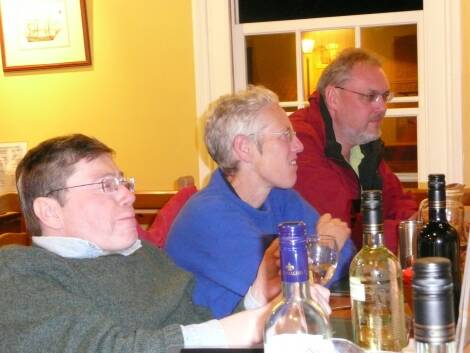
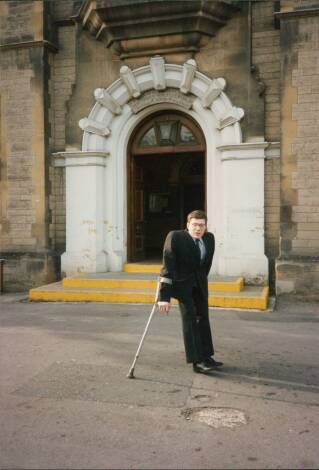
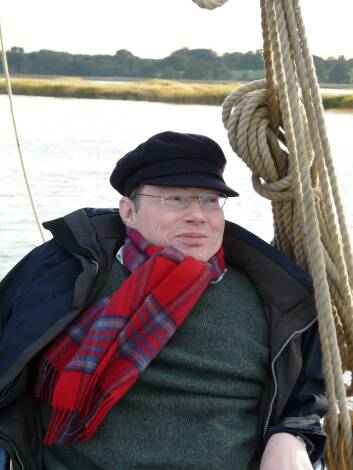
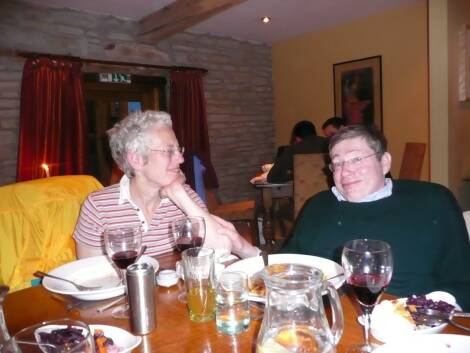
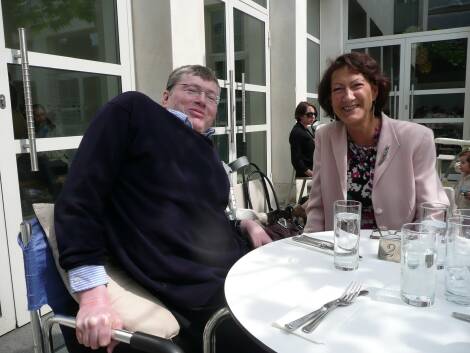
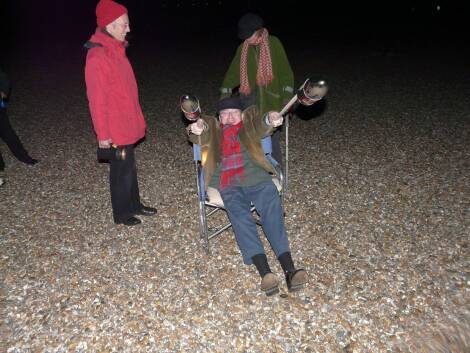
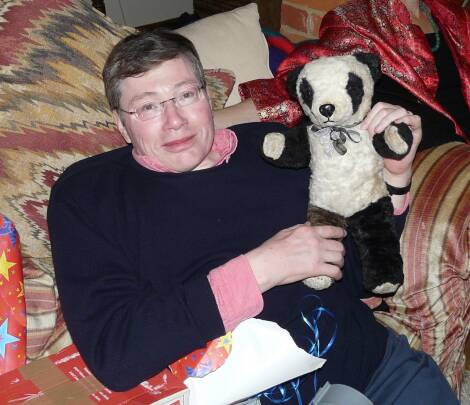
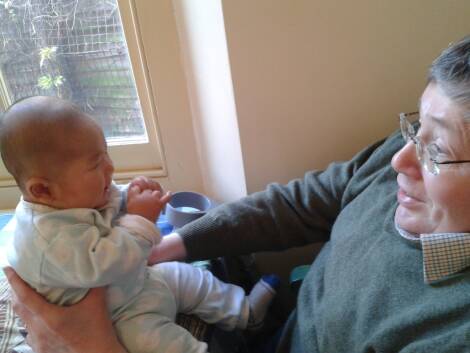
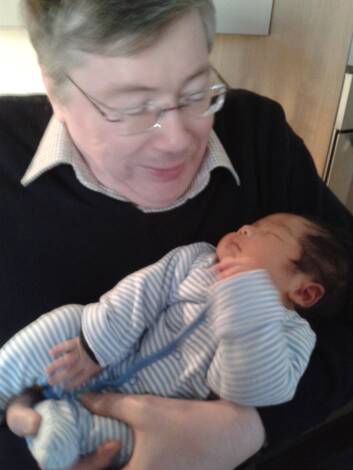
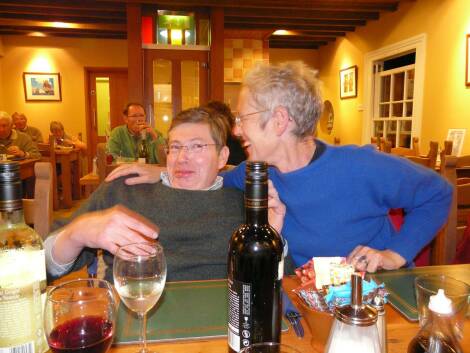
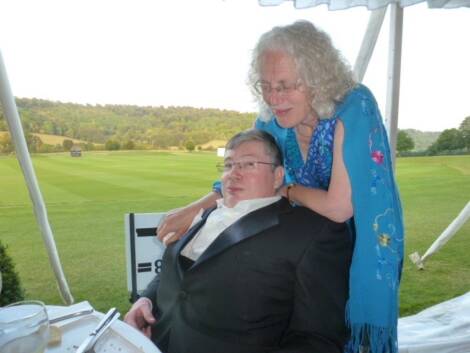
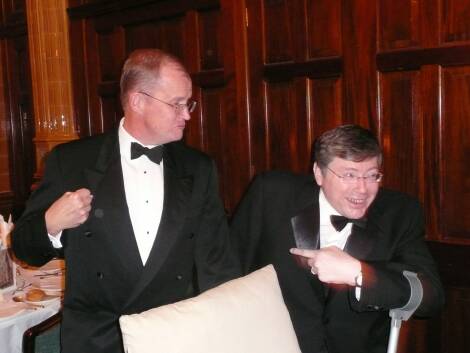
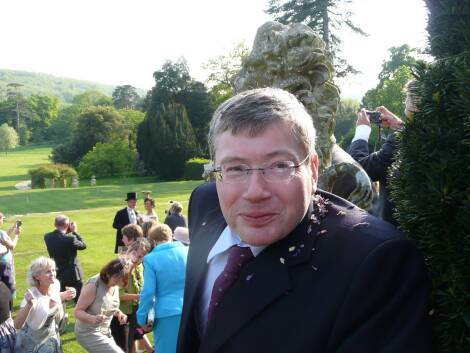
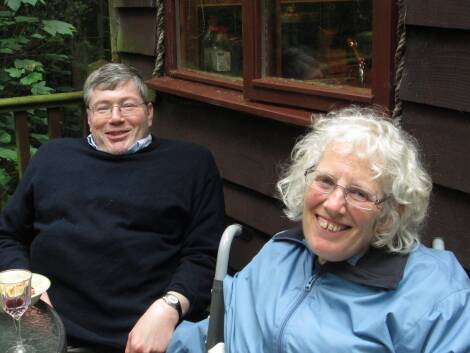
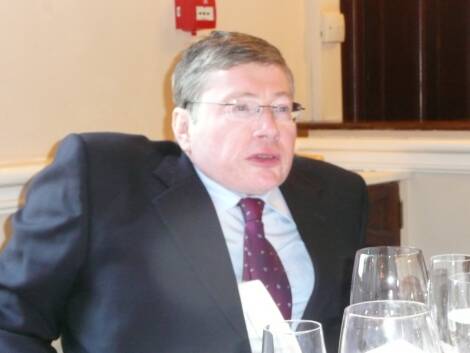
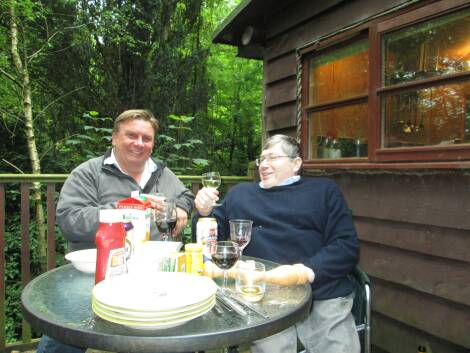
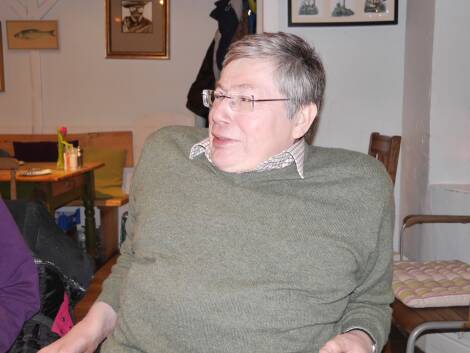
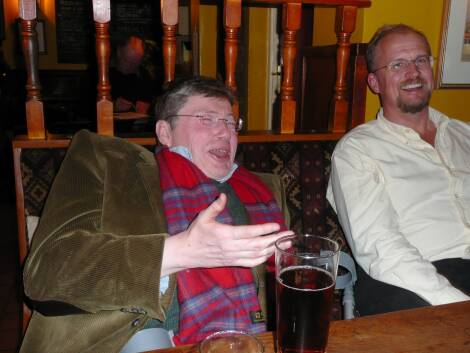
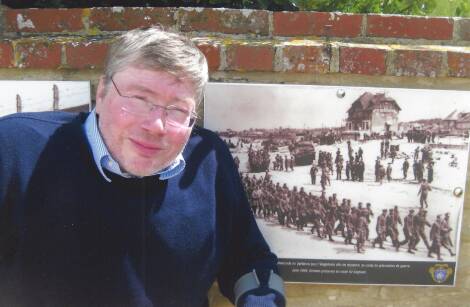
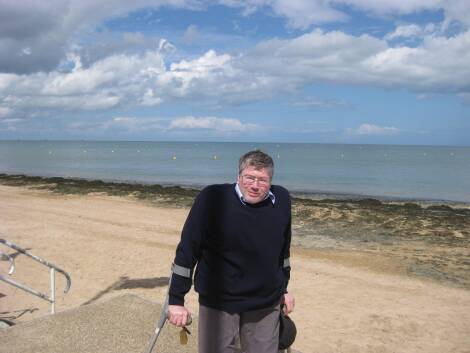
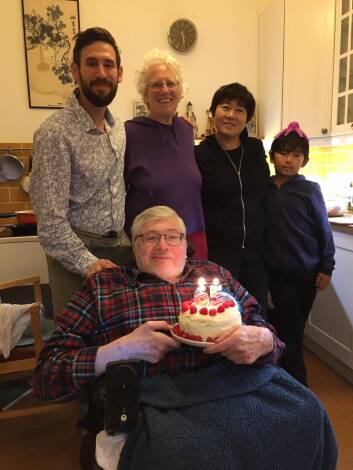
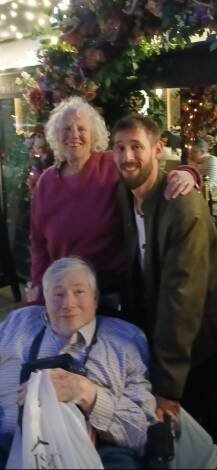
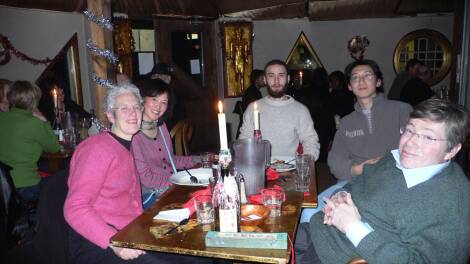
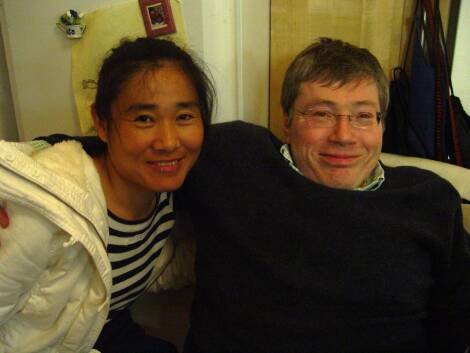
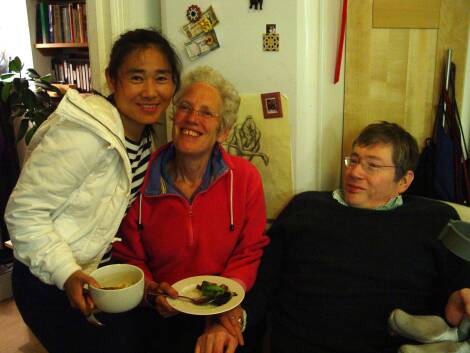
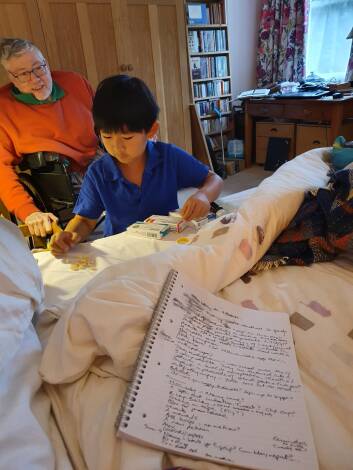
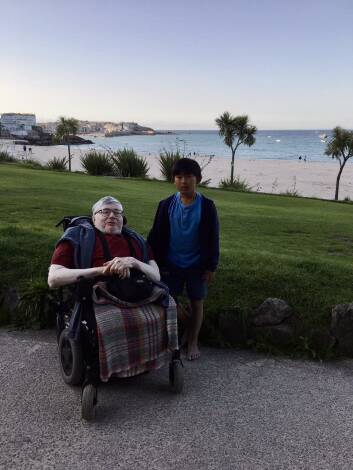
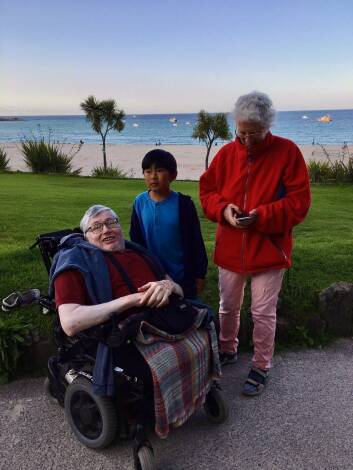
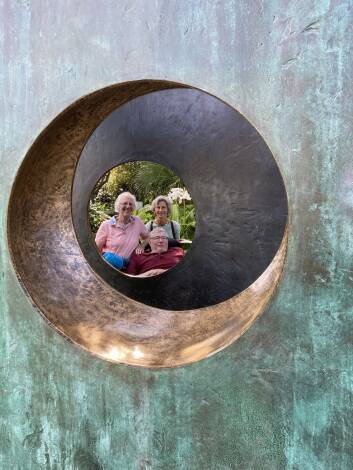
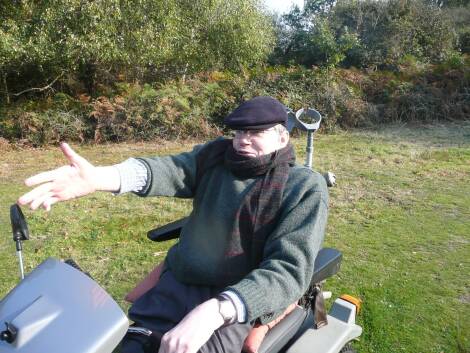
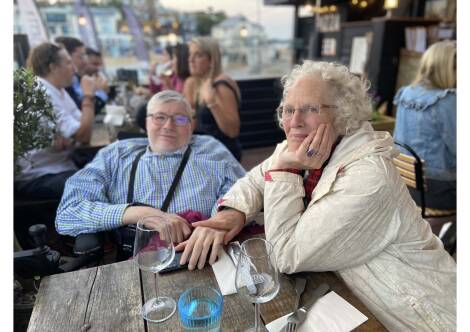
Memory wall
I first met John in 2001, when he took a chance on me. I’d just graduated with no experience of disability, and he offered me my very first job. I became his Parliamentary Officer in the policy and campaigns team at Leonard Cheshire, and from that moment my life, and certainly my career, changed forever.
John used to jokingly refer to our 3 person team as “the enemy within.” At the time, the organisation was still wrestling with its difficult image amongst disabled people. John relished the challenge to change this. He led us with a mix of fierce conviction and wicked humour, championing disability rights both inside and outside the organisation, and pushing us to be bolder, braver, and more imaginative than we ever thought we could get away with.
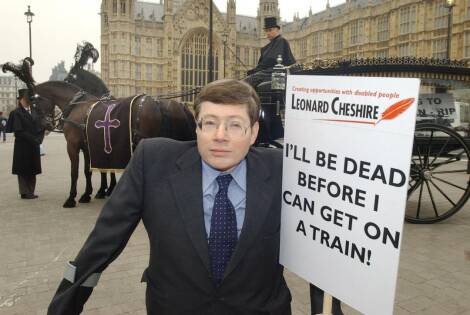
One campaign that summed him up perfectly was All Aboard, our fight for accessible transport. Many disabled people had said they would quite literally be dead before they could board an accessible train if the government didn’t act faster. So John, with a glint in his eye, helped us turn that into a postcard campaign and a horse-drawn hearse delivery to Parliament (photo with John available). It was audacious, unforgettable, and entirely John. And it worked! The government reduced the timeline for train accessibility by fifteen years. I still look back at that campaign as one of the proudest moments of my early career, and it simply would not have happened without him.
John had this extraordinary knack for affecting lives without even realising he was doing it. Before I met him, I had no personal connection to disability. But seeing the daily injustices he and so many others faced lit a fire in me that still burns today. I ended up staying in the disability sector for the next twenty-five years, and John was the reason.
He was my boss for the first three of those years, but a mentor for many more, and always a good friend. He was incredibly intelligent and quick-witted, with a sense of humour that could disarm the most intimidating minister or civil servant. And he never cared about hierarchy. Within months of starting, he pulled out of a live Radio 4 interview on the Today programme and told me I was doing it instead. I was terrified. He was adamant. “You’ll be fine,” he said. And somehow, because he believed it, I was.
Then there was the time he insisted that I, a very inexperienced Parliamentary Officer, present our research in a speech to a packed room of MPs, Lords, and the Health Minister. Again, I was petrified. Again, he just smiled that mischievous smile. Those experiences shaped my entire career. They made me braver. They made me better. They laid the foundations for the way I have worked ever since.
Working with John also meant you learned far more about campaign tactics than anything written in a book. Because taxi drivers regularly refused to stop for him, simply because of his visible disabilities, he came up with the most John-like solution. I would hail the cab while he hid round the corner. Once the taxi stopped for me, he’d pop out, leaving the driver no choice but to take him. We must have looked ridiculous, but the laughter and that cheeky feeling of having outsmarted the unjust system, have stayed with me ever since.
Travelling with him was often unforgettable. On one trip to the Scottish Parliament, after years of refusing to use a wheelchair, he finally relented at the airport. The wheelchair handler asked me where John wanted to go. I told him, “He’s my boss, you’d better ask him yourself.” The handler’s face was a picture. John found it absolutely hilarious.
Poor access and oddly placed lifts meant we often ended up taking the most unexpected routes into venues, through kitchens, changing rooms, and back corridors. With John, these detours were always filled with sharp witted comments that exposed the absurdity of it all.
He was also, without question, a world-class gossip. Never malicious, he delivered every story with such charm and humour that you couldn’t help but be drawn in. Once, we had to walk through the living room at Number 10 to attend a reception. The Blairs’ children had left the room in total chaos. John could not wait to get outside to share the story. He was gleeful, delighted, and utterly irrepressible.
What made John so special was that beneath the humour, the intelligence, and the campaigning fire, he was profoundly kind and deeply principled. Many years later, when my own partner had a stroke, John stepped in without hesitation. He offered practical support, emotional reassurance, and shared the hard-won wisdom he had gathered over a lifetime of navigating the system. He helped secure an assessment for an electric wheelchair, guided me through benefits, and made sure I knew I wasn’t alone. It shouldn’t be that hard for disabled people, or those who support them, but John never let the injustice defeat him. He just kept going, taking the fight right to the top.
I still talk about John in job interviews today. I still carry the lessons he taught me. He was my first boss, my mentor, my friend, and one of the strongest influences on my career and my values. I will never forget the laughter, the mischief, and the absolute refusal to accept inequality as the status quo. I will always be grateful to have known him.
Jo Campion
Dear Ruth,
I hope you don't mind me emailing - Jo Campion managed to get in touch with me and passed on your email address.
I just wanted to send all my love and condolences to you, and to your and John's family. I hadn't heard the news about John until Jo got in touch and I was devastated to hear it, and devastated to think how long it was since I saw him, and you, last.
John was an immensely important person in my life, but being the somewhat repressed Herefordian I am I don't think I ever really told him that as directly as I should have done. I hope that he had an inkling at least. I remember when John left Leonard Cheshire and I was trying to think of a leaving gift for him that nothing I could think of really summed up quite how much he meant to me, how brilliant I thought he was, and how grateful I was for our paths to have crossed. I remember spending a lot of time on finding a gift and writing a card in the hope that I could convey at least some of that sentiment, but I don't suppose I ever got across as much as I would have liked. I have similar thoughts now and I hope you don't mind that I have sent them to you in this instance.
When I first started at Leonard Cheshire I was actually working in the media team - it took me about 2 days to decide that what I really wanted was to be working in John's team, and I think a few months after that for John to have engineered a way to move me over! I eventually spent 11 years at Leonard Cheshire, of which I think maybe 7 or so were with John. I loved all of my time working with him, and spending time in his company - even at this bitterly sad moment, if I think of John I think of joy and laughter.
If I were to summon one image of John to my mind it would be his face as he came back to his desk having secured a tidbit of scurrilous news. He would be endeavouring to maintain a straight face, with a hint of a grin forcing its way past. If it was particularly exciting he would probably look at me and raise his eyebrows over his glasses as he passed. It would be about two minutes before he would be unable to contain it any longer and would summon you in to share. You knew it was going to be a really good one if, as soon as you came in, he would shove the door closed with the end of his crutch.
If anyone was to ask me who the best manager I ever had was, I would say John without any hesitation. He made you feel supported, important, valued. He made it feel as though he needed you, that what you said mattered and that he trusted you implicitly. I have spent most of my time as a manager trying (and most probably failing) to make people I managed feel the way that John made me feel. I'm not quite sure what the word for that is - whether John was a mentor, or a role-model, or maybe it's just what happens when someone who is a brilliant, funny friend who you deeply admire also happens to be your boss.
Jo mentioned that she had been putting together some memories about some of John's work, and I am very happy to add anything I can to that, or to send my own thoughts or anything else from my time working with John. Above all if there is anything else that I can do then please just let me know.
I am so, so sorry to hear the news, and I just want to send all my thoughts and best wishes to you Ruth. If I can do anything even remotely helpful, please just let me know.
Love,
Guy Parckar
Remembering John: With Love, Laughter and Gratitude
I was lucky enough to be introduced to John around 1987/88 by his friend from Nottingham University, Steve Prior.
And that’s when the fun started.
I always admired John’s love of language, so it feels fitting to frame my memories of him using words he would have appreciated.
Affable – John had a wonderful way of putting people at ease. He was never sniffy about accepting help and could strike up a conversation with absolutely anyone.
Charitable – There was no virtue signalling in John’s generosity. He supported multiple charities quietly and consistently, without any desire for recognition.
Contrary – Every Christmas, John would host a dinner, and these occasions provided stories we dined out on for years. One year, Steve and I arrived to be greeted with a bag of crisps each and the announcement that John had changed his mind about hosting dinner. Somehow, we cobbled together a roast duck and trimmings and hoped salmonella wouldn’t strike.
Eloquent – I loved John’s command of words and phrases and happily absorbed many of them into my own vocabulary. One of my favourites was his wonderfully dramatic “incandescent with rage”.
Animated – John spoke with his whole body, gesticulating enthusiastically to underline a point or inject drama into a story.
Humble – I only recently discovered that John played a key role in securing disability access on trains and that he was an honorary fellow of Nottingham University. He achieved remarkable things without ever boasting; humility ran through him.
Cultured – I attended my first opera with John, and it became a regular outing. His knowledge and appreciation of music were deep, but he was never remotely highbrow about it.
Food-loving – John’s enjoyment of food was unmistakable, often accompanied by soft grunts of satisfaction. Eating out with him was always a pleasure because his delight was so genuine.
Adrenaline-loving – This was one aspect of John I tried, and failed, to avoid. On one memorable occasion, Steve took us out on his motorbike. John was safely ensconced in the sidecar, while I rode pillion. John then yelled, “Let her rip, Steve – see how fast she can go!” Terrifying.
Dependable – When things were tough, I always knew John would be there. He was a true friend in both good times and bad.
Humorous – John’s sense of humour was mischievous, quick, and often gloriously unexpected. He took great pleasure in making others laugh, sometimes at his own expense, more often at someone else’s.
Technophobic – John recently confessed that he thought ChatGPT was “Chat GP”, a convenient new way to speak to your doctor.
Prankish – John’s grandson, Jonny, has clearly been well trained. While visiting for lunch, I nipped to the loo and heard a dreadful cracking sound. Convinced I’d broken the seat, I later discovered Jonny had planted cap-gun pellets underneath it.
Tricksy – The first flat I bought had many cupboards, which John took full advantage of by regularly shutting me inside them. In Russia, around 1992, I slept on Steve’s fold-out sofa. John crept in and pulled a lever, causing the sofa to snap shut with me sandwiched in the middle.
Inventive – During renovations to my flat, John came over for supper and devised a feeding apparatus using a length of ceiling coving. Custard went in first, followed by gravy, with Steve as the unfortunate recipient. The purpose remains unclear, but it seemed like a good idea at the time.
Thoughtful – When Steve painted his dining room an alarming shade of aphid green, John knew words wouldn’t suffice. Instead, he flicked Viennetta ice cream at the walls, forcing a repaint in a more acceptable colour.
Public-spirited – A lifetime of public service is one of John’s great legacies. His career, and many voluntary roles, were devoted to improving lives, leaving countless people better off as a result.
Family-centred – John and Ruth created a home filled with warmth, love and fun. Their flat reflected a life well lived together, full of art, music, books and pottery collected over the years.
Benevolent – When John stayed with me while working in Hammersmith and Fulham, he noticed my neighbours had cluttered the communal area with knick-knacks. His solution was a sign reading, “All items free – please help yourselves.” The tat disappeared swiftly.
Mischievous – At a National Liberal Club Burns Night, John produced an order of service announcing a speech by The Rev Stephen Prior. The joke worked rather too well, and John had to reassure Steve that he was not, in fact, expected to deliver a sermon.
Devoted – When John met Ruth, I immediately thought, “This is the one.” She was more than a match for his formidable intellect. I often laughed as Ruth anticipated his schemes before he’d even voiced them. Their shared commitment to a fairer, more just world bound them tightly together.
Pyrotechnic – Over the years, John’s enthusiasm for fireworks brought us perilously close to several out-of-control blazes.
Blasé – One evening, after rather too much to drink, I smeared yoghurt into John’s hair. He sought revenge by flinging chilli con carne onto my ceiling, where it remained for several years. When Judith later visited, I tried to shock her by pointing it out. She was entirely blasé – clearly, she’d seen it all before with John.
Social glue – Despite the practical barriers created by poor disability access, John was always the one who brought people together. He arranged wonderful things for us to do, whether a weekend away or a meal out, and his choice of venues was always inspired. Time spent with John was time well spent.
Disability – John lived with disability and encountered prejudice more often than he should have. He once told me about being at the opera when, at the end of the performance, the woman next to him pressed a 50p coin into his hand and said, “That’s for being a good boy.” She assumed he had learning difficulties. I asked John what he did. He said he pocketed the 50p and went home.
John joined Kilburn Housing Co-operative as Ruth’s partner in July 2021, although a number of members knew him for many years before that. He quickly became an active and valued member of the Management Committee and the Finance Committee, and contributed to the Equal Opportunities Committee. His perceptive, down to earth approach was much appreciated along with his wide experience defending the rights of people with disabilities.
John took his membership responsibilities seriously and was a pleasure to work with. His extensive knowledge of social housing came in very handy on several occasions and he was always ready to share any resources he had with the Co-op.
We will remember his good humour, laughter, compassion, creativity and encouragement. He made bureaucratic and tedious tasks enjoyable. He was very dedicated, among other things, to disability access and encouraging members to participate in the Coop. He greatly appreciated the Co-op and the collective work that kept it going.
John will be greatly missed and always remembered. Our deeply felt condolences go to Ruth and family at this difficult time.
Every time we proposed some novel treatment, experimental or 'off-menu', his eyes lit up and his willingness to try it stood out. And he engaged in all these 'projects' with enthusiasm and a trademark diligence. I am sure at the heart of what kept him functioning so well for so long in the face of his chronic ill health, was that enthusiasm to push the boundaries and with careful observation. He gave the sense that he surrounded himself with similar minded people, which was the other part of the extraordinary life he carved out, notwithstanding the challenges.
I was lucky to be a small part of that team, and will miss the bright interrogations, the willingness to share and his original takes on politics (local and wider). I will think of him often, I know, as I share lessons I learned with him on managing neurological disease and the gut with other patients and with colleagues. I will raise a glass to him on Sunday.
John successfully stood for the NCVO Board an organisation that I ran as CEO.He contributed widely and was a great sounding board for me and the team particularly on difficult policy matters.He could cut through complexity and apply a rooted common sense.
He had a great dry wit which was appreciated by many and came through in his regular columns.I for one will never forget his conversation with the Glasgow taxi driver as retold in his Third Sector column-a masterpiece.
He will be missed by all who knew him and the countless who didn't will benefit from his work.
I believe that he in spite of being a prisoner of his own body which was a nightmare John still become married had a house drive a car and was a judge too. This is amazing because most people would commit suicide if they had to live in his body. I think the English government should be made aware of him and tell his story and use it to inspire children of what a true champion of life with the worst disability can achieve. He puts all cry babies to absolute shame and proves that fortitude and the courage to build a life with all that suffering is possible. I salute him
I wish I could bring him to attention to the people in England and tell his story I just don't know how.
We talked of many things on the odd occasion that I would venture into his office; but usually these were on grand themes: the state of the world; the future of mankind; his favourite politicians. But rarely, if ever, did we venture into his own private world, unless it were to lighten the moment, such as when he described having one day to ask a passer-by for assistance as his trousers started to slip down while he was crossing Westminster Bridge; or when he explained that it was safe to take ibuprofen and paracetamol together, something that I had not previously realised.
Some years ago John came to lunch with my wife and me at our home in Bromley. Unsurprisingly Angela and I were concerned to make sure that he would be comfortable sitting at our table; but we need not have worried. I can honestly say that it remains one of the most entertaining meals that I can remember. Two hours of laughter and good company.
We did try to share another lunch date some time later, but this time at a local Michelin starred (yes, in Bromley) restaurant not far from my home. With the restaurant prepped on John’s need for a few extra cushions, I turned up in good time to await his arrival; and I waited and waited and waited. Taking pity on me, the waiting staff kept insisting that I should have a snack or, at least, a glass of something; but I stayed resolute, determined that I would wait for John to arrive. But then a thought occurred to the restaurant manageress: might John have gone to their similarly named sister establishment in Blackheath? So, she called them and was told that a disabled man had indeed been there asking for “Trevor”. He had not stayed to eat.
What John really thought of his unplanned South London odyssey, I cannot know; but, needless to say, it was a cause for much amusement when we next met. I am not sure that I would have been so forgiving.
John’s life and achievements are the stuff of legend. I feel privileged to have known him. He would not agree, but the world is poorer for his passing.
Trevor Watkins
I was editor of the internal staff magazine Choice and would regularly go to John to discuss feature ideas. Disabled people have always faced challenges to have their voices heard, but although I do not have a disability, I sensed – and certainly hope – John saw me as someone on the same page and committed to effecting lasting and empowering change. He used his lived experience to turn platitudes into practicalities, and was very much a guide and mentor in changing the way I looked at the world.
But we had a lot of fun, too. I remember that, although he could be strident and vociferous – often rightfully so – in putting forward and defending a serious point of view, he also had an impish sense of humour. I got the feeling he didn't show this to everyone, and therefore I always felt honoured to be in those lighter moments with him in his office when he didn't take everything seriously.
I think almost all of us hope to leave this world having had a positive impact on at least one person's life. It's no exaggeration to say John's tireless work improved lives and opportunities for thousands.
I was lucky enough to be a small part of his team at Leonard Cheshire. From my first day, I knew I was part of something rather incredible. John had no qualms in telling me I would need to prove my worth to be part of his strong team. I was in massive admiration of him, his knowledge, his work and his presence.
Almost 20 years later, I'm still campaigning with Leonard Cheshire and am passionate about meaningful engagement with disabled people. I learned so much from John about rights, respect and independence. I'm grateful to have been a small part of his journey.
He had a big impact on me, but more significantly he made a massive difference to the lives of so many disabled people.
I hope you find comfort from this. And from me and friends at Leonard Cheshire who were lucky enough to know John we wish you peace and happiness.
Comments received on the announcement of John's death
Carol Edgington
I’m so sorry to hear that very sad news but as you say, a life well lived.
Huw Davies
Very sad, John and I lived across the corridor in our first year in Rutland - enjoyed some fun times together - a man who has left a legacy for the better of society and individual people
Paul Froggatt
Top top bloke! Christos used to tell the best anecdotes about John. As I remember he didn’t have the fondest feelings about the royals and I remember grinning like a Cheshire Cat when I read he had received a gong! From what I read it was well deserved.
Will raise a glass to you tonight and think of the Queen attending campus to reopen the refurbished library and John’s unique contribution to that day. He waited at the front of the ramp she was to walk up, and had a Union Jack in his hand. The Queen arrived and made a bee line for this immaculately dressed disabled guy. As she got within a few feet, Knighty allegedly shout “Parasite! Parasite!” In her face. She allegedly staggered back at this unexpected event. As told to me by Christos. No reason to believe it wasn’t true. Have dined out in it for years. I’ve said it before. He was a top man.
Stephen Shelton
Was the most amazing character, esp the way he approached life given what he had been dealt. Inspirational I’m sure everyone that ever met him remembers him, not too many can say that. I have a number of fun memories (and that photo of him at Rutland has just triggered a load of them) but too many and not appropriate to start sharing on here today but another time and post maybe. Sad news
Rob Deacon
We had a lot of fun down there (me, Murali, Huw & John - oh, and our cleaner Dierdre!). The most fun times were when Christos burst onto the scene though and made sure JK got to live the night life in Nottingham too. John's signature song was "I can't stand up for falling down" by Elvis Costello, which he did on numerous occasions after the odd pint. See you up there JK!
Christos Vanezis
Dear dear John thanks for some amazing escapades; so sad to have heard this news; loving thoughts to family and many friends
Val Wilkinson
Very sorry to hear this. Many memories of him- although the last was of him nearly running me down as I crossed Southwark Bridge (at the lights!)…
What a full life he has had.
I remember the most intense argument in a human genetics lecture, on eugenics, where he (quite understandably) walked out. To think the world could have missed out on John Knight…
I always found John quite inspirational at Nottingham- we weren’t close, but his determination and his insistence on inclusion were memorable. And it wasn’t just then-having ended up dependent on mobility aids permanently myslef by 2014, as well as shit load of pain, he has often come to mind.
Belinda Howard
Dear, dear John such sad news thank you so much for sharing Stephen. We had countless escapades together during our time in Rutland. He was a dear friend and such fun. Truly an inspiration. May he rest in peace and continue his heavenly mischief for eternity. He will be missed
Julia Porter
That is very sad news - he was definitely one of kind and I have very fond memories from Rutland days
Georgina Foot
Such sad news, he really was larger than life and we had some great nights out with him in Nottingham.
I don’t know what gives me the right to write about John in this memorial collection: I only knew him in the last 4 years of his life and just a couple of the wonderful photos in the gallery trigger any memories. But the impact of knowing John, even for a short while after he retired, has been quite something! When he moved into the flat downstairs and I first met him in the communal hallway, I instantly knew this was a remarkable person. Even as I try to keep the hyperboles under control, it strikes me that “instantly” is the only appropriate word to describe the open, accepting, way he related to this complete stranger (me) on that first day and on every one of the occasions we met over the 4 years that followed. From John I learnt: how to totally forget someone’s disability, how to rethink the use of one’s critical faculties to understand others rather than judge them, how to tackle unfairness and negotiate solutions. And about John I learnt that there wasn’t much that he would let restrict his physical, social, intellectual or musical world. Highlights: bumping into a cheerful John, flat cap on head against the weather, wheelchair loaded with vegetables, on the way back from our local Sunday morning market; trying to concentrate on John’s conversation while the headrest of his wheelchair was waltzing around in his kitchen, sending his planned salmon in papillotes flying everywhere; hearing John’s voice and laughter downstairs as he prepared to go out with Jonny; from my upstairs window watching him chatting amicably with paramedics on his many early-morning departures for hospital check-ups; enjoying a generous invitation to accompany him and Ruth to a Labèque sisters concert at the Royal Festival Hall, best seat in the auditorium, in the accessible balcony section, thanks John!; discussing the merits or in his view demerits, of some modern opera productions he or I had seen (I have done this with other opera-goers, but only John listened constructively, whether you disagreed with him or not).
Since I was kindly invited to contribute to this memory trove, I have wanted to “give” John a bit of poetry, and Emily Dickinson's poem about hope has been going round and round in my head. Maybe because John meant “hope” to me: personal resilience, refusal to turn cynical in the face of politics going the opposite way you wanted them to go, trust that humanity will in the end not disappoint, never-stopping determination to get and give the best out of life. So here are these few Dickinson lines for you, John:
“Hope” is the thing with feathers -
That perches in the soul -
And sings the tune without the words -
And never stops - at all -
Miss you!
MN
We were deeply saddened to hear that John Knight CBE, our esteemed patron, died on 2nd December.
When John joined My Death, My Decision’s assisted dying campaign as a board member he quickly won us all over with his clarity of thought and articulacy, matched with a natural warmth and optimism. When ill health forced him to step down from the board, he nevertheless continued his support as a valued patron and adviser on disability.
John, who had a life-limiting progressive disability, was adamant he would not presume to speak for the wider heterogeneous community of disabled people when it came to assisted dying. But he felt a duty to echo the voices of the majority of them, who he saw as ‘widely ignored, unheard and misrepresented in the urgent national debate’.
It is no surprise, therefore, that the attitude of some opponents of assisted dying living with disabilities infuriated John, especially when they repeated their mantra ‘nothing about us without us’. As he succinctly put it:
“It bodes ill that disabled people with an established public platform persistently and knowingly misrepresent the views of the majority. They should stop.”
John worked professionally to enhance disabled people's independence, autonomy and rights to self-determination, playing his part in major successes and legislative progress - notably the introduction of independent living services and the Disability Discrimination Acts. He was made CBE in 2011 for services to people with disabilities.
His career spanned the voluntary and statutory sectors including the Department of Health, Leonard Cheshire Disability and the Commission for Public Appointments. John also held National Board level directorships at the Commission for Social Care Inspection (now part of the Care Quality Commission); the Charity Commission and the General Social Care Council (now part of Social Work England). John’s voluntary roles in public service included as a magistrate, in NHS Governance and in social housing.
We will miss, but never forget, John.
Trevor Moore
I had the honour of knowing John for over 45 years since we first met at Nottingham University. For anyone to have achieved what John did in a comparatively short life, would have been exceptional, to have achieved what he did with the physical and health issues that he faced was nothing short of incredible and to do it all with such dedication and humour was, simply…….. John. These achievements were, thankfully, widely recognised resulting in his award of a CBE and an honorary doctorate from the university.
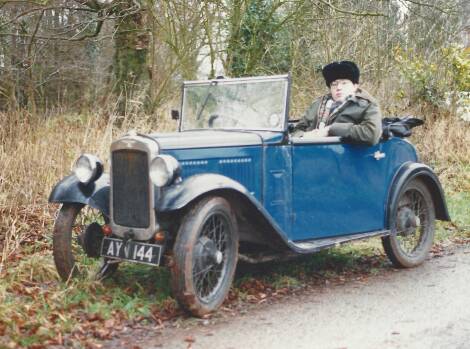
It was John’s love of music that first caused us to meet. John’s small, blue Invacar was a regular sight parked outside the back of Rutland Hall, in a special parking space next to the crates of empty beer bottles which always rather tickled John. Noticing a “Hereford Three Choirs Festival” sticker in its window, I searched John out and discovered that he was a fellow Herefordian. This gave me a considerable advantage over my fellow Rutlanders as it allowed me to engage in the raucous nights out with him that John so enjoyed, not only in term time but also during the university holidays. John was famous for his wicked sense of humour and of naughtiness which, more than once, caused us to have to scurry away from some situation as it started to get out of hand due to some prank of John’s or perhaps an over enthusiastically expressed opinion, of which John had many! My father was none too impressed when, at 2 o'clock one morning, outside his bedroom window, John persuaded me to assist him in indulging his love of fireworks. By removing part of one the crutches he used to walk with, we had an impromptu mortar, into which I was harangued into reluctantly dropping lit bangers, which would then rocket skywards with much noise and hilarity (except on the part of my father). Nearly thirty years later, we decided to make a strategic withdrawal from a beach in Aldborough very soon after setting off the biggest fireworks I have ever seen available to the general public which we used to celebrate John’s 50th birthday, feeling sure that the bigger than expected explosions would shortly cause the arrival of the police. He indulged his sense of the theatrical in the annual Rutland Hall talent competition, one year as a beer drinking ventriloquist’s dummy and another, as the man being sawn in half, carefully unstrapping his prosthetic legs as the “magician” made a great show of sawing him in two. It is a testament to John that the announcement of his passing on the “Rutland ‘79ers” Facebook page brought out many fond memories and touching tributes from many people, some of whom had not seen him for over 40 years.
One could fill pages with stories of the lighter side of John which was a very important part of who he was, but this should not exclude the other side of him, his very strong commitment to public service and desire to make the world a better place. Whether it was his work at the Department of Health, Hammersmith & Fulham Council, the Leonard Cheshire Foundation, Habinteg accessible housing trust, 28 years as a magistrate or a myriad of government appointments (see what I mean about him achieving more than most people) John had the same drive to change things for the better. If he came across something he thought was wrong, should have been done better or incompetence, he would call it out in no uncertain terms. Many’s the evening I have spent with John very clearly and cogently railing against some inequity he had come across within the system and I think it was a very sad loss for the country that he never chose to go into politics as I told him on a number of occasions. I think he was too principled to enter that swamp!
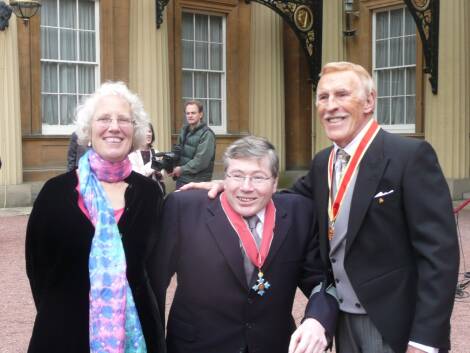
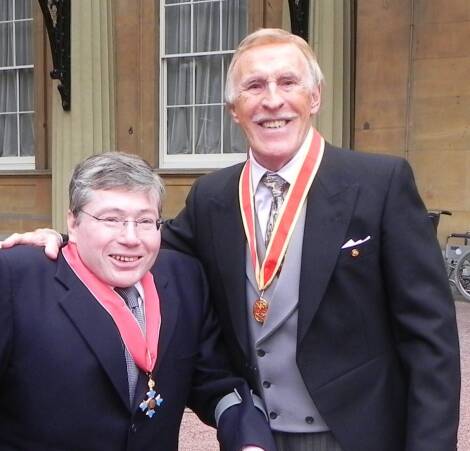
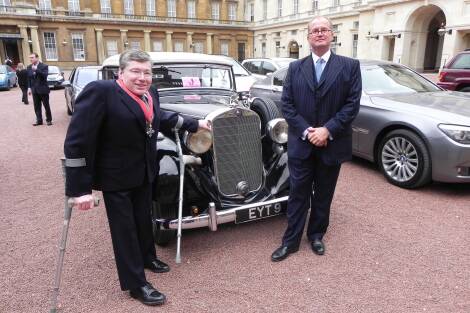
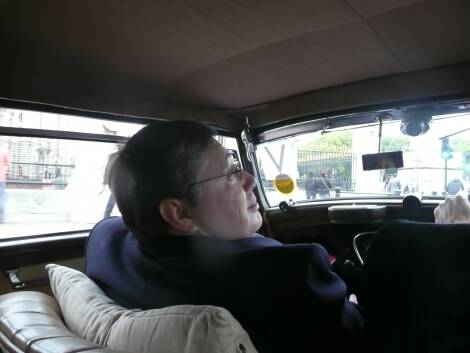
But as I said, at least he was recognised and I was very honoured when he asked me to be his ‘helper’ when he was summoned to Buckingham Palace to receive his CBE. He didn’t really need a helper but this was his cunning ploy to get an extra guest in, over and above the usual allocation of 3 guests. He was also very keen to be chauffeured into the palace in my 1938 Mercedes as he wanted to make a suitably memorable entrance. As he and I were ushered into the holding area for the people waiting to receive their awards, John made a B-line for Bruce Forsyth (a couple of minutes later, Sir Bruce Forsyth) as the then presenter of one of John’s favourite TV programmes, Strictly Come Dancing. They really hit it off and laughed and joked until each went up to receive their awards. I ‘helped’ John to within a few feet of Her Majesty, before he walked up to her. He was more nervous than most awardees that day, worrying that the Queen might remember him from their last “meeting” 31 years before, during her visit to Nottingham University when he yelled “parasite!” at her as she walked past. I was not close enough to hear what passed between them, but it all looked very cordial, so I presume John was forgiven.
I feel privileged to have known John for so long, and in more recent years, his beloved wife Ruth. All too frequently one hears of people being described as “one in a million” or a “one-off”, but in John’s case this really was true. It is not often that one can say that you have met, and could call a friend, someone who left this world better than they found it but such was John. We miss you!
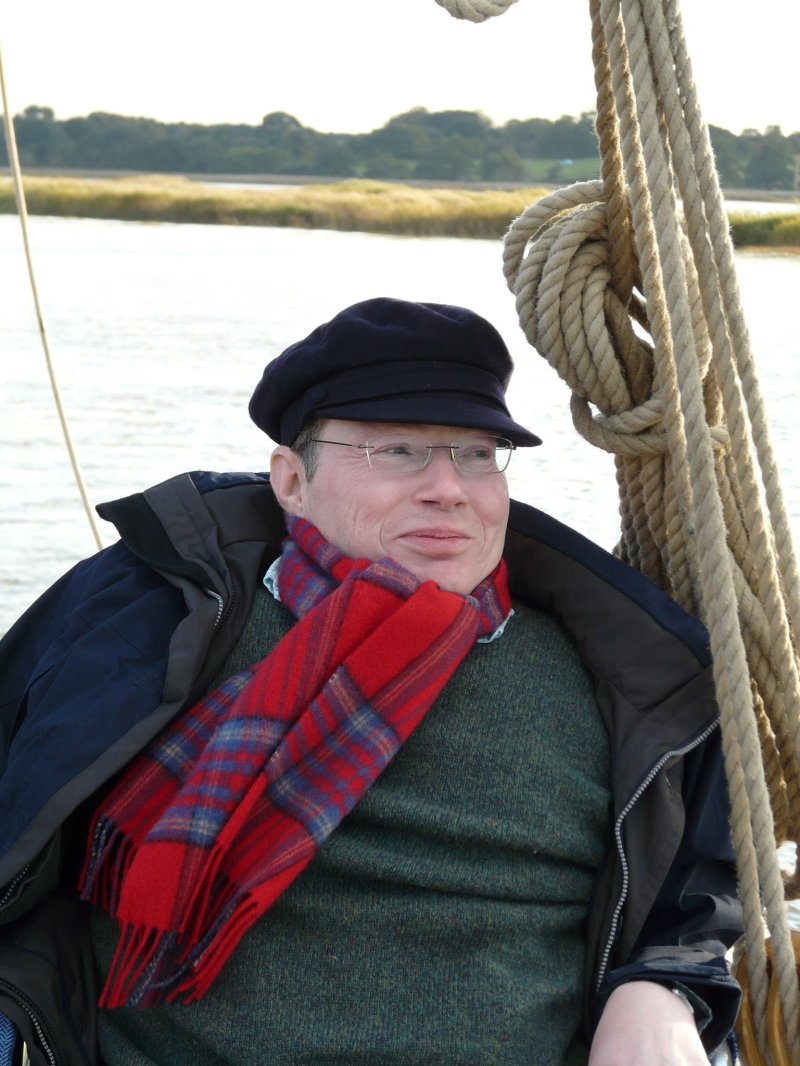
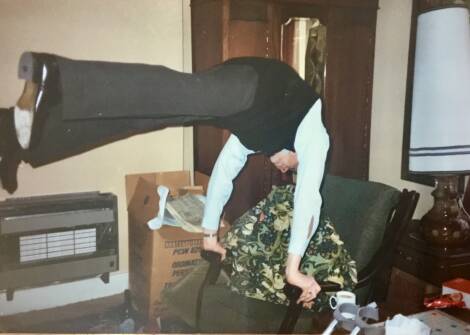
What a wonderful picture - it says so much about John's humour, sense of adventure and his completely indomitable spirit.
I first met John in the early 1990s when he was working at the Cheshire Foundation. I was chairing a meeting of UK-based community care charities at the Red Cross, and can remember being deeply impressed by John's commitment, compassion, and quick intelligence - not to mention his very dry sense of humour. In the thirty years since, we served together on numerous voluntary sector committees, often meeting up for coffee beforehand or lunch afterwards, and usually found ourselves enjoying wry commentaries or shared outrage about the state of the world or whatever topics had been under discussion.
Latterly, cricket and music, particularly at Snape, have shaped our conversations and outings together, and John's sense of fun, and his capacity for enjoyment and engagement have always been in evidence.
My admiration for his profound determination to make the world a better place, and his extraordinary and deeply impressive courage in the face of substantial disabilities, have never wavered. In our thirty years of friendship, I never once heard him complain about his difficulties - indeed, I cannot now recall his ever even mentioning them. He was the most marvellous person, and a truly great humanitarian.
Nick Young
Good morning, Ruth,
I’ve just heard about John from Kerry and Ellie. Such sad news. A real loss to the sector. He will be deeply missed by so many, including me. I fondly remember meeting you both for the first time at your Habinteg flat, on a nice sunny day and having a cup of tea and delicious cake in the conservatory, and the many times he joined me on scheme visits. He was a real source of support and wise advice during my time at Habinteg. I feel privileged to have known him.
I also thought the newspaper tribute was wonderful. It made me realise just how modest John was, as I barely knew some of the impressive achievements listed there.
Please do let me know of any memorial services, if appropriate.
My thoughts are with you and your family at this difficult time.
Kind regards,
Nick Apetroaie
John was a ray of positivity and an advocate for our services. He gently persuaded us to find solutions to challenges, aiding those we were working with, be it himself as an individual or the wider population. John was always interested in the people he was working with, encouraging and supporting them as individuals. He proved a source of inspiration and courage for us with taking concerns to board and commissioning levels.
Meg Bodycoat
Clinical Lead Therapist
GSTT Wheelchair Service
Memories of John Knight
We met in the 1980s. I had been a tutor for the Open University for some years, and my London study centre was now the City University – a brutalist pile improbably set into a splendid Georgian square in Clerkenwell. As a (then) newly constructed building it had excellent disabled student access, so it was perfect for John. He joined my Social Sciences Foundation course, and we really got to know each other well at the summer school he attended at Sussex University that year where there was time for long discussions in the bar. We soon discovered a mutual love of music and John became my regular musical companion, providing a very welcome respite from a torrid time in my life. My marriage had just ended, and the days were bleak as I struggled with multiple jobs to pay the mortgage and continue with home renovations. John was a marvellous support and we went regularly to the glory days of ENO, to the Wexford opera festival, to Glyndebourne, the Royal Opera, to Garsington and to the Three Choirs festival.
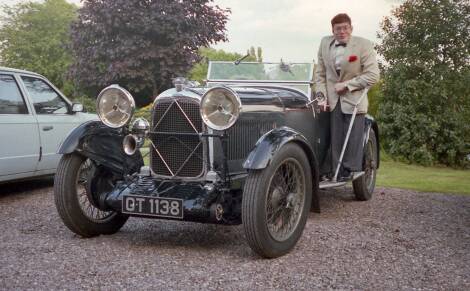
I have lots of amusing memories of those events: I had a sports car which took John and I over to Wexford via the ferry from Wales. It was surprisingly comfortable for John as there was lots of leg room and it used to amuse us both when we parked (quite legitimately as we had John’s blue badge) in disabled parking bays and John would emerge in full black tie from the low slung car, crutches first, much to the surprise of other patrons. Another Wexford memory is of the conductor striding confidently to the podium but then tripping over John’s legs (which he could not retract) and almost falling over. A story John never ceased being amused by was at Garsington when I somehow got locked in the loo at the end of the performance and had to bang on the door to get out as they were about to load the portaloo onto a lorry.
Soon after we met, John joined my Arts, Libraries and Play team at Hammersmith and Fulham Council as Disability Services Officer. He was excellent as an advocate for widening accessibility to our services but the role he really revelled in was being Master of Ceremonies at the annual bonfire and fireworks event. He loved commanding the action and making announcements to the assembled crowd, even if he grumbled at having to reunite lost children with their parents.
Following that, he went to work at the Leonard Cheshire Foundation, where he did enormously valuable policy work that made a significant impact. He also took up various additional advisory roles and made a real difference in shaping government appointments and policy. He loved to gossip about his contacts and was refreshingly candid about the people he had to engage with, some more reluctantly than others. He also spent many years as a magistrate and became involved in training for the magistracy as well as dispensing justice. He felt all these roles were of great importance to a functioning democracy and he often expressed anguish at what he saw as an erosion of these functions. I loved our invigorating conversations on these topics.
As the years went by, I decided to be more proactive in seeking a new partner. John was greatly amused by this process, vetting all the candidates and giving them nicknames, and, of course, wanting a full report of the various encounters. Eventually I met my now husband David and we all became close friends. But John and I would remain musical companions, attending many performances at the Royal Opera and ENO. Once he started using a wheelchair, things became easier in terms of his mobility, in fact rather too much so, as he would often set off at a rapid pace and I would then be running behind trying to keep up. This was quite comic when he was trying to get a taxi after a performance, when he would avoid the pavement crowd by setting off down the middle of the road, with me in hot pursuit hoping that there was no traffic and waving my arms wildly when there was!
Our last evening together was at the Royal Opera, at the beginning of November, to see the Makropulos Case, which features a woman who is 337 years old. We were reminiscing about how we had first seen the opera together in 2001 at Glyndebourne, in a storied production, and John remembered all the details. His memory of past events was still sharp, and I thought he was looking well that night. Sadly though, John did not have the elixir that enabled our opera heroine to live for 337 years. Dear John, how we will all miss you.
Maureen Taylor 13/12/2025
I met John Knight when I turned up, soaking wet from a storm, for an interview with the campaigns team at Leonard Cheshire. He thankfully overlooked my disheveled and frazzled appearance, and offered me a job as a campaigns co-ordinator. He told me that we were going to “give power back” to service users, and support disabled people to campaign on whatever issues affected them in their communities. And we really did do that! Under his guidance, disabled people won huge local gains - from the first ever accessible bus in the Lake District, to a new lift in Chesterfield Macdonalds, to disability equality training for thousands of London bus drivers. Sometimes service users would turn their campaigning against the organisation, and he stood proudly with them and smoothed the feathers of anyone internally who was getting nervous, ensuring disabled people’s voices were heard at the heart of the organisation. John was also loads of fun - how great it was when we discovered that the most accessible hotels were in Blackpool - from then on we hosted our annual meeting of disabled campaigners on Blackpool seafront, and no-one enjoyed the evening cabaret entertainment as much as John. John was an inspiration to me in my early career - he took a chance on us young activists (including recruiting plenty of feminists which gave me many friends I still have today), and turned us into a great policy and campaigns team. I will always value his support and guidance, which catalysed for me a career in social justice. Thank you John, rest in power and peace my friend.
Lee Webster
I have known John all my life – and our spare room at home was always “John’s room”. My memories of him are full of warmth and laughter.
No matter what he was going through, there would always be something to fascinate or amuse him in any situation – and he would always have a story to amuse others. And he seemed to attract bizarre happenings like a magnet: his BUPA doctor who turned out to be a fake; or the time when he had a seizure in a Paris hotel and they had to call the fire brigade to get him out of a window (which left me crying with laughter); or his time with CQC in Millbank Tower during protests when the anarchists took over the building, but did all the washing up -and where there was a phone number mix-up and he took so many calls for ‘Celebrity Dry Cleaners’ round the corner that he eventually just went along with it and pretended to work there.
I went to the theatre with him many times, as a small child to an adult – from Carnival of the Animals to Sweeney Todd and I think probably more opera (although it didn’t ‘take’ with me). Through to Network at the National, which is a favourite memory. The main character shouting – as a TV News anchor - “I want you all to get up and open your windows and shout: I’m as mad as hell and I’m not going to take this any more!” and John gleefully shouting it out from the back of the theatre along with him, despite alarmed glances from the row in front.
We came together over good food many times too and he often took me out to dinner. As I got older I enjoyed being able to come up with new restaurants to suggest to him instead and eventually there were four of us with Ruth and Bert and even more good conversation and laughter to be had. I was so glad that he got to know Bert well and have a lovely memory of him reading a poem at our wedding (I sprung it on him at the last minute but he rose to the occasion).
John was a disruptor and it always seemed incongruous to me that he had several periods of maintaining club memberships – he argued me into the Liberal Club when I was really quite young,(probably about 9 or 10 as I remember taking my doll with me). The first time he met Bert was at the Reform club. It seemed to be yet another way that he just thoroughly enjoyed himself – lamenting the terrible food and getting all the political gossip at the same time and observing all the regulars closely. John was also the one who introduced me to an extraordinary email newsletter called Popbitch that reveals secrets about celebs and politicians and he used to regale me with tales from it.
John encouraged me towards the Civil Service after university and although I resisted for a long time, suspecting it would be dull if I was not a diplomat or a spy, of course he was absolutely right and it was the perfect place for me. I enjoyed being able to discuss public service with him as an adult and he gave me so much invaluable career - and life - advice along the way – always starting with ‘now tell me about…’ before turning over problems in a measured way, never forcing an issue and always making it clear that he absolutely trusted my judgement.
He was so alive and fought all the way – he leaves a huge legacy behind and particularly in his family and friends.
Harriet Bradley
God Daughter
John was my friend. Not an early acquisition, it was a friendship grown over a common passion (someone might say obsession) for classical music and opera.
For a few years John and Ruth used to come to my wife’s Lorry house to listen to music and occasionally Lorry and I used to face the long trip to Epping to go and visit John and Ruth.
It was great, Ruth, and me sitting on the sofa, John on a chair over his cushion and Lorry behind, in the kitchen, who could not give up her disturbing fags but was also listening.
At some point Sara, Ruth’s sister, also joined.
Then we had to stop, because John had abandoned his crutches, there were two steps he could not negotiate with the wheelchair, in spite of Ruth’s desperate attempts.
So, we had to abandon the music sessions and Lorry also died.
But there was Xmas and I was a regular at Ruth’s and John’s new house in Kilburn, when John amazingly was doing a lot of the cooking feeding Ruth, me, Sara, Jonny, Shu Mei (?), often also Alex.
John liked his food (and drink) and it was great going to a concert together having dinner first. We had to try the Lebanese Contour on the West Bank, but it never happened. And I still owe him £30 for a concert with the Takacs Quartet at his beloved Wigmore Hall, a ticket he had bought for me and I didn’t manage to attend the gig.
And it wasn’t just music. John nurtured an unassailable sense of justice and empathy for the underdogs, first of all of course for disabled people, but also the poor, the Palestinians - he managed to negotiate a few IJAN pickets at Swiss Cottage. All this with a great ironic touch and going lightly through an increasingly difficult life.
He was a courageous man, and never allowed his disability to plunge him into bitterness. He was a fighter and a winner.
I’ll miss him, what do I say, I miss him now while I’m writing this.
John, people like you are rare and you have been making my life (and a lot of other people’s) richer.
Ciao John, rest in power.
Giorgio
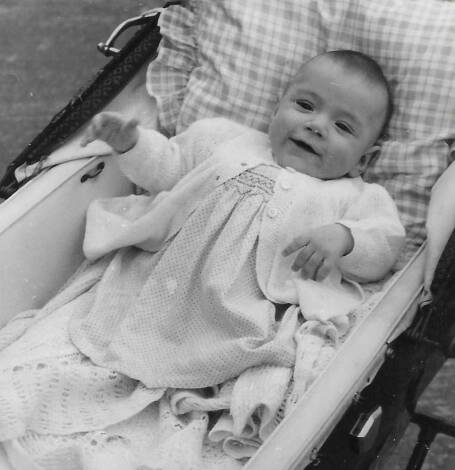
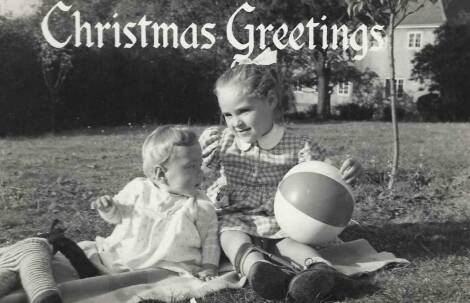
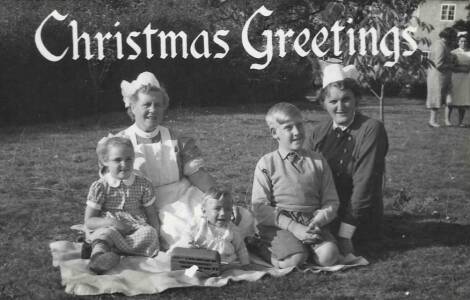
John came to the John Capel Hanbury Hospital home from the Frenchay Hospital in Bristol when he was two and a half months. His mother said that she could not cope. He already had that mischievous sparkle in his eyes and a strong will.That was when I first met John. I was just twenty and volunteering at the John Capel Hanbury Hospital Home usually known as JCH. He was a lovely baby but his legs, which were very twisted, made it difficult for him to turn so the staff decided he was deaf. However they soon realised their mistake. The medics decided that he should have the legs amputated before he started school so after a couple of years or so , he went off to Roehampton to have the operation. It was a difficult time for him and he was very upset that he now had no legs. We walked around the grounds as he convalesced mostly looking at trees or singing and John, even at that early age, faced up to things and recovered.
I recollect one occasion when he and several other children at JCH made their great escape climbing out of an upstairs window and making off into the village. They were of course returned to base but did not seem at all repentant.
John was taught to use tiny artificial legs which he did not like much. They were gradually extended as he grew older. There was a school at JCH which he attended but found quite boring, and consequently was quite disruptive so eventually he was packed off to The Ethel Davis School in Ilford where he was equally bored. I recollect going to a parent’s evening and was quite shocked to see his work-it was really bad and I knew by this time that he was an extremely bright child.Amazingly later he was a school governor there.
John regularly visited us at home and he was very much part of the family, he enjoyed chatting to my brothers. Sometimes he brought a friend home with him. There was one famous occasion when he and a friend emptied the kitchen cupboards- the ones they could reach- and emptied all the packets into one glorious heap. My mother took it all remarkably calmly.
We visited London, theatres, restaurants etc over the years. I was always proud of the way he dealt with people on trains and in the street. He would say very firmly, even at six or seven that he was not a cripple and that he could speak for himself. He did not like pity. He would also say if asked, that his mother was dead.
He had a very special friend- Judy Hocking - who he very much saw as his mother and he always went to her for Christmas and to the Three Choirs festival. He loved her dearly, as she loved him. Her father too.
By the time he was ten, he obviously needed a more challenging environment so he was sent to Chailey Heritage school in Sussex. The boarding part of the school was separate from classrooms. The pupils went across the heath each morning for their lessons. John discovered that he could hide in the bracken and come back with the other children for lunch and tea. The school, wisely, just gave him his lessons in the evening and he soon learnt to go to school properly.
There were a number of thalidomide children at the school - bright and wanting to learn, and John had many friends amongst them. Over those years he took part in plays and it was lovely to see him blossoming. I once came to visit and found him and his friends digging down in a particularly muddy drain with great glee. All absolutely filthy. Later He was made Head Boy and was delighted to show me his private space and his very own wardrobe.He was confirmed at school.
But he still did not have the qualifications he needed, so off he went to Hereward College in Coventry to get some O Levels. He worked hard but also had fun and enjoyed the more adult approach to learning.
He came to our wedding in 1975 and did the intercessions very ably. He was delighted that there was considerable tension between the two families as he found it very funny and dramatised it all afterwards.
He was delighted when Harriet was born in 1977 and proved an excellent godfather to her over the years.
Then he needed A Levels. He took what we thought was a very brave step and returned to Bristol for the two years. He thought he might repair the relationship with his family but this did not happen. With his usual stoicism he just got on with life and achieved his goal with a place at Nottingham.
He was with us in Lincolnshire while he waited for his results- a fairly stressful time - one moment deep gloom, the next planning his university life. He used to go off in his invalid car around the lanes.
He absolutely loved his time at Nottingham reading for a Zoology degree.We heard wild tales from him of the things he got up to but he seemed to survive it all, even the change from a comfortable room in Hall to a shared house which he tried to tidy when we visited with singular lack of success. We went to John’s graduation ceremony and afterwards for a meal in town, We were not sure where to park so John directed us. When we came out a traffic warden was about to put a ticket on the car. John did not waste a moment and by the time he had finished ,the warden was near to tears and actually apologising to us.
We were introduced to Ruth very slowly and cautiously with much emphasis on her diet and how we had to provide the right food when they visited. All very nerve racking but all went well. Ruth and John were a good match and we rejoiced to see him so happy.
John’s humour and zest for life has been wonderful to behold - an inspiration to everyone who knew him.
Elizabeth Bradley
In the autumn of 1979 a small group of undergraduates gathered each week in a small TV room of Nottingham University’s Rutland Hall to watch a new BBC spy series. Its haunting opening choral music presaged a bewildering jargon-laden narrative about ‘moles’ in the ‘Circus’ led by agents with mysterious nursery-rhymed code names. After each episode animated discussion would immediately commence: back stories were analysed, events deconstructed and theories advanced. One of the devotees I met at those evening gatherings was John.
Our friendship then rapidly developed, cemented by a shared passion for classical music about which he was already far more knowledgeable than me. This shared interest involved numerous trips to concerts at the splendid Albert Hall in Nottingham.
On one memorable occasion after a mid-winter concert we paid - on John’s suggestion - an impromptu backstage visit to the evening’s soloist, Vladimir Ashkenazy, to express our appreciation of his performance. He was just getting ready to leave but he generously stopped to chat to us for a few minutes before setting off in his Russian fur-coat towards the comforts of his Nottingham hotel.
At that other Kensington Albert Hall in the summer of 1980 John and I went to the penultimate night for the traditional Prom performance of Beethoven’s 9th symphony. John and I were sent round by someone from the box office to be taken up by lift but we both commented slyly on how we were not asked to show our tickets to the attendant. This is when our undergraduates sense of mischief - of which John was a leading exponent - kicked in. Why not try and repeat the trick to infiltrate the following evening’s Last Night of the Proms, we asked ourselves? Spurred on by sheer bravado we duly gatecrashed the event. Coincidentally, we noticed posters advertising a concert by Frank Sinatra the following week. We seriously considered trying the ruse once again again, this time posing as two of his youngest and unlikeliest fans. Wisely we decided not to push our luck against Sinatra’s no doubt rather more robust security operation.
Years later, in the summer of 1988, I accompanied John to Sussex University for the O.U. summer school as John’s designated ‘helper’. He had decided to move on from Biology to pursue his growing intellectual interest in the social sciences. As a gesture of thanks for this John bought me a ticket for a Glyndebourne opera, my first and hitherto only occasion I was able to go. It is very sad therefore to recall that one of our most recent communications was to discuss a possible visit together next year, this time to see ‘Billy Budd’ by his beloved Benjamin Britten. John’s devotion to the music of Britten extended to him acquiring a rare full set of the programmes for the Snape Maltings Festival going back to its inauguration year of 1948. As John described it, this involved a shady night-time car park exchange of a sizeable sum of banknotes and the transferring from boot to boot of the ‘loot’. He once told me that he had seen Britten’s opera ‘Peter Grimes’ 33 times. Very few people could match this level of knowledge of operatic performance.
It wasn’t all John Le Carre and operatic high-seriousness with John though. He took to the high-jinks of undergraduate life with all the gusto of one liberated from a much less permissive educational environment. One rather disreputable event captures this. After one very well-lubricated Hall dinner followed by drinks in the bar, John drove an inebriated group of us in his blue three-wheeler across some nearby fields with various Rutlanders clutching on to the sides of a vehicle most certainly not purposed for such a passenger load.
More seriously though, even then we were dimly aware that what many of us took took for granted as our right to higher education, John had had to fight far harder than any of us to access this right. His personal battle informed his life-long efforts for social justice, ultimately leading to the richly deserved award of a CBE.
John honoured me with an invitation to attend his subsequent award of an honorary doctorate at the University of Nottingham. Remarkably, as part of the celebrations John was able to meet the professor who had first interviewed him back in 1979 and then to go out to dinner with Dr Van de Lande who had been his tutor.
Our last meeting was at Lords cricket ground this summer for the Test match against India, my ticket having been gifted by John in typically generous fashion. John rocked up in his motorised wheelchair after a bus ride from home carrying a bag freighted with quiche and chilled white wine. We spent as much time reminiscing as we did watching the cricket. Sad to think therefore that we looked forward to this becoming a regular future event as gentlemen of leisure but the occasion provides a memory that I now treasure.
One final thought about John’s life and the great challenges he faced and overcame: a French philosopher once argued that we are all dealt a particular set of circumstances in life which can define who we are and what we can do if we allow them to do so. True freedom comes from not allowing ourselves to be so defined. The triumph of John’s life lay in the fact that he forcefully and persistently declined to be limited by the circumstances set for him.
That meeting in Rutland Hall in our first autumn of undergraduate life in that last pivotal year of the Seventies laid the basis for a rich harvest of friendship best summed up in the following words: fun, laughter, loyalty, music, bracing intellectual chat and above all an unyielding optimism of the spirit.
David Atter
Dear Ruth,
I wanted to send you a note to express my sadness on the news of John's death.
I really enjoyed working with John during his time on the Habinteg board. I was the Executive Team leader for the review of tenant engagement in which he was so instrumental and I found his contribution to that process to be a magical mix of robust challenge and kind support.
I also lead the influencing agenda at Habinteg and always found John to be generous with his support and ideas, he always, always put the experiences of Habinteg tenants and disabled people in general first.
I had previously worked at Scope in the same era that John was at Leonard Cheshire and although I didn't meet him at that time I knew his name and reputation as a formidable campaigner. It was a pleasure getting to know him in person.
I am so glad that he enjoyed the leaving card. I was sad that he wasn't able to make the final Board meeting of his tenure and we were already preparing to miss him.
I wondered if you had thought about submitting his obituary to the BBC Radio 4 Last Word programme BBC Radio 4 - Last Word - Available now. I really think that his story and legacy deserve recognition and I'd be very happy to contact them if you would like me to.
Please let me know if you'd like this.
With kind regards and sincere condolences,
Christina
John and I met in Rutland Hall in 1980 early in my first term at Nottingham University. He was already in his 2nd year.
I was studying Music and John being a classical music enthusiast was interested in the subject and we soon became close friends and regular concert buddies.
I remember vividly, squeezing into his mobility car designed for 1 person, keeping my head down to avoid being spotted by traffic police whilst he sped along screeching round corners and parking right outside the entrance to the Concert Hall. The relief when I could finally unfold myself having made it safely to our destination!
John also did a monthly classical radio show on URN (University Radio Nottingham) with Mark Coote. He put a Brahms Symphony on one Sunday afternoon, then legged it to the bar with Mark. On their return they realized the record had got stuck at the beginning and had been looping for the whole hour!
John proposed me for Hall President of Rutland during my second term and in an amusing speech which included :
“it is at this point of the proposal that people normally say she is friendly and approachable” John paused lit up a cigarette took a drag and said” well, I can honestly say she’s friendly and approachable, I’m an awkward bastard and she gets on with me”!!!
On another occasion John asked me and a friend Pete to help out with a trip for a group of quite severely disabled students to visit the University. At one point we were seen pushing them in wheel chairs at speed down the hill to Portland Building much to their delight, where John was waiting at the bottom with a pint and a cigarette propped up against a tree, laughing at the antics he had put us up to.
We had endless crazy times during our time in Rutland , particularly in the bar, many a late night chatting to the early hours, listening to music and just enjoying hanging out together.
I left for Hong Kong in 1984 returning only recently in 2024. During that time we kept in touch with occasional letters and emails, which however infrequent, were always packed with amusing stories, fun and were truly inspirational. I think of him constantly and miss him dearly. The image of him being up to endless heavenly mischief however as well as all the wonderful memories of him keeps me smiling.
Belinda Howard
Gathering
The venue is pretty accessible; if you have any questions do get in touch.
If you'd like an invitation, or if you've already been invited and would like to invite others, please say via the RSVP below so we can plan the catering, giving your email address and telephone number. If this is your first contact, please also indicate along with your name what your connection is with John. We'll get back to you asap!
Donate
www.map.org.uk
Or,
John also supported organisations that made classical music available to people who otherwise wouldn't have had a chance to learn an instrument; if you'd like to do that, please give to Young Sounds UK.
www.youngsounds.org.uk
Both websites accept standing orders as well as one-off donations. If you are a UK tax payer, please remember to use GiftAid!


 Français
 Deutsch
 Nederlands
 Español
 Português
 Magyar
 Русский
 繁體中文
繁體中文