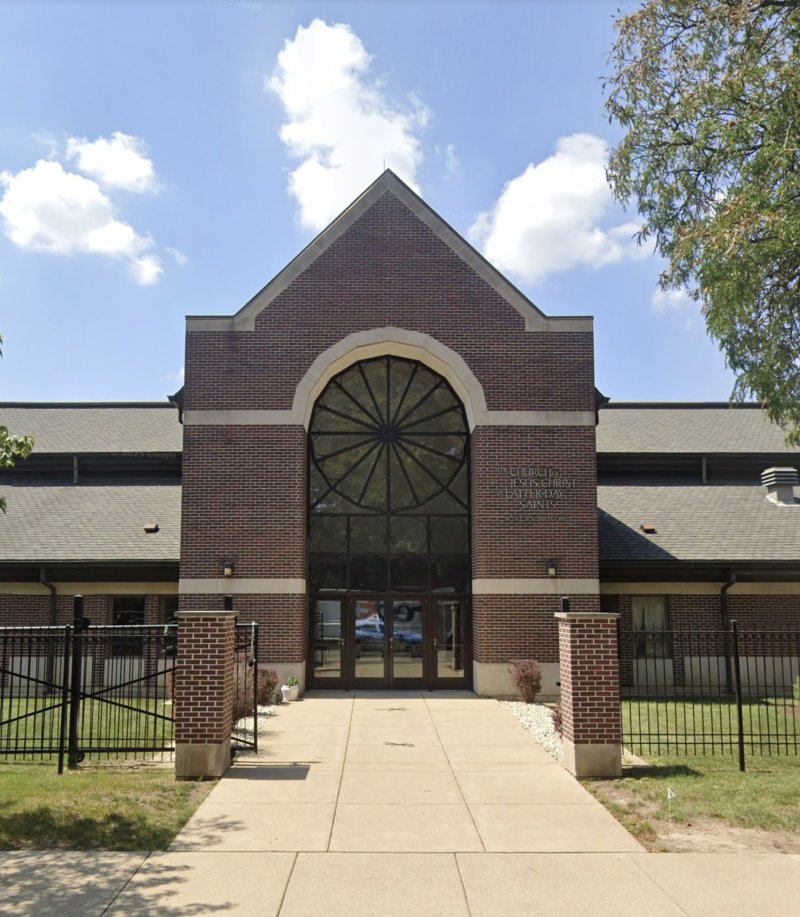
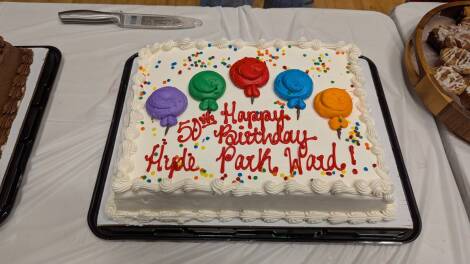
Hyde Park Ward 50th Anniversary
Thank you to all who joined us in celebrating this important milestone of the Hyde Park Ward! We invite you to continue to share your memories and photos on the site and to sign up to receive the occasional update as the ward moves into this next chapter of growth and community-building.
Local Media Coverage
The Hyde Park Herald wrote a wonderful story about the 50th year celebration, using some photos from the website and an interview with Barbara Maloof, our Director of Communications. It is available to read at https://share.google/8Hf8raKVNytLmOjFa.
Stay in Touch
Join our email list to get occasional updates about future ward events by signing up through our Google Form at https://forms.gle/NtPKvuaj2JakQmgGA .
This website is NOT an official website of The Church of Jesus Christ of Latter-day Saints.
Hyde Park Ward History by Charlotte Johnston
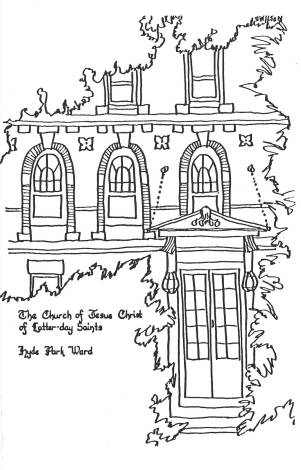
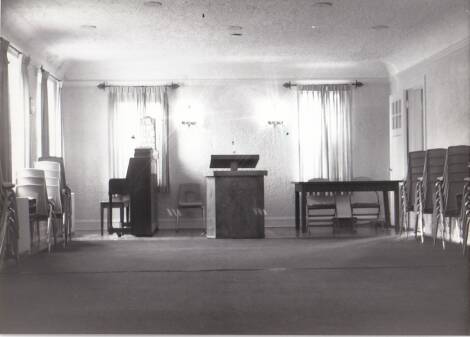
"Come Down and Sit with the People" (1929); The University Ward originally met in a building on 62nd and Kenwood, built in the late 1920s and modeled after the University of Chicago’s Rockefeller Chapel. It featured high vaulted ceilings and a
balcony at the front where the choir sat. The architecture was so formal that the bishopric also sat up in the balcony, elevated high above the congregation. When General Authorities came to dedicate the building in 1929, they took one look at the arrangement and instructed the bishopric to "come down from their elevated position and sit closer to the people"—a lesson in leadership that stuck with the ward for decades.
The Traveling Angel Moroni Painting (1937): There is a piece of Hyde Park history that now hangs in the Chicago Temple. In 1937, a former student named Brother Tracey donated a painting of the Angel Moroni delivering the gold plates to the ward as a thank-you for the welcome he received. For years, this painting hung in the original ward building on 62nd Street, and later over a poorly lit staircase in the Beverly meetinghouse. When the ward was between buildings, Weston and Beth Mickley stored it for safekeeping in their home. When the Chicago Temple was dedicated in 1985, the painting was shipped to Salt Lake City to be cleaned and restored. It now hangs in a prominent place in the temple—a permanent reminder of the Hyde Park Saints.
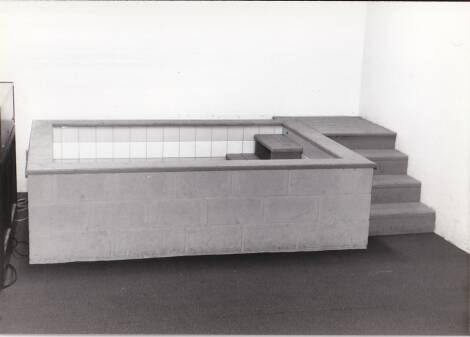
The "Wilderness" Years at the YMCA (1960–1962): Before the Hyde Park Ward had a permanent home, the members met in a small YMCA at 81st and Racine. It was a time of "makeshift conditions" where the Saints had to be adaptable and maintain a sense of humor. Charlotte Johnston recalled that sacrament meetings were held on folding chairs in the gym, while Primary classes clustered around the perimeter. The setting was far from reverent; during Fast and Testimony meetings, the silence would often be broken by the loud "cazong" of the candy machines down the hall. The lack of facilities was so acute that they joked about using the swimming pool for baptisms.
The "Avant-Garde" Building That Never Was (Mid-1960s): Before moving to the duplex on 54th Street, the ward owned a beautiful wooded site in Beverly and had big dreams of building there. They hired Y.C. Wong, a renowned Chicago architect, to design a building specifically for the location. He created plans for a "striking modern modular building". However, negotiations with Church headquarters stalled. The Church ultimately decided the design was "too avant-garde" for a standard meetinghouse, and the plans were scrapped. It was a disappointment at the time, but it kept the ward on the path that eventually led them back to Hyde Park.
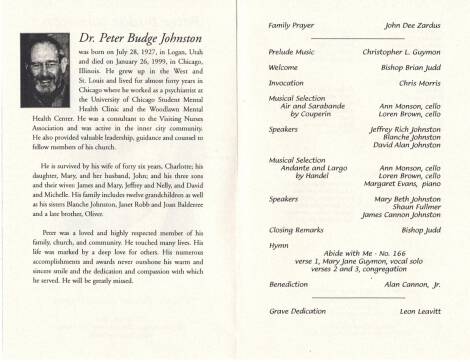
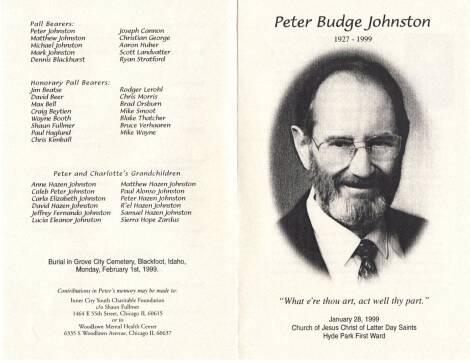
Soft, Strong, and Flexible (Mid-1960s): The fundraising efforts for a new building in the 1960s brought out the creativity in the congregation. The ward held rummage sales, bazaars, and bake sales to raise money for the building fund. Charlotte’s husband, Peter Johnston, even took to selling mail-order shoes to contribute to the fund. He used to tell potential customers that the shoes were "soft, strong, and flexible". Charlotte liked to joke that this description—soft, strong, and flexible—was exactly the way she wanted to be as she navigated the challenges of life in the ward.
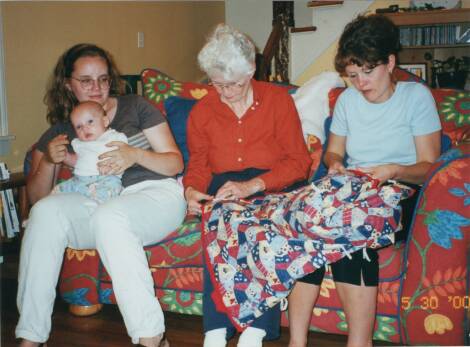
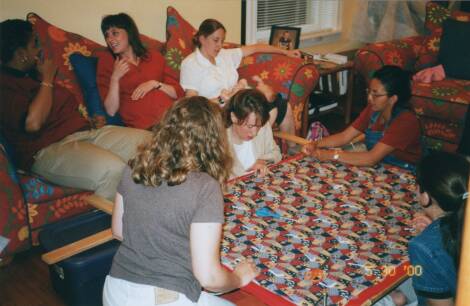
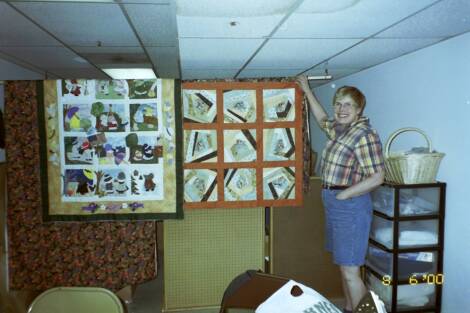
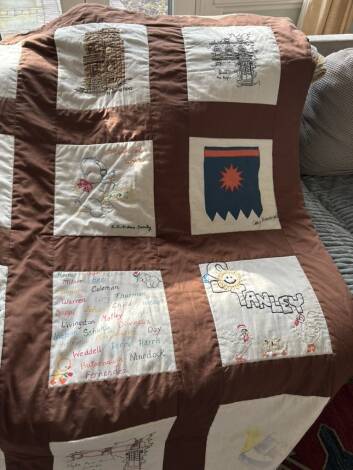
"Urban Pioneers" & Roof Tomatoes (1976): The early Hyde Park Branch was defined by creativity and a desire to be part of the local community. Under the leadership of Branch President Peter Johnston, the members hosted "open meetings" to field questions and concerns. They organized a spectacular quilt show to introduce themselves to their neighbors and announce, "we were here as part of the community". The spirit of innovation extended to the building itself; members discussed growing tomatoes aquatically on the flat roof of the duplex. Charlotte described the members of this era as "urban pioneers" who chose to stay and build a faithful community in the city rather than move to the suburbs.
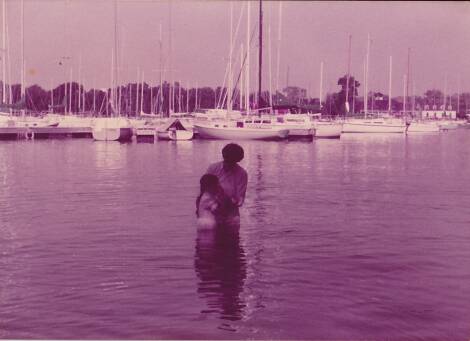
The Legend of the "Blue Box" (Late 1970s): When the ward moved into a three-story duplex at 54th and University in 1976, they were thrilled to be in Hyde Park, but they still lacked a baptismal font. The nearest stake center was an hour away in Chicago Heights. In true Hyde Park fashion, an "enterprising member" built a wooden box specifically for baptisms to save the long trip. This contraption became known affectionately as "the blue box". The congregation always knew when a baptism was scheduled because they would see a garden hose trailing from the box through the basement rooms to connect to the plumbing.
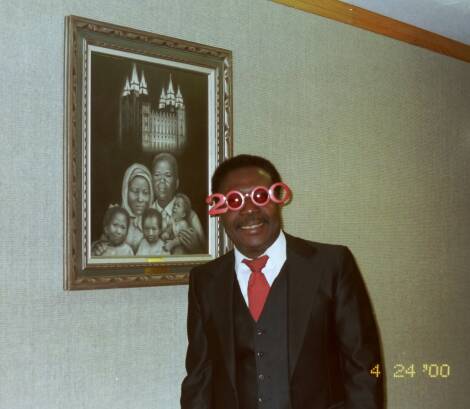
A Model of Integration (1978): Charlotte Johnston spoke candidly about her journey as a girl from Idaho learning to live in a racially integrated community. She noted that Hyde Park prided itself on being a "model of successful integration," and the ward reflected that spirit. Following the 1978 revelation on the priesthood, many new black members joined the congregation. The ward leadership immediately initiated programs to help new members acclimate to Church culture, while simultaneously helping long-time members appreciate the culture of the new converts. A painting of a black family in front of the Salt Lake Temple, given to the ward by President Kimball, still hangs near the bishop's office as a testament to this era.
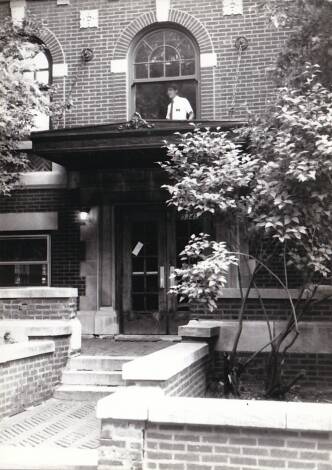
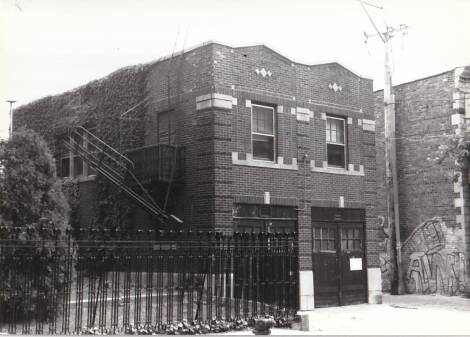
The Triple-Decker Sabbath (1980s–Early 1990s): Meeting in the residential duplex at 54th and University (1976–1992) required extreme logistical coordination. The ward started with fewer than 75 members meeting in a third-floor living room, but it grew rapidly. By the time they left the building, the ward was "bursting at the seams". To accommodate everyone, they had to hold simultaneous sacrament meetings on three different floors of the house at the same time—a testament to the ward’s rapid growth and the members' patience before the current building was acquired.
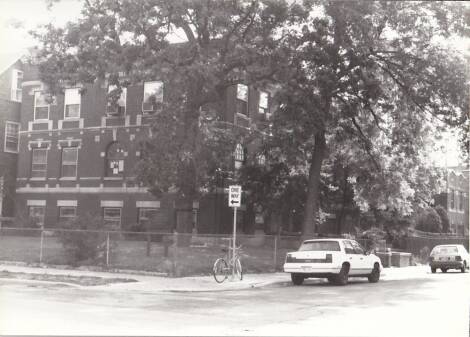
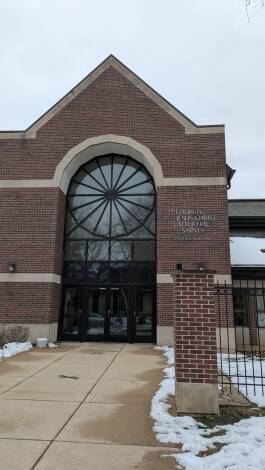
The Miracle of the Land Purchase (Early 1990s): For years, the ward struggled to find a suitable plot of land for a permanent chapel in Hyde Park, where real estate was scarce and expensive. They faced many disappointments until a "miraculous acquisition" occurred involving Chris Kimball, a member of the congregation and grandson of President Spencer W. Kimball. When the local osteopathic school closed, its professional buildings and faculty houses were listed separately. Chris realized that by combining these two separate listings, there would be enough contiguous land for both a building and a parking lot. The stake president, Rodger Lerohl, purchased the property on the spot, paving the way for the dedication of the current building in 1992.
Timeline
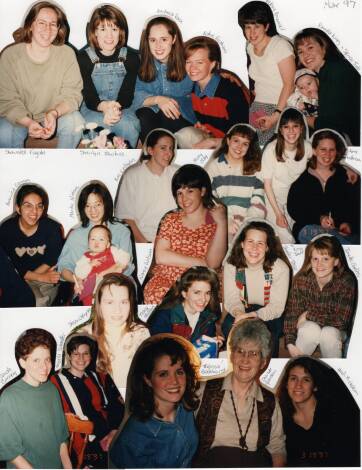
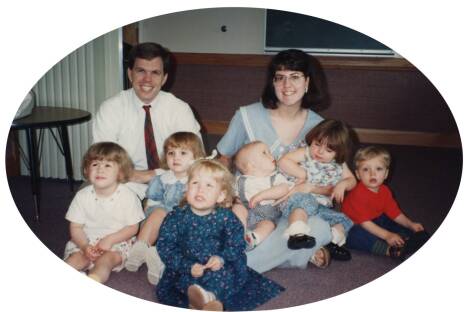
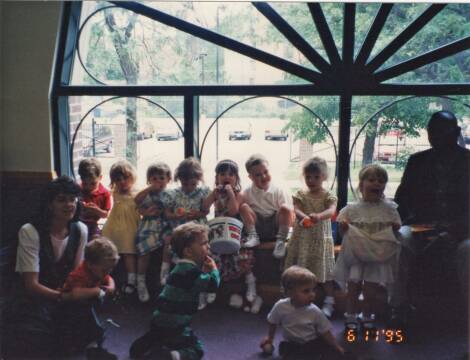
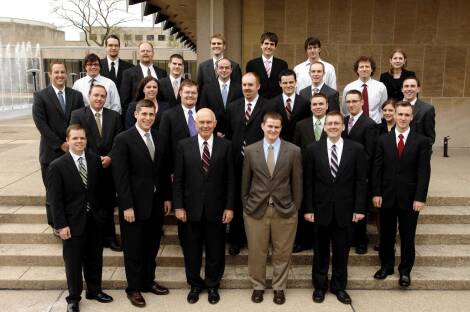
Photo Gallery
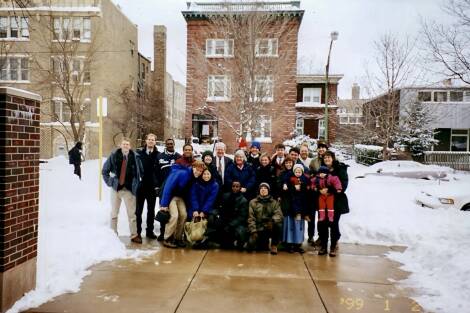
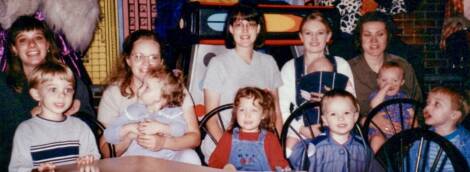
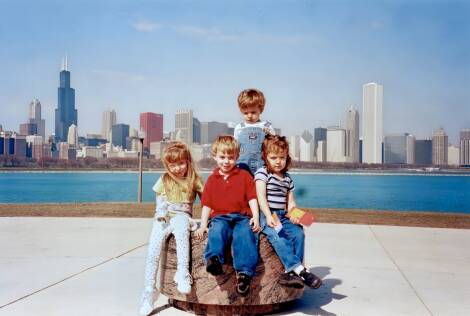
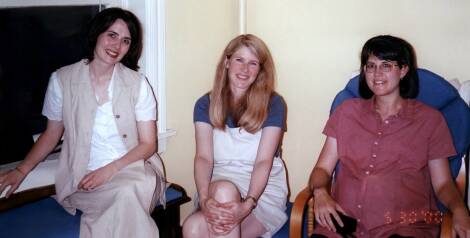
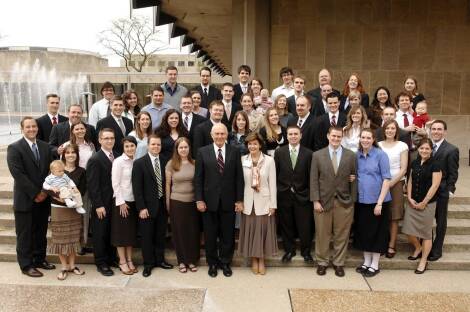
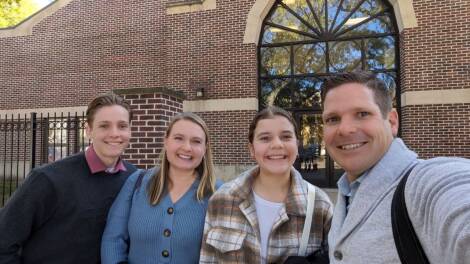
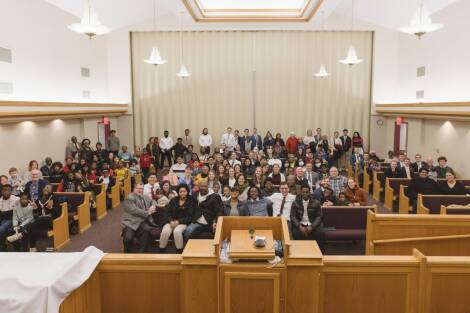
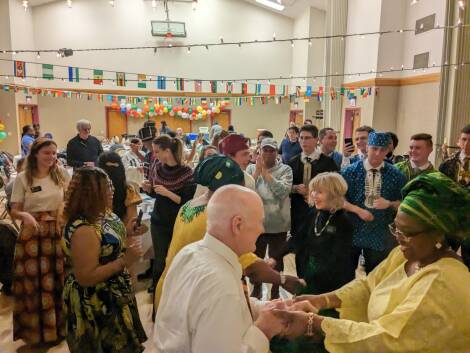

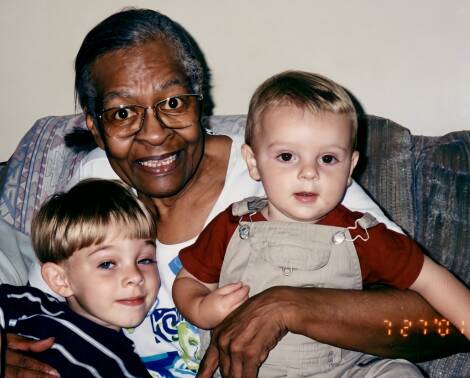
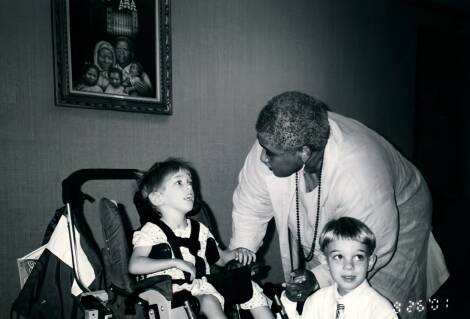
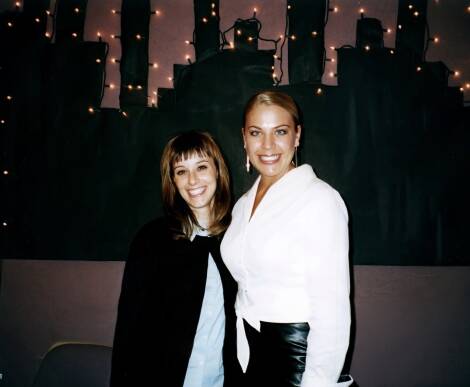
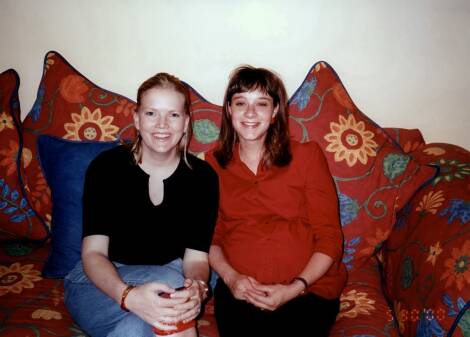
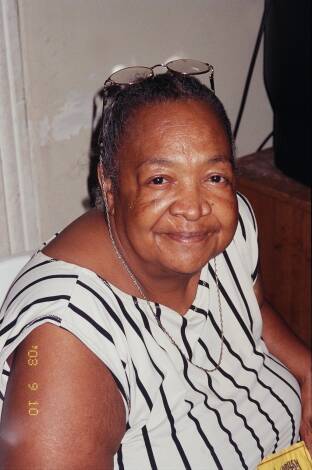
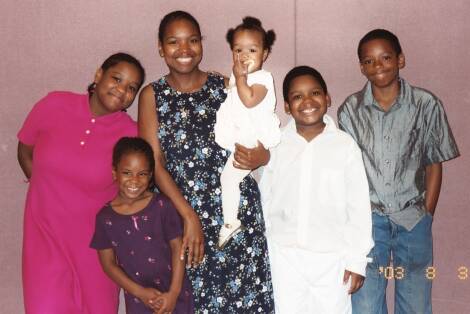
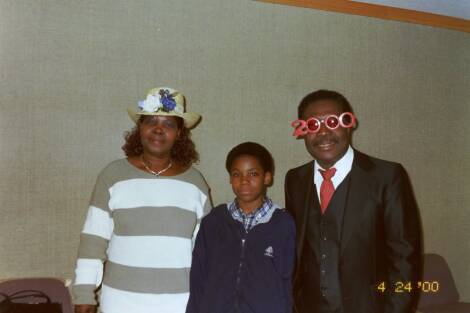
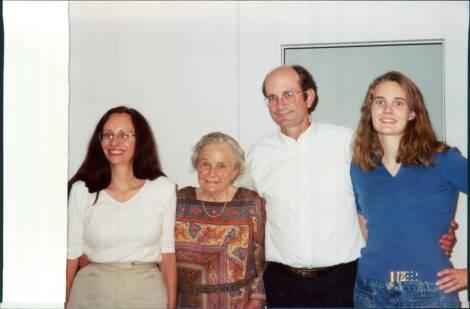
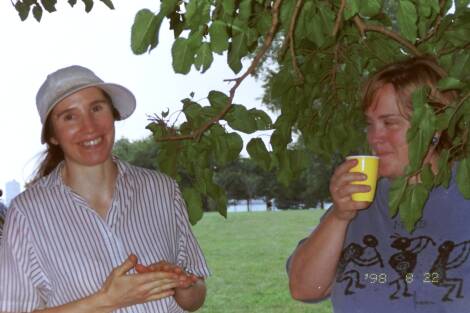
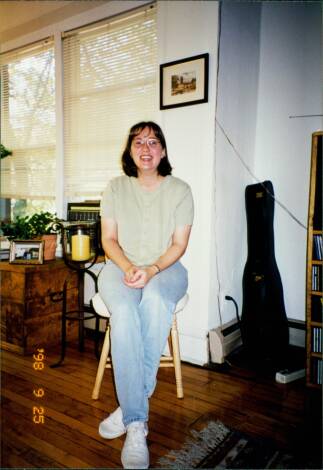
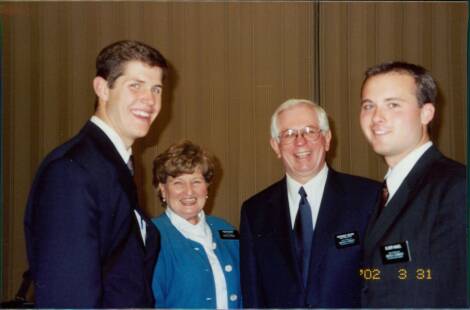
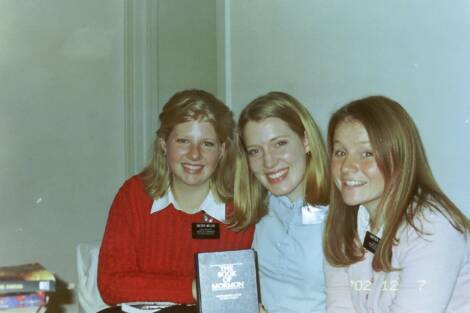
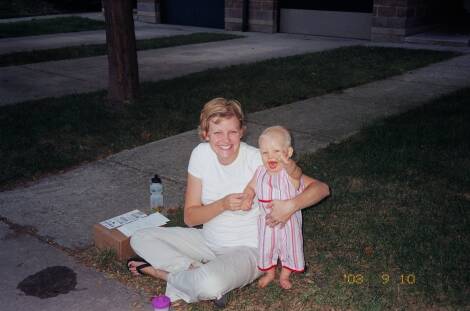
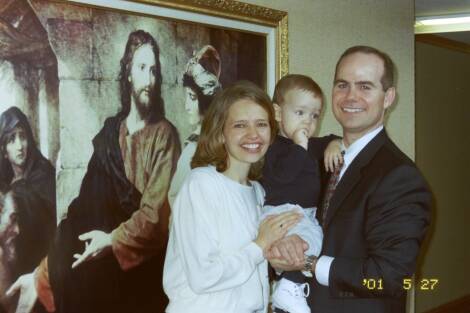
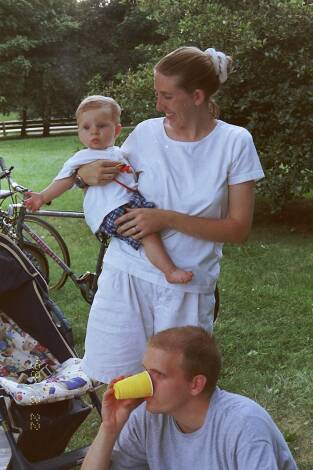
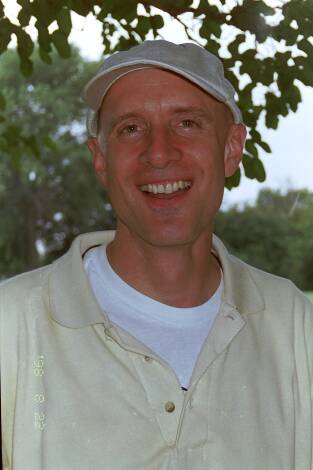
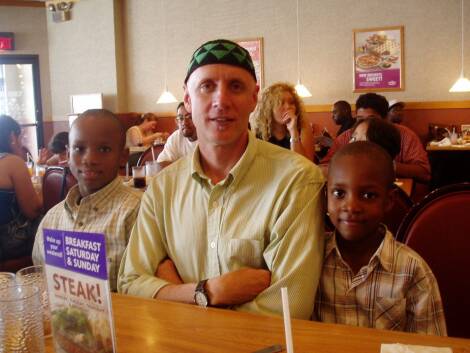
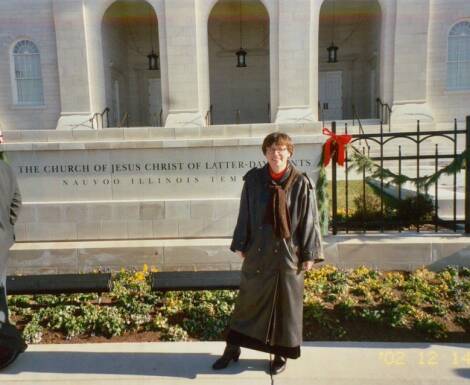
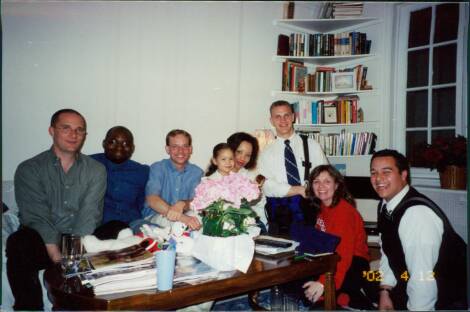

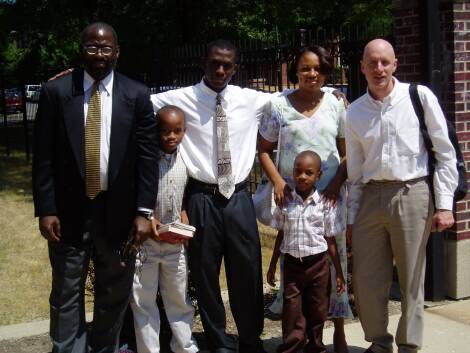
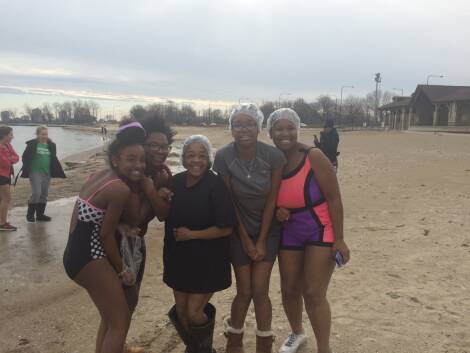
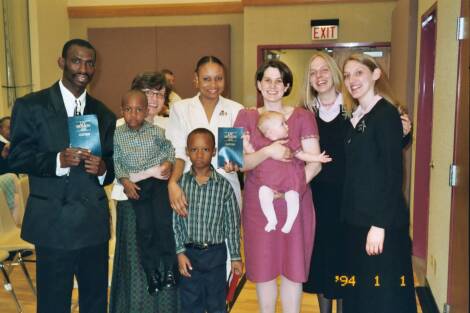
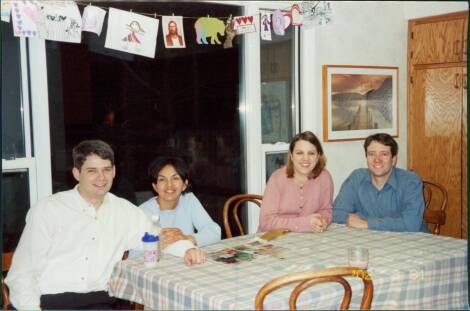

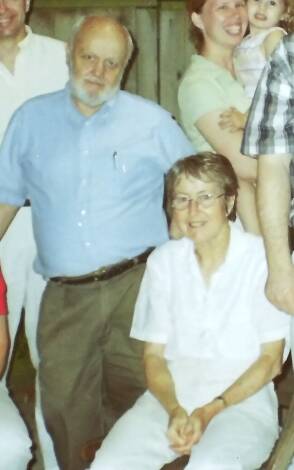
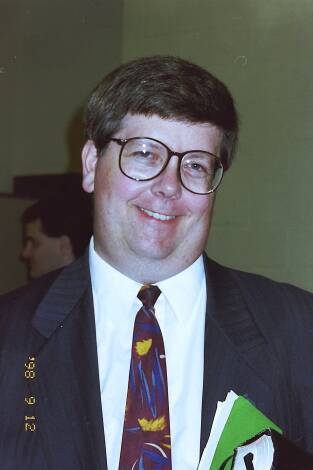
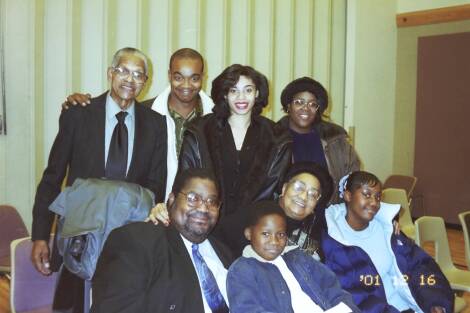
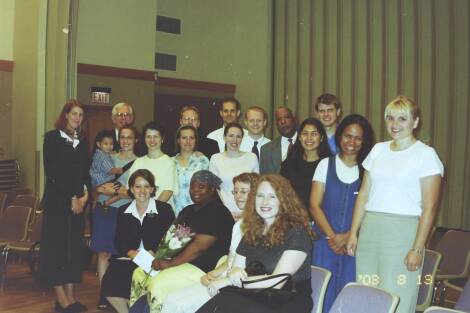
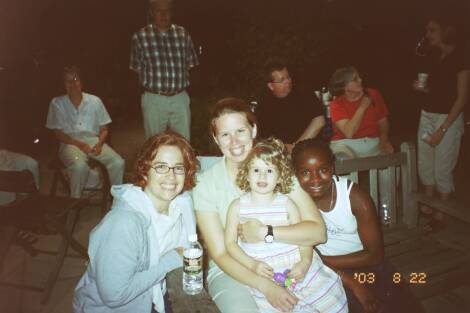
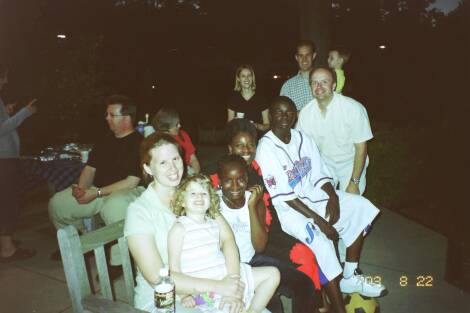
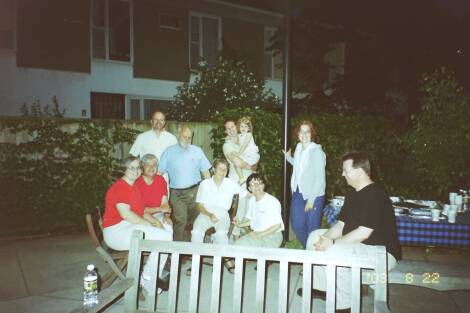
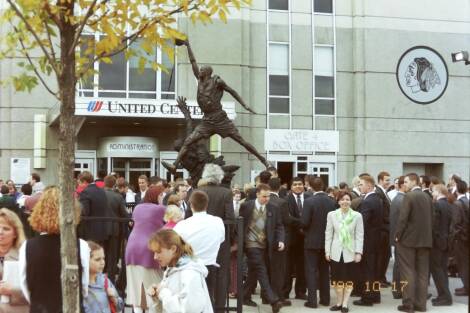
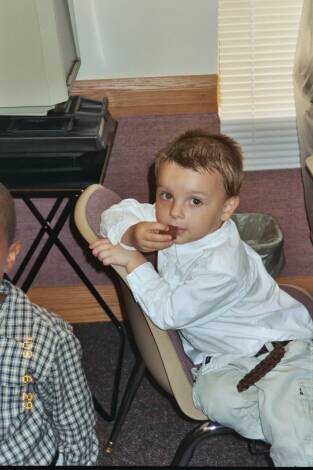
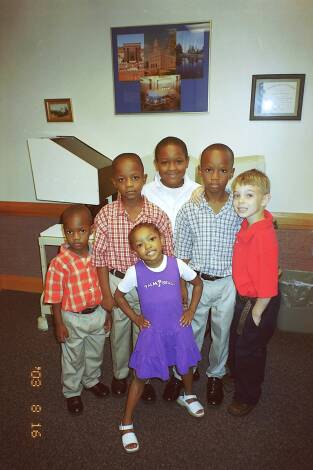
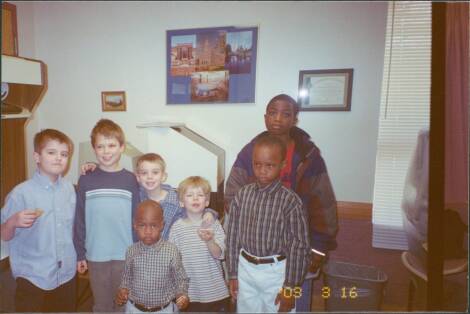
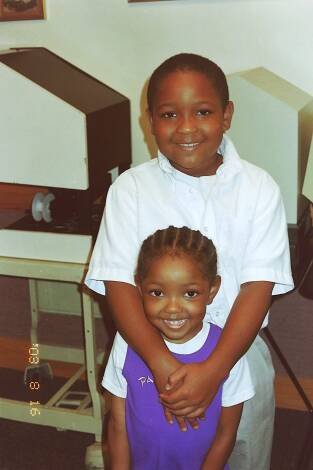
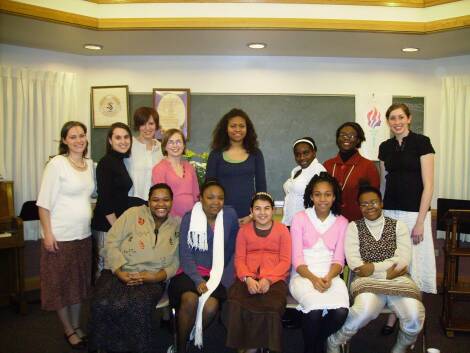
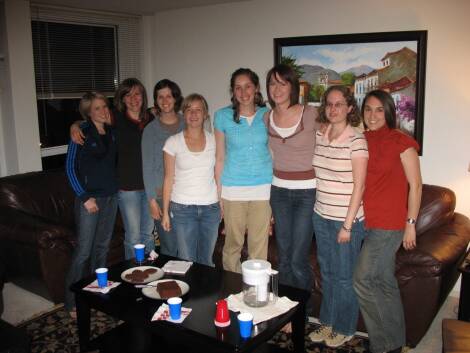
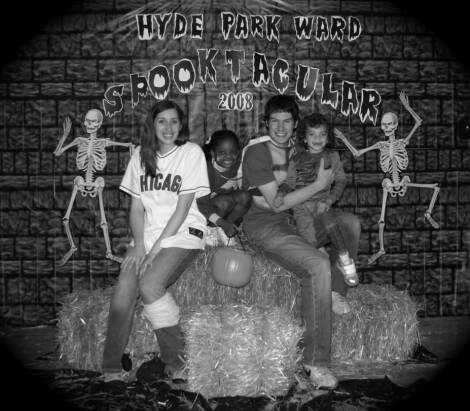
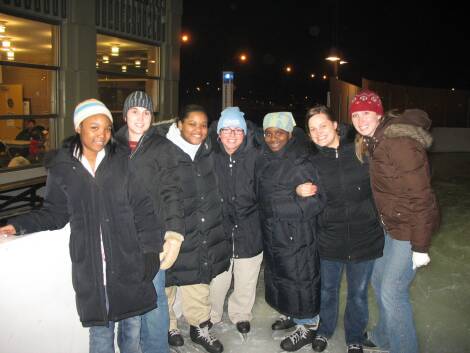

Share a Memory
Wishing the best to the Hyde Park Ward family everywhere!
Love,
Jason & Camille Grover
Some memories we found to share include:
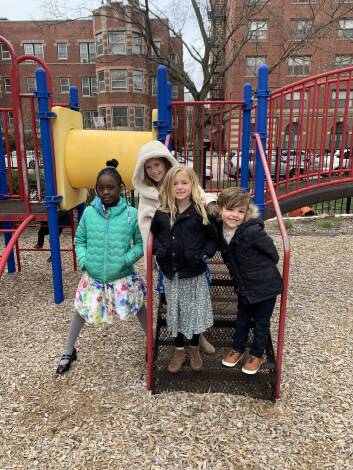
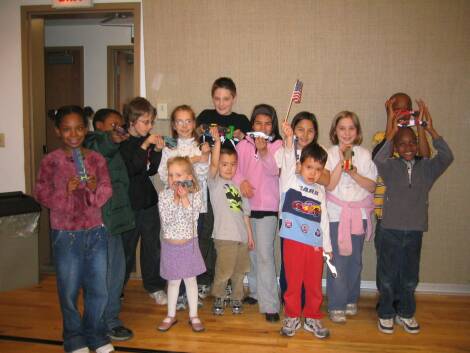
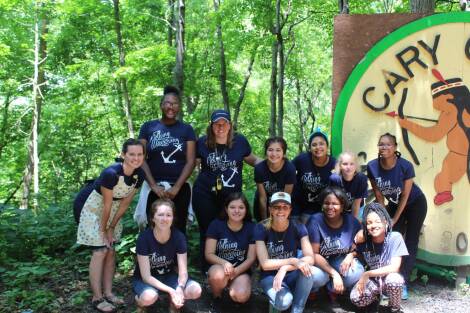
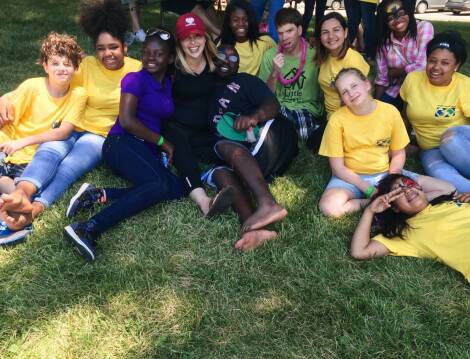
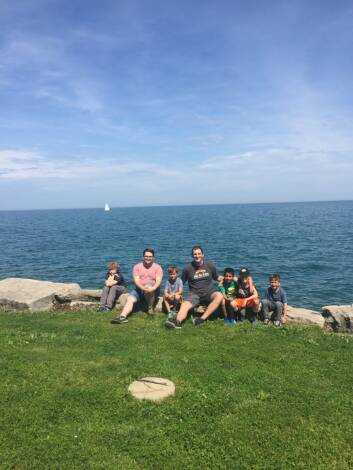
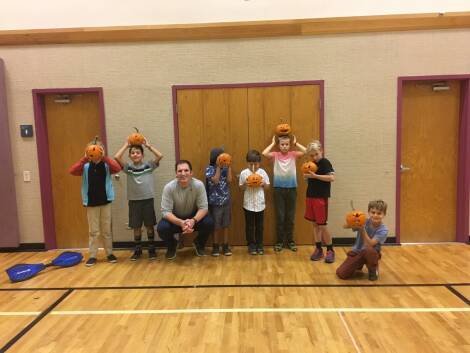
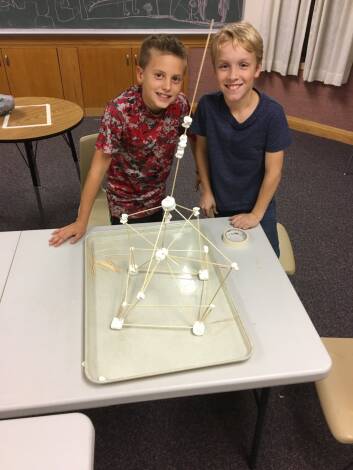
- Fun times in Valiant Activity Days in 2017
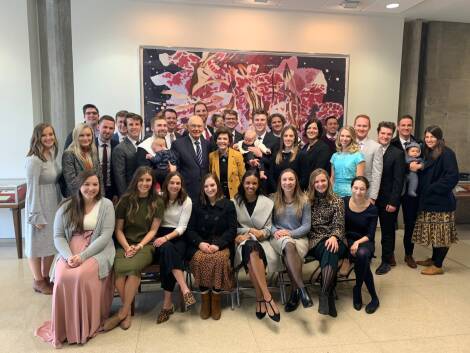
- President and Sister Oaks Visit to the University of Chicago Law School and meeting with Hyde Park Ward members of the Dallin H. Oaks Law Society in November 2019
My very first week at church, I expected the familiar search for a place among people settled into their usual pews. Sven Wilson, a work colleague, was on the stand. As soon as I walked by, his wife Nancy waved me over to sit with her. She welcomed me warmly and asked if I would hold her baby while she attended to another child. I was used to being overlooked, with the assumption that because I didn’t have children, I wouldn’t know how—or want—to care for them, so that request meant more to me than she could have known. After I rocked the baby to sleep, Nancy mentioned that with Sven on the stand she could really use help at church and asked if I would sit with their family from now on. Nancy was extremely capable so I suspect the request was just a way to let me know I had a place, but it felt good to be included.
After the meeting, Jean Bell and Charlotte Johnston came over. Jean said to Charlotte, “This is Julene Bassett, of the Wimmer-Bassett friendship. So she’s family.” Larry Wimmer, a former U of C student, and my father had been best friends since their mission, and Larry had told them I was coming. They loved Larry, and by extension, me, immediately.
Later, when I served as first counselor in a Relief Society presidency with Jean and Mary Fullmer, Jean was away when we unexpectedly had to plan a funeral. I assumed Mary would take charge. Instead, she said, “While Jean is away, you’re in charge. How do you want to handle this? I’m here to support you.” That moment became a powerful growth experience. I learned about jurisdiction and responsibility, and I will always be grateful that Mary didn’t simply take over, even though she knew exactly what to do.
Before long, the Fullmers became my adopted family. I spent many evenings in their home with Sean, Mary, Emily, and Sarah—eating, laughing, learning, and feeling deeply loved. Sean once shared that they had originally planned to stay in Chicago only long enough for school and then move on, but in those early years they realized they could be helpful to the ward and chose to make Chicago an extended stay. I know I wasn’t the only “stray” they welcomed. But their kindness to me is a big reason Chicago and the Hyde Park Ward will always hold such a tender place in my heart.
These disciple women were true pioneers—every bit as influential in the growth of the Hyde Park Ward as their husbands. Their love and wisdom shaped the ward as they reached out to countless students and others fortunate enough to pass through Hyde Park. I love these women and their families, dearly; they taught me what it truly means to be a ward family.
Lived in Hyde Park from Nov 1996 to Aug 2005
Now live in Springville, Utah
Françoise Kusseling
801 319 7478
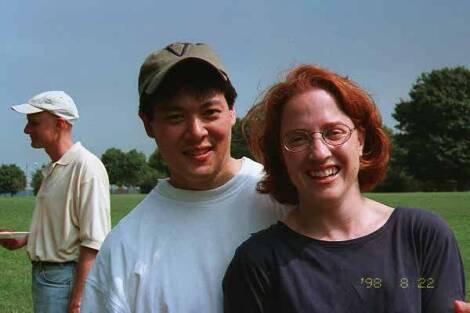
Contributed close to 100 pictures posted in the Photo Gallery which are each worth at least 1000 words. Loved to sing with my brothers and sisters of the Hyde Park 1st Ward, to lead the Hyde Park Family History Center where I made many friends, young and old, to work in the Glenview Temple with my friend, Mary Fullmer, on our evening shift, and to go on our morning walks along Lake Michigan.
Photo taken while I lived in Hyde Park on Blackstone Avenue.
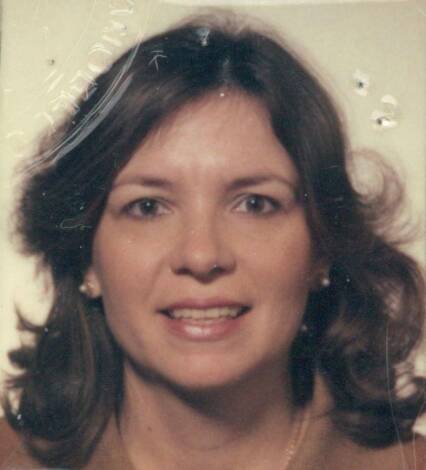
More than anyone else I’ve ever known, Natalia Thompson took to heart Christ’s direction in Matthew 6:6, “when thou prayest, enter into thy closet, and when thou hast shut thy door, pray to thy Father which is in secret; and thy Father which seeth in secret shall reward thee openly.” In her Chatham neighborhood bungalow, Sister Thompson had outfitted an actual closet for prayer: carefully painted, with inspiring artwork on the walls, scriptures right at hand, and a place to kneel. I loved that sign of devotion and commitment.
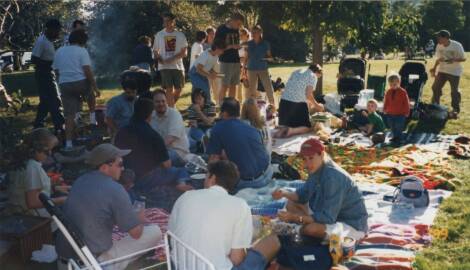
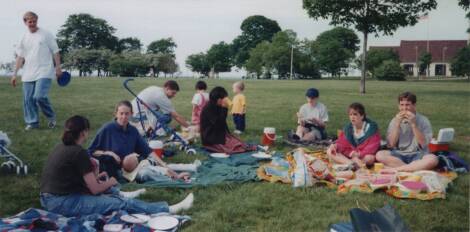
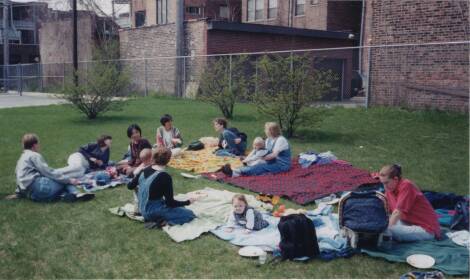
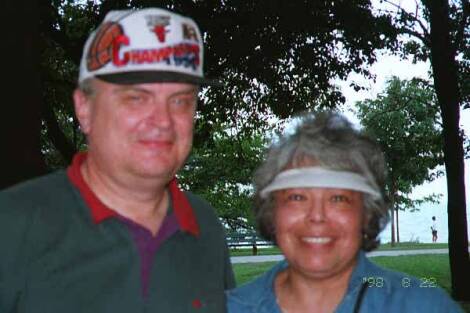
Promontory Point Park at 55th Street and Lake Michigan has been a regular Ward picnic site for years. Duane and Christine Craig Seppi, living in Chicago during graduate school, were part of a large group of Ward members enjoying beautiful lakefront weather during one of those picnics. A toddler from a group near ours was wandering along the paved roadway when a bicyclist, disregarding the rule about not riding within the park, came cruising around the bend and knocked the kid to the ground. Naturally, lots of picnickers rushed to the aid of the toddler and the parents, but Christine and Duane dashed to the side of the fallen cyclist, calling out, “he’s hurt, too!” No blame, no talk of fault, just an instant response to someone who could use some help. Fortunately, the child and the rider both seemed to be fine within minutes. I was left with a powerful example of peacemaking and cultivating goodwill where it might not naturally arise.
JoAnne Hawkins came up with a clever and non-controversial way to resolve a difficulty with some people in her South Shore neighborhood. She was troubled by conversations that would take place outside her open window – often loud, occasionally offensive. So she put a loudspeaker in the window, facing out, and started playing Tabernacle Choir music. Problem solved.
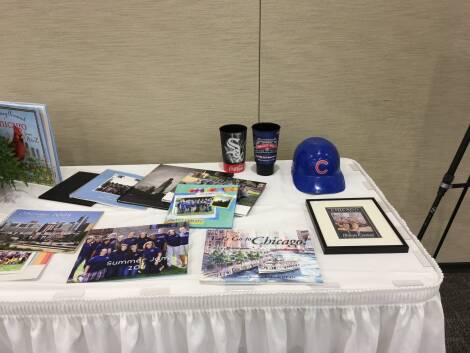
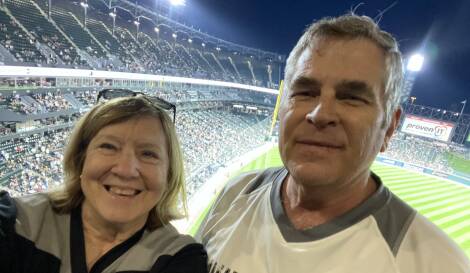
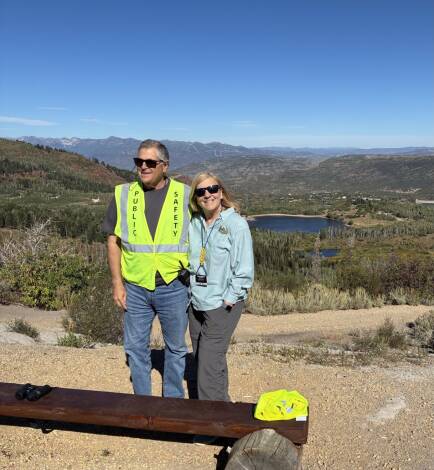
I stayed at the U of Chicago for medical school and graduate school and moved to St. Louis in 1988. I roomed with Steven Reynolds, Brent Moulton, Sam Fernandez, and others at various times at the upstairs apartment in the Johnston's home from 1978 until I married Abby Li in 1981.
The Hyde Park Branch experience was very special to me. There were so many faithful saints from all walks of life who served others selflessly and creatively. I was grateful that the Hyde Park congregation made it easy for Abby to embrace the gospel and join the church prior to our marriage. The things I learned from my time in Hyde Park prepared me for parenthood and church service for the last 37 years (in St. Louis, San Francisco, and now in Columbus, Ohio).
Joe and I never officially dated but we got to know each other during "Welfare Meetings" and eventually married in Novemer of 1976, Joe became the Branch President after Lewis Church left the area and served until we moved to Washington DC in 1984. Our first two children were born in Chicago. We moved when Julie was two weeks old and Jessica was four. One of the highlights of Jessica's time in the nursery was learning about germs from Abby Li (a PhD student) who brought petri dishes to show the kids what happens to the bacteria when you don't wash your hands and Shereen Sturgil who taught them cool gymnatics moves.
Joe was serving as the Seventies Group leader when the June 1978 revelation concerning the extention of priesthood blessings to all worthy members was given. We were so excited! The first to join our congregation were Cathy Stokes (who was instrumental in helping the church to gain permission to proselitize in some African Nations), Lorriane DeVeaux and her son Tony and Betty Johnson (who eventually joined the Tabernacle Choir). Betty was a paid organist with a local church gospel choir. We attended a Stake Christmas Concert where the Kankakee Choir sang "Go Tell it on the Mountain." Betty leaned over to us and said "that is the first time I have ever heard that song sung as it is written,"
There were many cultural adjustments as our congretation diversified. In the early days when the Primary President would ask the children to fold their arms as they tried to teach reverance, one of the young boys said "I ain't foldin my arms! that's a gang sign!" Neil Kramer eventually developed an orientation program for members old and new so that we could sit down and learn from each other. The congregation grew so quickly that when Tom Rugh was branch president, they built a baptisimal font in the basement so that we didn't have to drive to Chicago Heights.
My time in Hyde Park was a lifechanging experience that has continued to inform my activity and feelings about the gospel and my place in it.
Our big worry that first week was music. The Institute had blown its budget on the building and there was no piano or organ to be had. Roger Miller told us he had a lovely piano stored in Cleveland from his days at the Cleveland Conservatory. We could use it if we could figure out how to get it from Cleveland to Chicago. So we got a U Haul and worked out a scheme to pay for the move. Roger talked one of his colleagues from the music department into playing a recital at Ida Noyes on the Saturday evening before our first meetings. We sold tickets all week and the piano arrived in time to be unloaded into Ida Noyes and tuned on Saturday afternoon. We had a lovely event, announced our new presence to the University Community and then loaded the piano back on the truck. We were too tired to move it into the new Institute space on Saturday night so we decided to sing a capella for the Sunday morning meetings. When Susie Goodfellow stood to lead the opening hymn there was some level of concern about how things would go but the singing was absolutely glorious and we all felt as if we were at a successful beginning of a grand adventure. I at least never lost that sense of adventure in the years we lived and worshipped in Hyde Park.
Diane assigned me to organize a Relief Society fireside on mental health. My father-in-law, Peter Johnston, was the keynote speaker. About fifteen years later, in 1995, I was hospitalized with a manic episode and am currently working on a memoir of my experience with bipolar disorder.
Jim and I served in the dependent Spanish-language Sunday School south of Hyde Park. I served as a visiting teacher with Mary Fullmer in that neighborhood. Joe Andrus was our branch president and Joe and Holly currently serve in the Boston Temple with me.
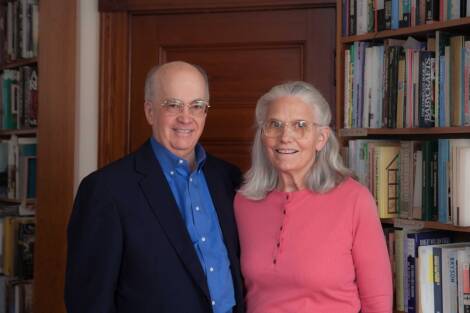
I went fron Sunbeam teacher all the way up to Stake Primary President.. I moved to the north side for a bit but would take Pace & pop back ti Hyde Park. My bishop would text me & ask if I was there. I told him I had dual citizenship. I have more stories but the most important is I started out in Hyde Park 22yrs. ago & Gid brought me back here. This is my h I me & hope to stay here even tho it's Hyde Park 2.
Event Info & Link
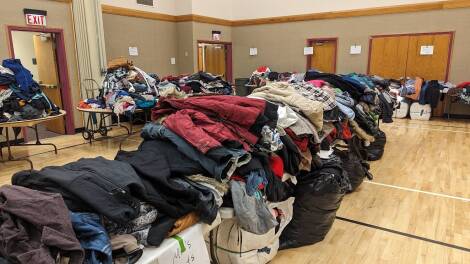
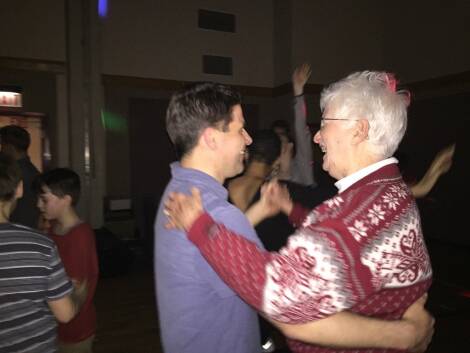
The first event was a dessert/dance held at the Hyde Park meetinghouse on January 10th. Canned goods were collected that benefited the Hyde Park-Kenwood Food Pantry. Particular needs included canned tuna, jar spaghetti sauce, and canned soups with pop tops.
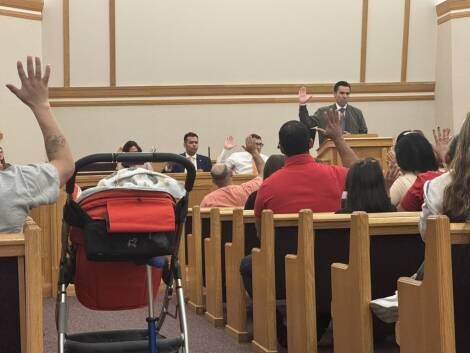
The second event was Ward Conference on Sunday, January 11th. This special sacrament meeting could be attended in person or via Zoom (see link below).


 Français
 Deutsch
 Nederlands
 Español
 Português
 Magyar
 Русский
 繁體中文
繁體中文