
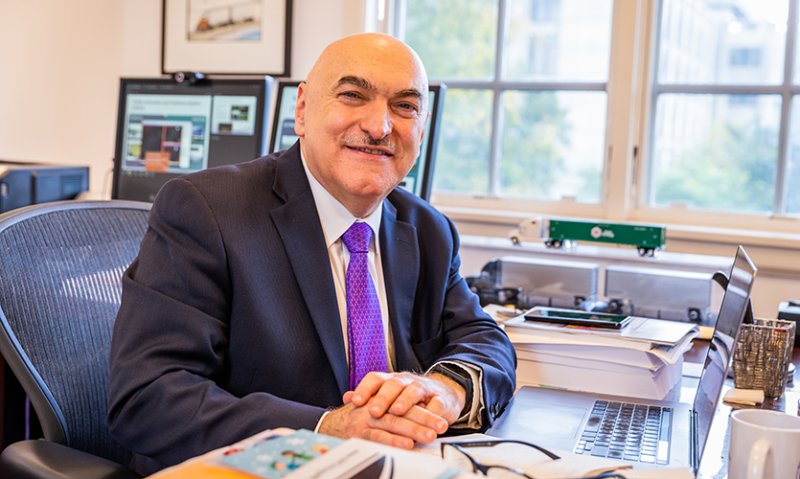
In loving memory of a life well-lived and deeply cherished.
Obituary
Hani Mahmassani, William A. Patterson Distinguished Chair in Transportation, director of the Northwestern University Transportation Center (NUTC), and professor of civil and environmental engineering, passed away July 15, 2025, at age 69. Mahmassani will be remembered for his expertise in transportation science and logistics, his passion for mentorship and collaboration, and his ability to communicate charismatically and clearly to the public.
After holding professorships at the University of Texas at Austin and the University of Maryland, Mahmassani joined the Northwestern Engineering faculty in 2007. His areas of specialization included multimodal transportation systems, dynamic network modeling and optimization, transit network planning and design, dynamics of user behavior and telematics, telecommunication-transportation interactions, large-scale human infrastructure systems, and real-time operation of logistics and distribution systems.
Mahmassani earned a bachelor’s of science in civil engineering in 1976 from the University of Houston, a master’s of science in civil engineering in 1978 from Purdue University, and a PhD in transportation systems in 1982 from the Massachusetts Institute of Technology.
In 2021, Mahmassani was elected to the National Academy of Engineering, with a citation for “contributions to modeling of intelligent transportation networks and to interdisciplinary collaboration in transportation engineering.” In 2023, he received the Robert Herman Lifetime Achievement Award in Transportation Science from the Institute for Operations Research and the Management Sciences (INFORMS), and was part of the 2024 class of INFORMS Fellows. He was recognized with numerous other awards for his work, and was a prolific and frequently cited author.
“Hani was a visionary scholar whose impact extended far beyond the classroom,” said Christopher Schuh, Dean of Northwestern Engineering. “His leadership elevated transportation research on a global scale, and he had a talent for connecting cutting edge research with the industries that needed it most. His legacy will be felt for generations across the field and here at Northwestern.”
As director of the NUTC, Mahmassani led an interdisciplinary education and research institution serving industry, government, and the public. The center has more than 50 faculty affiliates from across the University and maintains connections with government agencies and the private sector, all to improve transportation logistics for the 21st century.
Meanwhile, Mahmassani often consulted for both public and private entities, sharing his knowledge with companies and government bodies in the United States and abroad.
“Hani was a rock star in the transportation field. He was beloved by his students and a wonderful mentor to so many people,” said Kimberly Gray, Roxelyn and Richard Pepper Family Chair in Civil and Environmental Engineering. “His work had a global reach, and he was always many steps ahead making innovative strides on a wide array of projects, in Chicago, at presidential inaugurations, at international races in Monaco. I loved learning about his surprising projects, findings, and connections.”
During the COVID-19 pandemic, Mahmassani made important contributions by working with industry on new ideas to efficiently move products through a squeezed supply chain.
With Mahmassani’s guidance, the NUTC’s Business Advisory Council held nine weekly roundtables in the spring of 2020 with members, exploring the state of the supply chain and affected products. The exchange of ideas and research helped formulate strategies to get needed products into the hands of consumers, through leveraging real-time data to identify and anticipate problem areas, intensifying communication with all actors along the supply chain, and engaging in collaborative arrangements even among competitors.
“I first met Hani when I was applying to graduate school. Over the subsequent 25 plus years, he became a close colleague and friend,” said Karen Smilowitz, James N. and Margie M. Krebs Professor of Industrial Engineering and Management Sciences. “Hani was an influential scholar who profoundly advanced the field of transportation science and logistics. With his broad research interests, he built bridges across research communities. Just as he served as a mentor to me, he supported the careers of countless scholars and will be sorely missed.”
Fluent in Arabic, French, and English, Mahmassani communicated complex ideas to a wide audience. Amid transportation-, supply-chain, or logistics-related news stories, Mahmassani was a sought-out voice.
His communication skills were sharpened in the classroom, where he taught students to be adaptable and resilient, and to confidently solve problems by being aware of their surroundings and addressing timely issues using the core knowledge and toolset that a Northwestern education provides.
Mahmassani worked so his expertise could positively affect as many people as possible.
“Transportation is so closely tied to society, to our everyday life in many ways,” Mahmassani said in 2021. “While it is an engineering discipline, on a day-to-day basis we’re intertwined with everything that we humans do.”
Services are pending.
[www.mccormick.northwestern.edu/news/articles/2025/07/professor-hani-mahmassani-passes-away]
Timeline
Gallery
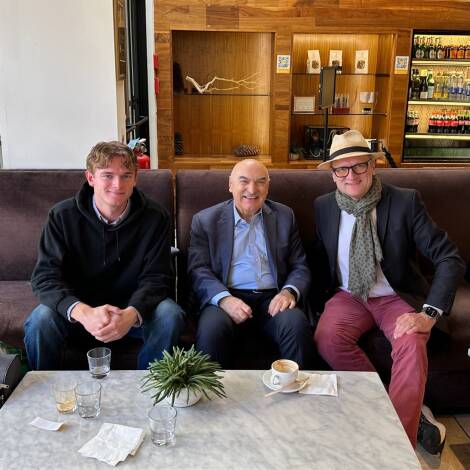
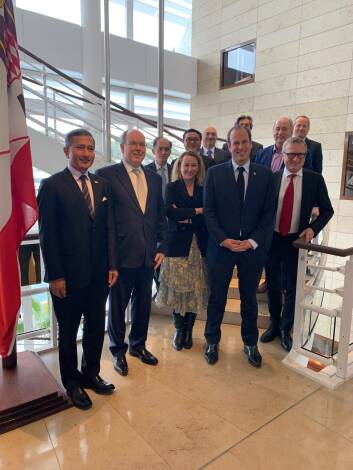
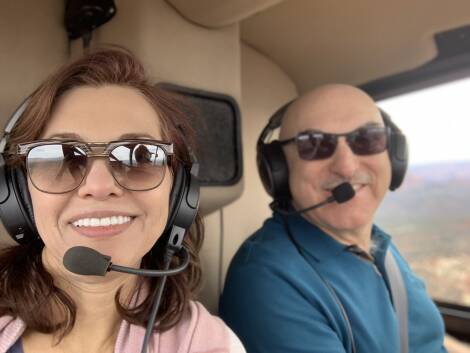
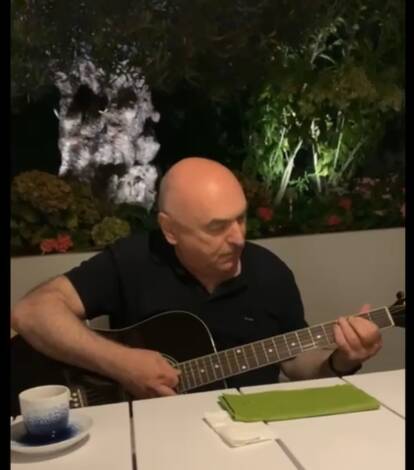
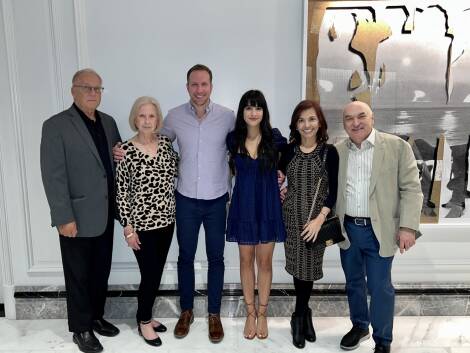
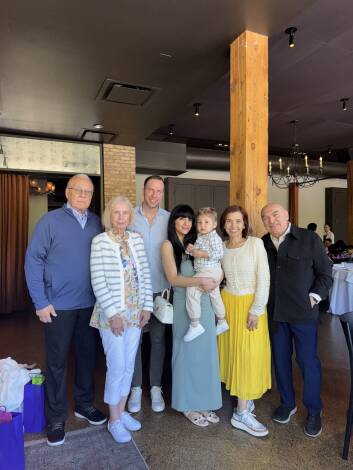
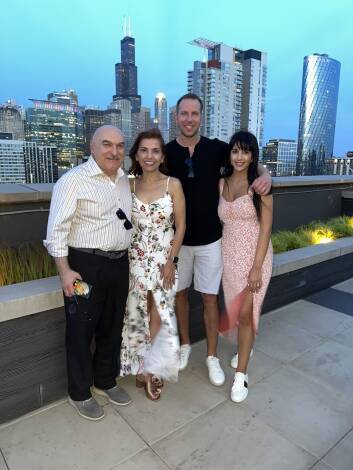
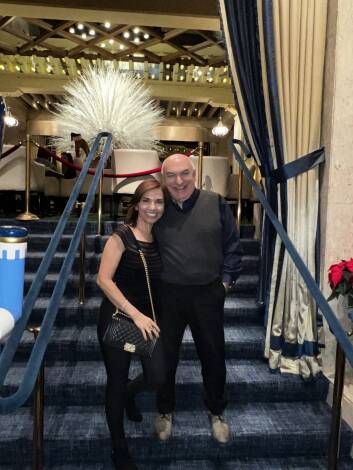
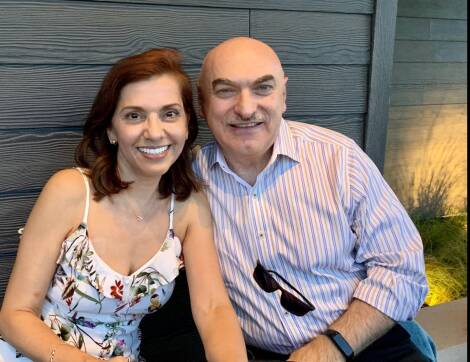
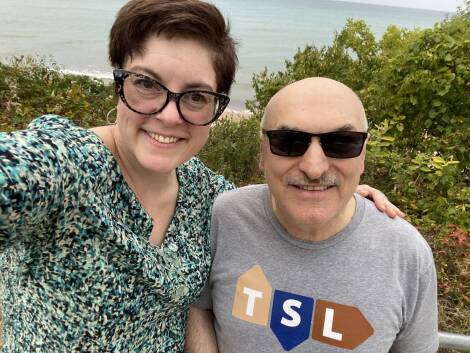
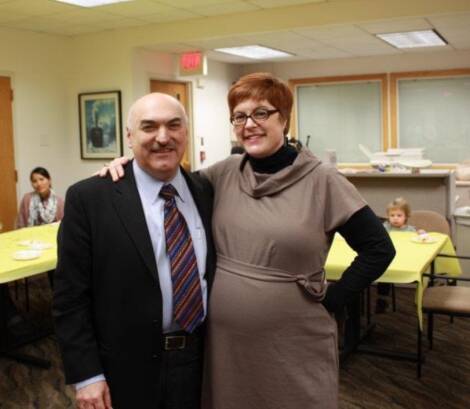
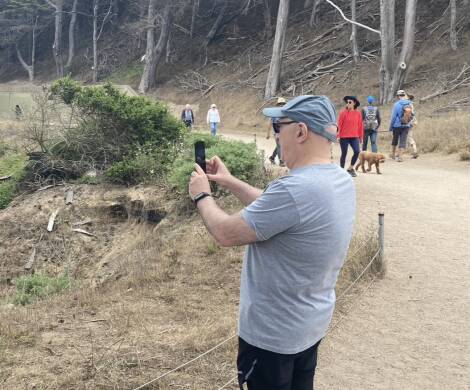
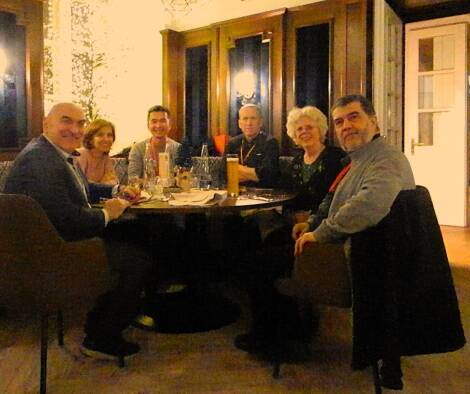
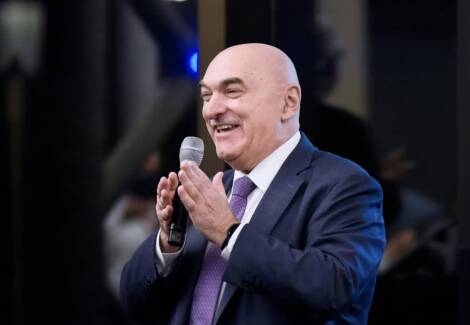
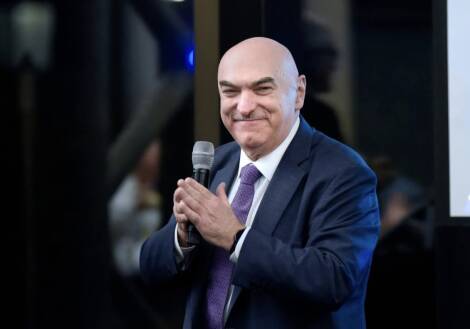
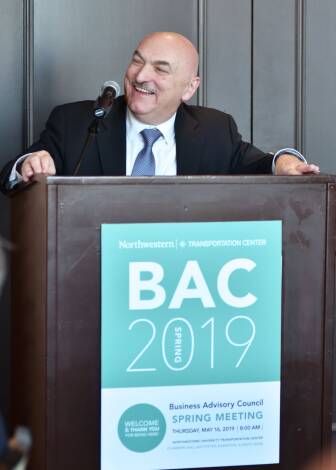
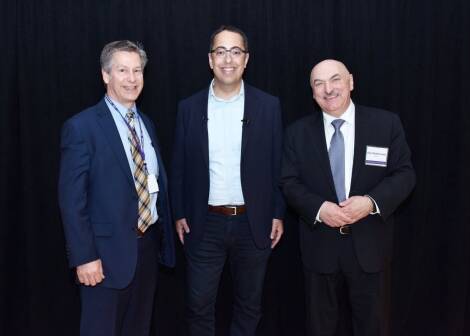
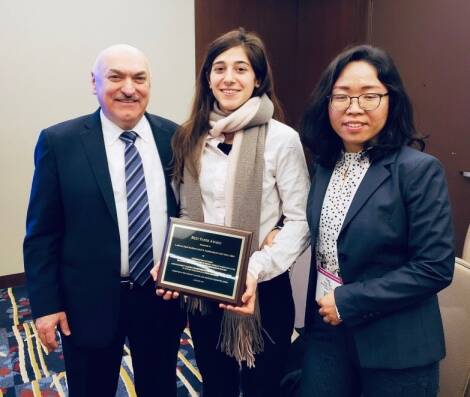
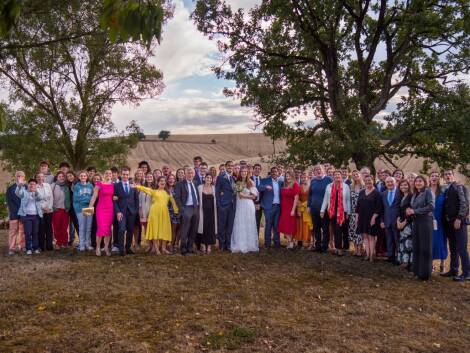
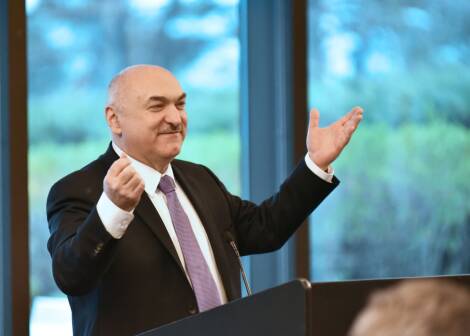
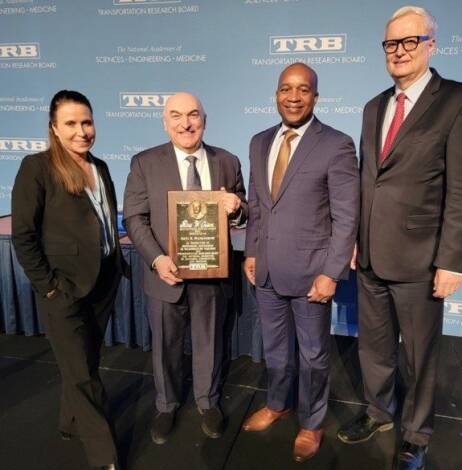
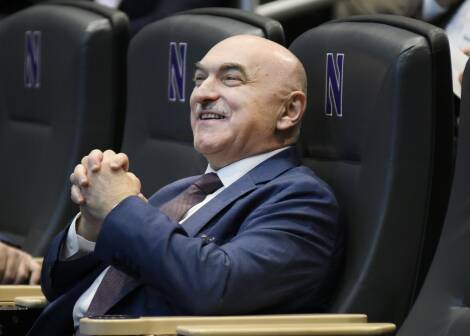
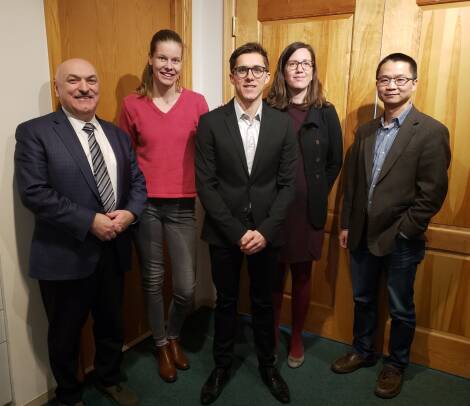
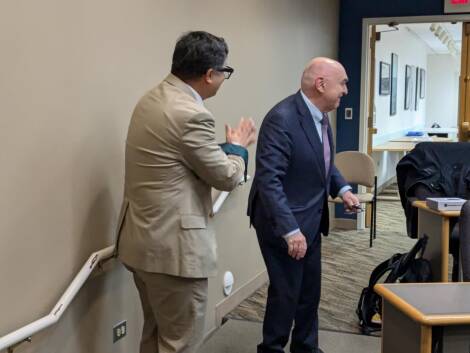
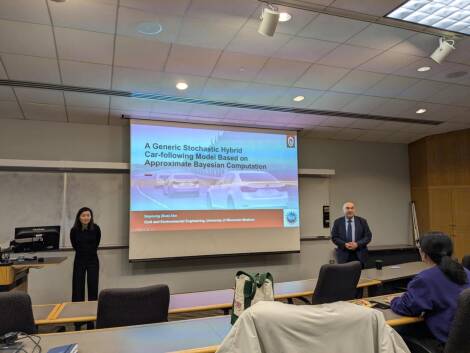
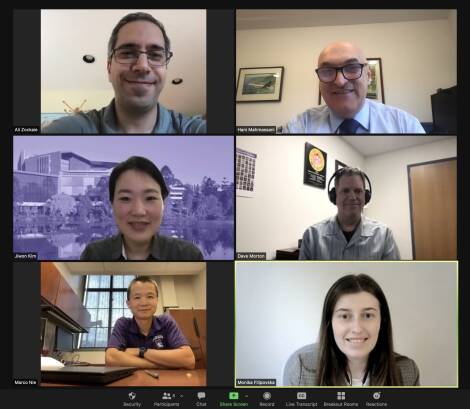
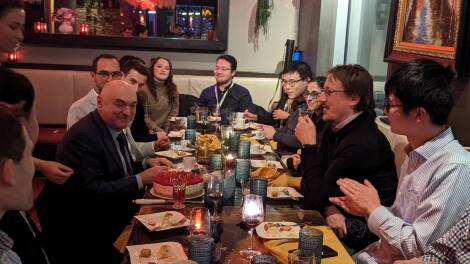
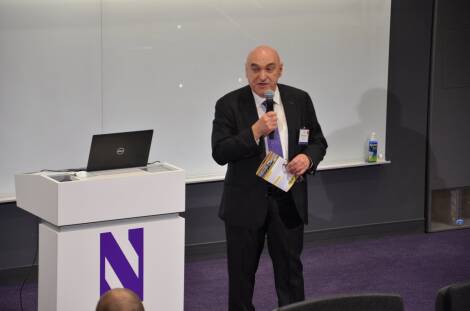
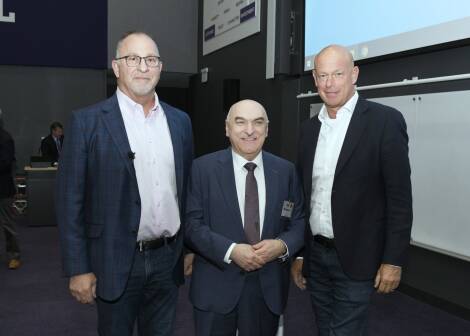
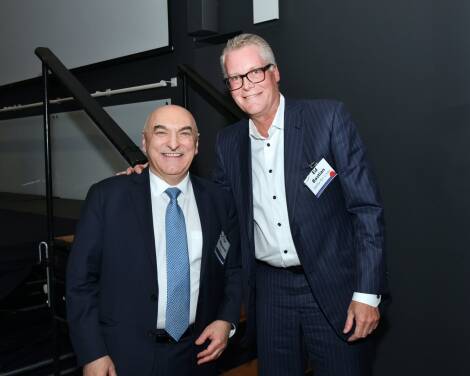
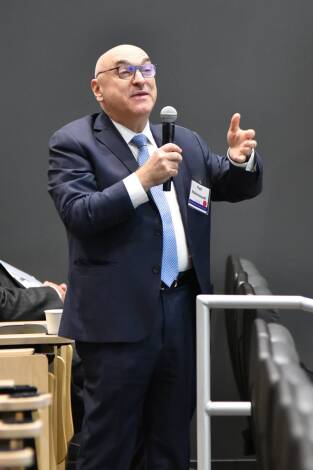
Memory wall
Hani was endlessly passionate about teaching. He taught four courses, each meeting three times a week for two hours. Hardly can you imagine the breadth and depth of a course. Once I used an AI note-taker during his lecture — it generated nearly 10,000 words in just two hours — yet every idea was delivered with remarkable precision and coherence.
Even for the term paper in his course, Hani would reply to my emails — sometimes at 2 a.m. — always patient, caring, and willing to make time despite his busy schedule. He listened to my ideas with genuine interest, discussed them thoughtfully, and offered feedback that was sharp, insightful, and immensely helpful. Talking with him, you could easily forget he was such a distinguished scholar — because he spoke as a colleague, a mentor, and a friend. He was genuinely curious about your ideas, rigorous in science, and generous with his support.
In his belongings, I found a notebook, I believe it was written in 2023, where Hani had carefully written down the names of new students, trying to remember each one. I was deeply touched by how caring he was, and by the dedication he showed in welcoming and involving young people in the world of transportation.
I am deeply grateful to have attended Hani’s memorial and to have heard so many touching stories — to know him better as a genuine human being, a friend, beyond his prestige as a professor. From Hani, I’ve learned a lasting lesson: to work hard and strive for meaningful contributions, yet remain full of energy, love, and care for others; to be generous in offering help, and to bring people together to make a positive difference in the world.
Dear beloved professor Mahmassani, may you rest in peace.
I am sorry I never had a true opportunity to get to meet him.
I can still picture Hani’s enthusiasm when delivering the Dean Lecture at TRB, doing what he always did, looking over the horizon. He mentioned something to the effect that soon journey analysis would be as important to transportation as O&D analysis always had been, knowing this would spawn generations of students and professionals with a glimpse of what he saw, the immense yet unexplored territory in the world and business of transportation.
I ran away to Austin to abandon cold Midwestern winters in 2000. The first steady job offer that looked interesting to me had me working as a catch-all receptionist for a brilliant young transportation engineering professor at UT. I immediately fell in love with academia, transportation research, and working with students and researchers from around the globe…Hani was impressed with my ability to connect with everyone I met and thrilled to have unintentionally hired someone who could copyedit the lagging 1998 Tristan Conference Proceedings.
A couple years later he convinced me leaving Austin for DC would be an amazing adventure. He was absolutely correct and it cemented an interesting balance of professional partnership with an unexpected friendship. I moved to the Bay Area a few years later, supporting transportation and engineering research at Berkeley. Over a dinner at Yoshi’s, Hani later convinced me to return to Midwestern winters as he transitioned to Northwestern University and the Transportation Center.
Hani and I had very different personalities and starting points in life. This made for an odd match that worked incredibly well, and, thankfully, provided us both a dear friendship.
Along this path, we discovered we could balance out heavy workloads with our shared wide ranging love of music, delicious explorations of food, and walks filled with discussing politics and taking photos of scenery.
I’m reminded of how I bristled once in DC when Milli classified me as Hani’s “work wife”…she reminded me of this years later when she was ill, then told me she’d been lucky enough to be married to her best friend and suggested perhaps that luck extended to me as well. As usual, Milli was right.
His mentorship packed decades of growth into the 3 years I have been his student because his mind and heart were as deep and broad as they were generous. My family came to appreciate this too because they got to know him vicariously through me, and looked forward to meeting him at graduation. How true it is that man plans and God laughs! While he may have gone to the next world, his flame will never burn out. May he rest in peace!
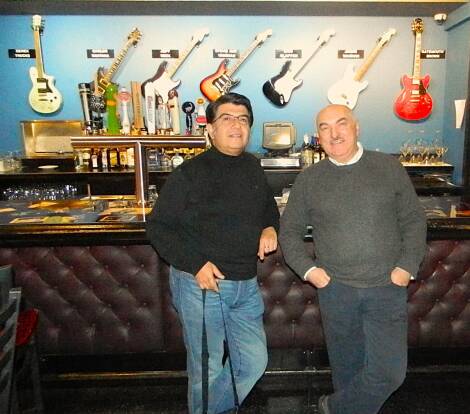
Music played an important role in my friendship with Hani. Soon after our re-encounter early nineties - some ten years after finishing our doctorate studies at MIT - he invited me to give a short course on optimal public transport pricing, letting me know that Austin music scene was the best in Southern USA. Hani put me in a charming historic Bed and Breakfast that was walking distance from Antone’s, the legendary blues place in those days located on Guadalupe St. The very first night he took me there to see and hear Storyville, a superb local band that made it nationally. On another occasion we met there for Monday's blues jam; we must have been no more than a dozen patrons when this old man came to the stage, grabbed a guitar to back the band first and to sing later: it was no other than Willy Nelson!
Besides getting to know all the local musicians, visiting different music joints with Hani made me know Austin from a special geographical perspective: the “other side” of the river was The Continental Club, Sixth St. was Joe’s Generic Bar (gone now), and Lamar Blvd. was Waterloo Records and the nearby Waterloo Icehouse. Talking about records, when the attendants of a Travel Behavior Conference chaired by Hani decided to celebrate him, they asked me what a good present would be; my suggestion was to give him one CD of music from each nationality at the conference. We did well; he was thrilled.
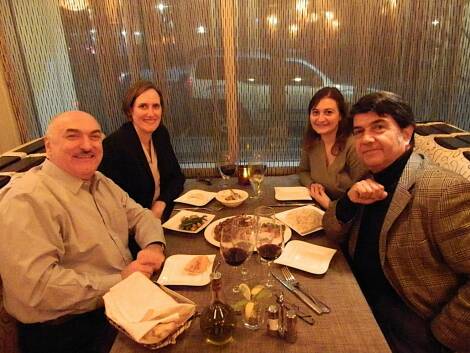
Besides music, there was also coffee and nice dinners including of course Lebanese food; he knew the best places where the baba ghanoush, the vine leaves and the wines are impossible to beat. So going to places was always a treat with Hani. And it made him happy to see you enjoy the moments he had planned. Although it may sound otherwise, the hedonistic side was not the main dimension in these gatherings; it was conversation, a favorite sport for both of us. His company was refreshing because of many things, among them the fact that he would provide feedback that showed the interlocutor that this calm, smiling, attentive, charming gentleman was indeed listening to you with care. This was indeed the case in our last talks at Elmwood St. and Northwestern during the last week of June this year. No Chicago blues this time.
Home and families also provided beautiful moments, as happened when Amine and Ziad drove from Evanston to California and I witnessed Milli and Hani following them on the phone, providing advice when necessary and being permanently updated by their sons while going west getting their kicks on Route 66. Or when Hani and Milli witnessed the casual visit of our two sons to grab a guitar or just to say hello while we were having lunch at our home; Milli was amazed to learn that this happened frequently as we live in the same neighborhood in Santiago. Later, my whole family experienced Hani’s generous hospitality when our sons and wives attended Northwestern as students or visiting scholars.
So, music, coffee, meals, and home provided the ambience for something profound and lasting. Hani was a true friend that would always let you know what he really thought, a virtue I value above everything else, intellectual honesty irrespective of potential discrepancies. His transparency coupled with experience made him an invaluable partner-advisor when dealing with academic subjects.
Somebody that works at the Transportation Center told me about his feelings when coming to work nowadays, always expecting Hani to show up. Not only does permanent interaction create conditional reflexes; long-distance interaction does as well, like when I receive the music calendar from Evanston Space and my fingers begin typing a message to Hani to comment on the forthcoming events. I think that these conditional reflexes will never go away.
Sergio Jara-Diaz, October 2025.
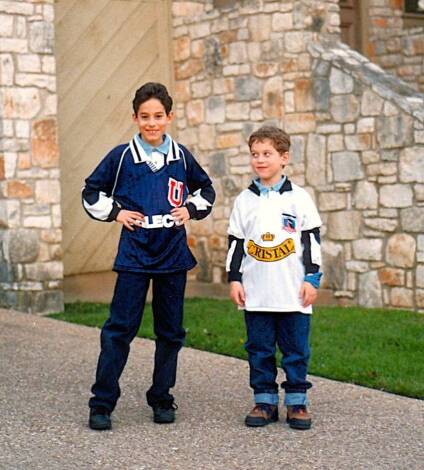
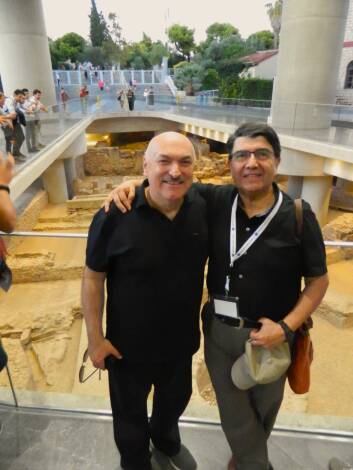
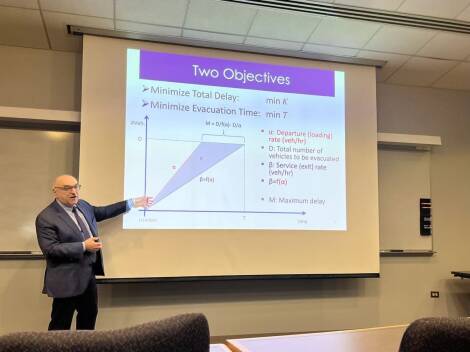
A true polymath, he wore many hats and approached every role, event, and meeting with contagious enthusiasm and the confidence to conquer any quest at hand. I had the good fortune of working with him on more than six projects. Still, my favorite memories are of him in the classroom, where he was truly in his element. At Northwestern University, across all four of his classes, he delivered three lectures a week, each lasting two full hours, and remarkably, he ended every session with the same vigor and passion with which he began.
It was extraordinary to witness a professor with over four decades of teaching experience continue to captivate students so effortlessly. His explanations were clear and engaging, never falling into the trap of the expert blind spot. His content was always fresh, relevant, and thoughtfully updated. He embodied the very best of what an educator can be.
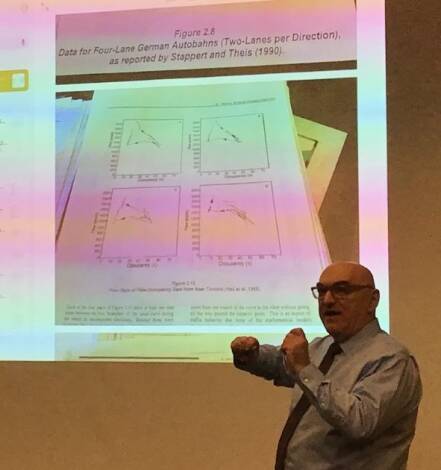
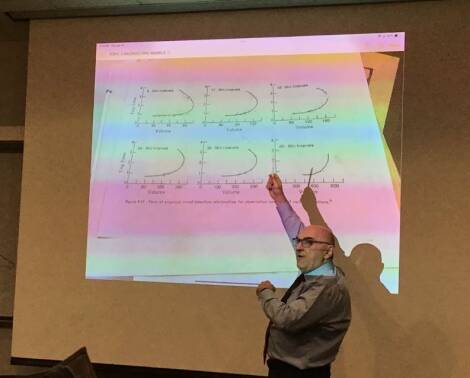
In a work family, titles fade and relationships deepen. You come to rely on each other not just for tasks, but for support, perspective, and encouragement. You celebrate the wins together, weather the setbacks, and build a foundation of mutual respect. Hani understood that success wasn’t measured solely by outcomes (papers, faculty jobs, awards) but by the strength of the relationships and joint efforts that made those outcomes possible.
He believed in living well, in lifting others up, and in helping each person reach their potential. His legacy is not only in what was accomplished, but in how it was done: with care, with connection, and with a deep commitment to the people around him.


 Français
 Deutsch
 Nederlands
 Español
 Português
 Magyar
 Русский
 繁體中文
繁體中文