
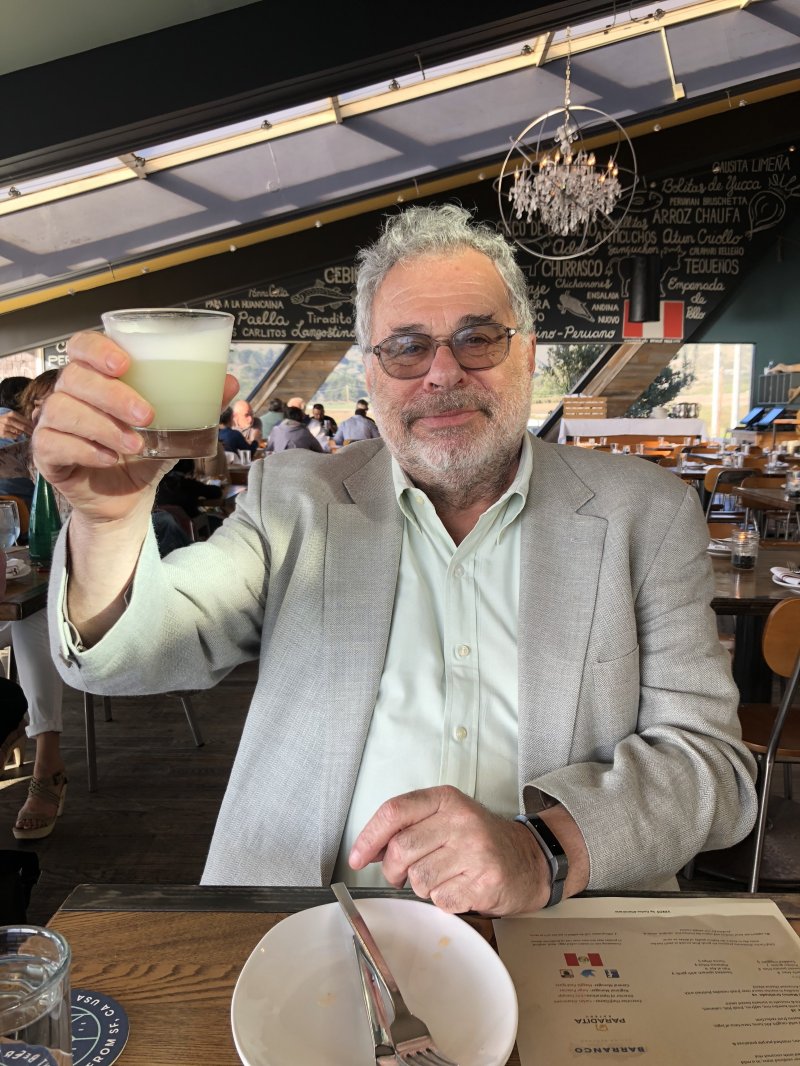
David Botstein
Those who touch our lives, stay in our hearts forever.
Obituary
David was a beloved husband, father, brother, scientist, teacher, mentor, musician, friend, who touched the lives of thousands. David’s wide-ranging scientific career spanned decades with a legacy of discoveries and contributions. So many students, post-docs, and colleagues have shared that he did, indeed, change their lives and open worlds of possibilities for them. The world is diminished by his loss. Everyone, hold close to your heart your favorite "David" story. May his memory be a blessing!
David is survived by his wife, Renee, daughter, Ruth, son, Samuel, grandchildren Norah and Avi, brother Leon, and sister, Eva.
Gallery
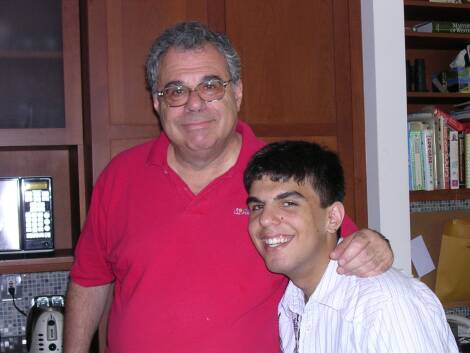
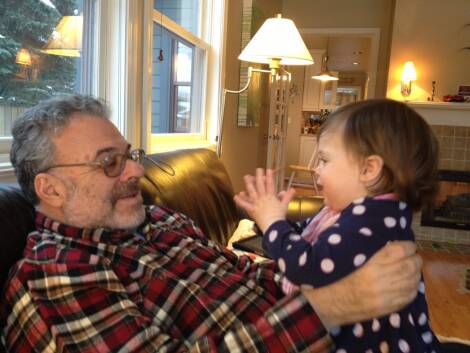
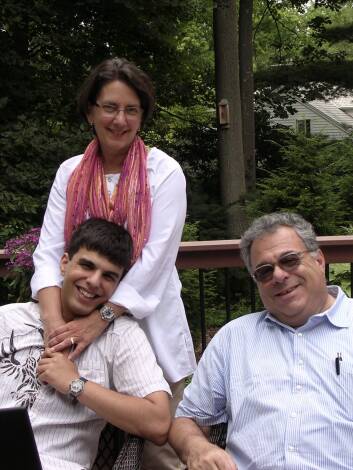
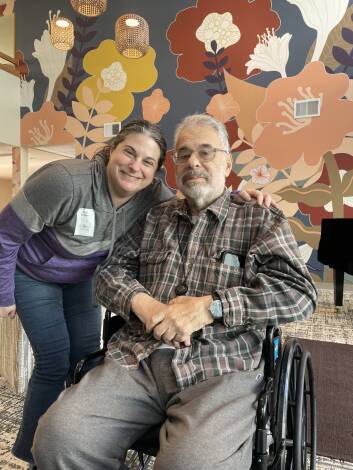
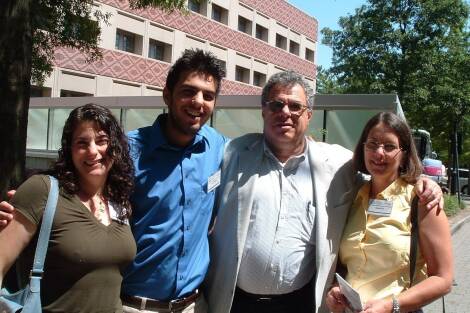
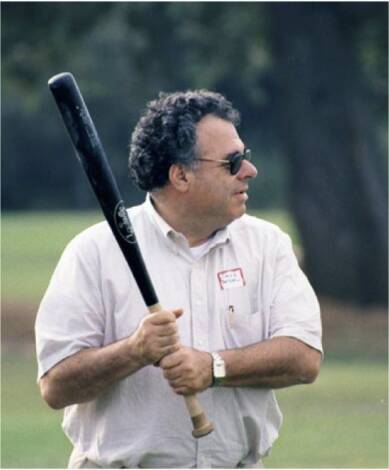
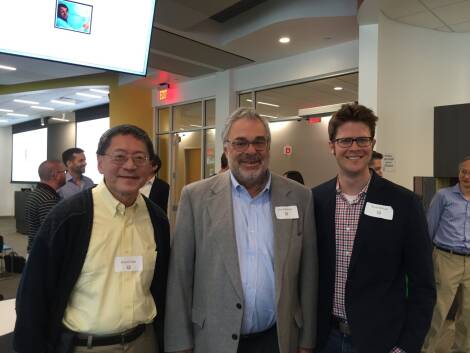
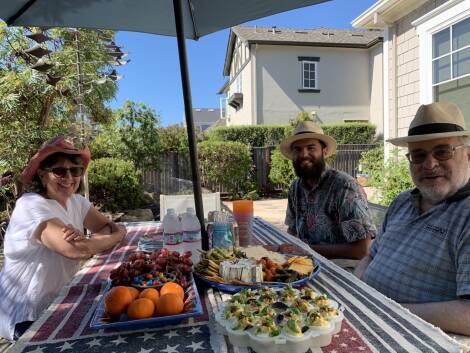
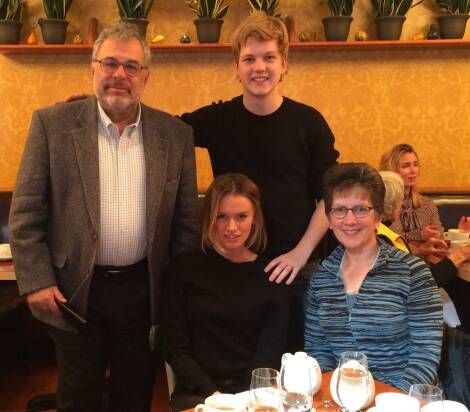
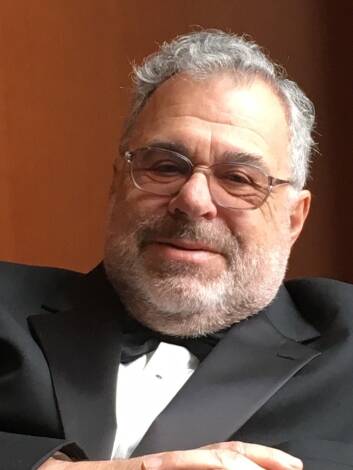
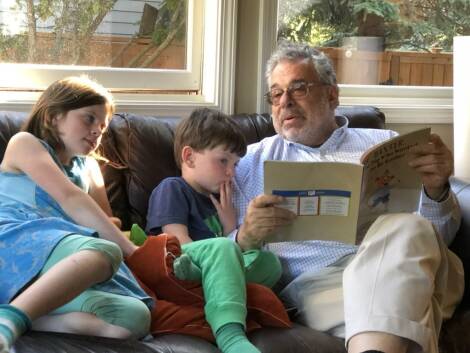
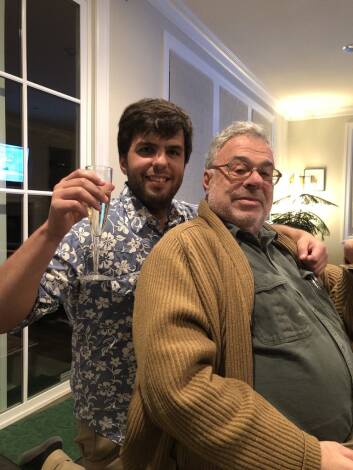
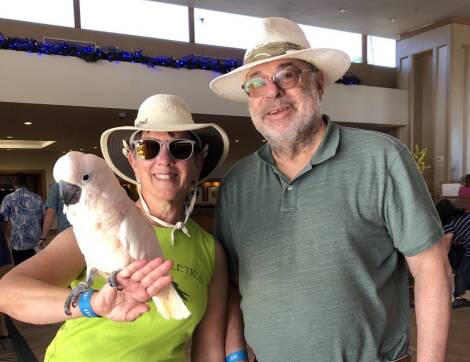
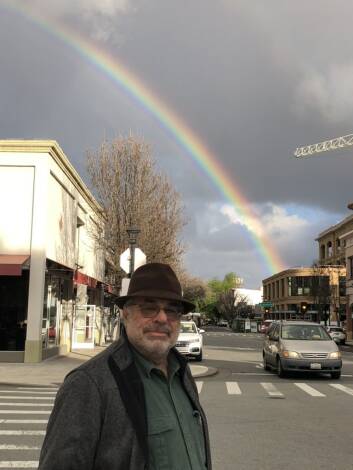
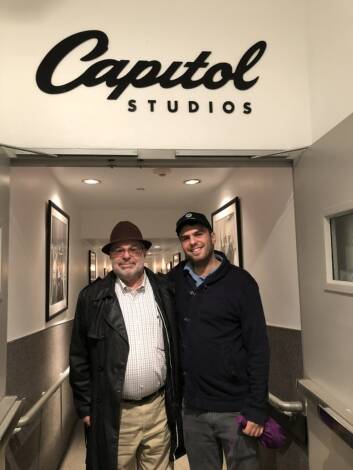
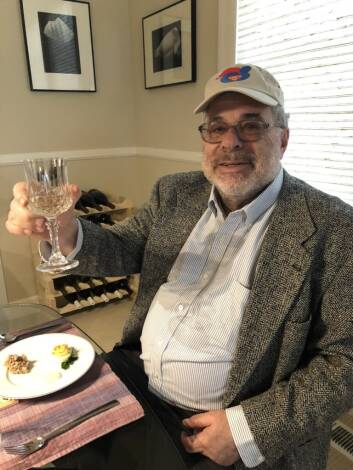
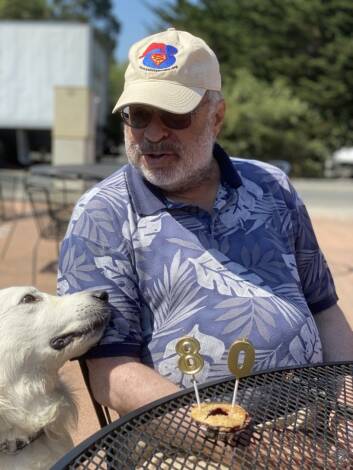
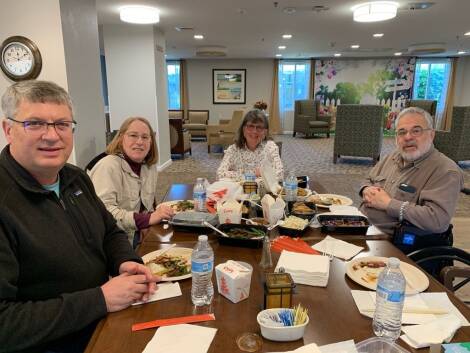
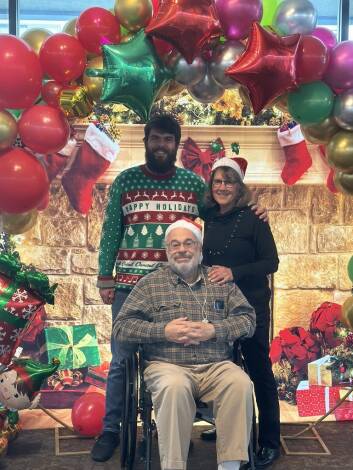
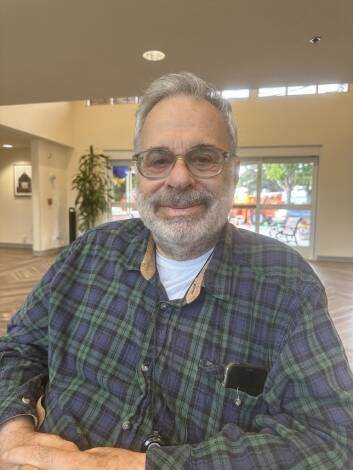
Memory wall
Post a message or share your memories and photos.
April 8, 2026
I did a postdoc with David from 1976-78 at MIT. Some of my colleagues sharing the lab at that time were: Fred Winston, Tony Poteete, George Weinstock, Erica Sodergren, Doug Koshland, Mark Rose, Nancy Kleckner, Tom Petes, Don Moir, Carl Falco, Paula Grisafi and Kathy Reichardt.
My time in David's lab was productive, but not without times of futilty, with experiments that just weren't working. David was always kind and supportive, even though he had to be frustrated (he used the word "antsy.").
I have fond memories of David rubbing his hands together in excitement at a new result or proposal. "Could be a whole business," he would exclaim, or "Now we just gotta turn the crank!"
David was like a fountain delivering great ideas constantly, and then giving them away to whatever student or postdoc was working on the project. I never knew him to compete with someone who had just left his lab. He was so generous that way, and so brilliant that he just came up with more great ideas to replace the ones he had given away.
A few years later, I left basic science to go to medical school. I had a successful and fulfilling career as a hospital pathologist. My decision-making process was always informed by my background in basic science, and particularly my two years in David's lab.
My time in David's lab was productive, but not without times of futilty, with experiments that just weren't working. David was always kind and supportive, even though he had to be frustrated (he used the word "antsy.").
I have fond memories of David rubbing his hands together in excitement at a new result or proposal. "Could be a whole business," he would exclaim, or "Now we just gotta turn the crank!"
David was like a fountain delivering great ideas constantly, and then giving them away to whatever student or postdoc was working on the project. I never knew him to compete with someone who had just left his lab. He was so generous that way, and so brilliant that he just came up with more great ideas to replace the ones he had given away.
A few years later, I left basic science to go to medical school. I had a successful and fulfilling career as a hospital pathologist. My decision-making process was always informed by my background in basic science, and particularly my two years in David's lab.
March 26, 2026
I met David when I was finishing my PhD and he came for a mini sabbatical to Tel Aviv University. For a month, twice a week David gave lectures about his research in the biggest lecture hall on campus. Scientists came from all over Israel to listen to his talks. He filled the big stage and infected everybody with his enthusiasm and wit. Only after I joined his lab, I realized that each one of these inspiring lectures was a talk from his own lab group meetings. So, my adjustment to the Tuesdays-with-bagels group meetings was easy.
The rest of the time in Tel Aviv, because he could not go very far, David roamed around the hallways and labs and talked with us. I probably saw him then more than I saw him in all the years I spent in his lab. He asked me about my research and the next time I spoke with him, he invited me to join his lab as a postdoct. I felt honored and it was the best thing that happened to me as a scientist.
I know David had many trainees, but each one of us felt special, especially when he shined his laser beam of interest on you for a short time and listened, really listened. As a scientist, he was inspiring and his passion to science was infectious. As a mentor, he was demanding but always supportive. He was supportive of me growing and developing as an independent researcher.
After I left his lab, every few years when I got into trouble, I would call him on the phone. Each time, he would answer the phone with the same warmth and ask: “Nava, what can I do for you?” Well, he did a lot and I will forever be grateful that I had the luck to be his trainee.
I already miss him,
Nava
March 26, 2026
David was a force of nature. It was such a privilege to be invited into his and Pat's orbit in 2000. It is a mark of David's openness and risk-taking that he would accept a “walk-on” utterly naive physicist into the combined lab and allow me to somehow find a way to contribute. Perhaps, as a geneticist with physics training, David knew the challenge of context switching from a purely reductionist science to the radical complexity of biological systems. In any case, he showed incredible kindness and patience.
The combined lab was an amazing place. It is only 20+ years later that I fully understand the importance of the work done and the impact the alumni have had on academia, medicine, biotechnology, and life in general. Outside the long list of seminal publications, the magnificent talks, the courses taught, there are those individual folks whose life he influenced on a profoundly personal level. The contributions to this memory wall are ample proof.
Thank you David.
The combined lab was an amazing place. It is only 20+ years later that I fully understand the importance of the work done and the impact the alumni have had on academia, medicine, biotechnology, and life in general. Outside the long list of seminal publications, the magnificent talks, the courses taught, there are those individual folks whose life he influenced on a profoundly personal level. The contributions to this memory wall are ample proof.
Thank you David.
March 24, 2026
David and I met in 1978 at Cold Spring Harbor, when I took “Advanced Bacterial Genetics.” I was struck by his energy, intellect, and confidence—though I admit his persona was a bit intimidating at first. Over time, we became close friends and he was a strong supporter of both my meiosis research and the “Conversations in Genetics” project. He eagerly volunteered to interview Charles Yanofsky, whom he deeply admired. I was thrilled, if a bit concerned his presence might overshadow Charley’s quieter style—but David prepared thoughtfully, asked just the right questions, and let Charley’s story shine. It became one of my favorite interviews. In later years, he remained a trusted advisor whose perspective I valued deeply. We will all miss his bright light in genetics and in our lives
March 23, 2026
Prof Botstein was generous with his time and did not hesitate to share his wonderful experiences with diverse communities. He joined us at Tuskegee University to lead a conference on the Human Genome Project and to discuss the "educational value" of the effort; in 2009 joined us at Virginia Tech to, among other things, describe his "journey to a PhD and a biomedical science career." He had a patience that was refreshing and an insight that transcended science.
March 22, 2026
I remember David vividly from my peripheral station as a grad student in Gerry Fink's lab in the 80s. I can echo many of the fond memories of hand-rubbing and eye-gleaming and cutting to the wick, but a memory below, of how he loved to eat, brought to mind our first meeting. I was an undergraduate in Allan Campbell's lab in 1981 when David visited to finish writing their chapter in the new _Bacteriophage lambda_ edition. The lab was invited to a Chinese restaurant with him, and I remember no science and no pronunciamentos, but I do remember him, with joy and gusto, spinning the lazy Susan around, and finishing off the platter over which my spoon had been hovering. I felt a strange admiration for the man who had bested me.
Thanks David, your shared wisdom in the years to come more than made up for the sesame chicken.
Thanks David, your shared wisdom in the years to come more than made up for the sesame chicken.
March 17, 2026
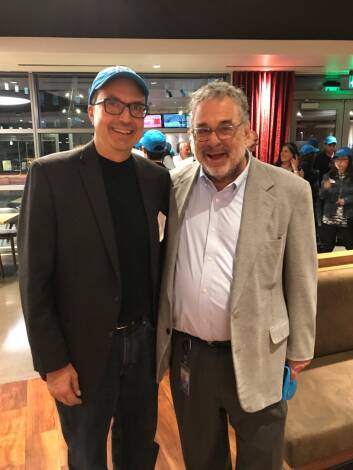
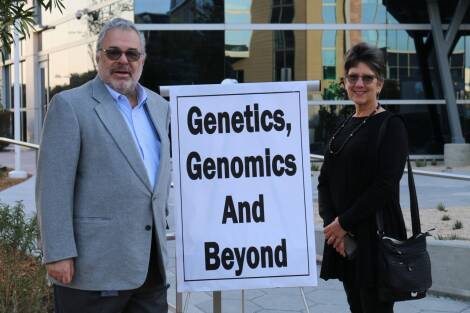
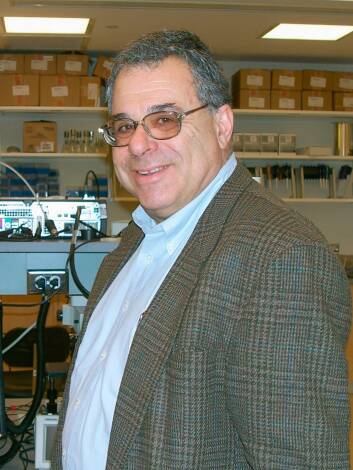
David was a preeminent scientist of his generation and a foundational mentor in my career. It was a privilege to work in his lab during the late 90s as a postdoc, witnessing his historic collaboration with Pat Brown on DNA microarrays. I’ll always remember our 'hallway meetings' where I would chase him down just to get a minute of his time. Even in those brief moments, he would instantly synthesize complex data, troubleshoot roadblocks, and then offer brilliant interpretations and next steps. Beyond his intellect, he taught us the importance of scientific rigor and policy. David was a true leader, and I am deeply grateful for his impact on my life, Thank you, David, for everything you did for me and for the world of science. You will be greatly missed
March 15, 2026
I took David's genetics course (7.03) in 1971 when I was a junior at MIT, and was so inspired that I asked to join his lab. He gave me a project on phage T7 with Ira Herskowitz helping to train me. What a trip! Hence, I fell in love with research and ended up pursuing it as a career. After Sarah's recent documentary with Ken Burns on the holocaust, I looked up his email and got a chance to tell him how much he and Ira enriched my life. Whenever I lecture about genetics to my own students these days, I use my memories of David as rocket fuel.
March 13, 2026
David was one of the first great scientists that I met when I arrived at Stanford. He and Pat Brown formed a Molecular Profiling research group full of brilliant students and postdocs. I learned so much from David and he was very kind and supportive of me. He was truly "larger than life". I'll always remember his enthusiasm and his joyful grin when he learned or discovered something new.
March 13, 2026
David was an visionary scientist who laid the foundation of yeast and human genetics. I was fortunate to be a postdoc in the Brown-Botstein labs in the early and heady days of functional genomics with home made microarrays. One of my fond memories of David came when I wrote my first paper. Unimpressed with my draft, he sat me down next to him, and we went line by line for the next hour to work through the abstract and the entire flow of the story. He both saw the possibilities of new directions and insisted on the rigor to justify one's interpretations. After starting my own lab, I was fortunate to see David at least once a year through the Scleroderma Research Foundation, where he was an advisor. His sharp insights and belief in science to address complex medical problems continues to inspire me. David remained a life-long mentor, friend, and great dinner companion. I will miss him dearly.
March 10, 2026
David came into my life as a genetics professor who ran his classroom like the McLaughlin Group — someone would volunteer an answer, and he'd fire back "Wrong!" while the rest of us sank into our seats. I was taken aback at first. I had no idea that this sharp, demanding man would become one of the most important people in my life.
As he joined my thesis committee, I began to see what was underneath: a person who cared deeply about his students and who truly loved teaching. That care never wavered over the decades that followed.
After I graduated, David and I stayed close. I remember a dinner at the Russian Tea Room in New York, and if there's one thing to know about David, it's that he loved to eat! When I moved to Princeton, he was there too, leading the Lewis-Sigler Center, and he hired me as a genome curator — work that I'm still proud of to this day.
When I decided to do another post-doc and the funding wasn't there, David paid for my first year out of his own pocket. When a dream job opened at Genentech, he picked up the phone and called the department head himself. That call gave birth to one of my favorite lines, delivered in his unmistakable way: "This is David Botstein. Do you know who I am?"
Even after all of that, what I'll remember most is that he always made time: for a meal, a check-in, a conversation about my family. He intervened in my career more times than I can count, but more than a mentor, he was a true mensch.
I miss him greatly.
As he joined my thesis committee, I began to see what was underneath: a person who cared deeply about his students and who truly loved teaching. That care never wavered over the decades that followed.
After I graduated, David and I stayed close. I remember a dinner at the Russian Tea Room in New York, and if there's one thing to know about David, it's that he loved to eat! When I moved to Princeton, he was there too, leading the Lewis-Sigler Center, and he hired me as a genome curator — work that I'm still proud of to this day.
When I decided to do another post-doc and the funding wasn't there, David paid for my first year out of his own pocket. When a dream job opened at Genentech, he picked up the phone and called the department head himself. That call gave birth to one of my favorite lines, delivered in his unmistakable way: "This is David Botstein. Do you know who I am?"
Even after all of that, what I'll remember most is that he always made time: for a meal, a check-in, a conversation about my family. He intervened in my career more times than I can count, but more than a mentor, he was a true mensch.
I miss him greatly.
March 8, 2026
When I was 18 and David was 19-20, I was his girlfriend for about 6 months. David was the first person in my life to suggest that I become anything beyond a wife and mother. He was a feminist at a time when there was no feminist movement. A natural teacher, in the brief time we were together, he introduced me to the poetry of Blake and of Sir Thomas Wyatt, Bertold Brecht's plays, Gilbert and Sullivan's operettas, Dorethea Lange's photography, Humphrey Bogart's movies and a great deal more.
David encouraged me with words but especially with the way his eyes lit up with delight when I said something he thought was insightful.
David thought I should become a sociologist, Upon graduating from college, all my girlfriends, following their parents' advice, took courses that enabled them to get teaching certificates "just in case." But David had opened new worlds of possibility to me. Over my parents' strenuous objections and increasingly desperate attempts to stop me, I accepted a fellowship to Stanford, earned a PhD in psychology, and became a social psychology professor. Years later, when the field of clinical psychology had matured to the point of becoming data rather than theory oriented, I became a clinical psychologist, a calling that still brings me great fulfillment.
God bless you and rest in peace, David. Your memory is a blessing.
David encouraged me with words but especially with the way his eyes lit up with delight when I said something he thought was insightful.
David thought I should become a sociologist, Upon graduating from college, all my girlfriends, following their parents' advice, took courses that enabled them to get teaching certificates "just in case." But David had opened new worlds of possibility to me. Over my parents' strenuous objections and increasingly desperate attempts to stop me, I accepted a fellowship to Stanford, earned a PhD in psychology, and became a social psychology professor. Years later, when the field of clinical psychology had matured to the point of becoming data rather than theory oriented, I became a clinical psychologist, a calling that still brings me great fulfillment.
God bless you and rest in peace, David. Your memory is a blessing.
March 6, 2026
Without exaggeration I can say David changed the course of my life, he was the savior who gave me a chance when I most needed it. I meet David in 1985, when I interviewed for a job as a lab tech for Arlene Wyman who, at that time, was working in David’s lab. I had just graduated. One day when I was working at the bench outside his office at MIT he came over and asked if I was having fun. I was so surprised that a boss would ask if I was having fun. It was in that moment that I realized I had stepped off the streets of Boston into something very different and far from what I had ever known, and I was having the most fun of my life. Later, when working with David on the electron microscope looking at DNA heteroduplexes, he asked me in the darken room if I would go with him to Genentech and help setup his lab. I said yes on the spot, no questions asked. I stayed with David for the next 13 years moving his lab from MIT to Genentech and then to Stanford.
The reason I stayed at his side all those years, beside his scientific genius, excellence as a teacher and mentor, and the important exciting work his lab was doing, was because of his kindness and egalitarianism. If you had the interest and the aptitude David gave you a chance and the freedom to pursue it. If you needed help, he was there. And he gave us all so many opportunities to learn and do science. He even supported my graduate studies while at Stanford, allowing me to work nights. His excitement and enthusiasm were contagious. And then there were his trade-mark expressions, mainly heard at group meetings: the classic ‘hold-the-phone’ and my favorite, ‘this is where rigor turns into rigor mortis’ (that one directed at me).
David was a good man; and he was the most influential man, both intellectually and personally, in my life. He will be forever remembered and missed.
The reason I stayed at his side all those years, beside his scientific genius, excellence as a teacher and mentor, and the important exciting work his lab was doing, was because of his kindness and egalitarianism. If you had the interest and the aptitude David gave you a chance and the freedom to pursue it. If you needed help, he was there. And he gave us all so many opportunities to learn and do science. He even supported my graduate studies while at Stanford, allowing me to work nights. His excitement and enthusiasm were contagious. And then there were his trade-mark expressions, mainly heard at group meetings: the classic ‘hold-the-phone’ and my favorite, ‘this is where rigor turns into rigor mortis’ (that one directed at me).
David was a good man; and he was the most influential man, both intellectually and personally, in my life. He will be forever remembered and missed.
March 5, 2026
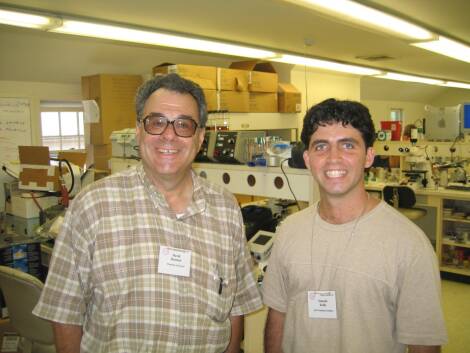
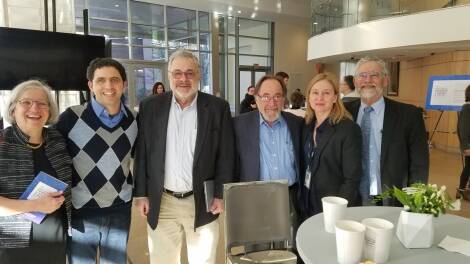
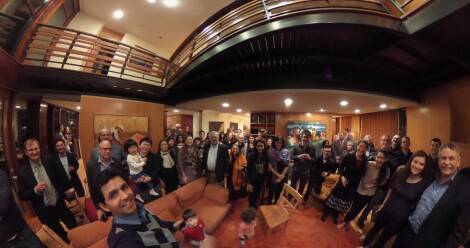
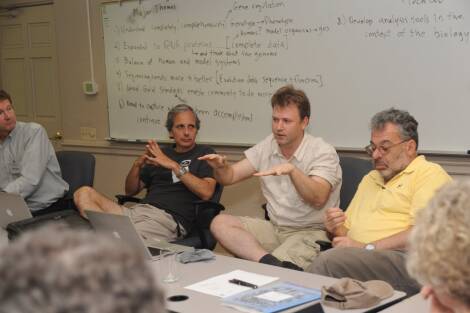
I first met David as a 2nd-year grad student, working on Comparative Genomics of Yeast Genetics, and working closely with SGD (Saccharomyces Genome Database) to revisit the yeast gene catalogue using our methods (Kellis Nature 2003) and later to dissect the history of genome duplication in yeast (Kellis Nature 2004). He spent some quality time with the students taking the CSHL Yeast Genetics course in the summer of 2003, where he taught us the Awesome Power of Yeast Genetics, tetrad dissection, and how to think about genes and genomes. It was extraordinary to witness history in person, with a living pillar of knowledge, showing such generosity towards all those around him, and lifting everyone up. I continued to learn from David through all stages of my career, at NHGRI, the Broad Institute, and various genomics gatherings, where he always brought his deep voice and even deeper insights, and generously shared his vision and his wisdom. David, you will be greatly missed by many generations of genomicists.
March 4, 2026
This is the story of how I became David’s first graduate student and of how we discovered the transposon Tn10. I went to MIT in 1968 for graduate school. My original intention was to work for Salvador Luria on the advice of Seymour Lederberg my undergraduate advisor at Brown; Seymour himself had been a student of Luria’s. However, when I talked to Luria about doing summer research in his lab prior to the start of graduate school, Luria instead suggested I work for David Botstein who was then a new Instructor in the Department. I agreed and, in retrospect, this was the best advice that I ever got.
In the beginning, it was just David and me working in a small room located inside a much larger lab space belonging to Maury Fox’s lab. My first experiments were technically simple (picking plaques of P22 phage with a toothpick), but conceptually sophisticated (isolating conditional lethal (amber) mutants of P22). I loved this approach of using genetics to answer fundamental questions and when David was appointed Assistant Professor, the obvious decision was to do my PhD work with him.
The circumstances around the origin of my PhD thesis project are ably described by David in his chapter in the Feitschrift book honoring Barbara McClintok published by Cold Spring Harbor Laboratory in 1992. What impressed me when I read his account was the incredible amount of detail that David remembered about events more than 20 years in the past. In brief, Tsutomu Watanabe gave a seminar at MIT in 1970 in which he mentioned unusual tetR transductants that he found after using P22 to transduce the R factor 222 in Salmonella. Sensing that these unexpected results might yield new insights, David asked Watanabe for the strains and my subsequent experiments investigating this phenomenon culminated in our discovery of the transposable genetic element that we now call transposon Tn10.
In the beginning, it was just David and me working in a small room located inside a much larger lab space belonging to Maury Fox’s lab. My first experiments were technically simple (picking plaques of P22 phage with a toothpick), but conceptually sophisticated (isolating conditional lethal (amber) mutants of P22). I loved this approach of using genetics to answer fundamental questions and when David was appointed Assistant Professor, the obvious decision was to do my PhD work with him.
The circumstances around the origin of my PhD thesis project are ably described by David in his chapter in the Feitschrift book honoring Barbara McClintok published by Cold Spring Harbor Laboratory in 1992. What impressed me when I read his account was the incredible amount of detail that David remembered about events more than 20 years in the past. In brief, Tsutomu Watanabe gave a seminar at MIT in 1970 in which he mentioned unusual tetR transductants that he found after using P22 to transduce the R factor 222 in Salmonella. Sensing that these unexpected results might yield new insights, David asked Watanabe for the strains and my subsequent experiments investigating this phenomenon culminated in our discovery of the transposable genetic element that we now call transposon Tn10.
March 4, 2026
I will contribute four of the favorite things David ever said to me. Some have been posted before, and the wringing his hands together in excitement is iconic David for me.
"Walk with me" - always on the way to the restroom
"You can’t say you aren’t part of the establishment when the director of the CIA will take your call" ,When John Deutch was made Clinton's CIA Director.
"I don’t read, if it’s important someone will tell me."
“When you read a paper, start with the title and then think about what figures would convince you. Then look at the figures to make sure they did what you think they should do. If the title doesn’t make sense read the abstract and then think about what figures would convince you. Then look at the figures to make sure they did what you think they should do. If that doesn’t make sense you have a choice to read the results or put the paper away”. -I think this is how he actually reviewed papers because it's inconsistent with the previous...
"Walk with me" - always on the way to the restroom
"You can’t say you aren’t part of the establishment when the director of the CIA will take your call" ,When John Deutch was made Clinton's CIA Director.
"I don’t read, if it’s important someone will tell me."
“When you read a paper, start with the title and then think about what figures would convince you. Then look at the figures to make sure they did what you think they should do. If the title doesn’t make sense read the abstract and then think about what figures would convince you. Then look at the figures to make sure they did what you think they should do. If that doesn’t make sense you have a choice to read the results or put the paper away”. -I think this is how he actually reviewed papers because it's inconsistent with the previous...
March 4, 2026
An entire generation of MIT PhD students had their graduate education shaped by David Botstein. In my time there in the late '80s, he directed the PhD program and taught two of the required courses. The Genetics course he co-taught with Gerry Fink convinced many of us to work with yeast, and the discussions in Methods and Logic (7.30) were a master class in how to read, understand, and dissect a scientific paper. I know many of my cohort will be forever grateful for Dr. Botstein's dedication to teaching young scientists how to answer fundamental questions in biology. His example continues to serve as an inspiration for those in academics and beyond.
March 4, 2026
David, I didn't truly understand how a person could have a twinkle in their eye until I met you. Your grin was infectious - I smile every time I think of you smiling. Thank you for showing me how to take science seriously, but not myself.
I looked forward to your comments at every SRC. I can still picture you at the end of the table - your spot. With a Hollywood director’s intuition for timing, you’d lean back either at the very start or the very end of a talk and say, "Well...," and I knew something interesting was coming. It usually began with a story or a historical fact that everyone else in the room had forgotten or never knew, always delivered with your signature panache.
I think about you often, and I'm sure I always will. You had an outsized impact on my scientific journey, and your influence lives on in me and the many others you’ve taught and inspired. I’m honored to have known you. You were one of the greats.
I looked forward to your comments at every SRC. I can still picture you at the end of the table - your spot. With a Hollywood director’s intuition for timing, you’d lean back either at the very start or the very end of a talk and say, "Well...," and I knew something interesting was coming. It usually began with a story or a historical fact that everyone else in the room had forgotten or never knew, always delivered with your signature panache.
I think about you often, and I'm sure I always will. You had an outsized impact on my scientific journey, and your influence lives on in me and the many others you’ve taught and inspired. I’m honored to have known you. You were one of the greats.
March 3, 2026
I spent a mini-sabbatical in David’s lab in 1977, forming friendships that have continued for 50 years. My most vivid memory of David is of him gleefully rubbing his hands together in response to a new result. His science is in the textbooks. His life persists in our fond memories.
March 3, 2026
I was very saddened to hear about David’s passing. I was one of many postdocs who were fortunate to have him as a mentor during an incredible period at Stanford at the start of the genomics era. That was a decisive time in my life. Thank you, David, for who you were and the knowledge and wisdom you shared. Your legacy will live on and I will miss you.
March 2, 2026
I loved how David always showed up in a way you knew he deeply cared.
March 2, 2026
I am so grateful to have known David. Having him as a manager was a privilege and a highlight of my career and life. His kindness and wisdom will stay with me always. I think often of his early advice to me and others as we began our new jobs, borrowed from the Bell Labs: "your job here is to make yourself useful". IMO, it's good advice for both work and life. It's a goal that David far exceeded: both with his legendary scientific work; and even more so with his generosity in personal relationships with each of us.
March 2, 2026
I was the fifth student to join David’s lab, after Russel Chan, Ken Lew, Jon Jarvik, and Sandy Hilliker, in January 1971 as a transfer student when David was only 28 years old! I chose David’s lab because George Weinstock, who was the roommate of Henry, my then fiancé, suggested that I should pick the lab that had all the lights on if I made the rounds at night. I walked into David’s lab and asked to join. He said yes immediately, no questions asked. However, there was no room in his lab. He generously shared his small bench space with me by his office. As you can imagine, I had first-hand knowledge of who visited his busy office and shared the conversations within because his door was always open. The truth is, even if his door was closed, you could still hear him. In David’s lab, there were no secrets.
He asked me what I would like to study and I told him DNA replication. He suggested that I should first make a physical DNA map of phage P22 and start from there. He took me to Joel Huberman and suggested that I learn from Joel how to do Kleinschmidt. I learned genetics from David’s lab mostly by osmosis.
The scientific atmosphere and social life in the Botstein lab were phenomenal. We practically lived in the lab. The F&T diner was one of the places that we frequented on masse for dinner. Ping pong after dinner at the Student Union was often the stop before going back to the lab. Ira Herskowitz, who decided to do a sabbatical in David’s lab to learn yeast on his own, was probably the best player in the lab, except when Henry joined us, he would take the second place. Larry Soll was another fun scientist who took shelter in the Botstein lab to transition into a new direction. Our lab outings were poker game nights at David’s house. The sight of Ira and Ken practicing poker in the lab for the game night showed how seriously people took these games. At one of the most memorable game nights, David’s brother Leon showed up and entertained us by playing the violin. The three- and-a-half years in David’s lab were the funnest and most intellectually stimulating years of my life.
DNA replication turned out not to be David’s favorite topic. He deemed it old school and too much biochemistry. Nonetheless, we remained close though we rarely talked science. In 2024, David was declining in health. To share with him my latest and to test his mental acuity, I insisted on giving him my 10 minutes “practice talk” for my NAS induction. He was reluctant because DNA replication was too complicated, he complained. However, after my “schpeel”, he told me what to cut out to make my talk 10 minutes. I knew David still had it in him.
I miss David immensely. I was so lucky to have him as my mentor and friend. He showed me how science can be fun and exciting.
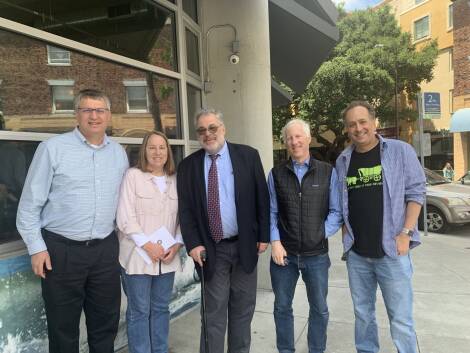
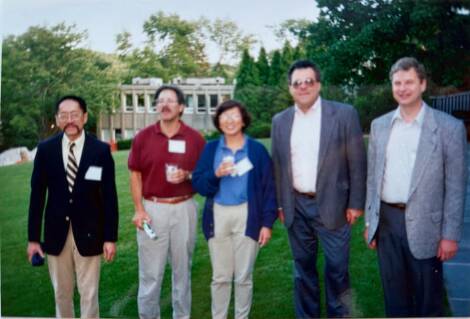
photo from l to r: Russell Chan, Jon Jarvik, me, David, George Weinstock
He asked me what I would like to study and I told him DNA replication. He suggested that I should first make a physical DNA map of phage P22 and start from there. He took me to Joel Huberman and suggested that I learn from Joel how to do Kleinschmidt. I learned genetics from David’s lab mostly by osmosis.
The scientific atmosphere and social life in the Botstein lab were phenomenal. We practically lived in the lab. The F&T diner was one of the places that we frequented on masse for dinner. Ping pong after dinner at the Student Union was often the stop before going back to the lab. Ira Herskowitz, who decided to do a sabbatical in David’s lab to learn yeast on his own, was probably the best player in the lab, except when Henry joined us, he would take the second place. Larry Soll was another fun scientist who took shelter in the Botstein lab to transition into a new direction. Our lab outings were poker game nights at David’s house. The sight of Ira and Ken practicing poker in the lab for the game night showed how seriously people took these games. At one of the most memorable game nights, David’s brother Leon showed up and entertained us by playing the violin. The three- and-a-half years in David’s lab were the funnest and most intellectually stimulating years of my life.
DNA replication turned out not to be David’s favorite topic. He deemed it old school and too much biochemistry. Nonetheless, we remained close though we rarely talked science. In 2024, David was declining in health. To share with him my latest and to test his mental acuity, I insisted on giving him my 10 minutes “practice talk” for my NAS induction. He was reluctant because DNA replication was too complicated, he complained. However, after my “schpeel”, he told me what to cut out to make my talk 10 minutes. I knew David still had it in him.
I miss David immensely. I was so lucky to have him as my mentor and friend. He showed me how science can be fun and exciting.
photo from l to r: Russell Chan, Jon Jarvik, me, David, George Weinstock
March 2, 2026
To share a table with David was to take a masterclass in how to be a better human being. Speak up for what matters, be generous with your knowledge, laugh loudly and carry a tide pen (one of the first products of bioengineering!) because life inevitably gets messy.
March 2, 2026
I had the unique pleasure of meeting David at the Cold Spring Harbor Advanced Bacterial Genetics Course where his energy and individual engagement was in full force. Along with the other instructors John Roth, Peter Wensink and Ron Davis we were schooled by Frank Stahl who was a student in the course. The take home from the course was “Treat yourself to a few controls” - a strategy to remember.
As a postdoc I occupied the bench outside David’s office and overheard a few exuberant and boisterous conversations, although I missed the Yiddish punchlines. David was a generous host and chef at his house on Thanksgiving, treating us to his special stuffed mushrooms. One morning David posted a sign on his office door that he credited to a Charley Chan movie he had seen the night before: Theory, like mist on eyeglasses, obscures vision. I will always be grateful to David for his time and personal guidance, providing me with professional support at a critical moment. David surrounded himself with a dynamic collection of smart collaborative people that made his lab a treat and a challenge. The lab worked on phage, yeast and human genetic problems, emphasizing the universality of genetics. Thank you David for your mentorship and good humor through it all.
As a postdoc I occupied the bench outside David’s office and overheard a few exuberant and boisterous conversations, although I missed the Yiddish punchlines. David was a generous host and chef at his house on Thanksgiving, treating us to his special stuffed mushrooms. One morning David posted a sign on his office door that he credited to a Charley Chan movie he had seen the night before: Theory, like mist on eyeglasses, obscures vision. I will always be grateful to David for his time and personal guidance, providing me with professional support at a critical moment. David surrounded himself with a dynamic collection of smart collaborative people that made his lab a treat and a challenge. The lab worked on phage, yeast and human genetic problems, emphasizing the universality of genetics. Thank you David for your mentorship and good humor through it all.
March 2, 2026
I will treasure my conversations with David on genetics, music, and life. Echoing others’ comments, David was not only brilliant but also incredibly kind. He made time to discuss science with anyone, and he sought to bring out the best in everyone. My deepest condolences to his family.
March 2, 2026
David was an inspiration for those of us who started in bacterial/phage genetics and then moved to yeast and then to multicellular species. He showed you could take all those great bacterial techniques and apply them to eukaryotes. Sooner or later you woudl get to human cells. We would make "yeast into bacteria" then make "human cells into yeast" and so on. David showed us the way. You could say CRISR comes from bacterial transduction and yeast one-step gene disruption. Stories? I heard that MIT students called David "The Steam Shovel" because he would fidget and huff and puff during a seminar if he didn't like what the speaker said!
March 2, 2026
David's integrated science program was what brought me to Princeton -- the care, dedication, and belief in us shaped my life. He gave me the tools to understand that asking the right questions is the key to success -- and it's possible to figure out (or more importantly, find someone to help you figure out!) almost anything. Being part of the first integrated science class was life changing and I feel honored to have been part of the "bot-verse"
March 2, 2026
David was my Mentor's mentor at Princeton, on my Thesis Committee, and then my Mentor when we worked at Calico together. David was not just a great scientist, he was a good person.
He is known as a geneticist, but just as a scientist he was so much more than that. He advocated for scientific rigor, scientific education, quantitative methods in biology, and the adoption of new technologies, pushed for the study of metabolism alongside genetics, and mentored untold hundreds of great scientists.
David was encyclopedic in his knowledge of bacterial and yeast models (both genetics and metabolism), and always had time to talk to you, whether you were a freshman, a first year PhD Student, or junior faculty that need guidance.
I will miss him greatly, as a scientist, as a mentor, and as a person.
He is known as a geneticist, but just as a scientist he was so much more than that. He advocated for scientific rigor, scientific education, quantitative methods in biology, and the adoption of new technologies, pushed for the study of metabolism alongside genetics, and mentored untold hundreds of great scientists.
David was encyclopedic in his knowledge of bacterial and yeast models (both genetics and metabolism), and always had time to talk to you, whether you were a freshman, a first year PhD Student, or junior faculty that need guidance.
I will miss him greatly, as a scientist, as a mentor, and as a person.
March 2, 2026
As a postdoc at Stanford during the heady, early days of genome-wide gene expression profiling, it was always a delight to encounter David’s frequent aphorisms. One of my favorites: "If you want to know what a cell is doing, look at proteins, but if you want to know what a cell is thinking, look at its RNA!". David had a big, generous personality that made you feel like you profited from every interaction with him. He had an uncanny ability to see the significance and impact of your work, often more clearly than you did yourself. He was a consummate big-picture thinker and visionary, but always held to exacting scientific standards. Beyond the lab, I remember his warm "Mazeltovs" after the birth of our two children, and his remarking how fortunate we were to have girls! David was truly a scientific titan of his time, and his immense impact and legacy of mentees will live on for generations.
March 2, 2026
Like for others, David was an incredible mentor to me. His scientific vision was matched by his clarity of thought in navigating practical situations (and by his David-ism quotes, which to this day make me chuckle). He was also an inspiration on what is important in life. Two memories come to mind: the first, at the end of graduate school when I was agonizing over career decisions and paths, David gave me the most liberating advice of everyone: “Just think about what you want to learn, and go do that.” I have given many students the same advice. The second memory that stands out was the day David brought a five-year-old Sam in to the lab to see the microarrayer: the entirety of his attention was on Sam and the joy on David’s face showing him around made it clear what his priorities were. He loved science, he loved doing science with people, and he loved his family and community. I am indebted to him for that and will continue to think of him often and smile.
March 2, 2026
Professor Botstein's integrated science course was the reason I chose to attend Princeton -- it was such a privilege to be part of the inaugural class. I have fond memories of our coursework with Professor Botstein -- where he truly inspired us to think about the new interdisciplinary era of research. He gave me confidence that even as freshman in college, we belonged at the forefront of a rapidly changing research landscape. It's been incredible to see what so many of my classmates have done across science (both in academia and industry) since graduating from the program - and we can credit so much of our careers to Professor Botstein's belief in us, inspiration and mentorship. We will always be grateful for his contributions to science and belief in his students.
March 1, 2026
David took a chance on me when I joined the Lewis-Sigler Institute in 2005 as a junior faculty and I have been forever grateful. His mentorship was unbounded and once he took you under his wing, he was always available for guidance. David was a true renaissance man and he was happy to talk to you about science, life, music, you name it. When it came to sport, I remember him telling me that he was just fine walking wherever he needed to get to since "You can't get hurt that way." Of course he was right! He was always direct and had a booming voice, but in reality he was a true softie. Despite appearances, David was a listener. It gave him time to formulate his thoughts which he would share freely. And you could tell he was really excited to say something when he started fumbling with whatever was in his pockets. His passion for teaching was unparalleled and he inspired many. I'm saddened to have lost a great colleague and mentor. David, your legacy lives on...
March 1, 2026
David was one of my most important mentors. He taught me so much: How to write a grant and give an interesting and accessible systems biology seminar ("with transcriptomics you can monitor the whole army of genes, to see where them are collectively headed, rather than following one random soldier"). When to terminate a research direction ("many graduate students have been lost to studying the phenotypes of dubious strains") and leave a summer stay in Israel due to regional conflict ("everyone is being called up for the Army-- nothing interesting is going to be happening in lab"). How to minimize time lost taking care of your car ("Lexus will pick up from your house to avoid having to go in for service"). Sometimes the lessons where implicit-- interrupting our scientific conversation to help an undergrad find their first class. Sometimes they were impossibly sweeping--" the downfall of most great labs, organizations, countries, is failure to do the obvious." What a visionary and a mensch. I miss him a great deal.
March 1, 2026
Dr. Botstein's decision to build the Integrated Science program at Princeton completely transformed my scientific journey (as did that of so many others). The rigorous, interdisciplinary, first-principles approach to solving biological problems is nothing short of a Renaissance in undergraduate scientific education, and it has been the cornerstone of how I think about scientific problems. It is also the foundational difference of everything we have done at BillionToOne. That education was truly inspirational, a gift of a lifetime for me, which has, in turn, changed the standard of care for countless patients.
But what I remember most is that, almost a decade ago, when everything seemed so bleak, Dr. Botstein kindly agreed to help me with my immigration. I had just graduated from Stanford, and USCIS found my initial green card application insufficient. BillionToOne was a tiny, unproven startup, and I could face deportation. Dr. Botstein went above and beyond to support my candidacy in his letter to USCIS, despite the fact that I was only a student in his class six years earlier. He was not my thesis advisor, nor had we written any papers together. He did not need to do this for me, but he put his credibility on the line to support me to the utmost extent. For that, I will be forever grateful.
But what I remember most is that, almost a decade ago, when everything seemed so bleak, Dr. Botstein kindly agreed to help me with my immigration. I had just graduated from Stanford, and USCIS found my initial green card application insufficient. BillionToOne was a tiny, unproven startup, and I could face deportation. Dr. Botstein went above and beyond to support my candidacy in his letter to USCIS, despite the fact that I was only a student in his class six years earlier. He was not my thesis advisor, nor had we written any papers together. He did not need to do this for me, but he put his credibility on the line to support me to the utmost extent. For that, I will be forever grateful.
March 1, 2026
While the scientific world has lost one of its most brilliant lights, those of us privileged to work alongside David have lost something even rarer: a "true mensch."
David was more than a pioneer of genomics; he was a gentle, towering intellectual whose scientific rigor was matched only by a humble approach and a "contagious energy" that left an indelible mark on everyone he mentored. I remain eternally grateful for the warmth and patience he showed me during those early, formative days at Calico. To be mentored by him was a profound privilege; his fearless willingness to "go to bat" for his convictions was truly inspiring.
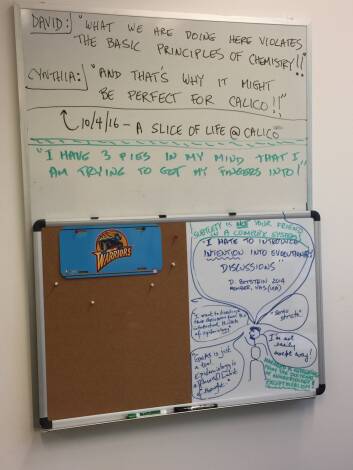
David had a singular way of looking at the world. I will never forget his signature "shields up in a Star Wars spaceship" analogy, which he applied with equal brilliance to complex biological questions and personal problem-solving alike.
Beyond the science, it is the personal moments I will treasure most: our conversations in broken Yiddish and the immense honor of co-authoring one of his final papers with him just last year. David Z"L, you were a giant who enriched my life in ways I am still discovering. Thank you for your guidance, your mentorship, and your friendship. You will be deeply missed. I share your sorrow. Shelley B
David was more than a pioneer of genomics; he was a gentle, towering intellectual whose scientific rigor was matched only by a humble approach and a "contagious energy" that left an indelible mark on everyone he mentored. I remain eternally grateful for the warmth and patience he showed me during those early, formative days at Calico. To be mentored by him was a profound privilege; his fearless willingness to "go to bat" for his convictions was truly inspiring.
David had a singular way of looking at the world. I will never forget his signature "shields up in a Star Wars spaceship" analogy, which he applied with equal brilliance to complex biological questions and personal problem-solving alike.
Beyond the science, it is the personal moments I will treasure most: our conversations in broken Yiddish and the immense honor of co-authoring one of his final papers with him just last year. David Z"L, you were a giant who enriched my life in ways I am still discovering. Thank you for your guidance, your mentorship, and your friendship. You will be deeply missed. I share your sorrow. Shelley B
March 1, 2026
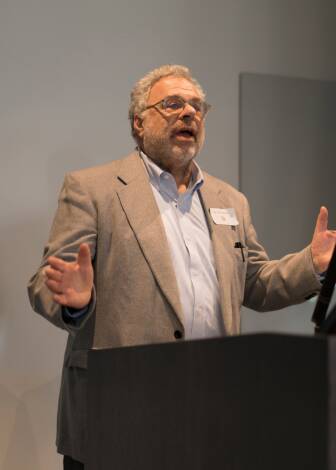
David was a giant, who changed my life in countless ways. I am profoundly grateful not only for his scientific mentorship and career guidance, but also for the broader appreciation he gave me for music and the performing arts, which David loved and so generously shared. David will be deeply missed, and through the many thousands of lives (and more) he touched in his lifetime, his spirit and legacy will live on.
March 1, 2026
David was a mentor of extraordinary impact, which I experienced personally as a PhD student in his group at Princeton University.
He will be remembered for his incisive and formidable intellect, his strong and unapologetic opinions, and his deep, unwavering commitment to his students and to the broader scientific community.
Beyond his landmark scientific contributions, David’s most enduring legacy may be the generations of scientists he trained and inspired. He emphasized rigor, clarity of thought, and the courage to pursue big, important questions. He demanded intellectual honesty and rewarded genuine curiosity. I count myself among the many who benefited from his mentorship. His influence lives on not only in the discoveries he made, but in the standards he set and the minds he helped shape.
He will be remembered for his incisive and formidable intellect, his strong and unapologetic opinions, and his deep, unwavering commitment to his students and to the broader scientific community.
Beyond his landmark scientific contributions, David’s most enduring legacy may be the generations of scientists he trained and inspired. He emphasized rigor, clarity of thought, and the courage to pursue big, important questions. He demanded intellectual honesty and rewarded genuine curiosity. I count myself among the many who benefited from his mentorship. His influence lives on not only in the discoveries he made, but in the standards he set and the minds he helped shape.
March 1, 2026
When David came to Princeton, I had also just arrived and we decided to coteach a new course for graduate students interested in quantitative biology. In preparation, David and I would meet together every week or so at Small World Coffee to discuss which papers we’d cover in the class. Often, we’d be done with the task at hand before he finished his double latte, and the conversation would turn to other topics. I realized I could ask David anything – science questions, how to run my group, department politics, life in general – and get an answer that was simultaneously wise, personal, and entertaining. David was a true mentor to me during those days, and afterwards. I miss him a lot.
March 1, 2026
”A starship can travel at warp speed only if its shields are down” - David B. Thank you.
March 1, 2026
David’s intellect and enthusiasm for scientific discovery were evident to everyone who worked with him. I am especially grateful for the warm welcome and patience he showed to me in the early days of Calico. Thank you for the memories, and the fascinating discussions in your office.
February 28, 2026
Such a gentle intellectual giant . David’s understanding of the breadth and depth of science was only matched by his grasp of the human condition. Truly , a renaissance man.
February 28, 2026
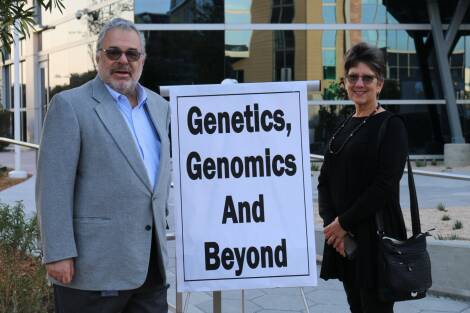
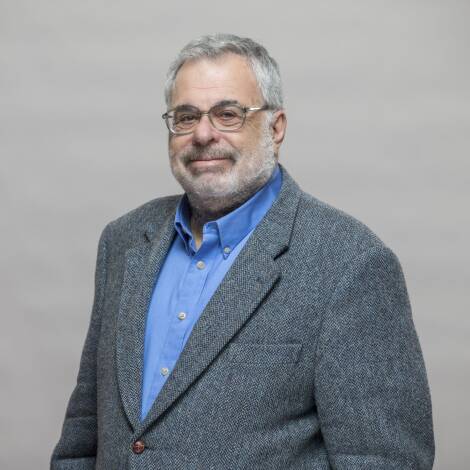
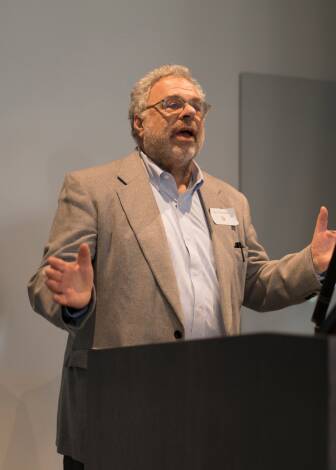
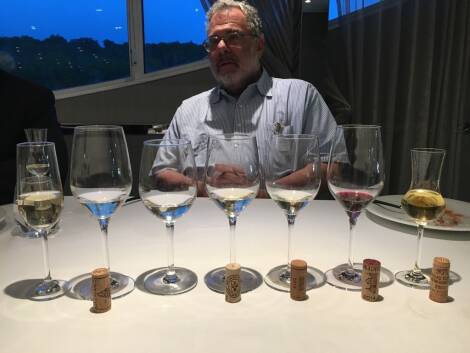
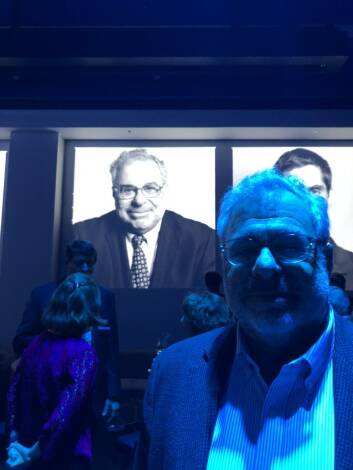
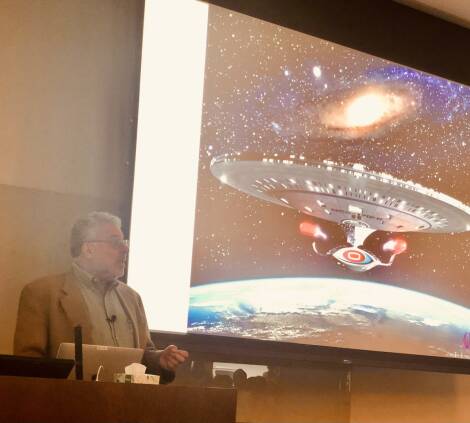
I love the first photo of David, with the universe above him. He was a towering intellect, with a larger than life presence. David and I met and worked together at Calico. During our first meeting, he gave me a copy of "The Idea Factory, Bell Labs and the Great Age of Innovation", a guide, of sorts, for how to think about building something unique. Discerning and tough-minded, yet extraordinarily generous when it came to discovery and discussion, David was also a friend. I will miss his humor, kindness and his fierce love for and commitment to Renee and Sam. May his memory be a blessing.
February 28, 2026
David was a big-shot who also managed to care deeply about his students. As one of those students, I will be forever grateful to him for the encouragement and vigor and kick-in-the-pantsness and scientific delight that he brought to every day. He changed the way I think, including by teaching me perhaps the most important scientific lesson: when nothing is working, take it apart and clean it. And I know I am far from alone. He cultivated the talents of so many others that his gravitational waves will continue to echo long after his star is gone. He will be sorely missed.
February 28, 2026
I had the privilege of being one of David’s many trainees at a very special time in my life when the Botverse was at Stanford and in full swing at the dawn of the genomics era.
His vision for grand ideas, fearlessness, contagious energy, enthusiasm, charm, wit, humor (“walk with me”), communication skills, teaching prowess, integrity, knack for problem solving, and organization skills were an exceptional mix without comparison among scientists.
I learned a lot from David and will forever cherish my memories of all the special times as a member of his group. I know that his eternal legacy as not only a gifted scientist but a beautiful human being will endure not only through his work, inventions, but the generations that he supported at every institution that had the privilege of having David as a member.
I will miss him dearly.
His vision for grand ideas, fearlessness, contagious energy, enthusiasm, charm, wit, humor (“walk with me”), communication skills, teaching prowess, integrity, knack for problem solving, and organization skills were an exceptional mix without comparison among scientists.
I learned a lot from David and will forever cherish my memories of all the special times as a member of his group. I know that his eternal legacy as not only a gifted scientist but a beautiful human being will endure not only through his work, inventions, but the generations that he supported at every institution that had the privilege of having David as a member.
I will miss him dearly.
February 28, 2026
I have so many memories of David (including many of him rubbing his hands together and "wiggling in his seat like an excited puppy” that Jeremy mentions); he was such a huge presence that nearly every encounter remains imprinted in my brain. He exuded a love of science, some of which I’d like to think rubbed off on me. I count him as one of my mentors, even though I never spent time in his lab; I valued his advice. David was a giant on whose shoulders so many of us stand. Thank you, David!
February 28, 2026
David was many things to me. A thesis advisor. A mentor. A friend. A confidante who was willing to help think through a complex problem, scientific or otherwise. He really made my life better in every imaginable way, and I am forever grateful to have been in his orbit.
February 28, 2026
Dear David,
I will always remember the many lunches we had together in LSI. I learned a lot from you and I know you did a lot for my career. I will miss you.
I will always remember the many lunches we had together in LSI. I learned a lot from you and I know you did a lot for my career. I will miss you.
February 28, 2026
From JHS 7 in 1954 through Bronx Science 1959, David was an extraordinary friend. Clearly marked for academic excellence, he was an extraordinary person in a group of extraordinary people. Never will I forget how we parted at high school graduation, with sincerest good wishes. Not only a great scientist, a great man.
February 28, 2026
Thank you David. As a member of my thesis committee in the 1970s, you gave me and my research your full attention. Your guidance and example had a huge impact on me as I set my own path as a young academic research scientist. Whenever we met over the years, you always were interested in hearing about our research progress. You provided your insights and useful ideas for future experiments as we would bump into each other at the white board. Thank you again David.
February 28, 2026
I worked as David's secretary at MIT from 1971-75. I was finishing my college degree at night, and I think I learned more from David than I ever did in a classroom. I transcribed his dictation, mostly from when he served on NIH study sections, and discovered how to organize and write criticism that way. He also had a way of explaining complex biological phenomena to someone (me) who had no scientific background at all. He knew that I did a great deal of photography on the side, and, when the Department of Biology needed a new brochure, complete with photos, he suggested that they allow me to photograph faculty members for the publication. I still have a copy of it lo these many years later. He had a booming voice and an opinion on everything to match. The last time I was in contact with him was when he received a prestigious award from Albany Medical College a few years ago (I live in New York's Capital Region). RIP, Dr. Botstein. You added much to my life and the lives of so many.
February 28, 2026
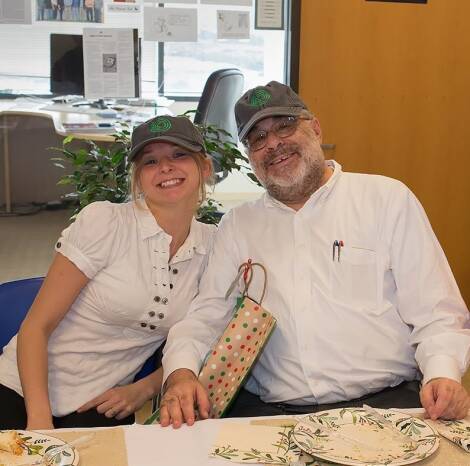
David!
I'm so lucky that I've met you!
Thank you for being my work grandpa!
Thank you for all your nice words and wishes!
Thank you for believing in me!
Thank you for finding good in everything!
Thank you for your wisdom and care!
And I’m sorry I didn’t call you that last time!
I will always treasure the memory of you!
I'm so lucky that I've met you!
Thank you for being my work grandpa!
Thank you for all your nice words and wishes!
Thank you for believing in me!
Thank you for finding good in everything!
Thank you for your wisdom and care!
And I’m sorry I didn’t call you that last time!
I will always treasure the memory of you!
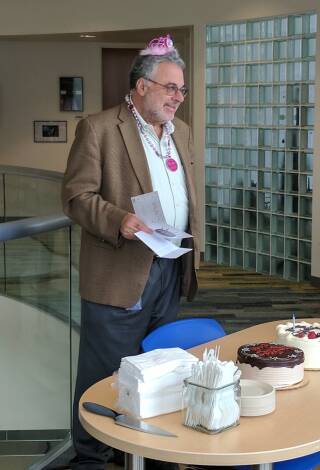
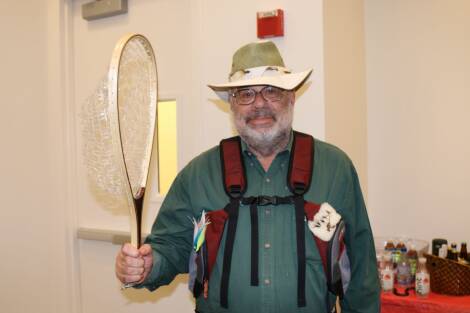
February 28, 2026
Having served as David’s administrative assistant for seven years, I had a front-row seat to his mentorship and his "roar"—that booming voice that echoed through the halls. He didn't just train scientists; he forged thinkers.
David possessed a rare gift for discerning the "inner spark" in his students and employees, often long before they recognized it in themselves. I remember one morning, during our usual latte-fueled calendar check, I asked him who his favorite Disney character was. Without hesitation, he said Scrooge McDuck, because Scrooge believed in making his way "squarely."
I learned that for David, the real treasure was never the results or our quarterly accolades; he found true fulfillment in influencing scientific rigor. To David, the work was like hunting for a single, rare coin—finding the "broken switch" in genetics or a tiny yeast culture that held the key to fixing the "sticky switches" of disease for millions.
David leaves behind a room full of people who are smarter, tougher, and more principled simply because he dared to believe we could be. He taught us that if you work squarely, the treasure will follow.
I will greatly miss his humble demeanor, his humor, his love of classical music, his ubiquitous Tide sticks, and the times he called me a "Whirling Dervish."
David possessed a rare gift for discerning the "inner spark" in his students and employees, often long before they recognized it in themselves. I remember one morning, during our usual latte-fueled calendar check, I asked him who his favorite Disney character was. Without hesitation, he said Scrooge McDuck, because Scrooge believed in making his way "squarely."
I learned that for David, the real treasure was never the results or our quarterly accolades; he found true fulfillment in influencing scientific rigor. To David, the work was like hunting for a single, rare coin—finding the "broken switch" in genetics or a tiny yeast culture that held the key to fixing the "sticky switches" of disease for millions.
David leaves behind a room full of people who are smarter, tougher, and more principled simply because he dared to believe we could be. He taught us that if you work squarely, the treasure will follow.
I will greatly miss his humble demeanor, his humor, his love of classical music, his ubiquitous Tide sticks, and the times he called me a "Whirling Dervish."
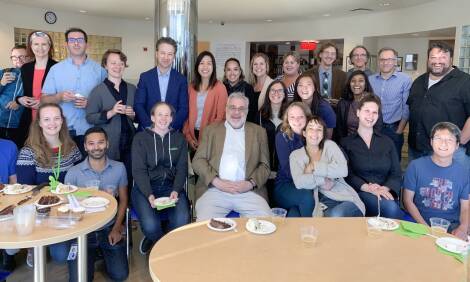
February 28, 2026
David and I were close friends since we were eleven years old. More than anyone else, David encouraged my transition from physicist to physiologist / biophysicist. My heart is full of remembrances of this truly special scientist and mensch.
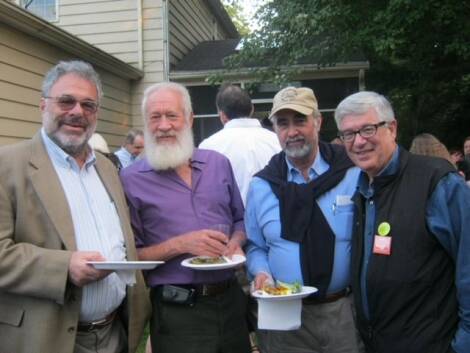
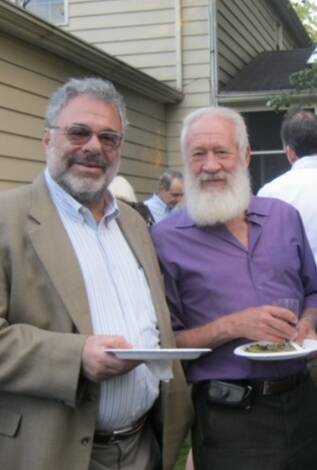
February 27, 2026
One image that always sticks with me is David with a smile, a gleam in his eye, rubbing his hands together, and wiggling in his seat like an excited puppy when he had something he just couldn't wait to get off his chest to say. As we all appreciate, he was truly a visionary scientist and one of a kind.
February 27, 2026
David was a scientific giant, seeing the next big thing before others did. He excelled at bringing people together to work towards a grand vision, but most of all, at least to me, he was a mentor. I am just one of David’s dozens or hundreds of scientific descendants - he gave me an opportunity when I needed one and coming into David’s orbit under his gravitational pull was the best thing scientifically that ever happened to me. It is a wonderful thing to be part of the “Botverse”. David’s memory is indeed a blessing.
February 27, 2026
Thank you for the beautiful obituary, which captures David's greatness perfectly. Working with and learning from David enriched my life. I won't forget his unique combination of brilliance and kindness. There are many who share your loss.
Donate
Together, let us continue the legacy of compassion and kindness that David embodied throughout his life. David avidly supported scientific research and education, and music education and performance. Please consider a donation to such an organization in your own community, and consider supporting the arts by attending a musical performance in person.
made with 

 Français
 Deutsch
 Nederlands
 Español
 Português
 Magyar
 Русский
 繁體中文
繁體中文