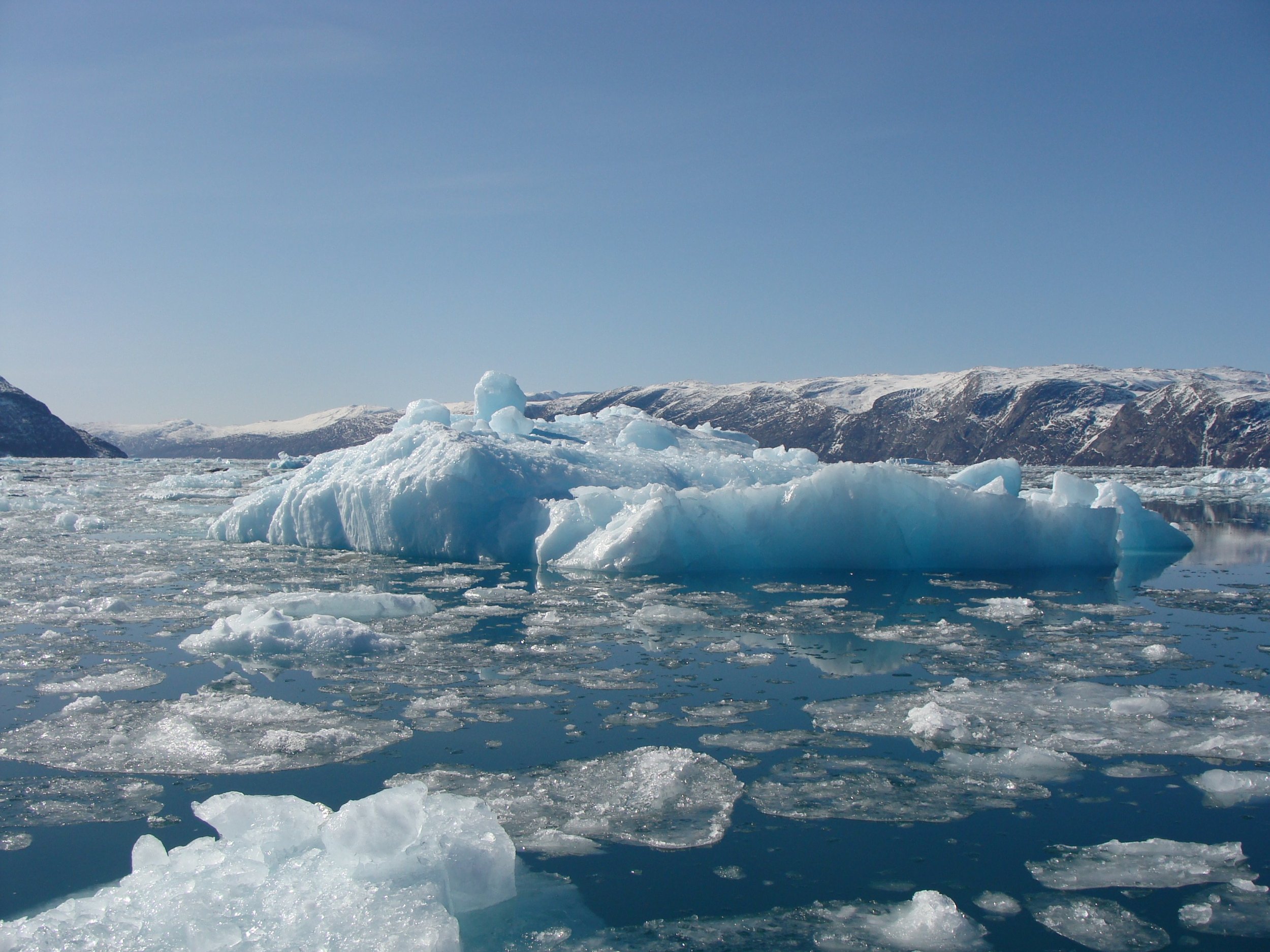
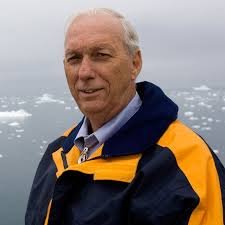
What about Bob!
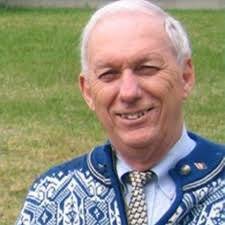
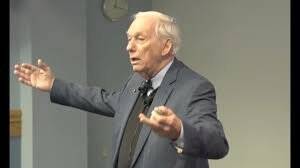
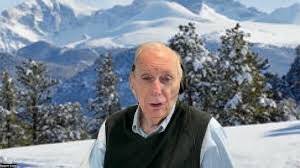
Bob Corell (Robert W. Corell) was a renowned American climate scientist and policy expert, recognized for his significant contributions to understanding global climate change and its impacts, particularly in the Arctic. He worked extensively on issues related to the environment, climate science, and the intersection of science and policy. Here are some highlights of his career:
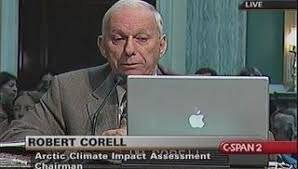
Leadership in Climate Research: Corell served as the chair of the Arctic Climate Impact Assessment (ACIA), a groundbreaking report that highlighted the effects of climate change in the Arctic and its implications for the rest of the world. The ACIA was one of the first comprehensive studies to document the rapid warming of the Arctic region.
Academic and Policy Roles: He has held positions at various academic and policy institutions, including the Harvard Kennedy School, the University of Miami and UiT The Arctic University of Norway. His work often bridged the gap between scientific research and policymaking.
Affiliation with International Organizations: Corell has been involved with the United Nations and other international organizations, focusing on climate-related issues, sustainability, and the role of science in addressing global challenges.
As a Director and Principal at the Global Environment & Technology Foundation, he is focused on programs and activities that explicitly addressed those human-induced changes that are disruptive, and which are leading to transformations across both public and private spheres of societies. Dr. Corell is dedicated to frame these programs in ways that are increasingly formulated to accelerate positive social outcomes, to expand knowledge for all, facilitate technological innovation and foster institutional cultures that are dedicated to the benefit of society.
Advocacy and Communication: A prominent advocate for addressing climate change, Corell has worked to raise awareness of its risks and promote global action. He has been a sought-after speaker at conferences and in the media.
Bob Corell’s contributions have been critical in shaping how scientists, policymakers, and the public understand and respond to climate change, particularly the pressing issues facing the Arctic region.
He influenced and touched many people over the years and the world has lost a great man. His energy and ideas where infectious and those of us who were lucky enough to know him know we have a responsibility to carry on his work.
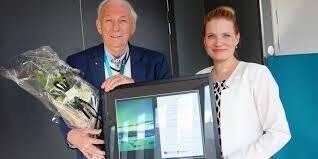
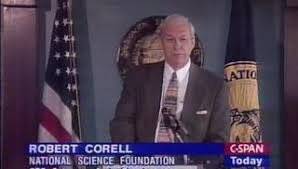
Bob held Ph.D., M.S., and B.S. degrees from Case Western Reserve University and MIT. He was the Assistant Director of the National Science Foundation for Geosciences, responsible for the Atmospheric, Earth and Ocean Sciences and Polar Programs. He led the U.S. climate and global change research program and international programs for the UN, global and regional research science and related public policy assessments. He has been and continues to be recognized with international awards, Honorary Doctor Degrees, and other recognitions.
Services
Memorial services are currently being arranged. A private family service will be held in in the coming weeks.
A larger memorial and perhaps online celebration of Bob will be held later this year.
If there are upcoming meetings where Bob should be honored, memorials written to journals, etc., please contact Deb Stirling (jstirling@att.net) and/or Jenny Baeseman (jbaeseman@gmail.com), as they have been and continue to coordinate things for Bob :)
There are early discussions of a scholarship or fellowship in Bob's name, so in lieu of flowers, please hold donations until such things have been decided.
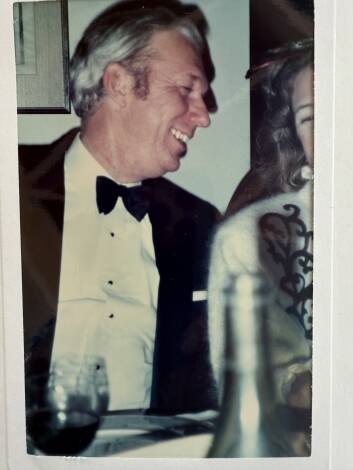
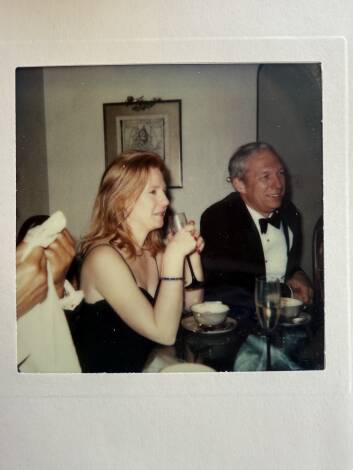
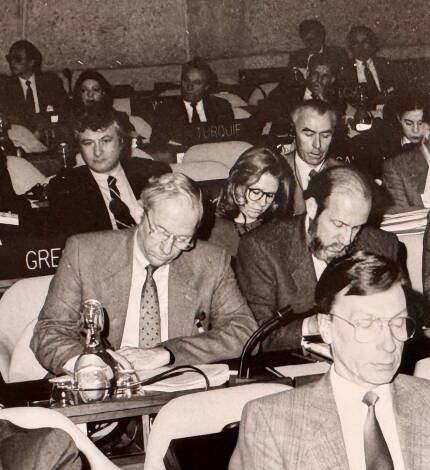
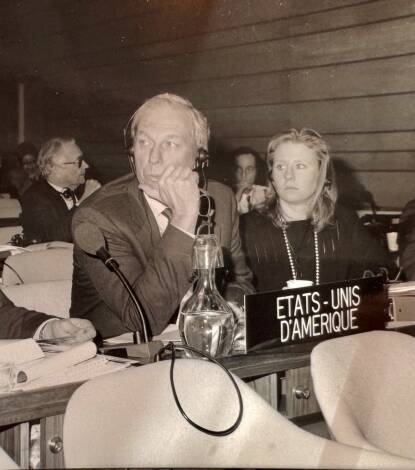
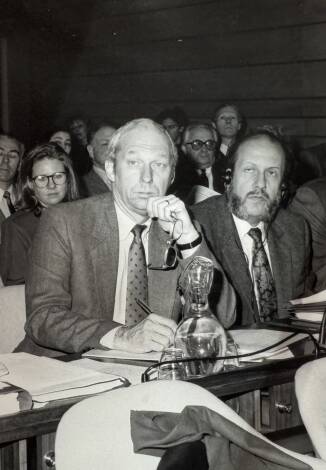
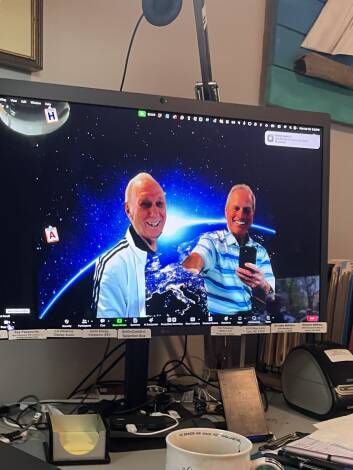
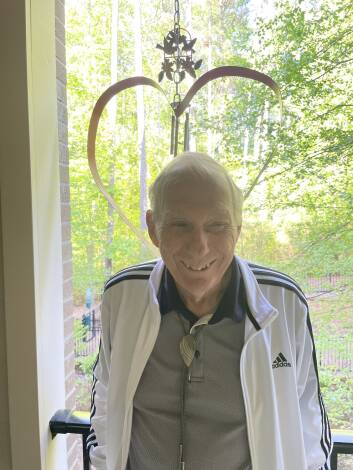
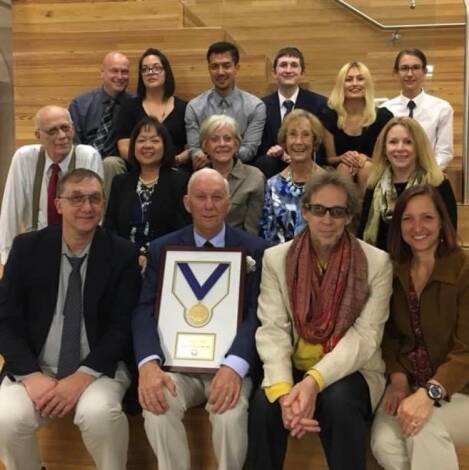
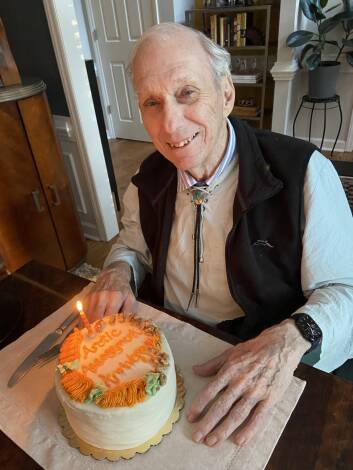
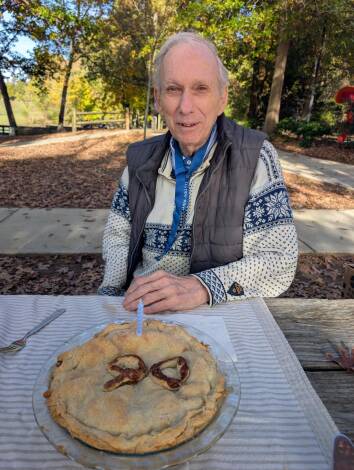
Photos
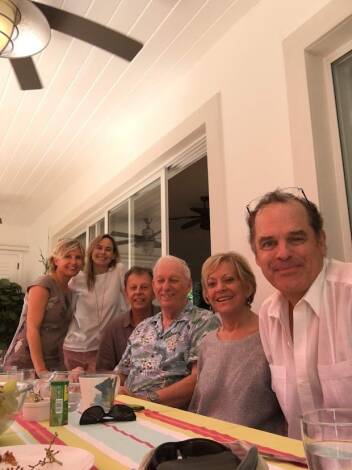
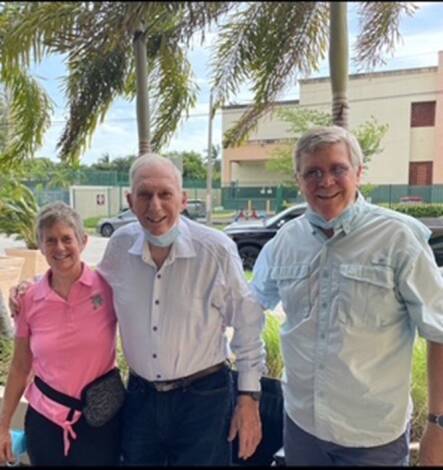
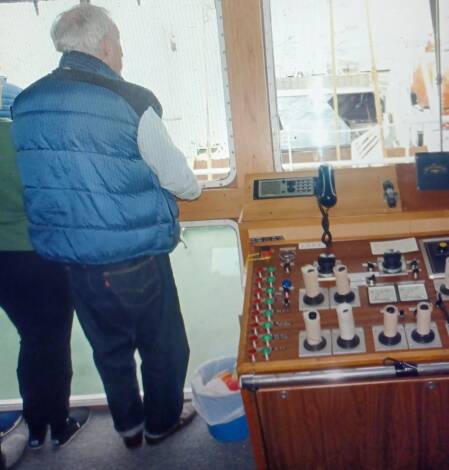
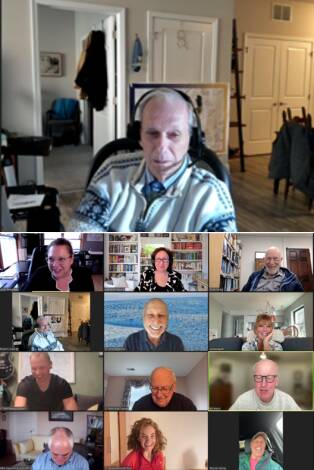
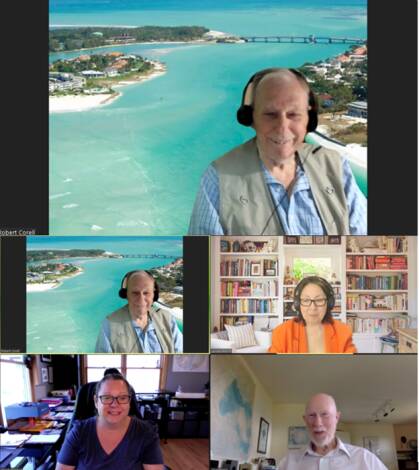
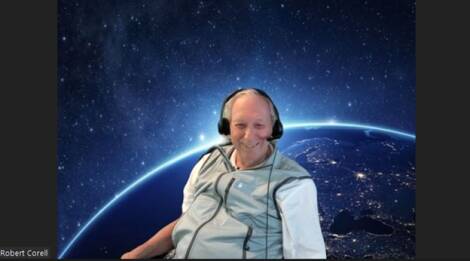
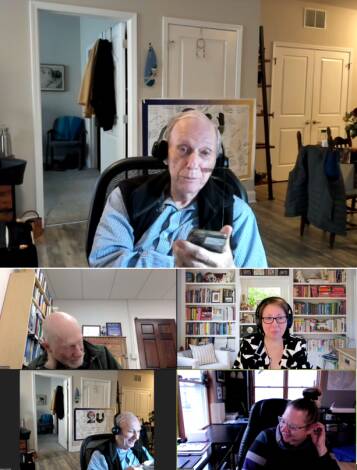
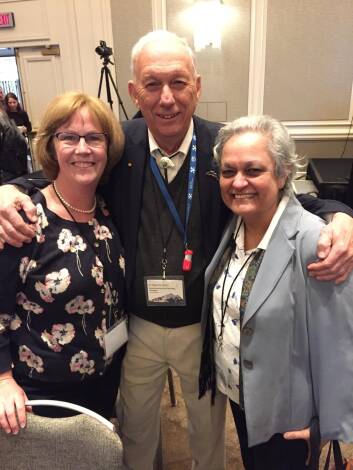
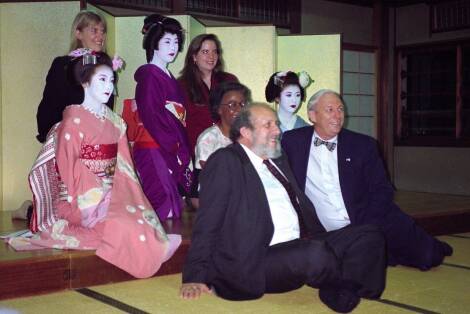
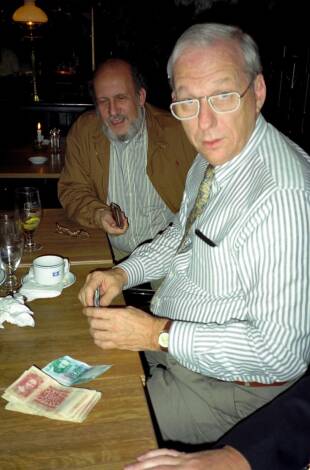
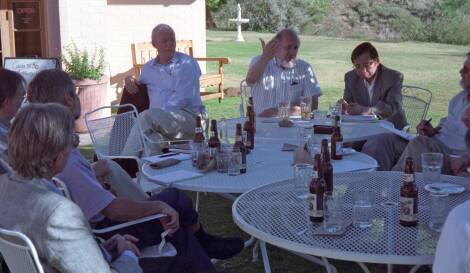
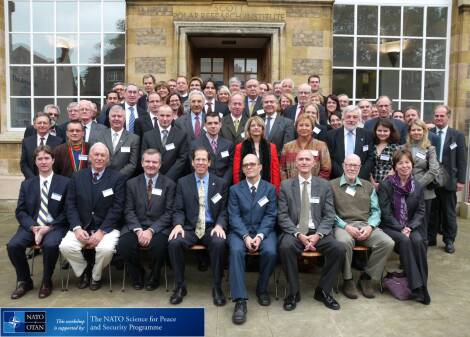
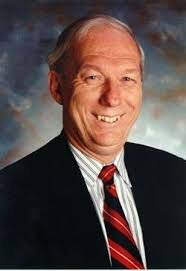
Stories about Bob
Later, while still at URI I supported Gary Evans and the education group of USGCRP and Bob moved to NSF. The Education Group wanted to put on a significant training effort for all 50 states to participant in learning about climate change together. We planned to invite representatives from: grade school, middle/junior HS, High school, University, and the State wide Education offices of all the states. We would need to support all that travel as well as all the training and presentations. In order to do that the Education Cmt needed a good deal of money. I was asked to make the pitch to the Principals of all the agencies as they would need to provide the funding. Needless to say I was a little nervous.
I arrived at the meeting room before the principles filed in. The room was set up with a big table in the middle surrounded by chairs and then additional chairs around the edge of the room. I sat in a chair around the edge of the room.
After a few people filed in, Bob arrived. He immediately said “Carter, come up to the table – you belong here” . . . or some such statement. I believe that invitation/statement changed everything . . .
I proceeded to describe our plans in enough detail that the concept was well understood.
After the presentation I left the room, for what seemed like a very few minutes. I was called back in to be told the agencies all agreed to support the effort at the level requested - $800,000.
I tried to act cool but grateful but truthfully was stunned.
Once all the other principals had left Bob said “let’s get a drink!” And then proceeded to tell me that that group had NEVER before approved, nor so quickly approved, such a sum of money for anything other than basic research. Yes, I well represented our plan BUT I have always believed and still do that it was Bob’s treatment of me that made them take the effort and proposal seriously. I was grateful then and many times there after! As the meeting was a great success with many successes to follow.
I have fond memories of working with Bob in an eclectic fashion. He, Tom Harvey, and I ventured to Iceland together to propose grand things. He, Joe Romm, and I convened the NSF sponsored conference for developing a 40-year plan on energy R&D related to hydrogen. He, Nancy Maynard, Joyce, and I had many wonderful times, including giving him a Roast for his 70th birthday. Nancy had been my boss at NASA HQ
Smart, kind, and ever curious. A true gentlemen and scholar in every sense. He absolutely fulfilled the dictates of what it is to be a Kipling Man.
Tim Foresman, EarthParty.
From the start we hit it off. Willing to push the envelope Bob outlined an aggressive agenda and carefully threaded the political needle to keep everyone supportive.
One aspect was the preparation of an innovative infographic that represented the planet with hot spots, and a hole in the ozone layer. The WH Chief of Staff recommended eliminating those elements before publishing. Corell pushed forward , printed 25,000 copies and distributed them for earth day celebrations before any other changes could be made.
He was a man of conviction who made things happen.
Over the years we entered into countless projects together. One of my favorite memories was visiting the blue lagoon in Iceland with he and Tim Foresman as we explored the potential of an all hydrogen Iceland.
Later Bob joined Monica Ellis, the CEO of GETF and I on our Board of Directors and we were so honored to have him.
Bob was incredibly kind and patient to everyone, no matter their station. He is sorely missed.
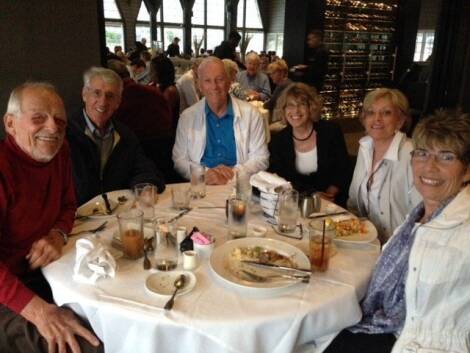
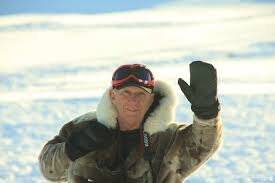
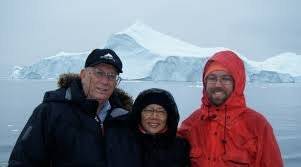
Bob and I had been working on an article about his decades spent traveling to Greenland to study and teach climate change. We had to pause our work on the article when his health declined last summer. It will forever be a major regret for me that I didn't get to hear more of his stories and finish the piece honoring his immense contributions in that region.
As pissed off as Bob would get about the state of things in our field (and sometimes the world), he never lost his gentle spirit, curiosity, and humor. Bob was truly one of my favorite people on Earth to talk to. He will be profoundly missed.
Though we were the co-founders, it was Bob's vision, patience, and international network that was crucial to our credibility as an independent nonprofit. He was so delighted that Nova Southeastern University took RSI onboard in late 2024. I am so glad that he got to be with us for that accomplishment. He was the consummate scientist, diplomat, and all around nice guy. He will be missed.
Bob earned the respect of ocean and polar environment scientists for his long-term and erstwhile dedication and innovative thinking for the best science for polar regions and the oceans. His long-term activities at the science-policy interface were admired and made a significant difference. He was adroit at connecting people with similar interests. We have lost an exceptional world-class citizen-scientist.
John W. Farrington, Dean emeritus, W.H.O.I.
Jeff Onsted
Dog, who usually scared most people, but not Bob. I was always excited when I would see him at apartment functions. I knew I had someone who’s both interesting and caring to talk to . you will be missed!
Bob was the best science communicator I have ever known. I was in awe in how he could make such complex scientific issues so understandable and relatable to anyone he spoke with. I learned much from Bob. Just as important, he was a kind and respectful man who was so supportive of my leadership and that of all the Indigenous leaders who took part in this pioneering work in putting together a remarkable document which was ahead of it's time, even before the the IPCC reports. With many hurtles on our path, we forged ahead with Bob's leadership and with the partnerships we built, a remarkable document with an attached policy document was produced and sent off to the world. This report also included traditional Indigenous knowledge and observations from our people of the Arctic. The research and predictions were on the Arctic, my homeland. Predictions in that document have come to be in the Arctic, some even sooner or worse than predicted.
I will always remain grateful to Bob for his work on the Science which I have continued to run with in my life's work in educating the world about the human and cultural cost to our Inuit homelands. My only regret is that I have not stayed connected with Bob in recent years. However the common convictions through our work, our friendship and his respectful regard for my life's work has sustained me and continues to stay with me as I continue to carry on. God's Speed Bob. Nakurmiik. Siila
Many years later, Bob contacted me to consult with him in his work with ACIA, another excellent collaboration.
I really valued my friendship with Bob and will miss him.
Having worked in academia, public and private sectors, Bob was a visionary and broad thinker. His enthusiasm, unflagging energy and sense of humor was contagious. He was much loved by his team.
Within NSF, he provided us backing in ‘out of the box’ thinking on the GPS met as well as partnership with Taiwan on the Constellation Observing System for Meteorology, Ionosphere, and Climate (COSMIC) program. This proof of concept effort led to the eventual COSMIC-2 launch in 2019 onboard a SpaceX Falcon Heavy rocket. The new data from these six satellites is currently improving the accuracy of weather forecasts and thus early warning systems ....thereby saving lives and property across the globe.
Many decades later, our paths crossed when I was working in the Arctic Natural Sciences program. Bob was actively engaged with leaders in the field including indigenous scholars on issues at the interface of science, policy and sustainable development in the Arctic. Bob played a key role in establishing the International Arctic Science Commission.
I consider myself fortunate to have interacted with Bob. He enriched our field and set the bar for those that follow. Truly a class act.
My condolences to Bob's family. May it help you to know we grieve alongside you all.
RIP Bob you will be missed by your professional colleagues, however your legacy will endure.
Anjuli Bamzai
Despite all his responsiblities he was never too busy to provide words of wisdom and support to those around him. He always responded positively when asked to engage with his colleagues. This was exemplified by his tireless interactions to help answer everyone's questions about Global Change Research. I recall many years at the American Meteorological Soiety's Global Change Symposiums where he would spend hours helping everyone from students to professional specialists get the information they needed with his contagioius special enthusiasm.
Bob will be missed, but his legacy will be timeless.
Rest in Peace my friend.
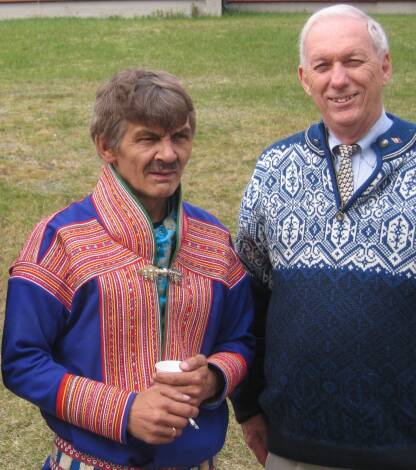
Bob professed that "seeing is believing" and used his passion to organize trips to the High North so that politicians, business people, and others can see for themselves the rapid change happening across the Arctic. Bob was an outstanding scientist with a comprehensive perspective from biogeochemistry to climatology on a global scale, but with a special emphasis on northern regions. He was one of the first to see the value of system-wide approaches including social, political and scientific aspects and of developing transdisciplinary knowledge to address complex problems. This was exemplified with his long-term collaboration with Sámi reindeer herders. Equally impressive is that he was an advisor to the US Presidents for 20 years. His ability to reach out to industry leaders when it comes to climate change (including the state of the Greenland ice sheet) is legendary. Few understand this region better than Bob, and his concern for finding solutions was genuine and relentless. Likewise, impressive was his close connection to and support for the inclusion of Indigenous and local knowledge and peoples across the Arctic. He paved the way for including broad perspectives on how to understand climate change impacts and societal vulnerability in the Arctic at a time when scientists struggled to collaborate in an interdisciplinary manner. He convinced people in many countries to have a new look at the Arctic and to increase efforts to combat the effects of climate change. His opinions of how to educate and train future generations led the way in the development of multidisciplinary and integrated solutions for the future. For example, he provided critical early mentorship for young researchers who were struggling to establish the Association of Polar Early Career Scientists during the International Polar Year (2007-08). His energy and dedication seemed limitless.
At the same time this giant and hero of oceanography and climatology was a thoroughly mild and friendly man. Even the simplest contribution to a debate was received and honored with care. Bob was never restrained when it came to supportive comments and encouraging others to share ideas and build partnerships. He had a great ability to make people understand the relevance of Arctic issues for climate change and the world at large. I am one of many who benefited from Bob’s sage advice and guidance from my graduate school days until very recently. I will miss him.
Larry Hinzman
Fairbanks, Alaska
Thank you, Bob, for your boundless energy and all you did for science and humanity.
Bob’s passing will leave a massive hole in world. His passion for science, society, and people enabled Bob to bring so some many people from across the world to work together and to contribute to work on solutions to the most challenging issues facing the world today.
I first met Bob in the basement of the Royal Swedish Academy of Sciences, where we were preparing reports for the first IGBP Scientific Advisory Committee in 1988. Bob was representing the US as the first Director of the US Global Change Research Program. That was not my last meeting with Bob.
Bob’s contribution to earth system science through his efforts to bring people from different sectors of society, not just scientists, to serve a common purpose to seek solutions to global environmental change. His efforts were Herculean in his unwavering energy and constant persuasion.
For several years, Bob and I worked at the H. John Heinz III Center for Science, Economics and the Environment on global change issues. He brought knowledge and energy to the Center and organized a number of science-policy discussions.
Throughout the years, Bob has been willing to share his time at workshops, conferences, and on the phone to engage on activities to promote dialogue across different sectors of society with the scientific communities active in understanding and seeking solutions to global environmental challenges.
Bob will be missed as a mentor, colleague and friend.
Dennis Ojima
Interim Director, Natural Resource Ecology Laboratory, Colorado State University
Emeritus Professor of Ecosystem Science and Sustainability, CSU
When my family and I came to UNH in 1973, we had no friends or family. Bob and his family went into “family/friend” mode immediately providing instant support. Jane and recall coming home from taking our son to the hospital after he was hit by a car in front of our home, 4 years after I graduated. As we approached our house we saw a car in our parking space, a car containing Bob and Billie Jo, with comfort and concern, we didn’t even know how he found out what had happened. Bob and his family went way past doing the traditional graduate student relationship. Bob and Billie Jo could always be counted on for support and friendship whenever needed.
Bob’s advice on how to work with students was pure gold. He said that when you are helping a student write a document, the best approach was to go through the document telling the student all the great things that he had done. After that add comments that advise the student on what needs further work. His short form one-liner was, “even when presented with a plate full of poop, you are bound to find something good”.
Other one-liners:
Never blow your own horn, let someone else do it, the music will be all the sweeter!
To be successful, all you need to do is to teach 100% of the time and do research 100% of the time!
Some people look for solutions to problems, others have solutions looking for problems.
You can always tell a successful student, he is one that keeps pushing you to do more rather than wait for next piece of work.
Real world problems are generally difficult to solve, but provide the most satisfaction.
When I retired from UNH my sons gave me a framed “Dilbert” cartoon, which basically concluded that, “engineers don’t idle well”. That most certainly was something I learned from Bob. I can recall being with my family in our apartment in Forest Park (now gone), and it looked directly at the outside window in Bob’s office. I could look out and when I saw the light on, I knew he was at work and I had to return to work too.
I know that I told Bob that I somewhat surprised that I made it successfully through my Ph.D. program. His response was, “I knew you would make it easily after our first summer together”. He told me the type of characteristics that made a good student. I have tried to use those in my own guidance experiences. I feel that Bob’s influence has been at my shoulder through my 30 + years at UNH. I tried to find solutions to the problems I found, just like Bob’s advised! I have tried to emulate his ideas.
Several people have influenced my life. Bob has had the largest effect of any non-family member … I actually consider him family, along with Billie Jo.
I owe a lot to Bob Corell. Bob was the Asst Director of NSF’s Division of Geosciences when I came on as Program Director in the Arctic Section. Although I was told I had the background and skills for the position (eg, Arctic research, Russian fluency) and was selected over a broad group of applicants, my Imposter Syndrome told me that it was only a matter of time before they found out how limited I was in every respect. Bob rescued me, worked with me closely on building the skills to operate at that level, and was always there to help. He was the strongest anchor and mentor I had during that time. …and afterwards.
And as others relate so well here, he was a terribly nice person, owned a great sense of humor, and was so very knowledgeable.
I will miss his advice, guidance, and fellowship. We all will miss him.
Doug
Professor, University of Alaska Anchorage
Associate, Arctic Initiative, Belfer Center for Science and International Affairs, Harvard Kennedy School
One of my favorite memories of Bob was his 90th birthday celebration. It was incredible to see so many of his dear colleagues and friends from the US and around the world come together to honor him. The love, admiration, and respect everyone had for Bob were so clear that day, and it truly reflected the remarkable person he was.
Thank you, Bob, for your friendship, your guidance, and your unwavering support. It meant so much to me personally and made a big difference in my life. As I talked to him just a few days ago, I am still trying to process this loss.
I’d love to hear everyone’s stories about Bob, too. Sharing those memories feels like the perfect way to celebrate him and the life he lived.
Rest easy, Bob. You’ll always be remembered with love, gratitude, and admiration. THANK YOU, Bob for everything....
Larisa Schelkin,
CEO, Global STEM Education Center, Inc
Harvard University Global Education “Think Tank” 2015-2019
Fellow Education Policy, Rennie Center, IEL Washington, DC
Faculty, UNITAR Global Diplomacy Fellowship Program
My earliest interaction with him was in 1993 at a Harvard workshop on the use of social sciences data in the study of global change, where I was the NASA HQ Program Manager for the social science portion of the Distributed Active Archive Center, SEDAC. Bob was the Chair of the U.S. Global Change Research Program, so the biggest GCRP Boffin there was. We were all intimidated by his glasses floating on his forehead.
Bob hired me in June of 1994 to run the interim secretariat for the Inter-American Institute for Global Change Research (IAI). Both NSF and NOAA were tasked with setting up this organization that sprang out of the Rio Accords, the subsequent Montevideo Agreement, and Pres. Bush’s pledge ‘to be the environmental President.’
Bob was instrumental in setting up the initial scientific agenda for the IAI, and for working with his equivalents in the Americas to secure a commonly funded organization that supports scientific research selected through merit based peer review.
He was politically astute, and (almost) unflappable. If asked, he would explain later what had got him riled, and how he dealt with it. The best of mentors.
I last spoke to him on his birthday and we talked about some of his ongoing projects: ultra high voltage power grids, Arctic Science, as well as several others. As active as ever, trying to make a better world for us wherever he went.
I already miss him terribly.
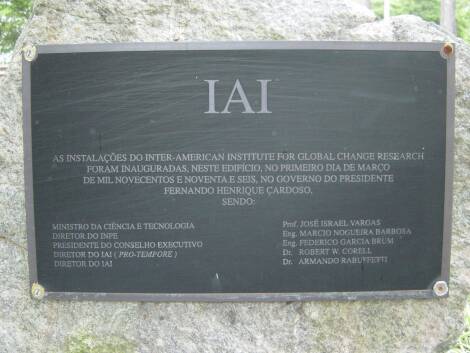
The Arctic Climate Impact Assessment (ACIA) is one of his many legacies.
May he rest in peace.
Pat Webber
Past President of IASC
Chris Rapley CBE MAE
Prof of Climate Science, University College London
Chair of the European Science Foundation's European Space Sciences Committee
Karin Lochte
former Director Alfred Wegner Institute for Polar and Marine Research
Neal Lane
Senior Fellow in Science and Technology Policy, Baker Institute
Professor of Physics and Astronomy Emeritus, Rice University
Former Assistant to the President for Science and Technology
And Director, Office of Science and Technology Policy
Former Director of the National Science Foundation
And such a devoted, inspired, and unpredictable mentor — just a month ago, he left me a long voicemail telling me he thought I needed to listen to Handel’s Messiah on Christmas.
His vision and drive launched our team’s work with our climate simulator C-ROADS when we badly needed a climate science and US government insider who believed in us and all we could contribute. And then he led World Climate on Greenland trips for hundreds of rapt travelers. Our organization Climate Interactive would not have achieved all it has without Bob Corell.
A very large old warden tree (Norwegian "tuntre", Swedish "vårdträd") has fallen. It happened as the liberal and international orientation of the US is challenged. Peace to his memory.
Lars Otto Reiersen
Paul Wassmann
Øystein Hov
The last lunch we shared was in Tromso, in 2019; He described his newest effort to connect Arctic and Atlantic Ocean scientists and policy experts: B2BI: The North Atlantic-Arctic Ocean Strategic Framework. It was another one of Bob’s ideas to cross pollinate disciplines and regions to better understand critical interconnections and opportunities for collaboration.
I will miss Bob’s kindness, insatiable curiosity, wisdom and commitment to making the world a better place,
Fran Ulmer,
Former Lieutenant Governor of Alaska
1994-2002
Former Chair of the United States Arctic Research Commission
2011-2020
Bob will be missed.
Meredith Jennings
Houston, Texas
Godspeed, sir.
Mead Treadwell
Lt. Governor, Alaska, 2010-2014
Chair, US Arctic Research Commission, 2006-2010 and Commissioner, 2001-2010


 Français
 Deutsch
 Nederlands
 Español
 Português
 Magyar
 Русский
 繁體中文
繁體中文